
The recurring spectacle of a hurricane making landfall in Florida is more than just a weather event; it’s a profound economic disruption with far-reaching financial consequences. From individual households grappling with deductibles to multinational insurers recalibrating risk models, the financial narrative of a hurricane is complex, multifaceted, and constantly evolving. Understanding “what’s going on” from a monetary perspective requires dissecting the immediate costs, long-term economic shifts, and the adaptive strategies deployed by businesses, individuals, and governments alike.
The Immediate Financial Aftermath: Assessing the Initial Blow
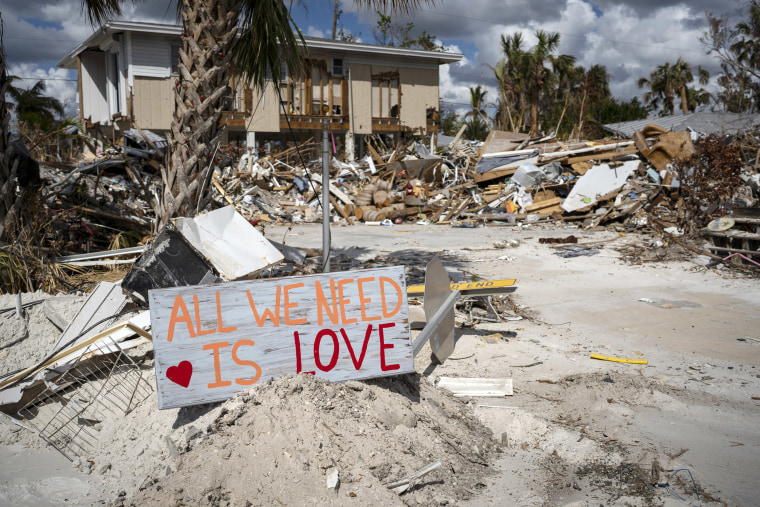
When a hurricane strikes Florida, the financial shockwaves are immediate and severe, impacting every layer of the economy. The sheer force of these storms translates directly into tangible costs, setting off a chain reaction that resonates for months, if not years.
Insurance Market Volatility and Rising Premiums
One of the most immediate and visible financial impacts is on the insurance market. Florida’s property insurance market has been in a state of crisis even before recent major storms, characterized by escalating premiums, decreasing coverage options, and an exodus of major insurers. Hurricanes exacerbate this fragility, leading to a surge in claims that can bankrupt smaller, state-backed insurers and prompt larger players to further withdraw or dramatically increase rates. Homeowners often face substantially higher premiums, sometimes doubling or tripling in a single renewal cycle, making homeownership increasingly unaffordable for many. Deductibles, especially for wind and hurricane damage, can be percentage-based rather than fixed dollar amounts, meaning a 2% deductible on a $500,000 home is a $10,000 out-of-pocket expense before any repairs begin. This immediate financial burden on homeowners is a critical component of the post-storm reality.
Business Interruption and Supply Chain Shocks
For businesses across Florida, a hurricane represents a direct threat to their bottom line. Physical damage to premises can halt operations, leading to lost revenue, inventory damage, and the daunting cost of repairs. Beyond the immediate physical impact, business interruption insurance often has complex clauses and waiting periods, leaving many businesses in a precarious financial state during the critical recovery phase. Furthermore, hurricanes disrupt intricate supply chains. Ports can close, transportation routes become impassable, and workforce availability diminishes, creating bottlenecks that affect not just local businesses but also national and international markets reliant on Florida’s agricultural produce, manufacturing components, or logistical hubs. This ripple effect can lead to price increases, product shortages, and further economic slowdowns.
Personal Financial Strain: Deductibles, Uninsured Losses, and Displacement Costs
Beyond the broad economic figures, the personal financial strain on Floridians is immense. Many homeowners, even with insurance, find themselves facing substantial out-of-pocket costs due to high deductibles, especially for wind and flood damage, which are often separate policies. A significant portion of losses, particularly for flood damage in areas not designated as high-risk, remains uninsured. Renters, too, can face displacement, losing personal belongings and incurring costs for temporary housing, often without the benefit of extensive insurance coverage. The cost of temporary housing, food, transportation, and lost wages can quickly deplete emergency savings, pushing families into debt and prolonged financial instability. Federal aid, while crucial, often takes time to arrive and may not cover the full extent of losses, leaving individuals to bridge significant financial gaps.
Long-Term Economic Repercussions: Shifting Sands and Structural Changes
The financial impact of hurricanes extends far beyond the initial cleanup, reshaping Florida’s economic landscape, influencing market dynamics, and challenging fiscal planning for years to come.
Real Estate Market Shifts and Rebuilding Costs
The real estate market, a cornerstone of Florida’s economy, experiences significant long-term shifts post-hurricane. While initial rebuilding efforts can inject capital into the construction sector, the sustained threat of severe weather can depress property values in vulnerable coastal areas. The escalating cost of insurance and stricter building codes, while necessary for resilience, add to the overall cost of homeownership and construction. Rebuilding materials often see price surges due to increased demand and supply chain issues, further inflating costs. For many, the decision to rebuild or sell damaged property becomes a complex financial calculation, weighing future risks against immediate equity. This can lead to demographic shifts, as some residents opt to move inland or out of the state entirely, altering the long-term tax base and economic composition of affected communities.
Impact on Key Industries: Tourism, Agriculture, and Construction
Florida’s economy is heavily reliant on key sectors that are particularly vulnerable to hurricanes. Tourism, a massive revenue generator, suffers significant setbacks when infrastructure is damaged, attractions are closed, and potential visitors perceive the region as unsafe or recovering. While recovery efforts can be swift, regaining tourist confidence and market share can take considerable time and marketing investment. The agricultural sector, vital for citrus, sugar, and various produce, can face catastrophic crop losses, with trees and fields taking years to recover, impacting farmers’ livelihoods and national food supplies. Conversely, the construction industry often experiences a boom post-storm, but this is often accompanied by labor shortages and material cost inflation. The overall effect is a significant rebalancing of economic activity, with some sectors struggling for prolonged periods while others experience temporary, albeit intense, growth.

Government Aid, Debt, and Fiscal Challenges
Hurricanes place immense strain on state and local government finances. Emergency response, infrastructure repair, and long-term recovery efforts require vast sums of money. While federal aid from agencies like FEMA is crucial, it rarely covers 100% of costs, leaving state and local governments to fund significant portions through their own budgets, often necessitating bond issues and increased debt. This can divert funds from other public services, delay infrastructure projects, and even necessitate tax increases. Furthermore, the loss of tax revenue from damaged businesses and properties, combined with increased expenditures, can create significant fiscal challenges that persist for years, affecting credit ratings and the ability to invest in future growth.
Navigating Financial Recovery and Future Preparedness
In the face of intensifying storm activity, financial recovery and strategic preparedness have become paramount, guiding policy and personal decision-making.
The Role of Federal and State Funding Mechanisms
Federal and state funding play an indispensable role in post-hurricane financial recovery. Programs like FEMA’s Individual and Households Program (IHP) provide direct financial assistance for housing, repairs, and other needs, while the Public Assistance program supports infrastructure repair. Beyond immediate relief, initiatives like the Community Development Block Grant-Disaster Recovery (CDBG-DR) funds target long-term recovery, economic revitalization, and mitigation efforts. Florida also operates its own disaster relief funds and insurance entities like Citizens Property Insurance Corporation, which serves as an insurer of last resort. However, managing the flow and allocation of these funds efficiently and equitably remains a continuous challenge, often involving complex bureaucratic processes and political considerations. The effectiveness of these mechanisms is critical for facilitating economic rebound and minimizing the long-term financial burden on affected communities.
Strategies for Personal Financial Resilience
For individuals, proactive financial planning is the most powerful tool against hurricane impacts. Building a robust emergency fund – ideally covering 3-6 months of living expenses – provides a critical buffer for deductibles, temporary housing, and lost wages. Thoroughly understanding insurance policies, including wind, flood, and separate personal property coverage, and ensuring adequate limits are in place is non-negotiable. Many financial advisors recommend reviewing policies annually to account for inflation and increased property values. Creating a financial disaster kit with copies of important documents, contact information, and cash can expedite the claims process and alleviate stress during an emergency. Investing in flood mitigation measures for homes, even in non-flood zones, can significantly reduce potential damages and future costs, proving that upfront investment can lead to substantial long-term savings.
Business Continuity Planning in a Changing Climate
Businesses, particularly those in vulnerable regions, are increasingly adopting comprehensive business continuity plans that account for climate risks. This includes diversifying supply chains to reduce reliance on single points of failure, investing in resilient infrastructure (e.g., elevated equipment, fortified buildings), and securing adequate business interruption insurance with clear clauses for extended recovery periods. Establishing remote work capabilities and cloud-based data storage ensures operational continuity even if physical premises are inaccessible. Beyond internal measures, businesses are also exploring collaborative strategies, forming partnerships with other local enterprises for shared resources and mutual support during recovery. The financial wisdom in such planning is clear: the cost of proactive mitigation and preparedness is often a fraction of the losses incurred from a reactive response.
Investment Implications and Market Adaptations
The consistent financial impact of hurricanes in Florida also sends significant signals to the investment community, prompting shifts in portfolio strategies and the emergence of new financial products.
Insurance Sector Performance and Reinsurance Trends
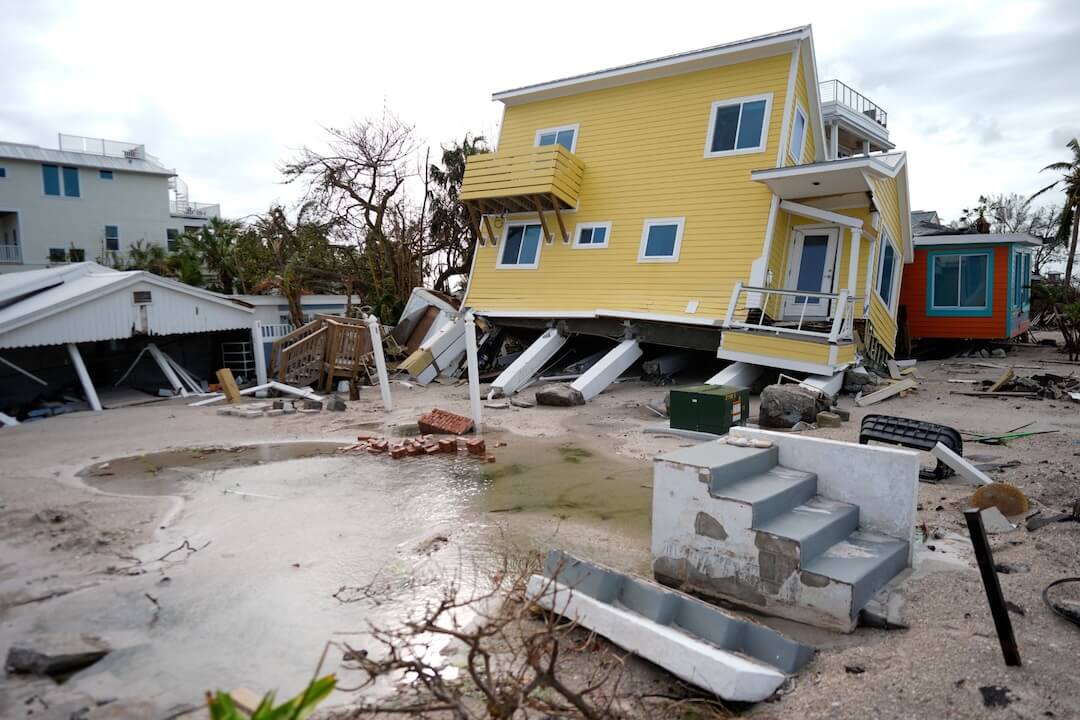
The profitability and stability of the global insurance and reinsurance sectors are heavily influenced by events in high-risk regions like Florida. Major hurricanes can lead to significant underwriting losses, affecting stock performance for publicly traded insurers. This pressure often translates into higher reinsurance rates globally, impacting insurers beyond Florida. Investors in this sector closely monitor catastrophic loss trends, climate models, and regulatory changes within the Florida market, which can serve as a bellwether for climate-related financial risks worldwide. The push towards more sophisticated risk modeling, leveraging AI and big data, is a direct response to these financial pressures, aiming to price policies more accurately and manage exposure more effectively.
Green Bonds and Climate Resilient Infrastructure Investments
In response to the escalating financial costs of climate-related disasters, there’s a growing appetite for investments in climate resilience. Green bonds and other sustainability-linked financial instruments are gaining traction, funding projects that aim to mitigate climate change impacts or adapt infrastructure to withstand extreme weather. This includes investments in renewable energy, smart grid technologies, resilient coastal defenses, and sustainable urban planning. For investors, these represent opportunities to align financial returns with environmental and social impact, while also tapping into a growing market for solutions to climate challenges. The financial markets are increasingly recognizing that investing in resilience is not just an environmental imperative but a sound long-term financial strategy for regions like Florida.
The financial narrative of a hurricane in Florida is one of perpetual challenge and adaptation. It forces a constant re-evaluation of risk, a recalibration of investment, and a renewed focus on individual and collective resilience. As storm seasons evolve, so too must the financial strategies designed to navigate their inevitable impact, ensuring that “what’s going on” with the hurricane is met with robust economic preparedness and intelligent financial foresight.
aViewFromTheCave is a participant in the Amazon Services LLC Associates Program, an affiliate advertising program designed to provide a means for sites to earn advertising fees by advertising and linking to Amazon.com. Amazon, the Amazon logo, AmazonSupply, and the AmazonSupply logo are trademarks of Amazon.com, Inc. or its affiliates. As an Amazon Associate we earn affiliate commissions from qualifying purchases.