
The “Bay Area” is a globally recognized appellation, far more than just a geographical region surrounding a body of water. For millions worldwide, it immediately conjures images of innovation, groundbreaking technology, and the relentless pursuit of the future. Officially known as the San Francisco Bay Area, this vibrant and diverse region in Northern California stands as the undisputed epicenter of technological advancement, a place where ambitious ideas transform into world-changing realities. It is the birthplace and nerve center of Silicon Valley, a hub that has redefined industries, created unprecedented wealth, and profoundly shaped the digital landscape of our modern world. Understanding “what’s Bay Area” is to understand the crucible of modern technology itself.

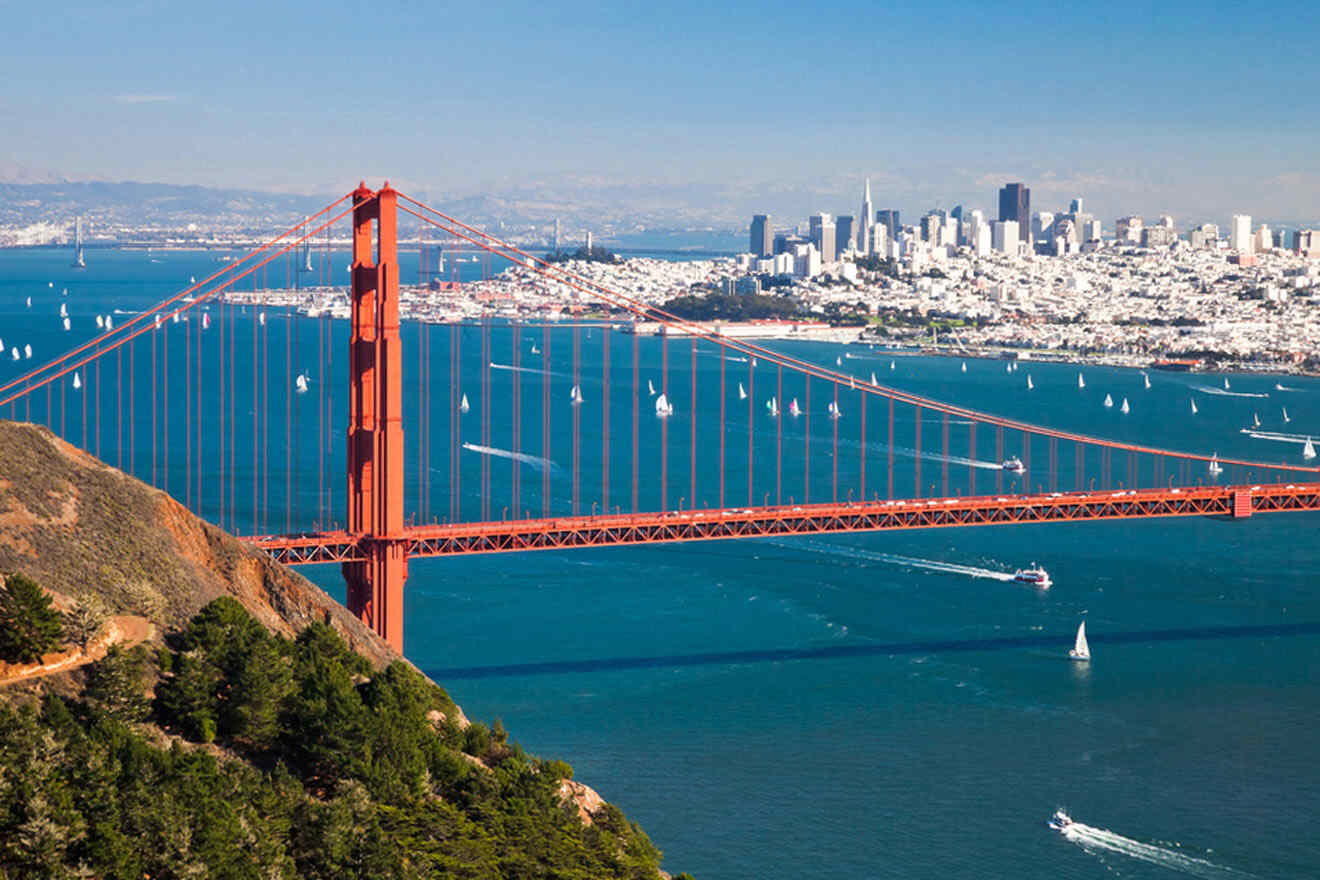
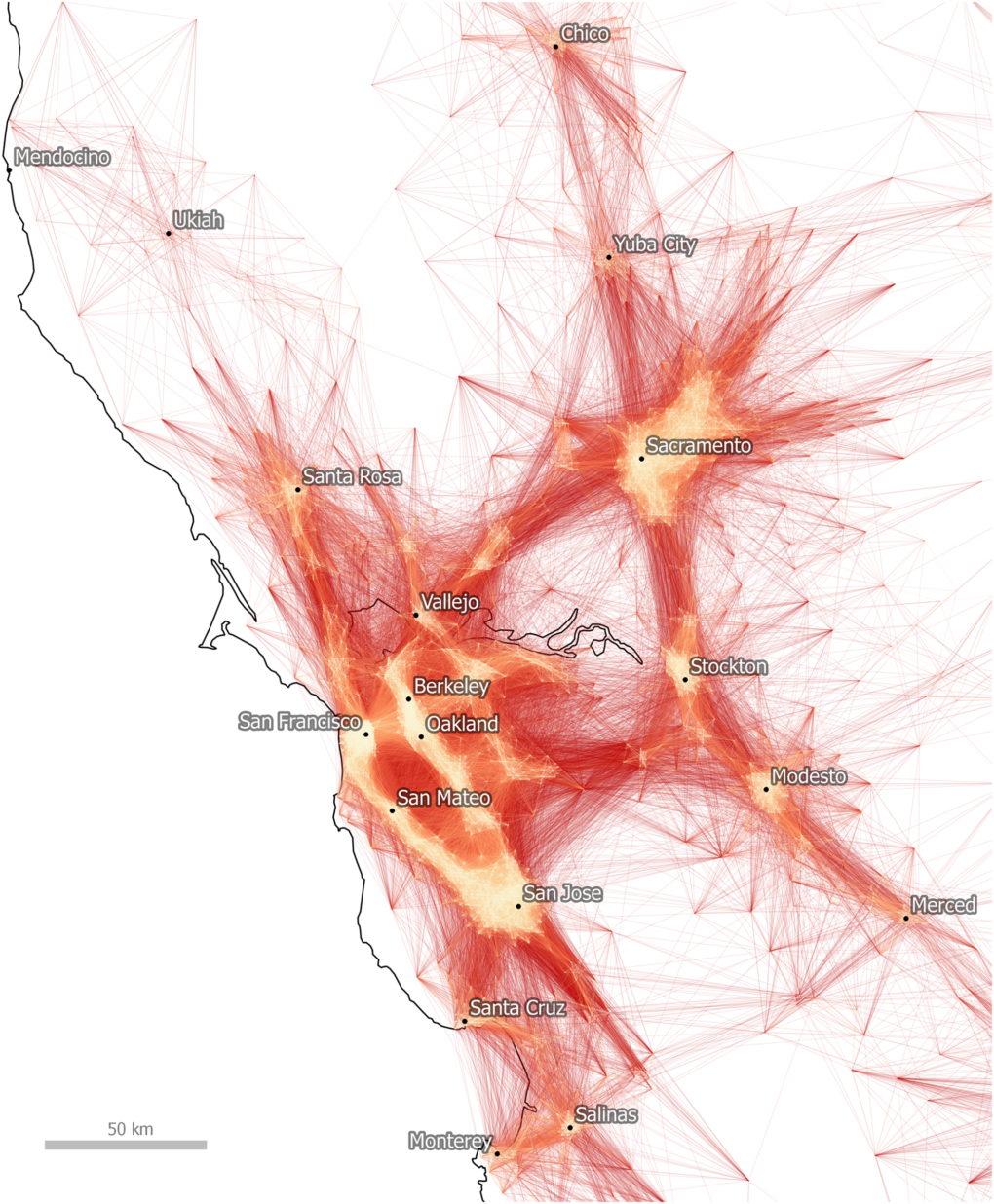
Geographically, the Bay Area encompasses nine counties: Alameda, Contra Costa, Marin, Napa, San Francisco, San Mateo, Santa Clara, Solano, and Sonoma. It’s a sprawling metropolitan area, home to millions, characterized by a unique blend of urban dynamism, stunning natural beauty, and a deeply ingrained culture of entrepreneurship and disruption. From the iconic Golden Gate Bridge to the sprawling campuses of tech giants and the bustling startup offices, every facet of the Bay Area pulsates with an energy driven by innovation. Its influence extends far beyond its physical boundaries, making it a critical subject for anyone interested in technology’s past, present, and future.
The Genesis of Innovation: From Orchards to Algorithms
The Bay Area’s ascendancy as a technology powerhouse was not an overnight phenomenon but the result of decades of confluence between brilliant minds, academic excellence, risk-taking capital, and a culture that embraced failure as a stepping stone to success. Its roots stretch back long before the internet or personal computers, demonstrating a persistent regional predisposition towards scientific and engineering innovation.
A Legacy of Pioneering Minds
The earliest seeds of what would become Silicon Valley were sown in the academic institutions that still thrive today. Stanford University, founded in 1885, became a crucial incubator for scientific and engineering talent. Early pioneers like Frederick Terman, often hailed as the “father of Silicon Valley,” encouraged his students to found companies in the area rather than leaving for the East Coast. This ethos fostered a localized ecosystem of talent and enterprise.
The 1930s and 40s saw early breakthroughs in electronics. Figures like William Hewlett and David Packard, graduates of Stanford, famously started Hewlett-Packard (HP) in a Palo Alto garage in 1939, laying a foundational stone for the hardware industry. However, the true inflection point for the “silicon” in Silicon Valley came with the arrival of William Shockley in 1956. A co-inventor of the transistor, Shockley established Shockley Semiconductor Laboratory in Mountain View. While his management style proved problematic, several of his brilliant employees, known as the “Traitorous Eight,” left to form Fairchild Semiconductor in 1957. This event was pivotal. Fairchild Semiconductor became a breeding ground for talent and ideas, spinning off dozens of other companies, including Intel Corporation, founded by Robert Noyce and Gordon Moore in 1968. These early ventures perfected the manufacturing of integrated circuits, miniaturizing electronics and paving the way for the digital revolution.
The Rise of Silicon Valley
The 1970s and 80s cemented the Bay Area’s identity as Silicon Valley. Companies like Intel continued to innovate in microprocessors, pushing the boundaries of computing power. But it was the advent of the personal computer that truly democratized technology and catapulted the region to global prominence. Apple Computer, founded by Steve Jobs and Steve Wozniak in 1976 in a garage in Los Altos, made computing accessible to the masses, introducing intuitive interfaces and powerful machines.
Concurrently, institutions like Xerox PARC (Palo Alto Research Center) were conducting groundbreaking research that would shape the future. Though often overlooked in commercial success, PARC developed many foundational technologies, including the graphical user interface (GUI), Ethernet, and object-oriented programming, which would later be commercialized and popularized by companies like Apple and Microsoft. This period demonstrated a unique synergy: academic research feeding innovative startups, which in turn attracted more talent and capital, creating a self-reinforcing cycle of technological acceleration.
Venture Capital’s Catalyst
No discussion of the Bay Area’s tech genesis is complete without acknowledging the indispensable role of venture capital. Unlike traditional banking, venture capitalists (VCs) specialize in providing funding to early-stage, high-potential, high-risk companies in exchange for equity. This model, which gained significant traction in the Bay Area, was crucial for funding audacious ideas that conventional lenders would deem too speculative. Firms like Kleiner Perkins, Sequoia Capital, and Andreessen Horowitz became household names in the tech world, not just for their funding but for their strategic guidance and network access. This ready availability of “smart money” fostered an environment where entrepreneurs felt empowered to take big swings, knowing that if their idea was compelling enough, capital would likely follow. This unique financial ecosystem remains a cornerstone of the Bay Area’s continued dominance in tech innovation.
Pillars of the Modern Tech Ecosystem
Today, the Bay Area’s tech ecosystem is a complex, interconnected web of established giants, burgeoning startups, world-class research institutions, and a dense network of support services. It is an unparalleled concentration of talent, capital, and infrastructure, continually pushing the boundaries of what’s possible.
Global Tech Giants
The Bay Area is home to an astonishing number of the world’s most influential technology companies, many of which are household names that define our digital lives. Google (now Alphabet Inc.) based in Mountain View, revolutionized information access and continues to lead in AI, cloud computing, and autonomous vehicles. Apple, headquartered in Cupertino, remains a design and innovation titan in consumer electronics, software, and services. Meta Platforms (formerly Facebook), from Menlo Park, connects billions worldwide and is investing heavily in the metaverse. Salesforce, a pioneer in cloud-based software, anchors San Francisco’s tech scene. Oracle, Adobe, Netflix, Cisco, and Tesla all have significant presences, contributing to the region’s economic might and technological leadership across diverse sectors from enterprise software to electric vehicles and streaming entertainment. The sheer density of these corporate behemoths creates a gravitational pull for talent and resources globally.
Startup Culture and Innovation Hotbeds
Beyond the established giants, the Bay Area’s vitality is perhaps most palpable in its vibrant startup culture. There’s a perpetual influx of new companies, fueled by ambitious entrepreneurs, often former employees of the very tech giants they aspire to rival. Institutions like Y Combinator, 500 Global (formerly 500 Startups), and Techstars operate as highly selective accelerators, providing seed funding, mentorship, and invaluable networking opportunities to thousands of startups. These accelerators and numerous incubators and co-working spaces (like WeWork, though now broader) foster a culture of rapid prototyping, iterative development, and constant iteration. The “garage startup” myth, though perhaps less literal now, persists in the spirit of lean operations and boundless ambition. This continuous cycle of creation, funding, growth, and often acquisition (or IPO) ensures a constant refresh of ideas and talent, keeping the ecosystem dynamic and fiercely competitive.
Research and Development Powerhouses
The intellectual capital of the Bay Area is further amplified by its world-class universities and corporate R&D labs. Stanford University and the University of California, Berkeley, consistently rank among the top global institutions for engineering, computer science, and scientific research. Their faculty and graduates are at the forefront of fundamental breakthroughs in areas like artificial intelligence, quantum computing, biotechnology, and robotics. These universities not only educate the next generation of tech leaders but also serve as crucial research partners for industry and direct sources of spin-off technologies and startups.
Corporate R&D departments within companies like Google X, Apple’s advanced development teams, and Meta’s AI research labs are also significant drivers of innovation. These entities engage in long-term, high-risk research, exploring moonshot ideas that may not yield immediate commercial returns but have the potential for transformative impact years down the line. This symbiotic relationship between academia and industry creates a robust pipeline of talent, knowledge, and intellectual property that is unparalleled globally.
Key Technology Trends Forged in the Bay
The Bay Area isn’t just a place where technology is built; it’s a place where technology trends are born, nurtured, and often scaled to global dominance. Its concentrated expertise and resources make it a crucible for the next big wave.
Artificial Intelligence and Machine Learning
The Bay Area is arguably the global leader in Artificial Intelligence (AI) and Machine Learning (ML). Companies like Google, Meta, OpenAI, and countless startups are pushing the frontiers of generative AI, large language models, computer vision, and predictive analytics. Research institutions like Stanford’s AI Lab and UC Berkeley’s AMPLab (now RISELab) have produced seminal work in deep learning and reinforcement learning. The applications are vast, from enhancing search engines and social media feeds to powering autonomous vehicles, drug discovery, and sophisticated financial algorithms. The talent pool in AI, encompassing researchers, engineers, and data scientists, is extraordinarily deep, making it a magnet for continued investment and innovation in this transformative field.
Software as a Service (SaaS) and Cloud Computing
The concept of delivering software over the internet as a service, rather than installing it locally, was largely pioneered and scaled by Bay Area companies. Salesforce, founded in San Francisco in 1999, was a trailblazer, demonstrating the power of SaaS for customer relationship management. This model revolutionized the enterprise software industry, offering scalability, flexibility, and cost efficiency. Building on this, cloud computing infrastructure providers like Amazon Web Services (AWS – though headquartered in Seattle, its influence and talent overlap significantly with the Bay Area’s tech scene, and many Bay Area companies are major users) and Google Cloud Platform (GCP) provide the foundational infrastructure that powers much of the modern internet and nearly all SaaS applications. The Bay Area continues to lead in developing new cloud-native technologies, serverless computing, and advanced DevOps practices.
Biotechnology and Health Tech
While often overshadowed by “pure” tech, the Bay Area is also a significant hub for biotechnology and health tech. The proximity to world-class medical research institutions like UCSF (University of California, San Francisco) and Stanford Medical Center fosters a vibrant ecosystem where technology intersects with life sciences. Companies in this space are developing revolutionary therapies, precision medicine, genomic sequencing technologies, and digital health platforms. Wearable health devices, AI-powered diagnostics, telemedicine solutions, and innovative drug discovery platforms are all seeing rapid advancements originating from or heavily influenced by Bay Area firms and research. This convergence of hardware, software, and biological science represents a powerful future frontier.
Autonomous Systems and Robotics
The dream of self-driving cars and intelligent robotics is becoming a reality, largely due to intense development in the Bay Area. Companies like Waymo (Google’s self-driving division), Cruise (General Motors’ autonomous vehicle unit), and Tesla (though broader in scope, its AI and autonomous driving teams are heavily concentrated in the region) are leading the charge in developing autonomous vehicle technology. Beyond cars, Bay Area startups and research labs are innovating in robotics for logistics, manufacturing, healthcare, and even consumer applications. Advances in sensors, computer vision, AI, and precision engineering are converging to create increasingly sophisticated autonomous systems that promise to reshape transportation, industry, and daily life.
The Bay Area’s Enduring Influence and Future Horizons
The Bay Area’s impact extends far beyond its geographical borders, influencing global economies, cultures, and the very fabric of how we interact with technology. Its future remains one of dynamic evolution, confronting new challenges while perpetually seeking the next wave of disruption.
Shaping the Digital World
Every smartphone in our pockets, every search query we make, every social media interaction, and nearly every piece of cloud software used by businesses worldwide bears the indelible mark of Bay Area innovation. The region has not merely created products; it has shaped paradigms, established new business models, and fundamentally altered human behavior. Its influence on global society, economy, and daily life is profound and pervasive. It has democratized information, connected billions, and accelerated the pace of global progress, while also prompting critical discussions about privacy, ethics, and the societal implications of rapid technological change.
Challenges and Evolution
Despite its unparalleled success, the Bay Area faces significant challenges. The high cost of living, particularly housing, has become astronomical, making it difficult for many, including essential workers and early-stage entrepreneurs, to reside there. This raises concerns about diversity, affordability, and talent retention. The intense competition for skilled labor has led to “talent wars,” where companies vie for engineers and researchers with exorbitant salaries and perks. Furthermore, the ethical implications of powerful technologies – from data privacy and algorithmic bias to the spread of misinformation – are increasingly prominent concerns that Bay Area companies and policymakers are grappling with.
In response, the ecosystem is evolving. There’s a growing recognition of the need for greater diversity and inclusion. While still the dominant tech hub, some companies and talent are exploring distributed work models or establishing satellite offices in more affordable regions, though the gravitational pull of the Bay Area’s unique ecosystem remains immensely strong.
The Next Wave of Disruption
Looking ahead, the Bay Area continues to be at the vanguard of emerging technologies. Areas like Web3 (blockchain, cryptocurrencies, NFTs, decentralized applications) are seeing significant investment and development. Quantum computing, still largely in the research phase, is another frontier where Bay Area institutions and companies are making strides. Climate tech, focusing on technologies to combat climate change and promote sustainability, is also gaining significant traction, attracting talent and capital from within the traditional tech sector. The intersection of AI with biotechnology, materials science, and robotics promises entirely new industries and solutions to some of humanity’s most pressing problems. The spirit of innovation, risk-taking, and relentless pursuit of the next big thing ensures that the Bay Area will remain a critical force in shaping humanity’s technological future.
In conclusion, “what’s Bay Area?” is to ask about the beating heart of global technology. It is a unique confluence of historical pioneering, academic excellence, abundant venture capital, entrepreneurial fervor, and a relentless drive to innovate. From its humble beginnings in garages and university labs to its current status as a titan of global industry, the Bay Area stands as a testament to human ingenuity and the transformative power of technology. It is a region that continually reinvents itself, grapples with its own success, and relentlessly pursues the next breakthrough, ensuring its enduring role as the world’s premier technological frontier.
aViewFromTheCave is a participant in the Amazon Services LLC Associates Program, an affiliate advertising program designed to provide a means for sites to earn advertising fees by advertising and linking to Amazon.com. Amazon, the Amazon logo, AmazonSupply, and the AmazonSupply logo are trademarks of Amazon.com, Inc. or its affiliates. As an Amazon Associate we earn affiliate commissions from qualifying purchases.