
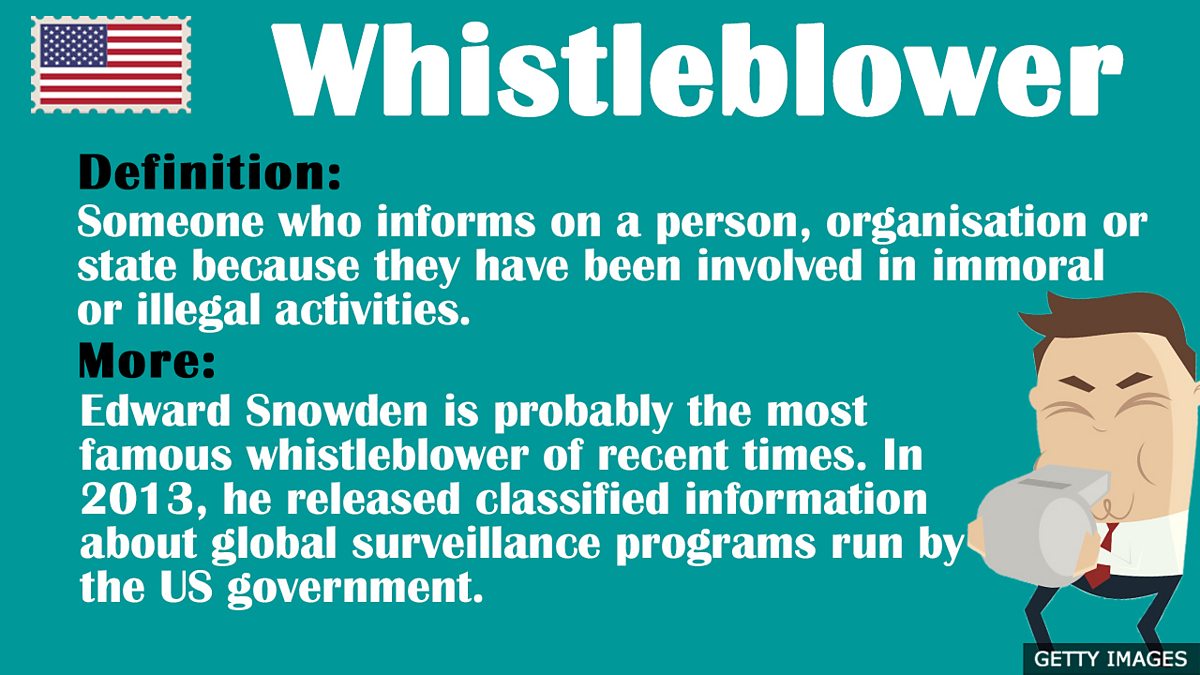
In the rapidly evolving landscape of global technology, the term “whistleblower” has moved from the periphery of corporate HR departments to the center of the digital security and software ethics conversation. As technology becomes the bedrock of modern society, the actions of individuals who expose systemic failures, security vulnerabilities, or ethical lapses within tech giants have profound implications for privacy, innovation, and global security. A whistleblower, in the context of the technology sector, is an individual—usually an employee, contractor, or former associate—outlining illegal, unethical, or unsafe practices within a tech-driven organization.
The digital age has fundamentally transformed the nature of whistleblowing. It is no longer just about leaking paper documents in a manila envelope; it is about forensic data analysis, the decryption of proprietary algorithms, and the navigation of complex legal frameworks designed to protect intellectual property. Understanding the role of the whistleblower is essential for any professional navigating the intersections of software development, artificial intelligence, and digital infrastructure.
Defining the Whistleblower in the Digital Age
The core definition of a whistleblower remains consistent: a person who informs on a person or organization regarded as engaging in an unlawful or unethical activity. However, in the tech sector, the “activity” in question is often embedded in code or hidden within massive datasets.
The Shift from Paper Trails to Encrypted Data
Historically, whistleblowing relied on physical evidence. In the modern tech environment, the evidence is almost exclusively digital. This shift requires whistleblowers to possess high levels of technical literacy. They must understand how to access sensitive information without compromising the security of the systems they aim to protect, and they must be aware of the digital breadcrumbs their actions might leave behind. This has led to a symbiotic relationship between whistleblowing and digital security tools. Whistleblowers now utilize end-to-end encrypted messaging, virtual private networks (VPNs), and air-gapped computers to document and transmit evidence of wrongdoing.
The Motivation Behind the Disclosure
Within the technology industry, motivations for whistleblowing are frequently rooted in the tension between profit-driven innovation and public safety. Engineers and data scientists often find themselves at the front lines of ethical dilemmas. When a software update prioritizes engagement over user mental health, or when an AI model exhibits clear racial bias that the company refuses to address, the internal conflict can lead to a public disclosure. These individuals act as a human “fail-safe” for systems that lack sufficient external oversight.
High-Stakes Tech: Where Innovation Meets Accountability
The tech industry moves at a pace that often outstrips the ability of regulators to keep up. This “regulatory gap” makes the role of the whistleblower even more critical. They provide a window into the black box of proprietary technology, offering a look at how data is managed and how algorithms are designed.
Data Privacy and the Ethics of Big Tech
One of the most common catalysts for whistleblowing in tech is the mishandling of user data. As data becomes the world’s most valuable commodity, the temptation to bypass privacy protocols for the sake of better machine learning training sets or more targeted advertising is immense. Whistleblowers have historically exposed how companies circumvent privacy settings, sell data without consent, or fail to secure databases containing the personal information of millions. These disclosures often lead to major shifts in digital security standards, forcing the industry to adopt more robust encryption and stricter access controls.
AI Safety and the Race for Superintelligence
As we enter the era of generative AI and Large Language Models (LLMs), whistleblowing has taken on a new dimension: AI safety. Employees at leading AI labs have increasingly voiced concerns about the speed of development versus the implementation of safety guardrails. When internal warnings about the potential for autonomous systems to cause harm or spread misinformation are ignored in favor of market dominance, whistleblowers become the primary source of information for the public. They highlight the technical limitations of these tools and the risks associated with deploying unvetted software at a global scale.
The Technological Infrastructure of Whistleblowing

The act of whistleblowing in the tech world is itself a technical operation. To protect themselves from sophisticated internal surveillance systems, whistleblowers rely on a specific stack of technology designed for anonymity and security.
Secure Drop Zones and Encrypted Communications
Organizations that support whistleblowers, such as news outlets and legal non-profits, utilize tools like SecureDrop. This is an open-source whistleblower submission system that media organizations can install to accept documents from anonymous sources. It utilizes the Tor network to hide the source’s identity and location, ensuring that the metadata of the communication is as protected as the content itself. Furthermore, the use of PGP (Pretty Good Privacy) encryption for emails and Signal for messaging has become standard practice for those looking to bypass corporate monitoring software.
The Role of Decentralized Storage and Blockchain
A growing trend in the tech whistleblowing space is the use of decentralized storage solutions. By distributing pieces of a file across a peer-to-peer network (using protocols like IPFS), it becomes significantly harder for an organization to “delete” leaked information or trace it back to a single server. Some have even explored the use of blockchain technology to create immutable records of disclosures, ensuring that once information is made public, it cannot be altered or retracted by the company involved. This technical arms race between corporate security teams and whistleblowers defines the current state of digital transparency.
The Impact of Disclosures on the Tech Ecosystem
The ripples caused by a tech whistleblower extend far beyond a single news cycle. They often trigger a fundamental restructuring of how software is built, tested, and audited.
Regulatory Evolution and Compliance
Whistleblower disclosures are frequently the catalyst for landmark legislation. For example, leaks regarding data practices contributed directly to the momentum behind the General Data Protection Regulation (GDPR) in Europe and the California Consumer Privacy Act (CCPA) in the United States. For tech companies, this means that whistleblowing isn’t just a PR crisis; it is a catalyst for new compliance requirements. Engineering teams must then pivot to build “privacy by design” into their software architectures, a direct result of the transparency brought about by whistleblowers.
Shifting User Trust and Digital Security Protocols
When a whistleblower reveals a vulnerability or a misuse of technology, it often results in a massive shift in user behavior. Users may migrate to more secure platforms, adopt multi-factor authentication (MFA) more widely, or demand end-to-end encryption as a standard feature rather than an add-on. This market pressure forces the entire tech industry to elevate its security posture. In this sense, whistleblowers act as an external audit force that drives the industry toward more secure and reliable software.
Navigating the Legal and Professional Landscape for Tech Employees
For those working within the tech industry, the decision to blow the whistle is fraught with professional and personal risk. The technical nature of the industry adds layers of complexity to legal protections.
Protections and Risks in a Globalized Market
While many countries have whistleblower protection laws, they are often ill-equipped to handle the nuances of the tech world. Non-disclosure agreements (NDAs) are ubiquitous in Silicon Valley and other tech hubs, often used to silence employees even in cases of ethical breaches. However, recent legal shifts have begun to clarify that NDAs cannot legally prevent employees from reporting illegal activities to government authorities. Tech workers must navigate these legal waters carefully, often requiring specialized counsel who understands both the law and the technical specifics of the disclosure.

The Rise of Ethical Engineering
The prevalence of whistleblowing has contributed to the rise of “ethical engineering” as a discipline. More universities are incorporating ethics into their computer science curricula, and more companies are establishing internal “ethics boards.” While these internal measures are sometimes criticized as “ethics washing,” they represent a growing recognition that technology cannot be built in a moral vacuum. The whistleblower stands as a reminder that the responsibility of the developer extends beyond the code—it extends to the users and the society that the code serves.
In conclusion, the whistleblower is a vital, if controversial, figure in the modern technology landscape. By leveraging digital security tools to expose flaws in our digital infrastructure and corporate practices, they ensure that the drive for innovation does not come at the expense of safety, privacy, or truth. As technology continues to integrate deeper into every facet of human life, the role of those willing to speak up about the hidden realities of the tech world will only become more significant. Understanding what a whistleblower is—and the technical and ethical framework they operate within—is essential for anyone invested in the future of the digital world.
aViewFromTheCave is a participant in the Amazon Services LLC Associates Program, an affiliate advertising program designed to provide a means for sites to earn advertising fees by advertising and linking to Amazon.com. Amazon, the Amazon logo, AmazonSupply, and the AmazonSupply logo are trademarks of Amazon.com, Inc. or its affiliates. As an Amazon Associate we earn affiliate commissions from qualifying purchases.