
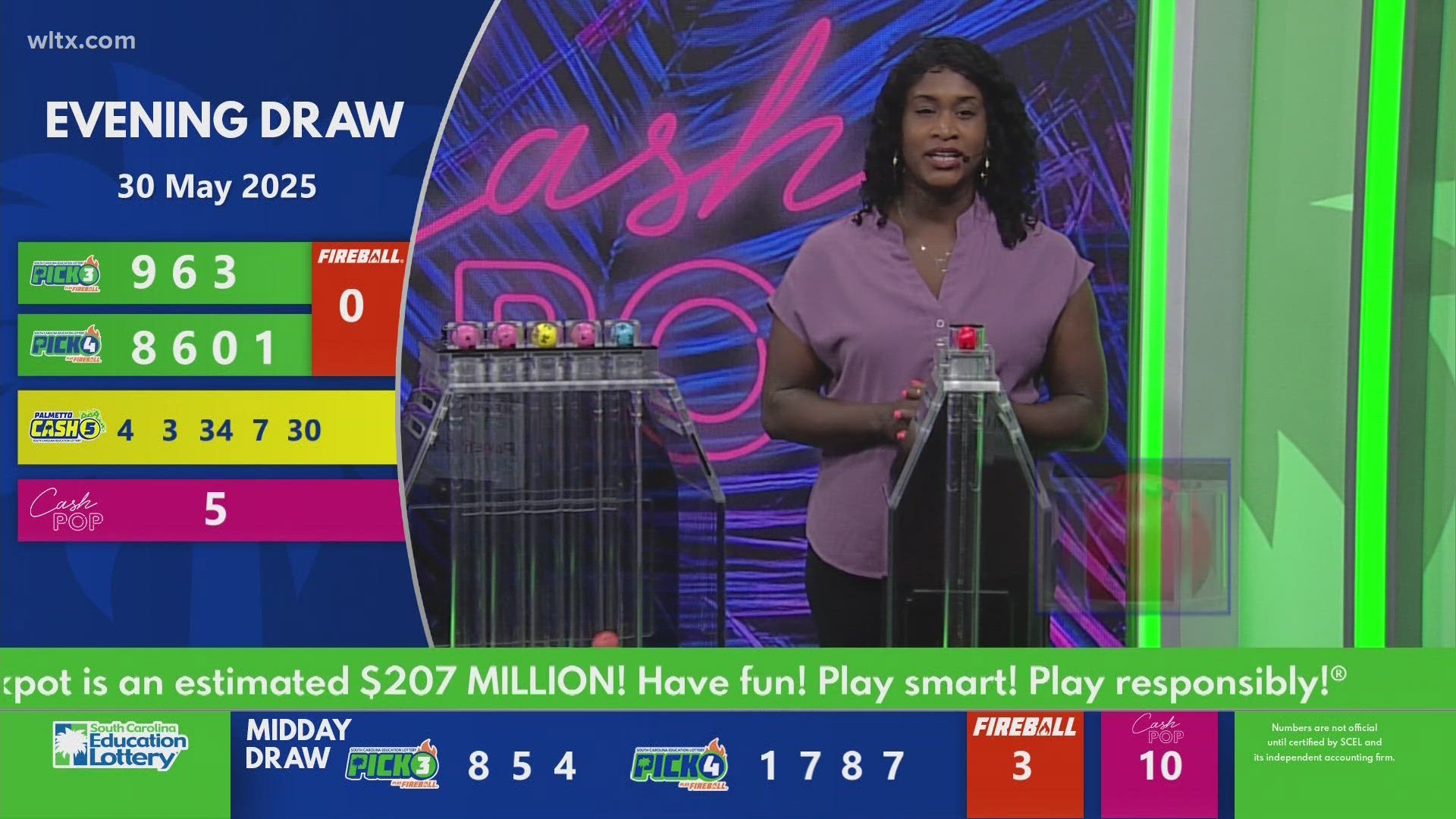
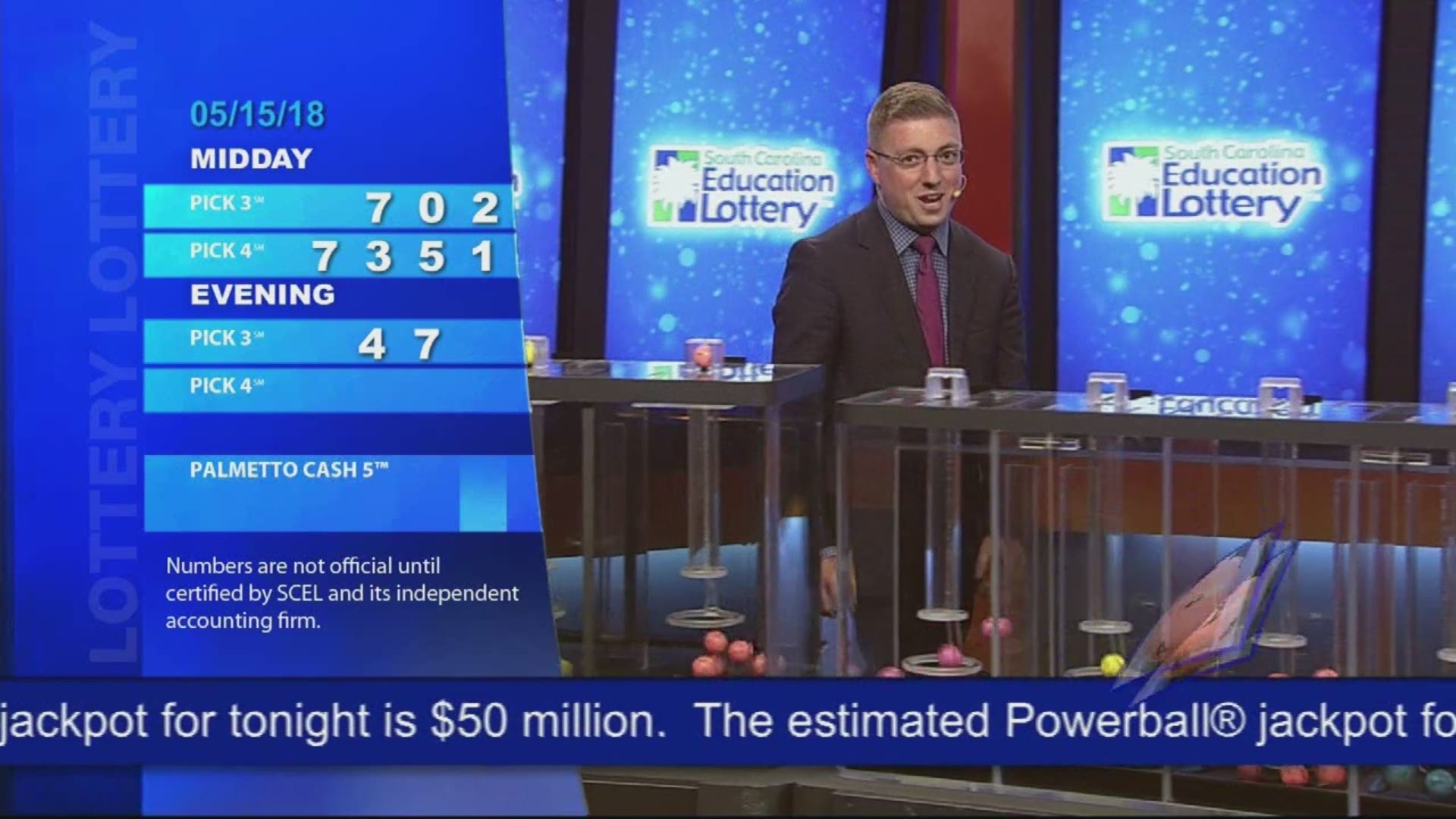
For decades, the “evening lottery” was more than just a game of chance; it was a cultural cornerstone and a massive financial engine that powered state budgets across the globe. Before the advent of 24-hour digital gambling and the gamification of the stock market, the evening lottery drawing was a ritualized event that captured the attention of millions. At precisely the same time every night, families would gather around television sets to watch numbered balls tumble in a plastic drum, waiting to see if their lives would be irrevocably changed by a sequence of digits.

However, from a professional financial perspective, the evening lottery represents one of the most successful—and controversial—revenue-generating models in modern history. Understanding what the evening lottery was requires looking beyond the flashing lights and the “big win” narratives to examine the underlying economics, the psychological triggers of the “poverty tax,” and how this traditional model has evolved into the high-frequency digital finance we see today.
The Historical Context of the Evening Lottery
The evening lottery, as most modern generations recognize it, began its ascent in the mid-20th century. While lotteries have existed in various forms since antiquity—often used to fund the Great Wall of China or the early American colonies—the modern state-run evening draw became a legalized staple in the 1960s and 70s. New Hampshire launched the first modern state lottery in 1964, followed quickly by New York and New Jersey.
From Civil Infrastructure to Daily Ritual
Initially, the evening lottery was sold to the public as a “painless tax.” The premise was simple: instead of raising income or property taxes, the government would provide a voluntary game where the profits would go toward the “greater good,” specifically public education and infrastructure. This branding was incredibly effective. It transformed gambling from a vice into a form of civic duty. By the 1980s, the evening draw had become a televised spectacle. The “7:00 PM drawing” became a fixed point in the daily schedule of the working class, bridging the gap between local news and prime-time entertainment.
The Transition to Television and Global Reach
The synchronization of the lottery with the evening news was a masterstroke of marketing. It ensured maximum visibility and integrated the lottery into the daily flow of information. For many, the evening lottery was their first introduction to the concept of high-leverage financial returns. You risked a very small amount—usually a dollar—for a payout that was mathematically astronomical. This “low-stakes, high-reward” environment created a low barrier to entry, making it an accessible financial “strategy” for people who felt excluded from traditional investing.
The Mechanics of the “Poverty Tax”: Understanding the Odds
In the world of finance, every investment is measured by its Expected Value (EV). The evening lottery is unique because it is one of the few financial products sold to the public with a guaranteed negative EV. While a typical stock market investment has an average historical return of 7-10% annually, a lottery ticket immediately loses roughly 50% of its value the moment it is purchased, as the state typically keeps half the revenue for administrative costs and public funds.
The Psychological Hook of the Daily Draw
The evening lottery relied heavily on “intermittent reinforcement.” Because the draws happened every night, the feedback loop was incredibly fast. If you lost on Monday, you only had to wait twenty-four hours for another chance at redemption. This frequency creates a psychological treadmill. Unlike a monthly or yearly draw, the daily evening lottery maintained a constant state of anticipation. Behavioral economists have often pointed out that the human brain is not naturally wired to understand the true scale of “one in several million” odds; instead, it focuses on the binary possibility of “winning” or “not winning.”
Why Low-Income Households Are Disproportionately Affected
The term “poverty tax” is frequently applied to the evening lottery because statistical data consistently shows that individuals in lower income brackets spend a significantly higher percentage of their earnings on tickets. For a high-net-worth individual, a lottery ticket is a novelty. For someone living paycheck to paycheck, the lottery often represents the only perceived path to significant capital accumulation. This creates a regressive financial system where those with the least amount of disposable income are the primary funders of the state programs that the lottery supports. Professional financial planners view this as a major hurdle to wealth building, as the “lottery dollar” is a dollar that isn’t being placed into a high-yield savings account or an index fund.
The Financial Impact: Where Does the Money Actually Go?
One of the most enduring legacies of the evening lottery is the debate over the allocation of its funds. Most lottery commissions operate under a “dedicated funding” model, where a percentage of every ticket sold is earmarked for a specific public sector, most commonly education.
Funding Public Works vs. Education Myths
While it is true that billions of dollars have been funneled into school systems via evening lottery revenues, the reality of “net gain” is more complex. In many jurisdictions, legislators have used lottery revenue as a justification to decrease the amount of general fund money allocated to education. This practice, known as “fungibility,” means that while the lottery brings in $100 million for schools, the state might simultaneously move $100 million of tax revenue away from schools to fund other projects. Consequently, the net increase in educational funding is often negligible, despite the lottery’s marketing claims.
Administrative Costs and the Profitability of Hope
The lottery is a massive business with significant overhead. A portion of the evening draw’s revenue goes toward the retail vendors who sell the tickets (usually a 5-6% commission), the massive advertising budgets required to keep interest high, and the technical infrastructure needed to run secure, transparent drawings. From a corporate finance perspective, the lottery is a high-margin product with a captive audience. The “product” being sold isn’t actually money—it is hope. By selling the dream of a “big win” during the evening broadcast, the state manages to maintain a consistent revenue stream that is far more stable than traditional tax revenue, which fluctuates with the economy.
Modern Iterations: From Paper Tickets to Digital “Lotto” Stocks
The era of the televised evening lottery drawing has largely faded, replaced by digital results and 24/7 access via mobile apps. However, the “lottery mindset” has migrated into the broader financial world, influencing how a new generation interacts with money and investing.
The Gamification of Finance
In recent years, we have seen the “evening lottery” spirit take over retail trading platforms. The use of bright colors, confetti animations upon completing a trade, and the promotion of high-risk options trading all mirror the psychological cues once used by state lotteries. When retail investors engage in “0DTE” (Zero Days to Expiration) options, they are essentially participating in a modern, digital version of the evening lottery. The odds are stacked against them, the timeframe is extremely short, and the goal is a massive payout from a small initial stake.
Crypto Moonshots and the 24/7 Digital Lottery
The rise of “meme coins” and speculative cryptocurrency assets represents the ultimate evolution of the evening lottery. These assets often have no underlying utility or intrinsic value; their price is driven entirely by social sentiment and the hope of a “1000x” return. Unlike the state lottery, which has a fixed drawing time, the crypto market is a global, 24/7 lottery. This has led to a shift in how personal finance is discussed in digital spaces, where “hitting it big” on a speculative asset is often prioritized over the slow, disciplined process of compound interest.
Building Real Wealth: Moving Beyond the Lottery Mindset
To move from the “lottery mindset” to a “wealth-building mindset,” one must understand the difference between gambling and calculated risk. The evening lottery was successful because it provided an emotional escape, but it was a financial dead end for the vast majority of its participants.
Expected Value vs. Emotional Value
Professional wealth management is built on the principle of positive Expected Value. If you invest $100 in a diversified portfolio, the statistical probability is that your $100 will grow over time. If you spend $100 on evening lottery tickets, the statistical certainty is that you will end up with zero. The “emotional value” of a lottery ticket—the 24 hours of dreaming about what you would do with the winnings—is what the state is actually selling. Recognizing this distinction is the first step in reclaiming control over one’s financial future.
Structured Alternatives for Financial Security
The tragedy of the evening lottery is that the small amounts spent daily could, if redirected, create genuine financial security. A person spending $10 a week on lottery tickets from age 20 to 65 is not just spending $23,400; they are forfeiting the potential growth of that money. If that same $40 a month were invested in a basic S&P 500 index fund with an average 7% return, it would grow to nearly $150,000 over that same period.
The evening lottery was a cultural phenomenon that defined the financial aspirations of a generation. It provided a way for the state to generate revenue and for individuals to purchase a moment of hope. However, as we look back on what the evening lottery was, we must see it for what it truly remains: a cautionary tale about the high cost of “cheap” dreams. Real financial independence is not found in the tumble of the balls at 7:00 PM, but in the disciplined, long-term management of capital that prioritizes mathematics over myths.
aViewFromTheCave is a participant in the Amazon Services LLC Associates Program, an affiliate advertising program designed to provide a means for sites to earn advertising fees by advertising and linking to Amazon.com. Amazon, the Amazon logo, AmazonSupply, and the AmazonSupply logo are trademarks of Amazon.com, Inc. or its affiliates. As an Amazon Associate we earn affiliate commissions from qualifying purchases.