
In the hyper-competitive landscape of the Quick Service Restaurant (QSR) industry, the ability to transform a simple side dish into a cult-status brand asset is a rare feat. Wingstop, traditionally known for its focus on chicken wings and diverse flavor profiles, achieved this through the introduction and strategic scaling of “Louisiana Voodoo Fries.” While the literal answer to “what’s on Voodoo Fries” involves a specific combination of fresh-cut potatoes, Cajun seasoning, ranch dressing, and signature cheese sauce, the brand-centric answer is much more complex. Voodoo Fries represent a calculated exercise in brand positioning, flavor layering, and the “secret menu” marketing psychology that has propelled Wingstop to the top of the fast-casual hierarchy.

By analyzing the components of this dish through the lens of brand strategy, we can uncover how Wingstop uses specific sensory anchors to build customer loyalty and differentiate itself from competitors who often rely on more generic offerings. The Voodoo Fry is not just a menu item; it is a case study in how to engineer a “hero product” that supports the overarching corporate identity of being “The Flavor Experts.”
The Anatomy of a Signature Side: The Brand Synergy of Ingredients
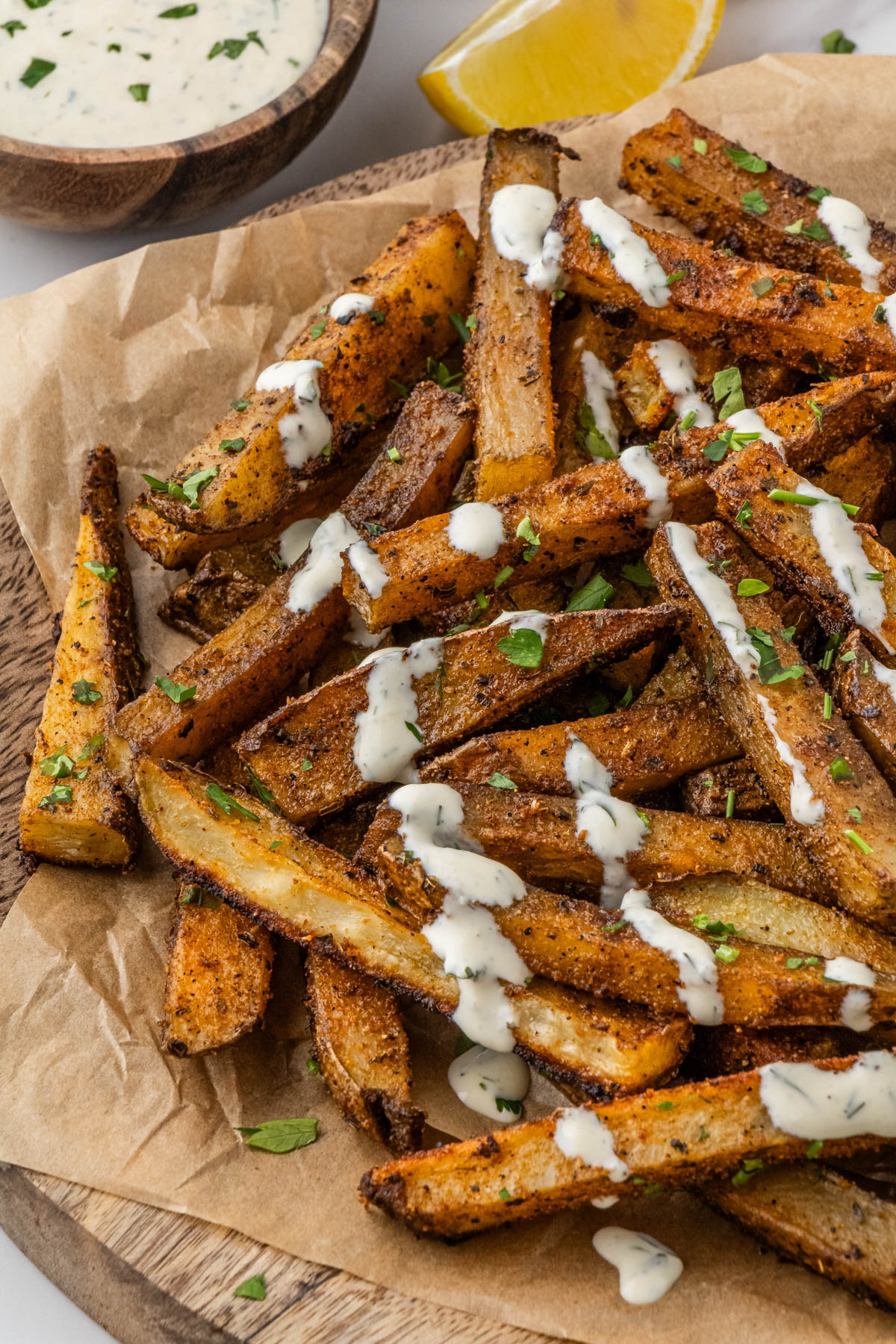
To understand why Voodoo Fries have become a cornerstone of the Wingstop brand, one must first look at the specific composition of the product. The dish starts with Wingstop’s signature fresh-cut fries—potatoes that are sliced in-store daily. This commitment to “fresh-cut” is a foundational brand pillar, distancing Wingstop from the frozen, processed reputation of traditional fast food.
The “Voodoo” transformation occurs through three distinct layers:
- The Cajun Seasoning: A dry rub that provides the initial hit of heat and complexity. This seasoning is the same spice profile used for their Cajun wings, creating a “flavor thread” that connects the side dish to the core product.
- The Signature Cheese Sauce: A warm, liquid cheddar that provides the necessary fat and salt content to carry the spices.
- The Buttermilk Ranch: Often cited as the “crown jewel” of the Wingstop brand, their ranch is made in-house. It provides the cooling acidic contrast to the heat of the Cajun seasoning.
From a brand strategy perspective, these ingredients represent “Brand Assets.” When a customer tastes the combination of Cajun spice and house-made ranch, the sensory feedback is immediately identifiable as Wingstop. This is “sensory branding” at its most effective. By combining these three elements, the brand creates a high-calorie, high-reward experience that triggers a strong dopamine response, ensuring that the consumer associates the brand with intense, satisfying flavor.
The Role of Proprietary Flavors
The ranch dressing, in particular, acts as a “moat” around the Wingstop brand. By creating a dressing that has a distinct, thinner consistency and a higher herb-to-cream ratio than bottled alternatives, Wingstop makes the Voodoo Fries difficult to replicate at home. This exclusivity is a key component of brand equity. When customers ask what is on the fries, they aren’t just looking for a recipe; they are identifying the components that make the Wingstop experience unique.
Texture as a Brand Differentiator
The contrast between the crispiness of the fresh-cut potato and the heaviness of the cheese and ranch creates a “multi-textural” brand experience. In branding, consistency is key, but in food branding, contrast is what creates memorability. The “soggy-yet-crispy” paradox of loaded fries is a specific niche that Wingstop has mastered, positioning the Voodoo Fries as a decadent indulgence rather than a standard side.
The “Voodoo” Effect: Naming Conventions and Psychological Appeal
The name “Voodoo” was a deliberate branding choice that aligns with Wingstop’s roots and its “Flavor World” marketing campaign. Naming a product is one of the most critical steps in brand identity development. A name like “Cajun Cheese Fries” would be descriptive, but “Voodoo Fries” is evocative.
Cultural Resonance and Edgy Positioning
The term “Voodoo” evokes the mystery and spice of Louisiana Creole and Cajun culture. By leaning into this aesthetic, Wingstop positions itself as a brand that isn’t afraid of bold, complex flavors. It suggests a “magic” or “spellbinding” quality to the food, which plays into the “craveability” factor that QSR brands strive for. This edgy, slightly mysterious persona helps the brand appeal to a younger, urban demographic that values authenticity and “vibe” over corporate sterility.
Simplification of Choice
In brand psychology, “decision fatigue” is a major hurdle. By grouping multiple ingredients under a single, catchy name, Wingstop simplifies the ordering process. Instead of asking for “fries with Cajun seasoning, cheese, and ranch,” the customer simply asks for “Voodoo Fries.” This reduces friction in the customer journey, both in-store and on digital platforms. It turns a complex custom order into a singular, branded entity.

Leveraging the “Secret Menu” to Build Brand Community
The rise of Voodoo Fries is a perfect example of how “Pull Marketing” can be more effective than “Push Marketing.” Originally, the Voodoo Fry was part of a “secret menu”—a set of items not explicitly listed on the main board but known to “superfans” and brand loyalists.
From Insider Knowledge to Permanent Fixture
Allowing a product to live on a secret menu first is a brilliant brand-building tactic. It creates a sense of exclusivity and “insider status” for the customer. When someone orders Voodoo Fries and receives them, they feel a deeper connection to the brand because they possess knowledge that the casual observer does not.
As social media platforms like TikTok and Instagram began to feature “hacks” for Wingstop orders, the Voodoo Fries went viral. Wingstop’s corporate strategy was to listen to this organic noise and eventually promote the item to the permanent menu. This move signaled to the customer base that the brand was listening to them, fostering a sense of community and co-creation.
Digital Integration and High-Margin Conversion
In the modern brand ecosystem, the app is the primary touchpoint. Wingstop’s digital interface is designed to push “up-charges.” When a customer adds wings to their basket, the app frequently suggests Voodoo Fries as a premium upgrade. Because the brand has built so much equity in the “Voodoo” name, customers are more likely to spend the extra $2.00 to $3.00 for the branded experience versus a standard side of fries. This significantly increases the Average Order Value (AOV), which is a key metric for brand health and profitability.
Revenue Engineering: How Premium Sides Boost Brand Valuation
Beyond the marketing and naming, Voodoo Fries serve a vital function in Wingstop’s business finance and corporate strategy. In the restaurant world, chicken wings are a “volatile commodity.” The price of wings can fluctuate wildly based on supply chain issues, bird flu outbreaks, and seasonal demand (like the Super Bowl).
Protecting the Bottom Line
Potatoes, cheese, and ranch are much more stable in terms of cost. By branding the Voodoo Fries so effectively, Wingstop has successfully shifted a portion of its sales volume from high-cost, high-volatility items (wings) to high-margin, stable-cost items (potatoes).
When a customer views Voodoo Fries as a “must-have” part of their meal, the brand’s overall margin improves. This is a classic brand strategy: use a high-draw, high-cost item (wings) to get people in the door, but use branded, high-margin sides (Voodoo Fries) to drive the actual profit. This makes the brand more resilient to market fluctuations and more attractive to investors.
Operational Efficiency
The beauty of the Voodoo Fry from a brand operations perspective is that it uses existing ingredients. No new SKUs (Stock Keeping Units) were required to launch this product. It uses the existing fries, the existing Cajun rub, the existing cheese sauce used for dipping, and the existing ranch. This is “Lean Brand Extension”—creating a new, highly desirable product without increasing the complexity of the supply chain or the labor requirements in the kitchen.
The Future of Wingstop’s Flavor Identity
As Wingstop continues to expand globally, the Voodoo Fry serves as a blueprint for how they will handle international markets. The “Voodoo” brand is adaptable. It represents a specific American flavor profile that is exotic enough to be interesting in overseas markets but familiar enough to be broadly appealing.
The success of “what’s on Voodoo Fries” teaches us that a brand is not just what you sell, but how you package, name, and position it. By taking four simple ingredients and wrapping them in a cohesive narrative of spice, mystery, and “insider” culture, Wingstop transformed a side dish into a cornerstone of its corporate identity. The Voodoo Fry is proof that in the world of branding, the whole is often much greater than the sum of its parts. It is a reminder that even the humblest potato, when treated as a brand asset, can drive millions in revenue and create a legion of loyal followers.
aViewFromTheCave is a participant in the Amazon Services LLC Associates Program, an affiliate advertising program designed to provide a means for sites to earn advertising fees by advertising and linking to Amazon.com. Amazon, the Amazon logo, AmazonSupply, and the AmazonSupply logo are trademarks of Amazon.com, Inc. or its affiliates. As an Amazon Associate we earn affiliate commissions from qualifying purchases.