
In the world of high-level marketing and corporate identity, the word “temple” rarely refers to a physical place of worship. Instead, it serves as one of the most powerful metaphors in brand strategy. When a strategist asks, “What’s a temple?” they are inquiring about the structural integrity of a brand’s identity. Just as an ancient temple was built with a solid foundation, supporting pillars, and a protective roof, a modern brand requires a logical, hierarchical framework to survive the volatile shifts of the global marketplace.
A Brand Temple is a strategic visualization tool used by designers, CEOs, and marketers to distill a complex organization into a single, cohesive blueprint. It aligns the company’s internal culture with its external messaging, ensuring that every touchpoint—from a social media ad to a customer service call—feels like it belongs to the same “sacred” entity. This article explores the intricate components of the Brand Temple, why it is essential for modern business, and how to construct one that stands the test of time.

The Anatomy of a Brand Temple: Foundation, Pillars, and Roof
To understand the Brand Temple, one must look at it from the ground up. In architecture, a building is only as strong as its foundation. In branding, the same rule applies. If the core identity is shaky, the visual design and marketing campaigns will eventually collapse under the weight of inconsistency.
The Foundation: Core Values and Mission
The base of the temple represents the brand’s “Truth.” This is the bedrock upon which everything else is built. It consists of the company’s core values, its history, and its mission statement. These are the non-negotiable elements of the business. For a brand like Patagonia, the foundation is environmental activism. For Volvo, it is safety. Without this foundation, the brand has no “grounding,” making it susceptible to chasing trends that don’t align with its true purpose.
The Pillars: Strategic Brand Attributes
Rising from the foundation are the pillars. These represent the key attributes or strategic priorities that support the brand’s promise. Usually, a Brand Temple features three to five pillars. These might include “Innovation,” “Inclusivity,” “Premium Quality,” or “Customer Centricity.”
Each pillar must be distinct yet supportive of the overall structure. If one pillar is “Sustainability,” then every product developed must meet certain ecological standards. If another pillar is “Efficiency,” the brand’s digital tools and user experience must reflect that speed. These pillars act as the “How” of the brand—the specific ways the company delivers on its foundational promises.
The Roof: The Brand Vision and Promise
The roof is the highest point of the structure, visible from a distance. In branding, this is the “Brand Promise” or “Vision.” It is the singular, overarching benefit that the customer receives. It is the “Why.” When a customer looks at the temple, they don’t immediately see the foundation or the intricacies of the pillars; they see the roof. This is the emotional hook—the “Just Do It” (Nike) or “Think Different” (Apple) that encapsulates the entire essence of the organization in a single, aspirational concept.
Why Brands Need a Sacred Structure in a Saturated Market
In an era of “infinite scroll” and 15-second advertisements, consumers are bombarded with more information than they can possibly process. This leads to brand fatigue. A Brand Temple provides a “sanctuary” of consistency that helps a company stand out through clarity rather than volume.
Creating Internal Alignment and Cultural Synergy
A Brand Temple is as much an internal tool as it is an external one. When an organization grows to hundreds or thousands of employees, maintaining a unified voice becomes difficult. Without a clear structural framework, the product team might build something that the marketing team doesn’t know how to sell, or the sales team might make promises that the brand’s values can’t support.
The Temple serves as a “north star” for internal decision-making. When a new project is proposed, leadership can ask: “Does this project sit firmly on our pillars? Does it align with our foundation?” If the answer is no, the project is discarded. This prevents “brand creep,” where a company loses its identity by trying to be everything to everyone.
Establishing External Consistency and Trust
Trust is the currency of the modern economy. Consumers are more likely to stay loyal to a brand that remains consistent over decades. The Temple framework ensures that even as visual trends change—moving from skeuomorphism to flat design, for instance—the underlying “soul” of the brand remains the same.
When a brand’s structure is clear, the customer knows what to expect. This predictability builds “Brand Equity.” If the pillars of your temple are “Luxury” and “Exclusivity,” and you suddenly launch a budget line in a discount grocery store, your temple’s roof will sag. The architecture helps brand managers protect the brand’s perceived value by highlighting where inconsistencies might damage the overall structure.
Designing the Blueprint: How to Build Your Brand Temple
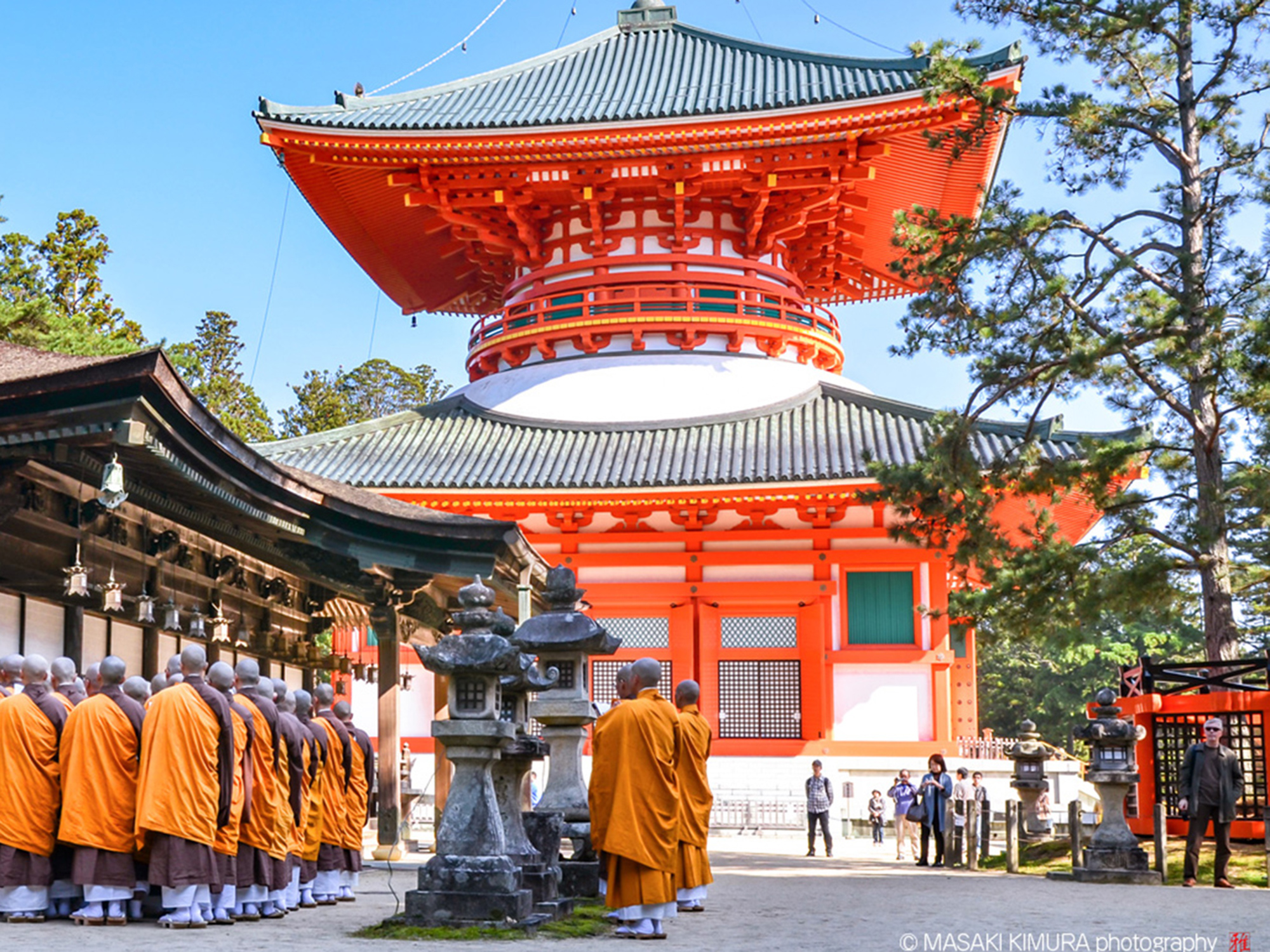
Building a Brand Temple is a process of distillation. It requires moving from the complex to the simple, stripping away the “noise” until only the essential truths remain.
Defining the “Why” (The Bedrock)
The first step is a deep dive into the brand’s DNA. This often involves stakeholder interviews, market research, and “archetype” discovery. To build the foundation, you must answer the existential questions: Why does this company exist beyond making a profit? What would the world lose if this brand disappeared tomorrow? This phase is about honesty. You cannot build a temple on a foundation of marketing jargon; it must be built on genuine organizational strengths.
Articulating Brand Attributes (The Columns)
Once the foundation is set, you must select your pillars. The mistake many brands make is choosing too many. A temple with twenty thin pillars is weaker than one with four thick ones. These attributes should be “ownable.” If your competitors can all claim the same pillars (e.g., “We have great customer service”), then your pillars aren’t strong enough. You need to identify what makes your approach to customer service unique. Is it “Radical Transparency”? Is it “Empathetic Automation”? Use specific language that defines your unique methodology.
Crafting the Emotional Hook (The Apex)
Finally, you must design the roof. This is the most creative part of the process. You take the “Truth” of the foundation and the “Method” of the pillars and synthesize them into a “Feeling.” The roof isn’t just a description of what you sell; it’s a description of how you want the customer to feel. This vision should be ambitious enough to last for 20 years, even if the products you sell change entirely during that time.
Case Studies: World-Class Brands Using the Temple Framework
To see a Brand Temple in action, we can look at the world’s most successful corporate identities. While they may use different terminology, their strategic architecture follows the temple model perfectly.
Apple: Simplicity as a Spiritual Constant
If we were to map Apple’s Brand Temple, the foundation would be “Challenging the Status Quo” and “Design Supremacy.” Its pillars are “Intuitive User Experience,” “Privacy and Security,” and “Ecosystem Integration.”
The roof—the Brand Vision—is the empowerment of the individual through “Elegant Tools.” Because their temple is so structurally sound, Apple can move from computers to MP3 players, to phones, to watches, and now to spatial computing (Vision Pro) without ever losing their identity. Every new product is just another room added to the same architectural masterpiece.
Nike: Empowerment and the Athlete Within
Nike’s foundation is built on the heritage of the “Competitive Spirit.” Its pillars include “Performance Innovation,” “Cultural Relevance,” and “Inspirational Storytelling.”
The roof of the Nike temple is the democratization of athleticism: “If you have a body, you are an athlete.” This structure allows Nike to remain consistent whether they are selling high-end sprinting spikes to Olympians or yoga leggings to casual gym-goers. The “pillars” of performance and inspiration support the “roof” of universal empowerment, making the brand feel both elite and accessible simultaneously.
Future-Proofing Your Temple: Adapting to Digital Transformation
In the digital age, some argue that rigid structures like a Brand Temple are too slow. However, the opposite is true. In a fast-moving digital world, having a stable core allows for greater agility.
Flexibility vs. Rigidity in Brand Evolution
While the foundation of a temple should be “set in stone,” the way the pillars are expressed can evolve. This is known as “Fluid Branding.” For example, a brand pillar of “Community” might have been expressed through physical events in the 1990s. In 2024, that same pillar is expressed through Discord servers, NFT loyalty programs, and social media engagement.
The structure (the pillar) remains, but the material (the execution) changes. A well-designed Brand Temple allows a company to adopt new technologies—like AI or Augmented Reality—without looking like it’s having an identity crisis. The technology simply becomes a tool to reinforce the existing pillars.
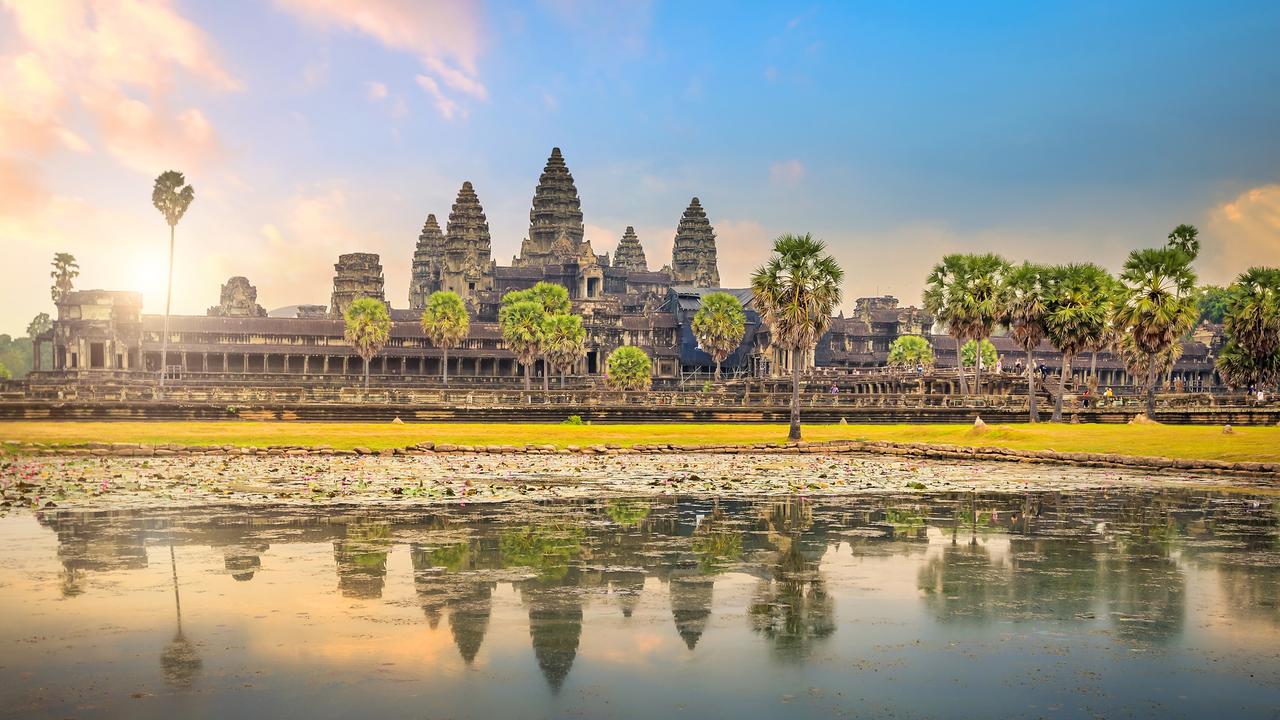
The Digital Temple: UX and UI as Structural Elements
In the modern market, the “front door” of the Brand Temple is often a mobile app or a website. Therefore, the design system (UI/UX) must be a direct reflection of the brand architecture. If your Brand Temple’s foundation is “Minimalism,” but your app is cluttered and difficult to navigate, you have a structural failure. Every line of code and every pixel on the screen should be viewed as a brick in the temple. When the brand strategy and the digital execution are perfectly aligned, the brand achieves “Salience”—it becomes unforgettable in the mind of the consumer.
In conclusion, “What’s a temple?” It is the difference between a business that merely sells products and a brand that commands devotion. By building a clear architecture of mission, strategy, and vision, companies can create a lasting legacy that survives market fluctuations and technological shifts. A brand is not just a logo; it is a sacred structure of trust, and the Brand Temple is the blueprint for its success.
aViewFromTheCave is a participant in the Amazon Services LLC Associates Program, an affiliate advertising program designed to provide a means for sites to earn advertising fees by advertising and linking to Amazon.com. Amazon, the Amazon logo, AmazonSupply, and the AmazonSupply logo are trademarks of Amazon.com, Inc. or its affiliates. As an Amazon Associate we earn affiliate commissions from qualifying purchases.