
The Disney Descendants franchise stands as one of the most successful examples of modern brand extension in the entertainment industry. By reimagining the offspring of classic villains, Disney created a multi-platform ecosystem spanning films, books, music, and merchandise. However, the brand faced its most significant challenge during the production of the animated special, Descendants: The Royal Wedding. The sudden passing of Cameron Boyce, who portrayed Carlos De Vil, created a profound vacuum.
In the world of brand strategy, the loss of a primary “face” of a franchise presents a complex crossroad. Disney’s decision regarding what happened to Carlos was not merely a narrative choice; it was a high-stakes branding maneuver. This article analyzes how Disney navigated this crisis, opting for a strategy of reverence over replacement, and what this teaches us about corporate identity, legacy management, and audience trust.
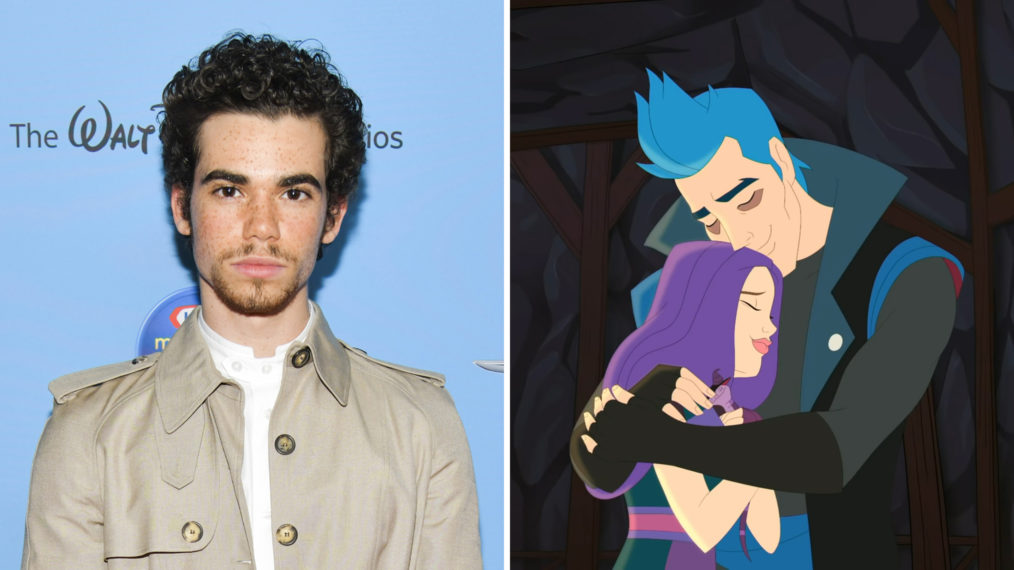
Navigating the Fragility of IP: The Brand Challenge of Losing a Lead
When a character becomes inseparable from the performer, the Intellectual Property (IP) becomes fragile. In the case of Carlos De Vil, the character was defined by Boyce’s unique charisma and physicality. For Disney, the brand was at risk: recasting could alienate a grieving fanbase, while ignoring the character would leave a glaring narrative hole that undermined the “core four” (Mal, Evie, Jay, and Carlos) brand pillar.
The Human Element in Character Brands
In modern marketing, character brands are often treated as static assets. However, in live-action-adjacent franchises, the brand is a synergy between the written IP and the human performer. Carlos was not just a son of Cruella de Vil; he was a symbol of growth and kindness within the Descendants brand. Disney recognized that to the audience, the actor was the brand. Attempting to pivot to a new actor would have signaled a “business-as-usual” corporate coldness that conflicted with Disney’s brand identity of magic and heart.
The Ethical Dilemma of Recasting
From a brand strategy perspective, recasting is often the “safe” financial choice to ensure continuity and merchandising opportunities. We see this in long-running franchises like James Bond or Marvel’s various iterations. However, Descendants was targeted at a demographic (Gen Z and Alpha) that prizes authenticity and emotional connection. A recast would have likely resulted in “brand rejection,” where the audience refuses to engage with the new version of the character, leading to a decline in franchise value. Disney’s choice to acknowledge the character’s absence reflected a sophisticated understanding of brand psychology.
The “Royal Wedding” Strategy: Preserving Brand Integrity Through Tribute
When Descendants: The Royal Wedding premiered, fans were looking for more than just a plot point—they were looking for a brand statement. Disney decided to address Carlos’s absence with a poignant tribute rather than a convoluted explanation. This move shifted the brand from a fictional narrative to a shared cultural moment.
Absence as a Narrative Tool
In the special, Carlos is not “gone” in a way that suggests he was written out due to lack of interest; instead, his presence is felt through the emotional reactions of the other characters. By using a beautiful animated tribute and acknowledging that his seat was empty at the wedding, Disney utilized the “power of the void.” This narrative tool reinforced the importance of the character (and the actor) to the brand’s history. It transformed Carlos from a present participant into a foundational legend of the franchise.

Honoring the Face of the Franchise
The decision to end the special with a tribute to Cameron Boyce was a masterclass in brand loyalty. By blurring the lines between the character Carlos and the actor Cameron, Disney signaled to its audience that it valued the people behind the IP. This creates “Brand Halo,” where the positive feelings toward the actor’s memory are transferred to the studio. It moved the conversation from “what happened to the character” to “how well the studio honored the legacy.”
Case Study: Disney’s Corporate Responsibility and Fan Loyalty
The management of the Carlos De Vil situation serves as a case study for corporate identity during a crisis. Disney is often viewed as a massive, profit-driven machine, but the handling of The Royal Wedding showcased a more empathetic side of the corporate brand.
Maintaining Audience Trust
Trust is the currency of any long-term brand. Had Disney used CGI or deep-fake technology to bring Carlos back for the wedding—a move that has become controversial in other franchises—they would have risked a massive backlash regarding the ethics of digital resurrection. By choosing to let the character rest, Disney prioritized long-term audience trust over short-term narrative convenience. This decision resonated deeply with fans, who felt their grief was being respected by the brand they supported.
The Long-term Impact on the Descendants Ecosystem
The Descendants brand has continued to evolve with the recent Rise of Red installment. Because Disney handled Carlos’s exit with such grace in The Royal Wedding, the franchise was able to move forward without a “dark cloud” of unresolved tension. The brand was allowed to heal. By addressing the loss head-on in 2021, the company cleared the path for future stories while ensuring that the original “core four” legacy remained untarnished. This is a critical lesson in brand lifecycle management: sometimes you must close a chapter with dignity to successfully start the next.
Lessons in Brand Legacy: How Modern Media Handles Real-World Tragedy
The situation with Carlos De Vil highlights a growing trend in how media brands handle real-world tragedy. In an era where actors are more accessible via social media, the bond between the audience and the performer is tighter than ever.
Future-Proofing Storylines
Brands must now consider “contingency branding.” While it is a somber topic, major studios are increasingly looking at how to protect the integrity of a story if a lead becomes unavailable. The Descendants model suggests that the best path is honesty and emotional resonance. Instead of trying to “fix” the plot, brands should lean into the reality of the situation. This creates a sense of “Brand Realism” that modern consumers appreciate.
The Balance of Commercialism and Compassion
There is always a tension between the need to monetize a brand and the need to show compassion. Disney’s Royal Wedding balanced this by releasing the special as an event that promoted the franchise while simultaneously acting as a memorial. This hybrid approach allowed the brand to stay relevant in the market while fulfilling a social and emotional obligation to its community.

Conclusion: The Enduring Value of Authenticity
What happened to Carlos in Descendants: The Royal Wedding was a deliberate choice to let a character’s story end alongside the actor who breathed life into him. From a brand strategy perspective, this was the most effective way to preserve the “Descendants” name. By choosing not to recast, Disney protected the brand’s authenticity, honored its most valuable asset—the connection with the audience—and ensured that the legacy of Carlos De Vil would remain a positive, unblemished part of the Disney canon.
In the end, the brand’s strength didn’t come from its ability to keep a character on screen indefinitely, but from its courage to say goodbye. For professionals in brand management and marketing, this serves as a reminder that at the heart of every successful IP is a human connection that must be protected at all costs.
aViewFromTheCave is a participant in the Amazon Services LLC Associates Program, an affiliate advertising program designed to provide a means for sites to earn advertising fees by advertising and linking to Amazon.com. Amazon, the Amazon logo, AmazonSupply, and the AmazonSupply logo are trademarks of Amazon.com, Inc. or its affiliates. As an Amazon Associate we earn affiliate commissions from qualifying purchases.