
Navigating the world of automotive finance can often feel like walking through a labyrinth of jargon, percentages, and fine print. For most consumers, the purchase of a vehicle represents the second-largest financial commitment they will make, trailing only the purchase of a home. Because of the scale of this investment, securing a favorable interest rate is not merely a matter of pride—it is a critical component of long-term financial health. A difference of just two or three percentage points can result in thousands of dollars saved or lost over the life of the loan.
Defining what constitutes a “good” interest rate is not a one-size-fits-all endeavor. It is a moving target influenced by macroeconomic shifts, your personal financial history, and the specific characteristics of the vehicle you intend to purchase. To secure the best deal, you must understand the mechanics of how lenders price risk and how you can position yourself as a low-risk borrower.
Understanding the Factors That Influence Your Car Loan Rate
Interest rates are, at their core, a price tag on risk. When a financial institution lends you money to buy a car, they are betting on your ability and willingness to pay that money back with interest. Several variables dictate how they calculate that risk and, consequently, what annual percentage rate (APR) they offer you.
The Crucial Role of Credit Scores
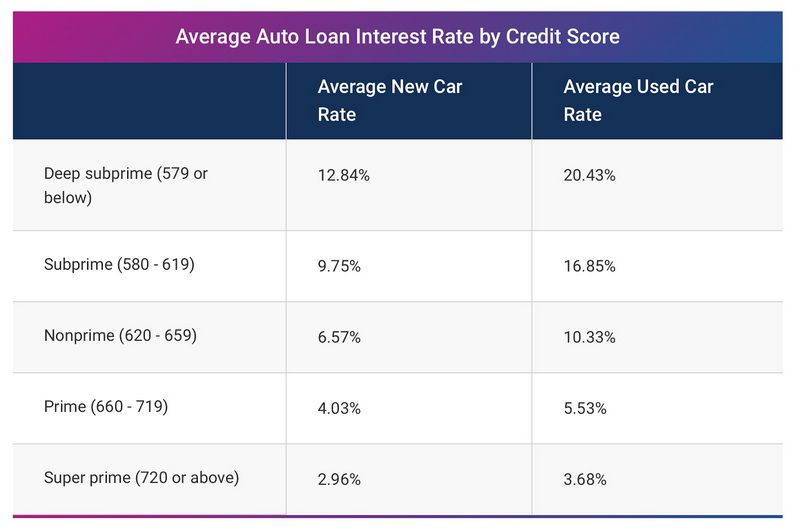
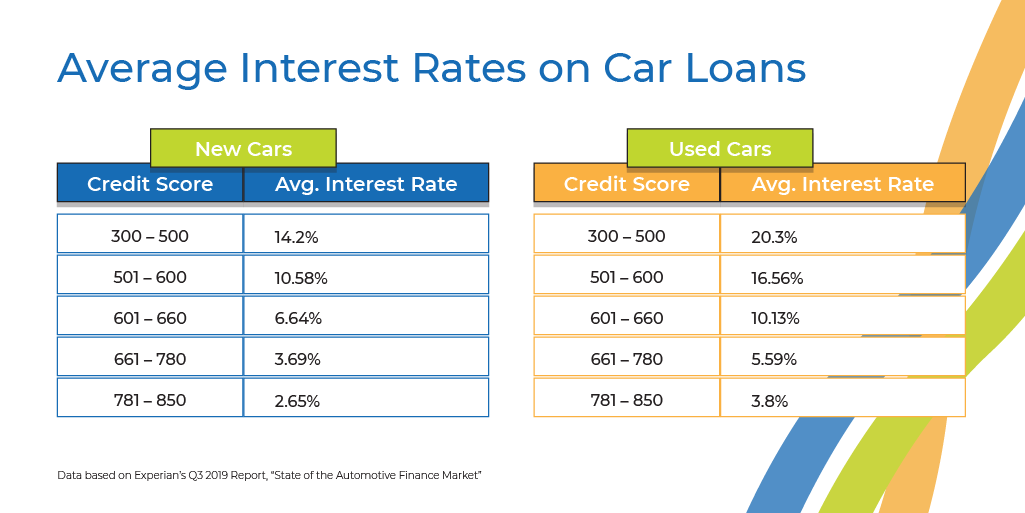
Your credit score is the single most influential factor in determining your interest rate. Lenders typically categorize borrowers into “tiers” based on their FICO or VantageScore. Those in the “Super Prime” category (scores of 780 to 850) generally receive the lowest rates available in the market. “Prime” borrowers (660 to 779) still receive competitive offers, while “Non-prime,” “Subprime,” and “Deep Subprime” borrowers (scores below 660) face significantly higher rates to offset the perceived risk of default.
For example, while a Super Prime borrower might be offered a 5% rate on a new car, a Subprime borrower might see offers exceeding 15% or 20% for the same vehicle. Over a five-year loan, this discrepancy can double the total amount of interest paid, illustrating why credit health is the foundation of affordable vehicle financing.
Loan Term Length and Its Impact
The duration of your loan—the “term”—also plays a vital role. In recent years, the average car loan term has stretched to 72 or even 84 months as consumers attempt to lower their monthly payments in the face of rising vehicle prices. However, from a financial perspective, longer terms are usually more expensive.
Lenders view longer terms as higher risk because the future is unpredictable; the longer the loan, the more time there is for a borrower’s financial situation to change. Furthermore, vehicles depreciate rapidly, and with a long-term loan, the borrower is more likely to become “upside down” (owing more than the car is worth). Consequently, a 36-month loan will almost always carry a lower interest rate than a 72-month loan.
New vs. Used Vehicles
Generally, interest rates for new cars are lower than those for used cars. This may seem counterintuitive since a new car is more expensive, but new cars act as better collateral. They have higher resale values, are easier for lenders to value accurately, and are often supported by “captive lenders”—the financial arms of the manufacturers themselves (like Toyota Financial Services or Ford Credit). These captive lenders often offer promotional rates, such as 0% or 1.9% APR, to incentivize the sale of new inventory, a luxury rarely afforded to the used car market.
What Defines a “Good” Rate in the Current Market?
Because interest rates are tied to the broader economy, what was considered a “good” rate three years ago may be non-existent today. Interest rates are heavily influenced by the Federal Reserve’s federal funds rate. When the Fed raises rates to combat inflation, the cost of borrowing for banks goes up, and those costs are passed down to consumers in the form of higher APRs on car loans, mortgages, and credit cards.
Benchmarking Against Market Averages
To determine if an offer is “good,” you must compare it against current national averages for your specific credit tier. As of the current economic climate, a “good” rate for a new car for someone with excellent credit typically falls between 5% and 7%. For used cars, a good rate for the same credit profile might range from 6% to 9%.
If your credit is in the “fair” range (600-660), a good rate might be anywhere from 10% to 12%. While these numbers might seem high compared to the historic lows of the previous decade, they represent the “market rate” in a high-interest environment. A rate is objectively “good” if it sits at or below the median for your credit score and the type of vehicle you are financing.
The Influence of Economic Cycles
It is essential to recognize that “good” is relative to the timing of your purchase. During periods of economic stimulus, manufacturers may offer 0% financing to move units. In these scenarios, a “good” rate is nothing less than 0%. In a restrictive monetary environment, however, if the average prime rate is 8% and you secure a loan for 6.5%, you have successfully navigated the market to find a “good” rate.
Strategic Navigation: How to Secure the Best Possible Financing
Securing a favorable interest rate requires proactive management of your financial profile and a willingness to shop around. Relying solely on the dealership’s finance office is one of the most common mistakes buyers make, as dealerships often add a “markup” to the interest rate provided by their partner lenders as a commission for facilitating the loan.
Comparison Shopping and Pre-approval
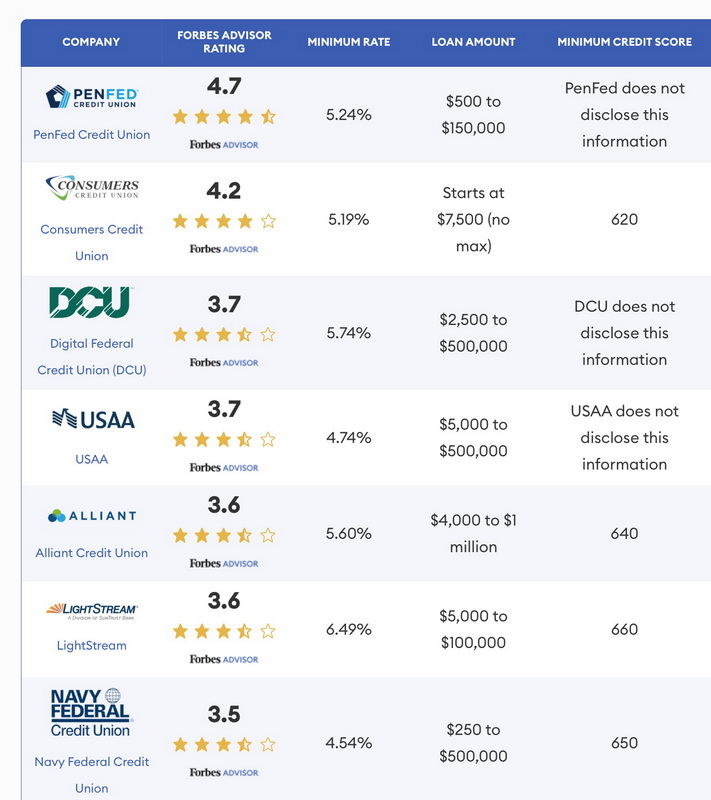
The most effective tool in your financial arsenal is the pre-approval. Before setting foot on a car lot, visit your local bank or credit union. Credit unions, being member-owned non-profits, frequently offer interest rates that are 1% to 2% lower than national banks or dealerships.
Having a pre-approval letter in hand serves two purposes: it gives you a “ceiling” on your interest rate, and it provides leverage. If the dealership wants your financing business, they will have to beat the rate your credit union already offered you. This forces transparency and competition, which almost always benefits the consumer.
Improving Your Financial Profile
If you find that your quoted interest rates are higher than you expected, it may be worth delaying your purchase to improve your financial standing. Small adjustments can yield significant results:
-
Reduce Credit Utilization: Paying down credit card balances can quickly boost your credit score.
-
Fix Errors: Check your credit report for inaccuracies that might be dragging your score down.
-
Increase Down Payment: A larger down payment reduces the “loan-to-value” (LTV) ratio. Lenders are more likely to offer lower rates when you have “skin in the game” and the loan amount is significantly less than the vehicle’s value.
The Mathematical Reality of Long-Term Loans
When assessing whether a rate is good, you must look beyond the APR and the monthly payment to the total interest paid over the life of the loan. This is where the true cost of the car is revealed.
Consider a $35,000 loan. At a 5% interest rate over 60 months, you will pay approximately $4,630 in interest. If that rate increases to 10%—perhaps because of a lower credit score or a lack of shopping around—the interest paid jumps to over $9,600. That $5,000 difference is capital that could have been invested in a retirement account or used for other financial goals.
Furthermore, the “monthly payment trap” is a common hurdle. Dealers often focus the conversation on what you can afford per month. By extending the term to 84 months, they can offer a lower monthly payment even with a higher interest rate. While the monthly budget might feel comfortable, the total interest paid skyrockets, and the risk of being “underwater” on the loan increases. A good interest rate is only “good” if it is paired with a sensible loan term.
Final Considerations for the Savvy Borrower
Ultimately, a good interest rate for a car loan is the lowest one for which you qualify based on the current market and your financial history. It is a figure that should be evaluated in the context of your total financial picture.
Always keep an eye on the “Total Sale Price” on your Truth in Lending Disclosure. This figure represents the sum of all payments you will make, including the principal and the interest. If that number is significantly higher than the car’s sticker price, it’s a signal to re-evaluate the deal.
In the world of personal finance, information is the most valuable currency. By knowing your credit score, understanding market benchmarks, and arriving at the dealership with a pre-approval from a third-party lender, you transition from a passive buyer to an empowered negotiator. Securing a good interest rate isn’t just about saving money today; it’s about preserving your purchasing power for the future.
aViewFromTheCave is a participant in the Amazon Services LLC Associates Program, an affiliate advertising program designed to provide a means for sites to earn advertising fees by advertising and linking to Amazon.com. Amazon, the Amazon logo, AmazonSupply, and the AmazonSupply logo are trademarks of Amazon.com, Inc. or its affiliates. As an Amazon Associate we earn affiliate commissions from qualifying purchases.