
The word “gemstone” conjures images of dazzling brilliance, coveted rarity, and immense value. From the fiery heart of a ruby to the cool depths of a sapphire, these precious minerals have captivated humanity for millennia, adorning royalty, signifying commitment, and representing fortunes. But beyond their aesthetic allure, what truly defines a gemstone? And how do the principles of technology, branding, and finance, the very cornerstones of this website’s focus, intersect with the world of these captivating treasures?
While a geologist might focus on crystalline structures and chemical compositions, for the everyday consumer and investor, the definition of a gemstone is far more nuanced. It’s a fascinating interplay of natural beauty, human perception, and market forces. In essence, a gemstone is a mineral or organic material that, in its cut and polished form, is beautiful, durable, and rare enough to be used in jewelry and other adornments. However, this seemingly simple definition opens a Pandora’s Box of considerations, particularly when we consider how we categorize, market, and ultimately value these precious objects in today’s world.
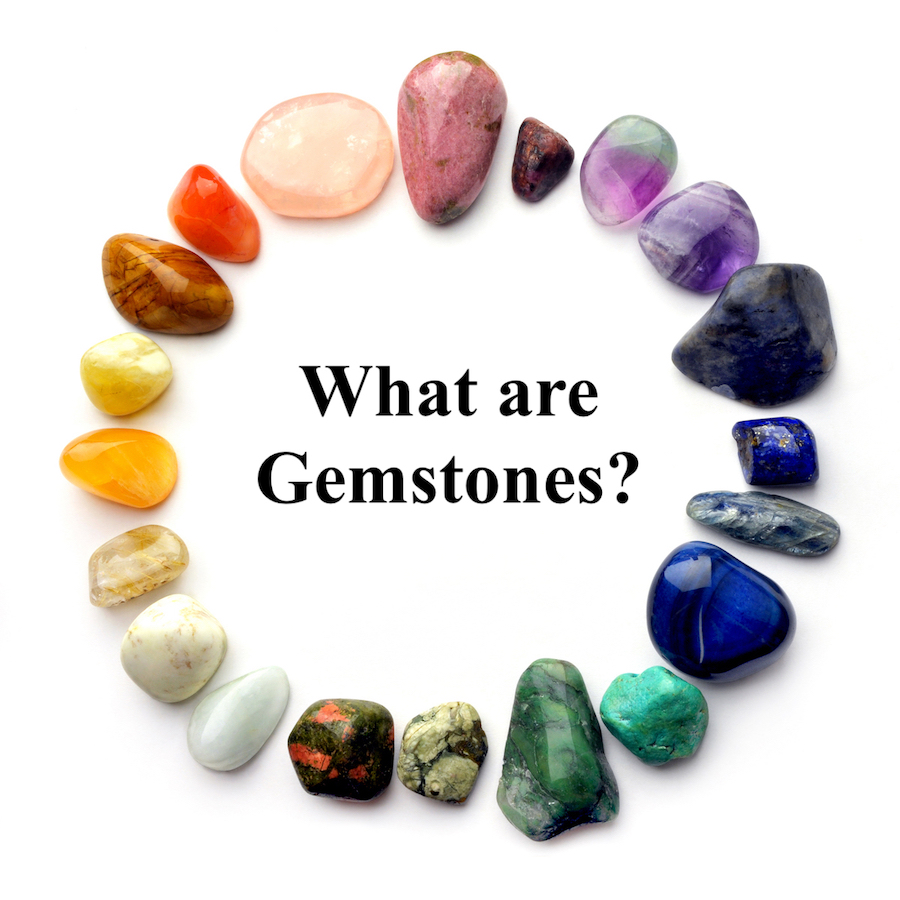
Unearthing the Essence: The Core Attributes of a Gemstone
At its most fundamental level, a gemstone is defined by a combination of intrinsic qualities. These are the bedrock upon which its desirability and value are built, and understanding them is crucial before we even begin to explore how technology, branding, and money influence our perception and acquisition of them.
Beauty: The Allure of Color, Clarity, and Cut
Beauty is, of course, subjective, but in the realm of gemstones, there are widely accepted parameters that contribute to their visual appeal.
Color: The Spectrum of Desire
Color is often the most immediate and striking characteristic of a gemstone. The vibrant reds of rubies, the deep blues of sapphires, the verdant greens of emeralds – these hues are not accidental. They are the result of trace elements and impurities within the mineral’s crystal lattice, which absorb certain wavelengths of light and reflect others. The intensity, hue, and tone of a color significantly impact a gemstone’s value. A well-saturated, pure color is generally more desirable than a washed-out or muddy one. Think of the legendary Padparadscha sapphire, a rare pinkish-orange gem whose unique color fetches astronomical prices due to its scarcity and breathtaking beauty. The technology of gemological analysis, utilizing tools like refractometers and spectoscopes, allows for precise identification and grading of color, moving beyond subjective opinion to objective measurement.
Clarity: The Dance of Light Within
Clarity refers to the absence of internal inclusions and external blemishes. Inclusions are natural imperfections, such as tiny crystals or fractures, trapped within the gemstone during its formation. While some inclusions can be aesthetically pleasing and even serve as diagnostic features to identify a gem’s origin, the general rule in the gem trade is that greater clarity leads to greater brilliance and higher value. Flawless or near-flawless stones are exceptionally rare and command premium prices. The way light interacts with the internal structure of a gem is paramount. The precision of modern cutting techniques, often aided by sophisticated laser technology, aims to maximize brilliance and minimize the visibility of any imperfections, further enhancing the perceived beauty.
Cut: The Art of Revealing Radiance
The cut of a gemstone is arguably the most crucial factor in bringing out its inherent beauty. It’s not just about shaping the stone, but about meticulously calculating angles and facets to optimize how light enters, reflects, and exits the gem. A well-cut diamond, for instance, will exhibit exceptional sparkle, fire (dispersion of white light into spectral colors), and scintillation (play of light as the gem is moved). Gem cutters today employ advanced software and laser cutting tools, pushing the boundaries of precision to create breathtaking cuts that maximize a stone’s potential. The traditional round brilliant cut remains popular, but innovative cuts like the emerald cut, pear shape, and cushion cut offer unique aesthetic appeals, catering to diverse tastes. The skill of the cutter, combined with technological advancements, transforms a rough mineral into a dazzling jewel.
Durability: The Resilience of Nature’s Treasures
Beyond beauty, a gemstone must possess a certain degree of durability to withstand the rigors of everyday wear. This is measured by two key properties: hardness and toughness.
Hardness: Resisting the Scratch
Hardness refers to a mineral’s resistance to scratching. The Mohs scale of hardness, a ranking system developed by German geologist Friedrich Mohs, is the standard for measuring this property. Diamonds, at a perfect 10 on the Mohs scale, are the hardest naturally occurring substance, making them incredibly resistant to scratching. Other popular gemstones like sapphires and rubies score 9, while emeralds come in at around 7.5 to 8. A gemstone’s hardness determines its suitability for different types of jewelry. For instance, a softer gem might be perfect for earrings or pendants, which are less likely to experience abrasion, but less ideal for engagement rings that are worn daily.
Toughness: Withstanding the Impact
Toughness, on the other hand, refers to a gemstone’s resistance to chipping, cracking, or breaking. While a diamond is extremely hard, it can be cleaved along certain planes, meaning it can be broken with a sharp blow. Some gemstones, like opal, are relatively soft and also prone to cracking due to their internal structure. Jadeite, for example, is known for its exceptional toughness, making it ideal for carved objects and jewelry that might be subject to impact. Understanding toughness is vital for both the jeweler and the wearer, influencing how a gemstone is set and cared for.
Rarity: The Scarcity that Drives Desire
The adage “rarity breeds desire” holds profoundly true in the world of gemstones. The less common a gemstone is, the more sought after it tends to be, and consequently, the higher its value.
Natural Scarcity: The Earth’s Gifts
The formation of many gemstones requires very specific geological conditions, occurring over vast periods of time. This inherent geological scarcity is a primary driver of value. Diamonds, formed under immense pressure and heat deep within the Earth, are found in relatively few locations. Emeralds are notoriously difficult to mine in large, high-quality specimens. Even within a known gemstone species, certain colors or formations can be exponentially rarer. The discovery of significant new gemstone deposits can impact market prices, but generally, the supply of high-quality natural gemstones is finite.
Perceived Rarity: The Power of Marketing and Branding
Beyond geological rarity, perceived rarity plays a significant role, heavily influenced by branding and marketing efforts. A gemstone that is effectively marketed as exclusive, prestigious, or culturally significant can achieve a higher market value, even if its natural availability isn’t as limited as other gems. Brands that cultivate an aura of luxury and heritage around certain stones can command premium prices, leveraging the psychological impact of perceived exclusivity. This is where the principles of branding become intrinsically linked to gemstone value.
Gemstones in the Digital Age: Technology’s Transformative Influence
The traditional world of gemstones, often associated with hushed auction rooms and expert appraisals, is being profoundly reshaped by technological advancements. From how we discover, verify, and even create gemstones, technology is democratizing access, enhancing transparency, and opening up new avenues for innovation.
The Tech Behind Transparency and Trust
In an industry where authenticity is paramount, technology is providing unprecedented tools for verification and trust.
Blockchain and Digital Certificates: Securing Provenance
The gemstone industry has historically been plagued by issues of fraud and misrepresentation. Blockchain technology offers a revolutionary solution. By creating immutable, decentralized digital ledgers, blockchain can record every step of a gemstone’s journey, from its origin to its sale. This includes details about its mining, grading, treatment, and ownership. Digital certificates of authenticity, secured by blockchain, provide irrefutable proof of a gemstone’s provenance, significantly reducing the risk of counterfeit or misrepresented stones. This technological innovation builds consumer confidence and safeguards the integrity of the market.
AI and Machine Learning: Enhancing Gemstone Identification and Grading
Artificial intelligence (AI) and machine learning are rapidly transforming gemological laboratories. AI-powered microscopes and imaging systems can analyze a gemstone’s internal structure and external characteristics with incredible speed and accuracy, often surpassing human capabilities. These systems can identify synthetic stones, detect treatments, and even grade color and clarity with remarkable consistency. This not only speeds up the grading process but also improves accuracy, leading to more reliable valuations and greater consumer protection. Imagine an AI system that can instantly differentiate a natural diamond from a lab-grown one with near-perfect accuracy – this is becoming a reality.
The Rise of Lab-Grown Gemstones: A New Frontier
Advancements in technology have enabled the creation of gemstones in laboratory settings that are chemically and physically identical to their natural counterparts.
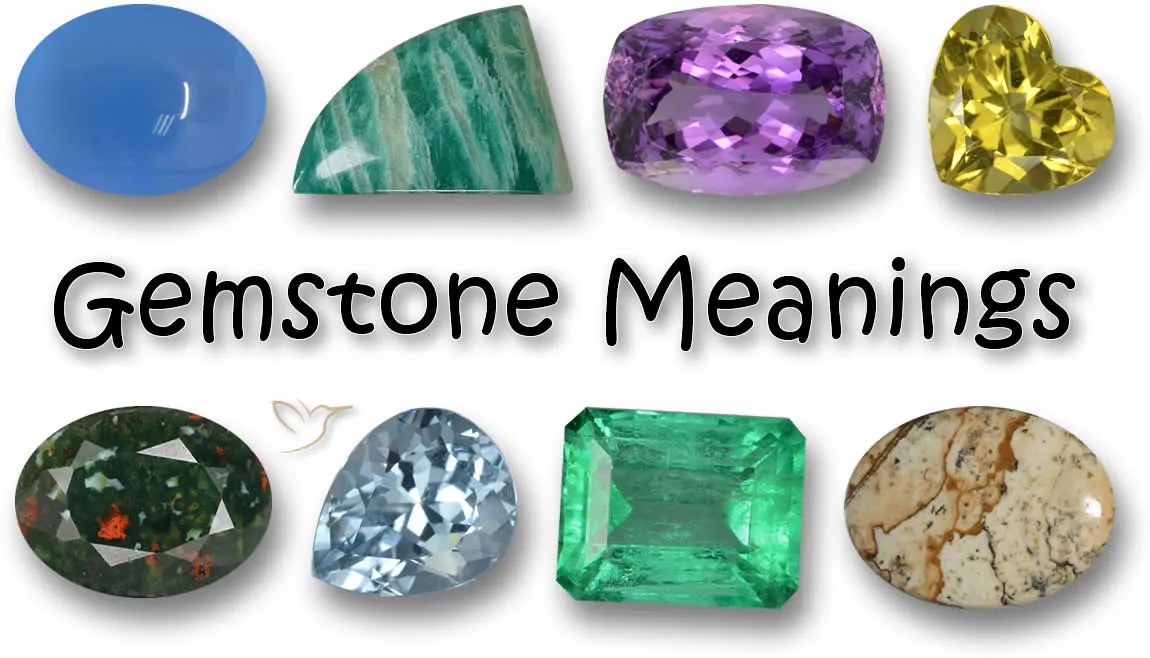
Creating Gemstones: Precision Engineering
Lab-grown diamonds, sapphires, and emeralds are produced using sophisticated techniques like Chemical Vapor Deposition (CVD) and High-Pressure High-Temperature (HPHT) methods. These processes mimic the Earth’s natural conditions to grow high-quality crystals. Lab-grown gemstones offer a more affordable and ethically sourced alternative to natural stones, appealing to a growing segment of environmentally conscious and budget-aware consumers. The technology behind their creation is a testament to human ingenuity.
The Market Impact: Competition and Choice
The increasing availability of lab-grown gemstones is creating a dynamic shift in the market. While natural gemstones still command a premium due to their rarity and perceived prestige, lab-grown options are democratizing access to beautiful stones. This competition is forcing a re-evaluation of value propositions and prompting consumers to consider their priorities – be it the romance of a natural origin or the affordability and ethical implications of a lab-created gem. The marketing and branding around these stones are crucial in defining their place in the market.
Branding and Marketing: Shaping the Perception of Gemstone Value
In a world saturated with choices, the way a gemstone is presented and marketed is as critical as its intrinsic qualities. Branding plays a pivotal role in elevating a gemstone from a mere mineral to a symbol of status, love, or personal expression.
Crafting an Identity: From Mine to Market
The journey of a gemstone from its raw state to a finished piece of jewelry is a story that can be powerfully told through branding.
Storytelling and Heritage: The Power of Narrative
Successful gemstone brands don’t just sell stones; they sell stories. The history of a mine, the craftsmanship of a cutter, the inspiration behind a design – all these elements contribute to a compelling narrative. Brands that tap into heritage, exclusivity, and emotional connection resonate deeply with consumers. Think of the enduring appeal of brands associated with iconic diamonds or the rich cultural traditions linked to specific gemstones in different parts of the world. This storytelling is amplified through digital marketing channels, reaching wider audiences with compelling visual and written content.
Personal Branding for Gemstone Professionals
Beyond corporate branding, individual gemologists, designers, and dealers can leverage personal branding to establish credibility and trust. A strong personal brand built on expertise, integrity, and a unique perspective can attract clients and differentiate oneself in a competitive market. Sharing knowledge through blogs, social media, and educational content establishes authority and fosters genuine connections.
Marketing Channels: Reaching the Modern Consumer
The channels through which gemstones are marketed have evolved dramatically, embracing both traditional and digital avenues.
E-commerce and Online Marketplaces: Global Reach
Online platforms have revolutionized gemstone sales, allowing buyers and sellers to connect globally. From dedicated e-commerce websites of luxury jewelers to large online marketplaces, the digital space offers unparalleled accessibility. High-quality photography, detailed product descriptions, and secure payment systems are crucial for success in this arena. The ability to virtually “try on” jewelry using augmented reality (AR) is also becoming increasingly popular, bridging the gap between online browsing and physical purchase.
Social Media: Visual Appeal and Engagement
Social media platforms like Instagram and Pinterest are perfectly suited for showcasing the visual splendor of gemstones. Engaging content, user-generated testimonials, and influencer collaborations can create buzz and drive traffic to sales channels. Brands can build communities around their products, fostering loyalty and encouraging word-of-mouth marketing.
The Financial Dimension: Investing in Gemstones
Gemstones, particularly rare and high-quality ones, have long been considered a form of investment. Understanding the financial aspects of gemstones requires considering market trends, valuation, and the potential for capital appreciation.
Valuing the Unseen: Factors Influencing Gemstone Prices
The price of a gemstone is not a static figure but a dynamic reflection of multiple factors.
The 4 Cs and Beyond: A Holistic Valuation
While the “4 Cs” (Carat, Color, Clarity, Cut) are fundamental to diamond valuation, for other gemstones, additional factors come into play. These include the gemstone’s origin, the presence of treatments, its rarity, and market demand. Gemological reports from reputable laboratories are essential for establishing a gemstone’s objective value. The financial tools and platforms used for tracking commodity prices can also be applied to track the trends in gemstone markets.
Investment Potential: A Tangible Asset
Unlike stocks or bonds, gemstones are tangible assets. They can be held, admired, and passed down through generations. For some investors, this physical presence provides a sense of security. However, it’s crucial to recognize that gemstone investments are not without risk. Market fluctuations, liquidity issues, and the need for specialized knowledge can impact returns. Diversifying an investment portfolio with a small allocation to high-quality gemstones can be a strategic move for some.
The Economics of Supply and Demand
The fundamental economic principles of supply and demand dictate gemstone prices.
Scarcity and Market Volatility
As discussed, the inherent rarity of many gemstones creates a supply constraint. When demand for a particular stone increases – perhaps due to a celebrity endorsement or a trending color – prices can surge. Conversely, a significant discovery of new deposits can lead to a price decrease. Understanding these market dynamics is crucial for anyone considering gemstones as an investment. Financial news and analysis of global commodity markets can offer insights into the broader economic forces that influence gemstone prices.
The Role of Online Income and Side Hustles in Gemstone Acquisition
For individuals looking to acquire gemstones, understanding online income and side hustle opportunities can be instrumental. Whether it’s leveraging skills in online marketing to promote gemstone jewelry or seeking out wholesale opportunities to acquire stones at better prices, exploring these avenues can make gemstone ownership more accessible. For example, a graphic designer might create compelling product imagery for an online jewelry store as a side hustle, earning income that can then be allocated towards acquiring beautiful gemstones.
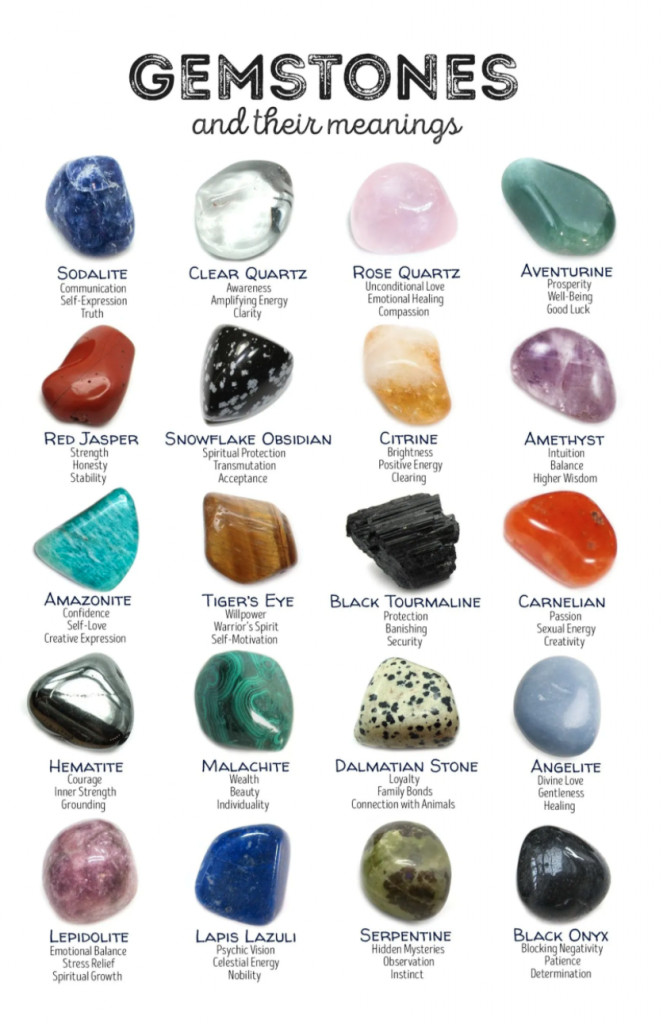
Conclusion: Gemstones as a Convergence of Nature, Innovation, and Value
The question “what’s a gemstone” transcends a simple geological definition. It’s a complex tapestry woven from the threads of natural beauty, human ingenuity, and economic forces. Technology is democratizing access and enhancing transparency, while branding and marketing are shaping our desires and perceptions of value. And at the heart of it all lies the financial aspect – the enduring appeal of gemstones as both adornment and a tangible asset.
As we navigate the modern world, understanding the interplay between technology, brand, and money is essential to truly appreciating the multifaceted nature of gemstones. They are not just pretty stones; they are objects imbued with history, scientific marvel, and significant economic potential, constantly evolving in how we discover, define, and value them. Whether you’re a collector, an investor, or simply someone who appreciates their beauty, the world of gemstones offers a fascinating glimpse into the enduring allure of precious materials in a rapidly changing global landscape.
aViewFromTheCave is a participant in the Amazon Services LLC Associates Program, an affiliate advertising program designed to provide a means for sites to earn advertising fees by advertising and linking to Amazon.com. Amazon, the Amazon logo, AmazonSupply, and the AmazonSupply logo are trademarks of Amazon.com, Inc. or its affiliates. As an Amazon Associate we earn affiliate commissions from qualifying purchases.