
The allure of knowing “what the stock market will do tomorrow” is an irresistible siren song for investors, speculators, and even casual observers. The promise of an early insight, a guaranteed tip, or a prescient forecast holds the tantalizing possibility of instant wealth or the avoidance of significant loss. Yet, for all its magnetism, this quest for daily prediction is largely futile, often misleading, and ultimately counterproductive to sound financial planning. This article delves into why predicting short-term market movements is a fool’s errand, explores the genuine drivers of market volatility, and, most importantly, outlines robust strategies for navigating the financial markets with a focus on long-term wealth creation rather than speculative guesswork.
The Futility of Predicting Tomorrow’s Market
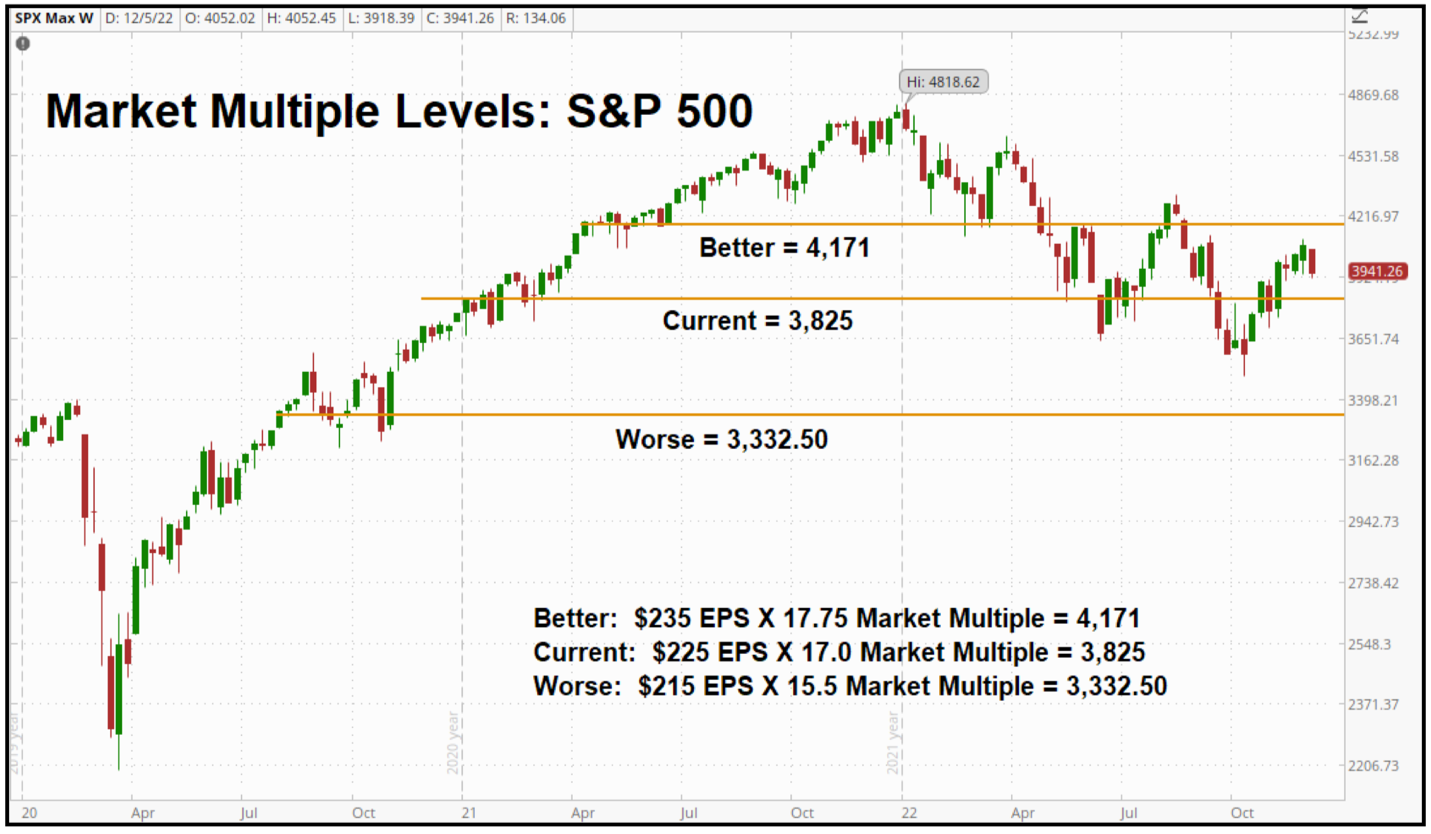
At its core, the stock market is a complex adaptive system influenced by an almost infinite number of variables, many of which are unpredictable. Economic data, corporate news, geopolitical events, technological breakthroughs, and collective human psychology all converge to create a constantly shifting landscape.
The Random Walk Hypothesis and Market Efficiency
One of the most foundational theories in finance, the Efficient Market Hypothesis (EMH), suggests that stock prices fully reflect all available information. In its strong form, it implies that it’s impossible to consistently “beat the market” using any information, public or private. While the strong form is debated, the semi-strong form suggests that all publicly available information is already factored into stock prices. This leads to the concept of a “random walk,” where future price movements are independent of past movements and, therefore, inherently unpredictable. If all known information is already priced in, then tomorrow’s market movement can only be driven by new, unexpected information. By definition, unexpected events cannot be predicted.
The Siren Song of Daily Speculation
The media, financial news outlets, and an entire industry of market commentators thrive on dissecting daily market movements and speculating on future ones. While these analyses can be engaging and provide context, they often feed into the human desire for certainty and the thrill of speculation. Traders who attempt to profit from daily fluctuations engage in a zero-sum game, often relying on technical analysis (chart patterns, indicators) to guess short-term trends. While some find success, the vast majority of retail day traders lose money, proving the extreme difficulty and high risk associated with daily prediction. The psychological toll of constantly monitoring market swings and making rapid decisions under pressure is also immense.
Why Experts Get It Wrong (Often)
Even the most seasoned economists, market strategists, and fund managers, equipped with sophisticated models and vast resources, frequently miscall short-term market direction. There are countless examples of prominent forecasters being wildly off the mark, sometimes spectacularly so. This isn’t a critique of their intelligence but rather an acknowledgment of the inherent unpredictability of the market. They are dealing with probabilities, not certainties, and the confluence of factors at play often defies even the most rigorous analysis. Their value lies not in daily predictions but in their ability to analyze macro trends, interpret data, and manage risk over longer horizons.
Unpacking the Drivers of Daily Market Volatility
While predicting the exact direction of tomorrow’s market is impossible, understanding the types of factors that influence daily movements is crucial for informed investing. These elements create the “noise” that short-term speculators try to exploit but which long-term investors learn to filter.
Economic Indicators and Data Releases
Major economic reports can significantly sway market sentiment. Key indicators include:
-
Gross Domestic Product (GDP): The overall health of the economy.
-
Inflation Reports (CPI, PPI): Consumer and producer price indexes influence interest rate expectations.
-
Employment Data: Non-farm payrolls, unemployment rates reflect labor market strength.
-
Manufacturing and Services PMIs: Purchasing Managers’ Index surveys provide insights into business activity.
-
Retail Sales: Indicates consumer spending, a major component of economic growth.
Unexpected deviations from consensus forecasts in these reports can trigger immediate market reactions.
Corporate Earnings and Announcements
Individual company news has a profound impact, especially on the stock of that company and its sector.
-
Quarterly Earnings Reports: Companies’ financial performance, outlook, and guidance.
-
Mergers and Acquisitions (M&A): Deals can create value or uncertainty.
-
Product Launches and Innovation: Can signal future growth or competitive shifts.
-
Regulatory Rulings or Legal Troubles: Can impose significant costs or restrictions.
A single major company’s earnings miss or beat, particularly from a market-leading firm, can have ripple effects across broader indices.
Geopolitical Events and Global News
Events far removed from economic reports can suddenly inject volatility into markets.
-
Wars and Conflicts: Create uncertainty, impact supply chains, and alter commodity prices.
-
Trade Agreements or Disputes: Affect international commerce and corporate profitability.
-
Political Instability: Elections, coups, or policy shifts can create perceived risk.
-
Natural Disasters and Pandemics: Can disrupt economies, supply chains, and consumer behavior.
These events are often “black swans”—unpredictable, high-impact occurrences that no model can consistently foresee.
Investor Sentiment and Market Psychology
Beyond concrete data, the collective mood of investors plays a huge role.
-
Fear and Greed: These powerful emotions can lead to irrational buying (greed driving bubbles) or selling (fear driving crashes).
-
Herd Mentality: Investors often follow the crowd, exacerbating trends.
-
Technical Trading: While not a fundamental driver, patterns identified by technical analysts can become self-fulfilling prophecies as traders react to them.
Sentiment gauges, such as the VIX (volatility index) or surveys of investor confidence, attempt to capture this elusive factor.
Central Bank Policies and Interest Rates
Central banks, like the U.S. Federal Reserve, are powerful market movers.
-
Interest Rate Decisions: Hikes or cuts affect borrowing costs, corporate profits, and investment appeal.
-
Quantitative Easing/Tightening: Large-scale asset purchases or sales impact liquidity.
-
Forward Guidance: Central bank communication about future policy intentions can preemptively shift market expectations.
Statements from central bank officials are dissected for any hint of future policy shifts, which can immediately affect bond yields, currency values, and stock prices.
Navigating the Noise: Practical Approaches for Investors
Given the inherent unpredictability of short-term market movements, a robust investment strategy pivots away from prediction and towards principles of risk management, diversification, and long-term thinking.
Embrace a Long-Term Investment Horizon
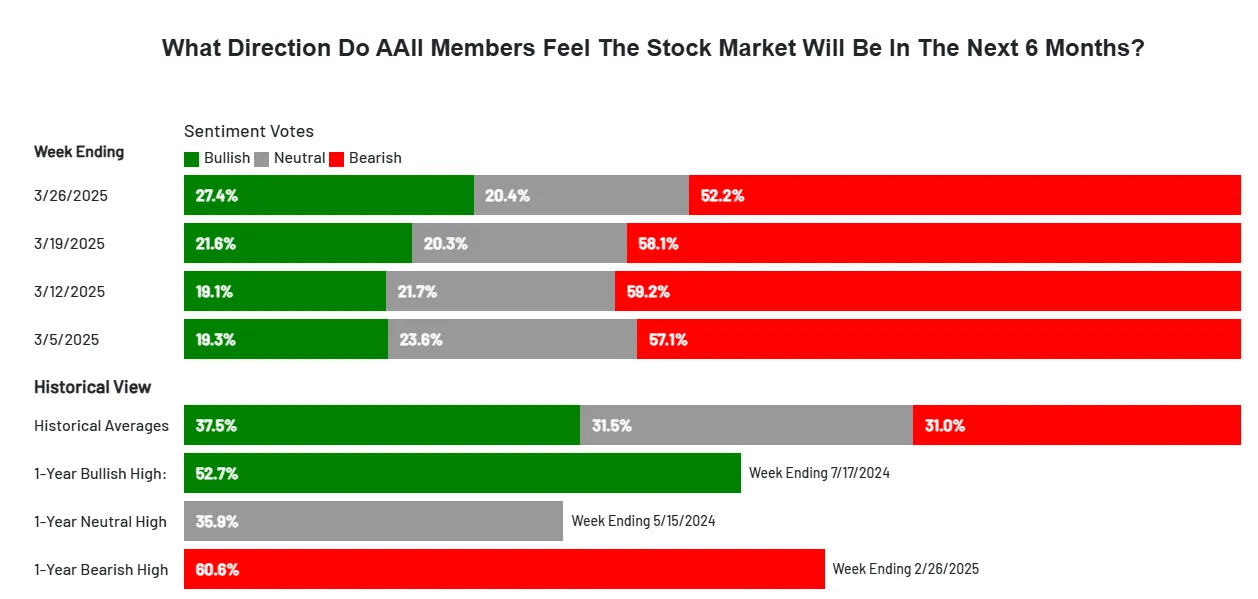
This is arguably the most crucial principle. For the vast majority of investors, the goal is wealth accumulation over years, not days. Over extended periods, the stock market has historically generated positive returns, overcoming numerous short-term crises and corrections. By focusing on the long term, daily fluctuations become mere “noise” rather than alarming signals requiring immediate action.
The Power of Diversification
Diversification is the cornerstone of risk management. By spreading your investments across different asset classes (stocks, bonds, real estate), geographies, industries, and company sizes, you reduce the impact of any single poor-performing asset or sector. While diversification doesn’t guarantee profits or protect against loss in a universally down market, it mitigates the risk of catastrophic losses from specific events or individual stock failures.
Dollar-Cost Averaging: Smoothing Out Volatility
Instead of trying to “time the market” by buying low and selling high, dollar-cost averaging involves investing a fixed amount of money at regular intervals (e.g., monthly contributions to a retirement account). This strategy means you buy more shares when prices are low and fewer shares when prices are high, effectively averaging out your purchase price over time. It removes emotion from the investment process and capitalizes on market fluctuations without requiring prediction.
Rebalancing Your Portfolio Strategically
Over time, different assets in your portfolio will perform better or worse, shifting your desired asset allocation. Rebalancing involves periodically selling some of your outperforming assets and buying more of your underperforming ones to restore your original target allocation. This forces you to “sell high” and “buy low” systematically, albeit without conscious prediction, and ensures your portfolio’s risk level remains consistent with your goals.
Avoid Emotional Decision-Making
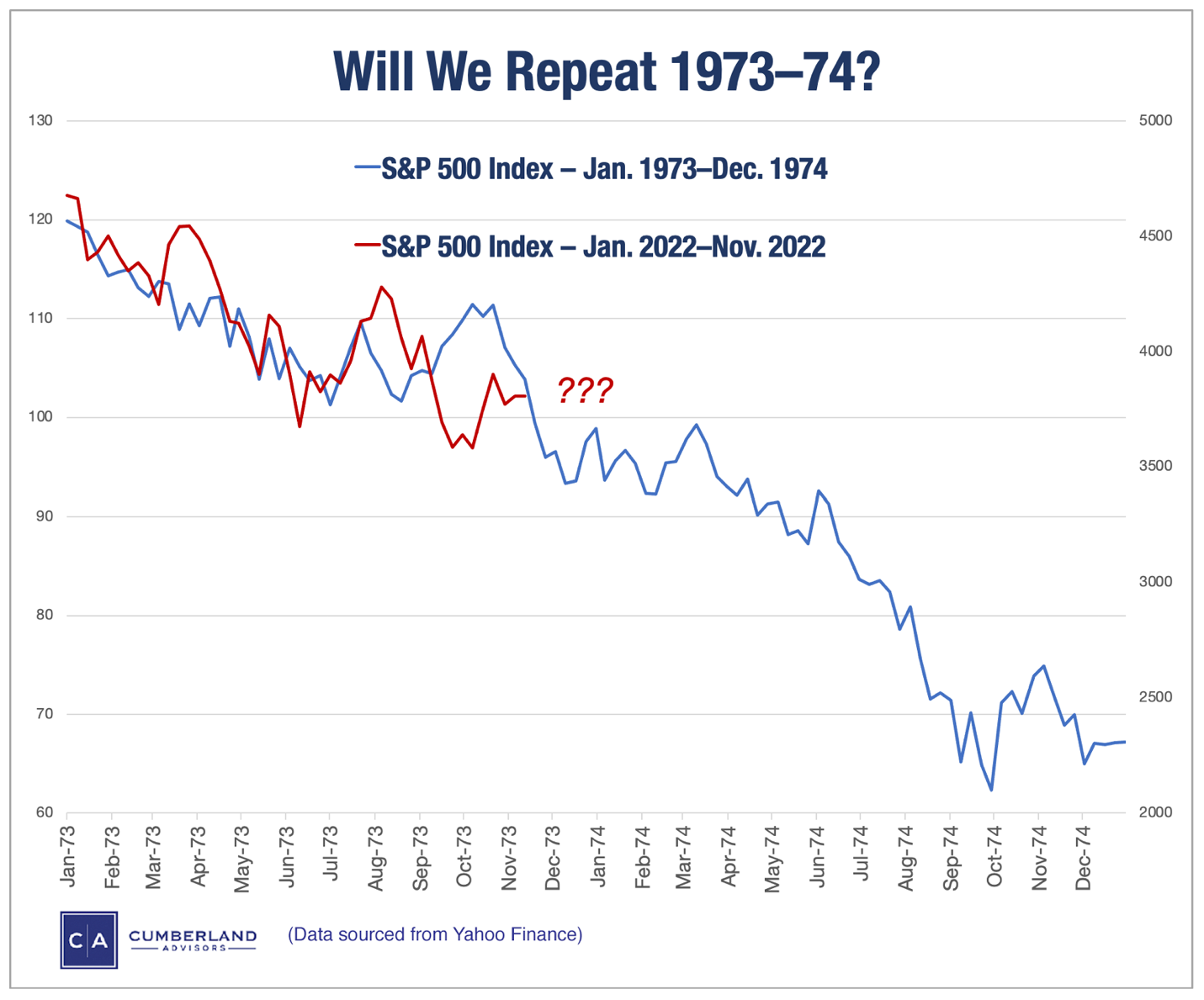
Fear and greed are an investor’s worst enemies. Panicking during market downturns and selling at the bottom locks in losses, while getting overly confident during bull markets can lead to irrational exuberance and excessive risk-taking. Develop a disciplined investment plan and stick to it, resisting the urge to make impulsive decisions based on headlines or daily price movements. True investing is often boring; excitement usually signals danger.
Beyond Tomorrow: Cultivating a Long-Term Investment Mindset
The real work of successful investing isn’t about tomorrow’s opening bell, but about understanding fundamentals, managing risk, and maintaining perspective.
Focus on Fundamental Analysis
Instead of predicting price movements, focus on understanding the underlying value of the assets you own or are considering. For stocks, this means researching a company’s financial health, management quality, competitive advantages, industry trends, and growth prospects. A strong underlying business will, over time, generally reflect its value in its stock price, regardless of short-term gyrations.
Understand Your Risk Tolerance
Every investor has a different capacity and willingness to take on risk. Before investing, honestly assess your financial goals, time horizon, and psychological comfort with market volatility. A portfolio tailored to your personal risk tolerance ensures you can stick with your plan through ups and downs, rather than panicking when markets inevitably correct.
The Compounding Effect: A Long-Term Investor’s Best Friend
Albert Einstein is often attributed with calling compound interest the “eighth wonder of the world.” Reinvesting earnings and watching them grow exponentially over decades is the true engine of wealth creation. This effect is powerful over the long term but completely negligible over a single day or even a week. Patience and consistency allow compounding to work its magic.
Staying Informed, Not Obsessed
It’s beneficial to stay broadly informed about economic trends, market news, and the companies you invest in. However, this differs vastly from being glued to financial channels, constantly checking stock tickers, or obsessing over daily headlines. Consume information judiciously, focusing on insights that inform your long-term strategy rather than fuel short-term anxieties.
Leveraging Financial Tools and Insights (Responsibly)
While predicting tomorrow’s market is a fruitless endeavor, various tools and resources can help investors make informed decisions for the long haul.
Reputable Financial News Sources and Analysis Platforms
Subscribe to or regularly consult established financial news organizations (e.g., The Wall Street Journal, Bloomberg, Financial Times) and research platforms (e.g., Morningstar, Reuters, Zacks). These provide in-depth analysis, economic forecasts, and company research that can help you understand the why behind broader market movements and the fundamental value of assets. Learn to differentiate between factual reporting, analytical insights, and pure speculation.
Robo-Advisors and Digital Investing Platforms
For those who prefer a hands-off approach, robo-advisors offer automated portfolio management tailored to your risk profile and financial goals. They use algorithms to build diversified portfolios, rebalance them periodically, and optimize for tax efficiency. Platforms like Betterment, Wealthfront, or Vanguard’s Digital Advisor make sophisticated investing accessible and affordable, inherently focusing on long-term strategies.
Engaging with a Qualified Financial Advisor
For complex financial situations or simply for peace of mind, a certified financial planner (CFP) can be an invaluable asset. A good advisor helps you define your financial goals, assess your risk tolerance, create a comprehensive investment plan, and keep you disciplined during volatile market periods. They provide objective advice and can help you avoid emotional pitfalls, focusing on your financial well-being rather than short-term market predictions.
Building Your Own Financial Literacy
Ultimately, the most powerful tool you possess is your own knowledge. Take the time to educate yourself about personal finance, investing principles, market history, and economic fundamentals. Books, online courses, and reputable financial blogs can equip you with the understanding needed to make confident, rational decisions and avoid being swayed by daily market noise.
In conclusion, attempting to predict what the stock market will do tomorrow is a pursuit fraught with peril and rarely yields consistent success. The stock market is a dynamic beast, responding to an intricate web of knowns and unknowns. True financial success lies not in clairvoyance but in embracing a long-term perspective, disciplined investing, strategic diversification, and a commitment to fundamental principles. By focusing on these pillars, investors can navigate the inevitable short-term fluctuations and build lasting wealth, regardless of what tomorrow’s opening bell brings.
aViewFromTheCave is a participant in the Amazon Services LLC Associates Program, an affiliate advertising program designed to provide a means for sites to earn advertising fees by advertising and linking to Amazon.com. Amazon, the Amazon logo, AmazonSupply, and the AmazonSupply logo are trademarks of Amazon.com, Inc. or its affiliates. As an Amazon Associate we earn affiliate commissions from qualifying purchases.