
For many, the word “calorie” conjures images of diet plans, fitness goals, or the nutritional labels on packaged foods. We understand calories, at a basic level, as units of energy that fuel our bodies. However, to confine our understanding of calories solely to the realm of biology or nutrition is to miss a profound and often overlooked dimension: their deep and intrinsic connection to our financial well-being. Far from a mere metric of dietary intake, what calories do extends into the very fabric of our economic lives, influencing our productivity, healthcare costs, entrepreneurial ventures, and long-term financial stability.

In the intricate ecosystem of personal finance, every element, from our income streams to our expenditure patterns, is interconnected. Our physical health, directly powered by the calories we consume, acts as a fundamental underlying asset in this portfolio. Just as we meticulously manage investments, track budgets, and plan for retirement, a nuanced understanding of “what calories do” – beyond just metabolic function – reveals how our energy intake directly translates into economic potential, risks, and opportunities. This article will delve into the financial implications of calories, demonstrating why mastering their role is not just about wellness, but about wealth.
Calories as Currency: Fueling Your Productivity and Earning Potential
In the modern economy, human capital is arguably our most valuable asset. Our ability to work, create, innovate, and problem-solve is directly tied to our physical and mental energy levels. Calories, as the primary source of this energy, effectively become a form of currency that dictates our capacity to earn and build wealth.
Energy Management for Peak Performance
Every task, whether it’s an intense physical workout, a complex problem-solving session, or sustained concentration during a presentation, demands energy. This energy is derived from the calories we consume. A consistent, balanced intake of the right type of calories fuels our bodies and brains, enhancing cognitive function, focus, and physical stamina. When our caloric intake is aligned with our energy expenditure, we achieve peak performance, leading to greater efficiency, higher quality work, and increased productivity. For salaried professionals, this translates into better job performance, potentially leading to promotions, raises, and career advancement. For freelancers and entrepreneurs, sustained energy is paramount to meeting deadlines, engaging clients, and relentlessly pursuing growth opportunities. In essence, by optimally managing our calorie “budget,” we are investing directly in our professional output and, consequently, our earning potential.
The Hidden Cost of Nutritional Deficits
Conversely, a mismanagement of calories can incur significant financial penalties. Chronic fatigue stemming from insufficient or inconsistent calorie intake, or the ‘brain fog’ associated with nutrient-poor, high-sugar diets, severely impacts productivity. A person experiencing frequent energy crashes or malaise is less likely to perform at their best, potentially missing deadlines, making errors, or struggling to engage effectively with their work. This can lead to stalled careers, missed opportunities, or even job loss. Furthermore, a diet consistently lacking in essential nutrients, even if total calories are met, can lead to nutrient deficiencies that manifest as reduced physical resilience and mental acuity. The subtle, insidious erosion of productivity due to poor caloric choices is a hidden cost that few calculate, yet it significantly diminishes one’s long-term earning capacity. Think of it as a negative interest rate on your human capital investment.
The Entrepreneur’s Energy Budget
For entrepreneurs and those pursuing online income or side hustles, the relationship between calories and earnings is even more direct. The demanding nature of building a business from the ground up often requires long hours, relentless focus, and considerable resilience. Without a robust energy supply, sustained by intelligent caloric intake, the entrepreneur risks burnout, decreased motivation, and the inability to execute on critical tasks. Every hour spent feeling lethargic or unwell is an hour not spent on product development, marketing, or client acquisition. Therefore, understanding and consciously managing one’s personal “energy budget” through strategic calorie consumption becomes a critical entrepreneurial skill, directly impacting the venture’s viability and profitability.
Investing in Your Health: Calorie Choices and Long-Term Financial Well-being
Beyond day-to-day productivity, the cumulative effect of our calorie choices has profound implications for our long-term financial health, primarily through their impact on healthcare costs and our ability to enjoy an extended, financially secure retirement.
Mitigating Healthcare Costs
One of the most significant financial burdens individuals face today is healthcare. Chronic diseases such as type 2 diabetes, heart disease, and certain cancers are often linked to lifestyle factors, including dietary habits and caloric intake. Consistently consuming excessive calories, particularly from processed and unhealthy sources, contributes to weight gain, inflammation, and metabolic dysfunction, significantly increasing the risk of these expensive conditions. By making informed calorie choices – prioritizing whole foods, managing portion sizes, and balancing macronutrients – individuals can drastically reduce their risk of developing such ailments. This preventative approach to health acts as a powerful financial shield, reducing direct medical expenses (doctor visits, prescriptions, surgeries), lowering insurance premiums, and minimizing indirect costs such as lost income due to illness or disability. Investing in good nutrition now is a future investment in financial solvency.
The Financial Payoff of Longevity
A longer, healthier life offers an undeniable financial payoff. Individuals who maintain good health through smart calorie choices are often able to work longer, contributing more to their retirement savings, social security, and other investment portfolios. This extended period of earning allows for greater wealth accumulation and a more comfortable retirement. Conversely, premature illness or disability, often exacerbated by poor dietary habits, can force early retirement, deplete savings for medical care, and reduce overall quality of life. Understanding “what calories do” in terms of cellular health and aging equips us to make choices that support longevity, ensuring we have the physical vitality to enjoy our accumulated wealth and pursue passions well into our later years. It’s about ensuring that your financial capital outlives your physical capital, and vice versa.
Nutritional Strategies for Financial Resilience
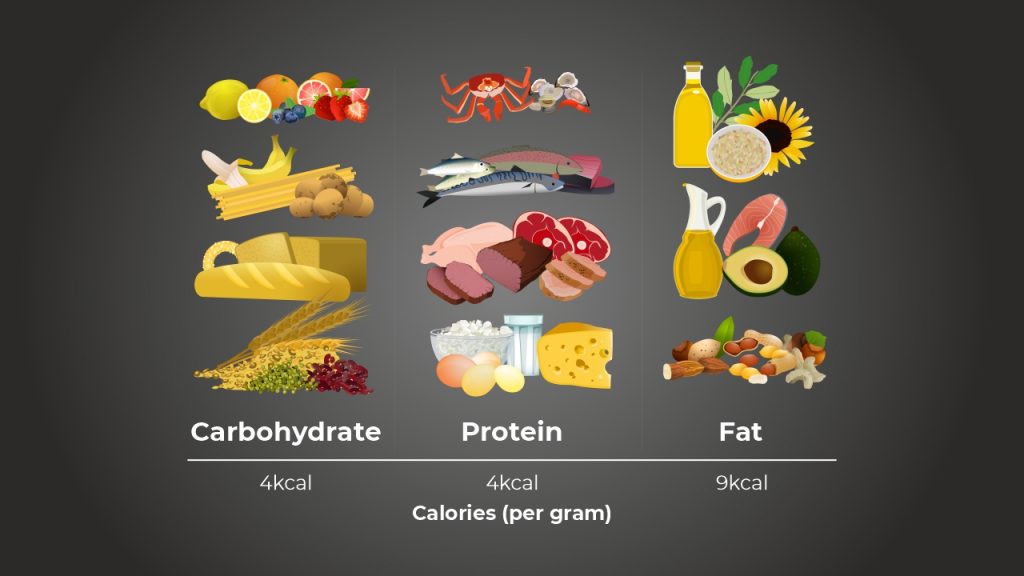
Integrating smart nutritional strategies into one’s financial planning builds resilience. This includes practices like meal planning and preparation, which not only ensure a balanced caloric intake but also reduce impulse purchases of unhealthy (and often more expensive) convenience foods. Home cooking, enabled by mindful grocery shopping that focuses on nutrient-dense, cost-effective ingredients, is a cornerstone of both health and financial prudence. By controlling the ingredients and preparation methods, individuals can optimize both their caloric quality and their food budget. This conscious approach to calories transforms daily eating habits from a potential financial drain into a strategic investment in long-term health and fiscal stability.
The Calorie Economy: Opportunities in the Wellness Market
The growing global awareness of the impact of nutrition on health has spawned a massive and continually expanding “calorie economy.” This market presents significant financial opportunities for entrepreneurs, investors, and individuals seeking online income or side hustles.
Profiting from Healthy Lifestyles
The demand for solutions related to calorie management, healthy eating, and wellness is booming. This has created fertile ground for various business models:
-
Nutrition Coaching & Consulting: Experts who help individuals understand their caloric needs and make healthier dietary choices can build thriving practices, often leveraging online platforms for broader reach.
-
Healthy Food Products & Meal Prep Services: Companies that provide nutritious, pre-portioned meals or calorie-controlled snacks cater to a busy, health-conscious clientele.
-
Fitness & Wellness Apps: Technology that tracks calorie intake and expenditure, offers personalized meal plans, or provides guided workouts are highly sought after.
-
Content Creation: Influencers, bloggers, and YouTubers who share knowledge about healthy eating, recipes, and fitness journeys can generate significant online income through advertising, sponsorships, and affiliate marketing.
-
Dietary Supplements: Businesses offering vitamins, protein powders, and other supplements that support nutritional goals form a substantial part of this market.
For individuals with expertise or passion in this area, understanding what calories do can be directly monetized into a profitable venture or a lucrative side hustle.
Understanding Consumer Behavior
For businesses operating in the food and beverage industry, a deep understanding of calorie information and its perception by consumers is paramount to marketing success. Phrases like “low-calorie,” “light,” “high-protein,” or “keto-friendly” are powerful marketing tools that appeal to specific consumer segments actively managing their caloric intake for health or weight reasons. Food manufacturers and restaurants meticulously design menus and products not only for taste but also for their caloric profile and how that profile is communicated to consumers. Businesses that effectively educate consumers on the nutritional value and caloric impact of their offerings often gain a competitive edge. This strategic use of calorie data directly impacts sales, market share, and ultimately, corporate financial performance.
Smart Investments in the Health & Wellness Sector
For investors, the robust growth of the calorie economy presents attractive opportunities. Investing in companies that are at the forefront of healthy food production, nutrition technology, preventative healthcare, or sustainable agriculture (which supports healthier food systems) can yield substantial returns. These are not just passing fads but reflect a fundamental shift in consumer values towards health and well-being. Diligent research into companies with strong ethical practices, innovative products, and a clear understanding of the evolving dietary landscape, including the nuanced role of calories, can be a smart addition to a diversified investment portfolio.
Navigating the Nutritional Marketplace: Budgeting Calories and Dollars
Just as managing a financial budget requires discipline and foresight, so too does managing our caloric intake. Making wise choices in the nutritional marketplace can significantly impact both our physical and financial health.
The Price of Convenience vs. Nutrition
There’s a persistent financial tension between convenience and nutrition. Highly processed, ready-to-eat meals, while saving time, often come with a higher price tag and a less favorable caloric profile (high in unhealthy fats, sugars, and sodium). These choices can lead to a dual drain: increased expenditure on food and potential future healthcare costs. Conversely, preparing meals at home using fresh, whole ingredients is generally more cost-effective and allows for precise control over caloric content and nutritional quality. Understanding this trade-off is crucial for budgeting both calories and dollars, making informed decisions that prioritize long-term value over short-term ease.
Maximizing Nutritional Value per Dollar
Savvy shoppers learn to maximize their nutritional value per dollar. This involves strategic grocery shopping, such as buying seasonal produce, utilizing sales, and opting for generic brands of staples. Understanding food labels isn’t just about avoiding unwanted ingredients; it’s about making sure the calories you are consuming provide maximum nutritional benefit. Learning to differentiate between “empty calories” (those offering little nutritional value beyond energy) and nutrient-dense calories (packed with vitamins, minerals, and fiber) allows for more efficient allocation of both food budget and daily caloric allowance. Meal planning and batch cooking further enhance this efficiency, ensuring less food waste and more consistently healthy, budget-friendly meals.
Eating Out: A Calorie and Cash Consideration
Dining out is a social pleasure, but it also represents a significant intersection of caloric and financial expenditure. Restaurant portions are often larger than necessary, leading to excess calorie consumption. Furthermore, many dishes are prepared with hidden fats and sugars that boost flavor but detract from nutritional value, increasing both calorie count and cost. Mindful dining strategies – such as reviewing menus online beforehand, opting for healthier preparations, sharing entrees, or taking leftovers home – can help manage both the financial outlay and the caloric intake. Understanding the typical caloric density of various restaurant cuisines can guide choices, preventing both budget overruns and dietary setbacks.

Conclusion
The question “what calories do” transcends the confines of a biology textbook or a diet plan. It is a fundamental inquiry that unlocks insights into our personal finance, professional trajectory, and long-term wealth accumulation. Calories are not just units of energy; they are the unseen currency of our productivity, the bedrock of our health investments, and the fuel for entrepreneurial endeavors. By recognizing the profound financial implications of our caloric choices, we empower ourselves to make more informed decisions about our diet, not merely for physical well-being, but for robust financial health. Integrating a mindful approach to calorie management into our broader financial literacy is not just a trend; it is an essential strategy for building a resilient, productive, and financially secure future.
aViewFromTheCave is a participant in the Amazon Services LLC Associates Program, an affiliate advertising program designed to provide a means for sites to earn advertising fees by advertising and linking to Amazon.com. Amazon, the Amazon logo, AmazonSupply, and the AmazonSupply logo are trademarks of Amazon.com, Inc. or its affiliates. As an Amazon Associate we earn affiliate commissions from qualifying purchases.