
In the expansive landscape of global intellectual property, few assets possess the enduring power of the “Sleeping Beauty” archetype. While the casual consumer recognizes the character as a cornerstone of the Disney animation empire, the journey of this brand identity—from folkloric roots to a multi-billion dollar corporate trademark—offers a masterclass in strategic brand management. To understand the “real name” of the character is not merely a literary exercise; it is an exploration of how companies reclaim, rename, and reinforce brand equity in a competitive marketplace.
The Evolution of Identity: From Oral Tradition to Corporate Asset
The name “Sleeping Beauty” is, effectively, a descriptive trade name rather than a proper noun. In the original 17th-century tales penned by Charles Perrault, the princess is referred to simply as “La Belle au bois dormant” (The Beauty in the Sleeping Wood). The Brothers Grimm later adapted this into “Dornröschen” (Little Briar Rose). Neither version strictly required a legal “real name,” as the focus was on the thematic representation of beauty and slumber.
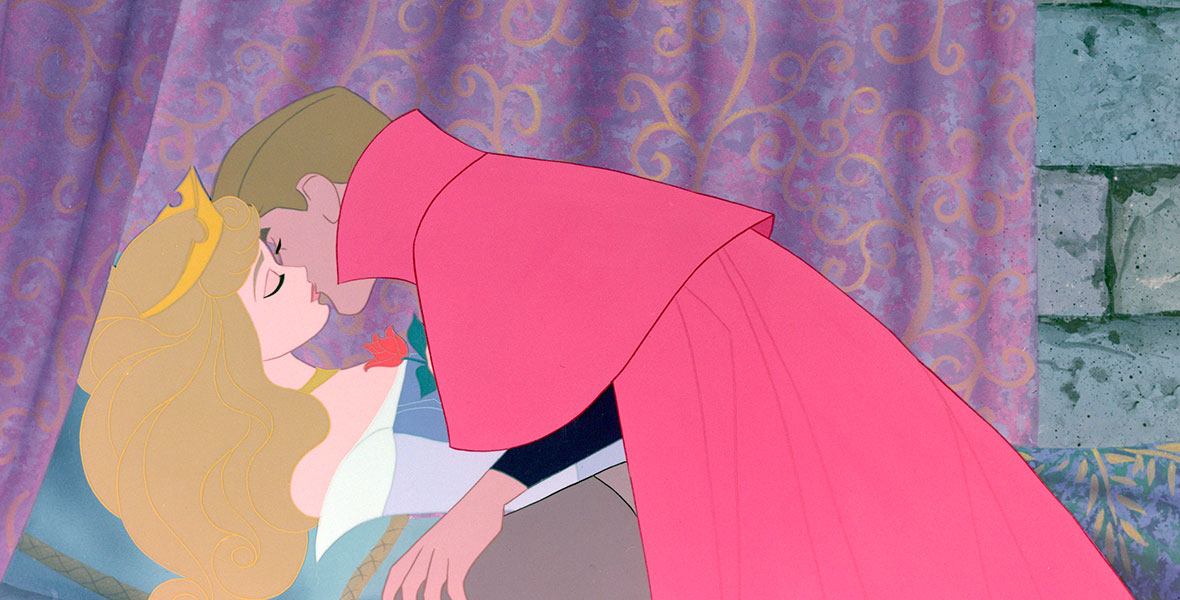
However, when a brand moves from the public domain into a corporate ecosystem, the need for a distinct, ownable identity becomes paramount. For The Walt Disney Company, the name “Aurora” was introduced in the 1959 feature film, a strategic pivot that transformed a generic folktale figure into a singular brand entity.
The Power of Naming Rights in Brand Strategy
Naming is the cornerstone of brand identity. When Disney introduced the name “Aurora,” they weren’t just choosing a label; they were creating a legal shield. By associating a specific, uncommon name with a visual aesthetic, the company secured a recognizable trademark that separated their product from any future adaptations or retellings by competitors. This is a classic example of brand differentiation—when you cannot own the story because it is in the public domain, you own the specific naming convention associated with your unique iteration of that story.
Trademarking the Persona
The transition from “Sleeping Beauty” to “Princess Aurora” allowed the brand to extend its reach into merchandising. A generic “Sleeping Beauty” doll could be produced by any toy manufacturer without infringing on Disney’s specific copyright. A “Princess Aurora” doll, however, is inextricably linked to the Disney aesthetic—the specific shade of pink, the character design, and the corporate branding. By renaming the character, the brand moved from selling a trope to selling a proprietary intellectual asset.
Strategic Rebranding: Why the Name Shift Matters
In the world of corporate identity, names are rarely chosen by accident. They are meticulously researched, tested for phonetic appeal, and analyzed for cultural resonance. The shift to “Aurora” serves as a benchmark for how established entities leverage naming to dominate a niche.
Aligning the Name with Brand Promise
“Aurora” is derived from the Latin word for dawn, signifying light, new beginnings, and awakening. This aligns perfectly with the narrative arc of the character, but more importantly, it aligns with the brand’s promise of “happily ever after” and lighthearted enchantment. In branding terms, the name acts as a promise. It communicates the values of the corporation to the consumer without requiring a preamble.

Competitive Differentiation and SEO
In the digital age, a name acts as an anchor for search engine optimization and consumer recall. If a consumer searches for “Sleeping Beauty,” they encounter a vast array of historical texts, public domain works, and competing interpretations. When they search for “Aurora,” the results funnel directly into the Disney ecosystem. This is a textbook example of “owning the search.” By establishing a specific, proprietary name, the company dictates the digital conversation, effectively crowding out generic search intent with branded authority.
The Architecture of Intellectual Property Licensing
The branding of “Aurora” is not just about the movies or the toys; it is about the broader architecture of licensing and cross-platform synergy. Understanding this helps explain why names are so fiercely guarded in the modern corporate landscape.
Licensing and Cross-Platform Consistency
When a brand decides to monetize an identity, it must ensure that identity remains static across all touchpoints—theme parks, apparel, digital streaming platforms, and international markets. The name “Aurora” functions as a unifying element. Whether a consumer interacts with the brand in a Tokyo theme park or a Parisian retail outlet, the name remains consistent, thereby reinforcing the global brand architecture.
Risk Mitigation through Proprietary Naming
By establishing a proprietary name, companies mitigate the risk of “brand dilution.” If a brand relied solely on the public domain name “Sleeping Beauty,” they would constantly be fighting off associations with other, perhaps lower-quality or tonally dissonant, interpretations of the character. By utilizing “Aurora,” Disney insulates their specific character design from the baggage associated with the broader, nebulous folktale. It creates a brand-within-a-brand, where the integrity of the asset is protected by the uniqueness of its designated name.
The Future of Character Branding in a Digital Ecosystem
As we look toward the future of media, the principles of naming and identity management remain vital. With the rise of AI-driven content generation and the increasing competition for consumer attention, the clarity of a brand’s nomenclature has never been more critical.
Building Brands in the Age of AI
Artificial intelligence tools often pull from public domain data, which makes generic names like “Sleeping Beauty” difficult to protect. However, AI cannot replicate the proprietary brand equity attached to a name like “Aurora.” As companies continue to develop digital twins and virtual influencers, the “real name” of a character—and the legal frameworks surrounding that name—will be the primary differentiator between a generic digital object and a high-value brand asset.

The Sustainability of Legacy Brands
For companies looking to sustain their brand relevance over decades, the lesson is clear: identity is not found in the source material; it is curated through strategic branding decisions. Whether it is a legacy character like Princess Aurora or a modern digital-first brand, the goal remains the same: create a name that is unique, evocative, and legally defensible.
In conclusion, the “real name” of the character, in the context of modern brand strategy, is Aurora. It is a name that represents the intersection of storytelling and rigorous corporate identity management. While historians may argue over the folklore, brand strategists know that the name on the trademark registry is the only one that truly matters. By prioritizing unique, ownable nomenclature, companies transform simple archetypes into timeless, protected, and highly lucrative assets. The legacy of “Sleeping Beauty” continues not because of its age-old narrative, but because of the intentional, calculated branding efforts that defined its identity for a modern global audience. Through naming, companies do more than label characters—they define the market, secure the IP, and ensure that their brand remains the definitive version in the eyes of the consumer.
aViewFromTheCave is a participant in the Amazon Services LLC Associates Program, an affiliate advertising program designed to provide a means for sites to earn advertising fees by advertising and linking to Amazon.com. Amazon, the Amazon logo, AmazonSupply, and the AmazonSupply logo are trademarks of Amazon.com, Inc. or its affiliates. As an Amazon Associate we earn affiliate commissions from qualifying purchases.