
In the sophisticated landscape of personal branding, every visual cue contributes to the narrative one projects to the world. For individuals with dark skin, the choice of hair color transcends mere aesthetic preference; it becomes a powerful, non-verbal statement about their identity, professionalism, and creative spirit. Understanding how specific hair colors interact with diverse dark skin tones is paramount to curating a personal brand that is both authentic and impactful, ensuring that one’s visual presentation aligns seamlessly with their professional aspirations and core values.

The Strategic Role of Hair Color in Personal Branding
Personal branding is the deliberate effort to create and influence public perception of an individual. It’s about clearly articulating one’s value proposition, expertise, and unique personality. While skills, experience, and communication style form the bedrock of a robust personal brand, visual presentation, including hair color, serves as a crucial amplifier or detractor. Hair color is often one of the first elements people notice, shaping initial impressions and subtly communicating aspects of one’s character before a single word is spoken.
For professionals, entrepreneurs, and public figures, this visual component is not trivial. It’s a strategic asset. A well-chosen hair color can enhance perceived competence, approachability, creativity, or authority, depending on the desired brand messaging. Conversely, a hair color that clashes with one’s skin tone or professional context can create dissonance, undermining the intended brand image. The goal is to achieve visual harmony that reinforces, rather than distracts from, one’s professional persona. This involves a deep dive into understanding undertones, industry norms, and the psychological impact of color itself.
Understanding Undertones and Their Branding Impact
The foundation of selecting a complementary hair color for dark skin lies in accurately identifying one’s skin undertones. Skin tone refers to the surface color (light, medium, dark), while undertone refers to the subtle hue beneath the surface that remains consistent regardless of tan or lack thereof. For individuals with dark skin, undertones typically fall into three categories: warm, cool, or neutral. Misaligning hair color with undertones can create a disjointed visual, signaling a lack of attention to detail or an incomplete brand narrative.
- Warm Undertones: These individuals often have hints of gold, yellow, or peach in their skin. Their veins might appear greenish, and gold jewelry tends to flatter them more than silver. For a personal brand emphasizing warmth, creativity, or approachability, hair colors with golden, red, or copper bases—such as caramel, honey blonde, auburn, or rich mahogany—can create a harmonious and inviting aesthetic. These colors naturally illuminate the face, enhancing the glow of warm skin and conveying an open, dynamic persona.
- Cool Undertones: Skin with cool undertones might reveal hints of pink, red, or blue. Veins often appear blueish-purple, and silver jewelry typically looks more striking than gold. A personal brand aiming for sophistication, precision, or calm authority would benefit from hair colors with blue, violet, or ash bases. Deep espresso, jet black, cool chocolate browns, or even cool-toned plums can beautifully complement cool undertones, lending an air of refined elegance and understated power.
- Neutral Undertones: Those with neutral undertones have a balance of both warm and cool hues, making them incredibly versatile. Their veins may appear a mix of green and blue, and both gold and silver jewelry look good. Individuals with neutral undertones have the broadest palette for personal branding through hair color. They can lean towards warmer shades to convey approachability or cooler tones for a more authoritative look, depending on the specific brand message they wish to project. This flexibility allows for greater strategic adaptability as one’s brand evolves.
The psychological impact of these color choices cannot be overstated. Warm tones often evoke feelings of energy, passion, and approachability, aligning with brands focused on innovation, community, or creative fields. Cool tones, conversely, project stability, sophistication, and reliability, making them suitable for brands in finance, law, or executive leadership roles. By consciously aligning hair color with one’s undertones and desired brand attributes, individuals can create a cohesive visual identity that strengthens their personal brand message.
Curating Your Professional Image: Color Palettes for Impact
Once undertones are understood, the next step involves selecting specific hair color palettes that directly support one’s professional image and brand objectives. Different shades carry distinct connotations, allowing for precise control over the perceptions one cultivates.
Deep, Rich Tones: Authority and Sophistication
For a personal brand that emphasizes gravitas, authority, and unwavering professionalism, deep, rich hair colors are exceptionally powerful.
- Jet Black and Deepest Brown: These timeless shades convey a sense of seriousness, reliability, and executive presence. For individuals with cool or neutral undertones, jet black can be incredibly striking, projecting an image of quiet power and sophistication. For warm undertones, a rich, almost-black brown with subtle warm undertones can achieve a similar effect while maintaining harmony with the skin. These colors are often favored in corporate environments where a strong, grounded image is paramount. They suggest an individual who is focused, meticulous, and commands respect.
- Deep Aubergine or Plum: While still dark, these shades introduce a hint of individuality and depth without sacrificing professionalism. Especially effective for those with cool or neutral undertones, deep aubergine communicates creativity and sophistication, subtly hinting at a visionary mindset while remaining firmly within a polished aesthetic. It suggests an individual who is thoughtful and possesses a unique perspective, making it suitable for brands in consulting, academia, or high-level creative direction.
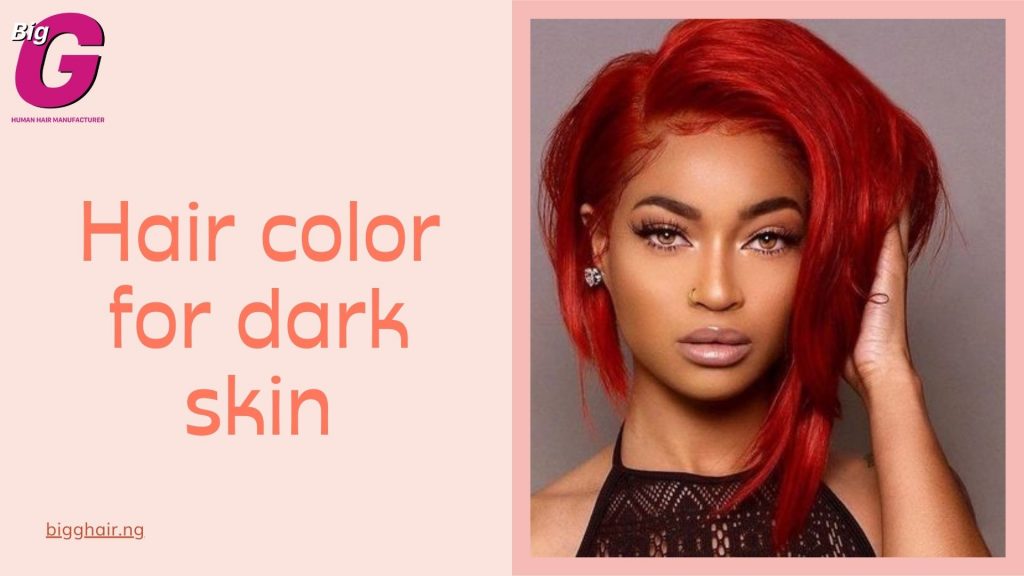
- Mahogany and Deep Cherry: These rich, warm reds add vibrancy and a touch of magnetism to a professional image. They are particularly stunning on dark skin with warm undertones, projecting confidence, passion, and a dynamic leadership style. Such colors can be strategic for brands in fields requiring strong interpersonal skills, public speaking, or a charismatic presence. They signify an energetic and engaging professional.
Warm Hues: Approachability and Creativity
When the goal is to project an image of approachability, innovation, and vibrant creativity, warm-toned hair colors offer an expansive palette.
- Caramel and Honey Blonde: These golden-infused shades brighten the face and convey warmth, friendliness, and an open demeanor. Ideal for dark skin with warm or neutral undertones, caramel highlights or an all-over honey blonde can soften features and make one appear more approachable and collaborative. This is particularly beneficial for personal brands in creative industries, coaching, or roles that involve extensive client interaction and relationship building. They suggest an individual who is innovative, optimistic, and easy to connect with.
- Copper and Bronze: These fiery, metallic hues are perfect for making a bold yet sophisticated statement. Best suited for warm undertones, copper and bronze tones project passion, originality, and a dynamic energy. They communicate a brand that is unafraid to stand out, is highly creative, and possesses a pioneering spirit. Such colors can be invaluable for artists, designers, marketers, or anyone aiming to establish a brand known for its distinctive vision and innovative output.
- Golden Browns: A lighter, warm-toned brown can offer a softer alternative to deep browns, providing a friendly and engaging visual. This color subtly enhances warmth in the skin, portraying an approachable professional who is knowledgeable yet personable. It’s an excellent choice for those who desire a less intense look than jet black but still wish to maintain a sense of professionalism and groundedness.
Bold and Unconventional Shades: Distinctiveness and Innovation
For personal brands seeking to establish a truly unique identity and challenge conventional norms, carefully chosen bold and unconventional shades can be a powerful differentiator.
- Burgundy and Deep Red: Deeper reds, particularly burgundy, can be strikingly elegant on dark skin. For those with cool undertones, a true burgundy offers a sophisticated edge, while a warmer, richer red works beautifully with warm undertones. These colors signify confidence, a willingness to be noticed, and a strong, individualistic brand. They are suitable for visionaries, thought leaders, or professionals in industries where creativity and pushing boundaries are valued.
- Jewel Tones (e.g., Deep Emerald, Sapphire Blue): While less common in traditional corporate settings, specific jewel tones can be incredibly effective for personal brands in highly creative fields, entertainment, or tech, where innovation and distinctiveness are brand pillars. These colors must be chosen with extreme care, ensuring they complement the skin’s undertones and align with the brand’s avant-garde message. They communicate a fearless, artistic, and forward-thinking brand.
Experimentation and Evolution: Adapting Your Hair Brand
A personal brand is not static; it evolves with career trajectory, professional growth, and changing aspirations. Hair color, as a component of visual branding, should also be adaptable. What works for a nascent entrepreneur might differ for an established CEO. Strategic transitions are key.
Considering industry norms is crucial. While a vivid purple might be a branding asset for a fashion stylist, it could hinder perception in a more conservative legal field. However, even within traditional industries, subtle shifts can signal growth or a refreshed outlook. For instance, moving from jet black to a deep mahogany can subtly convey increased warmth and leadership presence, without compromising professionalism.
Professional consultation is invaluable here. A colorist who understands both hair science and the nuances of personal branding can offer tailored advice, ensuring that any hair color change is a strategic enhancement rather than a random choice. They can help navigate the complexities of undertones, desired perception, and hair health to achieve a consistent and compelling brand image.

Maintaining Brand Integrity: Beyond the Initial Color Choice
The selection of a hair color is merely the beginning of its role in personal branding. Sustaining its impact requires ongoing maintenance and consistency. A vibrant, well-maintained hair color enhances a polished professional image, while faded, uneven, or neglected hair can inadvertently signal a lack of attention to detail or diminished self-care, thereby undermining the meticulously built personal brand.
Consistency in appearance reinforces brand reliability. Regular touch-ups, appropriate hair care regimens that preserve color vibrancy, and professional styling choices all contribute to presenting a cohesive and polished brand. This extends beyond just the color itself; the health and texture of the hair are equally important. Shiny, strong, and well-managed hair communicates vitality and self-assurance, aligning with a brand that values excellence and competence.
Ultimately, hair color for dark skin is a powerful tool in the personal branding arsenal. When chosen strategically, aligned with undertones, and maintained diligently, it becomes a dynamic visual asset that communicates professionalism, personality, and purpose, helping individuals sculpt their desired narrative in the competitive professional landscape.
aViewFromTheCave is a participant in the Amazon Services LLC Associates Program, an affiliate advertising program designed to provide a means for sites to earn advertising fees by advertising and linking to Amazon.com. Amazon, the Amazon logo, AmazonSupply, and the AmazonSupply logo are trademarks of Amazon.com, Inc. or its affiliates. As an Amazon Associate we earn affiliate commissions from qualifying purchases.