
In the golden era of the American West’s cinematic dominance, few figures stood as tall as Gene Autry, the “Singing Cowboy.” While his melodies and moral rectitude defined a generation of entertainment, any discussion of his legacy inevitably leads to a single, pivotal question: What was Gene Autry’s horse’s name? The answer is Champion—not just a living creature, but one of the most successful brand assets in the history of personal branding and corporate identity.
Champion was more than a sidekick; he was a meticulously crafted trademark. In the world of modern brand strategy, we often look to tech giants or high-fashion houses for lessons in identity, but Gene Autry’s management of Champion provides a foundational case study in how to build an inseparable brand association. Understanding the name of the horse is the entry point into understanding how a persona is transformed into a multi-decade commercial empire.

The Legend of Champion: Defining the “Wonder Horse” as a Brand Asset
To understand the branding power of Champion, one must first recognize that “Champion” was not just one horse, but a series of horses that maintained a consistent brand identity. This is the hallmark of sophisticated brand management: the ability to maintain a visual and emotional promise even as the underlying “product” evolves.
From Sidekick to Trademark
In the early 1930s, Gene Autry realized that his audience needed a visual anchor. While his voice was his primary product, the visual of the cowboy required a recognizable companion. Champion was introduced as the “Wonder Horse,” a title that functioned as a unique selling proposition (USP). By giving his horse a name that implied excellence and victory, Autry elevated the animal from a utility to a co-star.
This move was a masterclass in brand positioning. While other cowboys had horses, Autry’s horse had a brand name that was easy to remember, evocative of success, and perfectly aligned with the “Singing Cowboy” archetype. The name “Champion” became synonymous with loyalty and intelligence, traits that Autry wanted reflected back onto his own personal brand.
Consistency in Visual Identity
One of the core pillars of brand strategy is consistency. The original Champion, an sorrel stallion with a white blaze and four white stockings, set the visual standard. As the brand grew and the rigors of film production required successors—Champion Jr. and Television Champion—Autry ensured that the visual cues remained remarkably similar.
In corporate identity terms, this is equivalent to maintaining a brand’s color palette and logo across different iterations of a product line. The audience didn’t see a “different” horse; they saw the “Champion” brand. This continuity allowed for a seamless transition across films, radio shows, and eventually, the new medium of television, ensuring that the brand equity remained intact for over three decades.
Personal Branding in the Golden Age of Radio and Cinema
Gene Autry was a pioneer of the “personal brand” long before the term was popularized in digital marketing circles. He understood that he was not just a performer; he was a business entity. In this architecture, Champion served as a secondary brand that bolstered the primary brand of Gene Autry.
The Singing Cowboy as a Corporate Identity
Autry’s brand was built on the “Cowboy Code”—a set of ten moral principles that dictated his behavior on and off-screen. Champion was the physical embodiment of these values. A hero is often judged by the company he keeps, and by associating himself with a horse that was depicted as exceptionally brave and smart, Autry reinforced his own brand promise of being a reliable, wholesome leader.
This is a strategy used today by executives who align themselves with specific charitable causes or high-end technology. The association transfers the attributes of the secondary entity to the primary person. When people thought of Champion’s speed and agility, they subconsciously associated those “high-performance” traits with the Gene Autry brand.
Cross-Platform Synergy
Autry was one of the first entertainers to utilize cross-platform synergy to scale his brand. He didn’t just appear in movies; he had a top-rated radio show, Gene Autry’s Melody Ranch, and a prolific recording career. Champion was featured in all of these mediums. On the radio, the sound of galloping hooves was immediately identified by the audience as Champion.
This is an early example of “sonic branding.” Just as the Intel chime or the Netflix “ta-dum” triggers immediate brand recognition today, the sound effects and mentions of Champion on the radio created a vivid mental image that drove fans to the box office. Autry understood that a brand must be experienced through as many senses as possible to achieve market saturation.

The Business of Licensing: How Champion Became a Merchandising Powerhouse
The true genius of the Gene Autry and Champion partnership lay in its monetization. Autry was a shrewd businessman who eventually owned television stations, hotels, and a Major League Baseball team (the California Angels). He realized that the intellectual property (IP) of “Champion” was a goldmine for licensing and merchandising.
Creating Emotional Connectivity with the Audience
In brand marketing, the goal is to move from a transactional relationship to an emotional one. Champion provided the emotional bridge for the younger demographic. Children may have admired Autry’s singing, but they loved his horse. By centering Champion in his marketing, Autry tapped into the “pet economy” and the inherent emotional bond people have with animals.
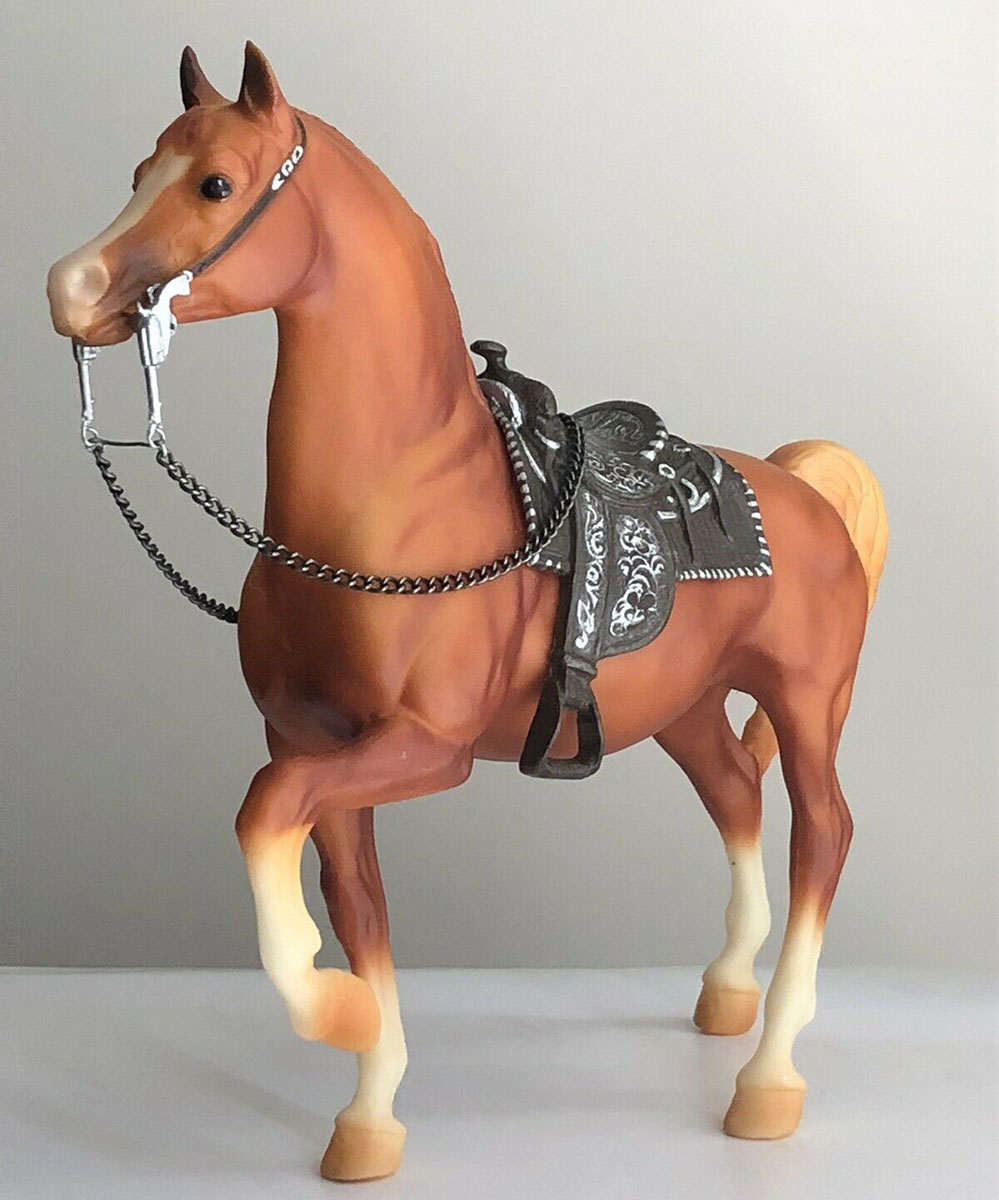
This emotional connection was leveraged to sell a staggering array of merchandise. There were Champion comic books, toy figurines, lunchboxes, and even a dedicated television series, The Adventures of Champion, which aired in the mid-1950s. This series effectively “spun off” the horse as an independent brand, proving that the asset had enough equity to stand on its own without the primary brand (Autry) being present in every frame.
Protecting the IP of a Living Symbol
Autry was ahead of his time in protecting his corporate identity. He trademarked the name and the likeness of Champion, ensuring that no competitors could dilute his brand by using similar names for their animal sidekicks. In the 1940s and 50s, this level of IP protection was revolutionary for an individual entertainer.
For modern businesses, this highlights the importance of protecting secondary brand assets. Whether it is a specific software feature, a mascot, or a catchphrase, these elements contribute to the overall value of the firm. Autry’s meticulous management of Champion’s image ensured that the horse remained a high-value asset for the entirety of Autry’s career and beyond.
Modern Lessons in Brand Storytelling and Archetypes
Why does the question “What was Gene Autry’s horse’s name?” still resonate today? It is because the partnership utilized timeless storytelling archetypes that are still the bedrock of successful brand strategy.
The Hero and the Faithful Companion
In the “Hero’s Journey” narrative framework, the hero often requires a companion who provides unique capabilities. This archetype creates a balanced brand. Autry was the voice and the moral compass; Champion was the power and the instinct. Together, they formed a “complete” brand offering.
Modern brands often use this “duo” strategy to appeal to different market segments. For instance, a tech company might have a professional, sleek “corporate” identity (the Hero) but use a quirky, approachable AI assistant (the Companion) to engage with users on a personal level. Champion was the “user-friendly” interface of the Gene Autry brand.
Legacy Branding and the Longevity of Symbols
Gene Autry passed away in 1998, yet his name and the name of his horse continue to evoke a specific era of American culture. This is the ultimate goal of legacy branding: to create a symbol that outlives its creator. Champion is immortalized in the Autry Museum of the American West, not just as a taxidermy exhibit, but as a symbol of an era where entertainment and brand strategy first began to merge.
The longevity of the Champion brand serves as a reminder that a well-chosen name, backed by consistent quality and strategic exposure, can create a permanent place in the cultural zeitgeist. When a brand name like Champion becomes a piece of trivia that spans generations, it has achieved the highest form of brand awareness.
Conclusion: The Strategic Value of the “Wonder Horse”
When we answer the question “What was Gene Autry’s horse’s name?”, we aren’t just reciting a piece of Hollywood trivia; we are acknowledging one of the most successful brand associations in history. Champion was the quintessential brand extension. He allowed Gene Autry to expand his reach into merchandising, spin-off media, and emotional storytelling in a way that a solo performer never could.
For brand strategists and business leaders today, the story of Champion offers several vital takeaways:
- Identity Continuity: Consistency in visual and naming conventions is critical for long-term recognition.
- Asset Diversification: Developing secondary brand assets (like a mascot or a signature feature) can capture market segments that the primary brand might miss.
- Intellectual Property Vigor: Protecting the “names” and “faces” of your brand is essential for maintaining market value.
- Emotional Anchoring: Brands that connect on an emotional level—often through archetypal storytelling—have significantly higher retention and legacy value.
Champion was more than a horse; he was a “Wonder Horse” of marketing. In the vast landscape of personal branding, Gene Autry and Champion remain the gold standard for how to ride a unified identity all the way to the sunset of lasting success.
aViewFromTheCave is a participant in the Amazon Services LLC Associates Program, an affiliate advertising program designed to provide a means for sites to earn advertising fees by advertising and linking to Amazon.com. Amazon, the Amazon logo, AmazonSupply, and the AmazonSupply logo are trademarks of Amazon.com, Inc. or its affiliates. As an Amazon Associate we earn affiliate commissions from qualifying purchases.