
In the global beverage landscape, few categories have undergone as significant a transformation as red blend wines. Traditionally, wine was marketed through two primary lenses: geography (the Old World model of terroir) or grape variety (the New World model of varietal labeling). However, the rise of the “Red Blend” as a distinct, multi-billion dollar category represents a masterclass in brand strategy, consumer psychology, and market positioning. To understand what red blend wines are in a modern context is to understand a shift from agricultural products to engineered lifestyle brands.

Modern red blends are not merely mixtures of leftover grapes; they are precisely calibrated products designed to meet specific market demands. By moving away from the constraints of single-varietal labeling—such as a 100% Cabernet Sauvignon or Merlot—winemakers and marketers have gained the freedom to prioritize consistency, flavor profile, and brand identity over botanical purity. This evolution has allowed the wine industry to capture new demographics, simplify the purchasing process, and build brand equity that transcends specific vintages.
The Strategic Shift: From Varietal-Led to Brand-Led Marketing
For decades, the wine industry was bifurcated. The prestigious estates of Bordeaux and Burgundy relied on “Place Branding,” where the reputation of the region dictated the value. Conversely, New World regions like California and Australia built their reputations on “Varietal Branding,” teaching consumers to recognize grapes like Chardonnay or Shiraz. The emergence of the red blend category represents a third way: “Identity Branding.”
Consistency as a Brand Promise
One of the greatest challenges in traditional winemaking is vintage variation. A single-varietal wine is a hostage to the weather; a frost or a heatwave can fundamentally alter the flavor profile from year to year. For a brand manager, this volatility is a liability. Red blends solve this by allowing winemakers to adjust the proportions of various grapes—Syrah for color, Zinfandel for fruitiness, Merlot for softness—to achieve a consistent “house style” regardless of the harvest.
From a brand strategy perspective, consistency builds trust. A consumer who buys a specific red blend knows exactly what they are going to get, much like a consumer who buys a specific brand of coffee or soft drink. This predictability is the cornerstone of brand loyalty in an increasingly crowded marketplace.
De-risking the Consumer Experience
The “Paradox of Choice” is a significant barrier in the wine aisle. For the average consumer, thousands of labels with confusing regional names or technical varietal data can lead to decision fatigue. Red blends simplify the value proposition. By branding a wine with a lifestyle-oriented name rather than a technical one, companies lower the barrier to entry. The brand becomes the shorthand for the experience, removing the need for the consumer to possess specialized oenological knowledge.
The Psychology of the Blend: Crafting a Flavor Profile for the Mass Market
The success of red blend wines is rooted in a deep understanding of the modern palate. Unlike traditional wines that may lead with high acidity or aggressive tannins—elements that often require food pairings or aging—modern red blends are engineered for immediate gratification.
Accessibility and the “Smooth” Factor
In consumer research, “smooth” is the most frequent descriptor used by wine drinkers to indicate quality. Red blends are strategically crafted to hit this mark. By blending grapes with different structural components, winemakers can “round off” the edges of a wine. For example, the high tannins of a Cabernet Sauvignon can be softened by the plush fruitiness of Merlot or the spicy sweetness of Petite Sirah.
This creates a flavor profile characterized by high fruit intensity, moderate alcohol, and a velvety mouthfeel. Strategically, this positions the product as “easy-drinking,” making it suitable for a wide range of social occasions, from casual weeknight dinners to large events. It is a flavor profile designed for the widest possible net, maximizing market share.
Sensory Branding and Label Design
Because red blends are not tied to the visual conventions of traditional varietals (which often feature sketches of chateaus or austere typography), they have pioneered a revolution in wine packaging. The branding of red blends often leans into bold, evocative imagery and tactile labels.
We see a shift toward “dark” branding—rich colors, heavy glass bottles, and names that evoke mystery or indulgence. This sensory branding extends from the label to the liquid itself. The color is often enhanced to be deep purple or opaque red, signaling “richness” to the consumer before they even take a sip. This alignment between visual identity and liquid profile is a hallmark of sophisticated brand management.
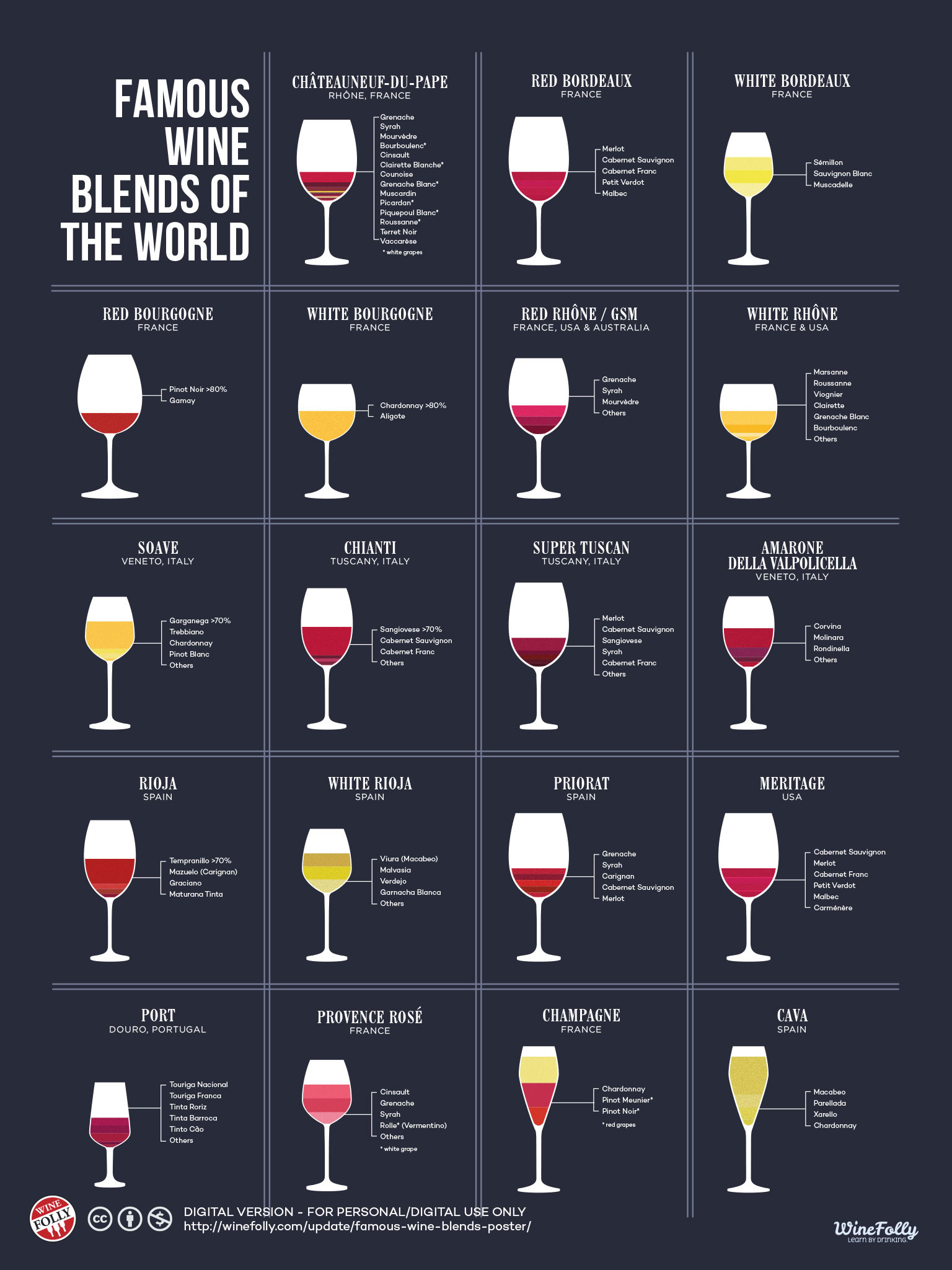
Case Studies in Red Blend Success: How Labels Changed the Industry
To understand the power of red blends, one must look at the brands that disrupted the status quo. These case studies illustrate how strategic positioning can turn a blend of grapes into a cultural phenomenon.
The Disruptor: High-End Brand Equity
One of the most famous examples of red blend branding took a “cult” approach. By utilizing striking, artistic labels and limiting distribution initially, the brand created a sense of exclusivity around a blend of disparate grapes. This moved the conversation away from “What grapes are in this?” to “What does this brand represent?”
The brand strategy was focused on the “maverick” archetype. It appealed to a younger, affluent demographic that found traditional luxury wine too stuffy. By maintaining high price points while eschewing traditional naming conventions, the brand proved that a red blend could compete in the premium and ultra-premium segments, provided the brand story was compelling enough.
The Entry-Point: The Power of Aesthetic Consistency
On the other end of the spectrum, mass-market red blends have dominated the $10–$15 price bracket. These brands often use Gothic imagery or “dark” themes to stand out on a shelf of white-labeled competitors. Their strategy is rooted in “Sensory Coherence.” The name, the dark bottle, and the slightly sweet, fruit-forward liquid all tell the same story of indulgence.
These brands have been incredibly successful at capturing the “Millennial” and “Gen X” cohorts by focusing on the “vibe” of the wine rather than its pedigree. This demographic-driven marketing has allowed these brands to scale to millions of cases annually, a feat that is much harder to achieve with a single-varietal wine subject to specific vineyard yields.
Scaling the Brand: Production Efficiency and Market Dominance
Beyond the consumer-facing benefits, red blends offer significant operational advantages that contribute to a company’s bottom line. In the world of business finance and corporate strategy, red blends are an exercise in supply chain optimization.
Hedging Against Harvest Volatility
From a procurement perspective, red blends provide a massive safety net. If the price of Cabernet Sauvignon grapes spikes due to a shortage in Napa Valley, a brand can adjust its blend to include more Syrah or Merlot from a more affordable region without significantly altering the final product’s flavor profile or price point. This flexibility allows for stable margins and predictable pricing for retailers, which is essential for maintaining shelf space in large national accounts.
The Direct-to-Consumer (DTC) Advantage
Red blends are particularly well-suited for the digital era and DTC models. Because these wines are branded as “experiences,” they lend themselves to social media marketing and influencer partnerships. A brand can build a digital community around its “lifestyle” in a way that a generic “California Merlot” cannot. This creates a proprietary channel of data and revenue, allowing wine companies to bypass traditional distributors and increase their profit margins.
The Future of Red Blends: Premiumization and Sustainable Branding
As the category matures, we are seeing a shift toward “Premiumized Blends.” Consumers who entered the category through entry-level brands are now looking for more complexity, leading to the rise of high-end blends that emphasize “Sustainability” and “Craft.”
The Rise of Transparent Blending
A new trend in brand strategy is “Radical Transparency.” Some modern red blend brands are now highlighting the exact percentages and origins of their components. This caters to the “conscious consumer” who values authenticity. By turning the “blend” into a story of craftsmanship rather than just a way to achieve consistency, brands can justify higher price points and build deeper emotional connections with their audience.

The Integration of Tech and Data
The next frontier for red blend brands is the integration of AI and flavor profiling technology. Companies are now using data analytics to map consumer taste preferences across different zip codes and tailoring their blends to match. This hyper-local approach to branding allows a global company to feel like a boutique producer, offering the right “blend” for the right market at the right time.
In conclusion, red blend wines represent the pinnacle of modern wine marketing. They have successfully bridged the gap between the agricultural roots of the industry and the demands of a fast-moving, brand-conscious consumer base. By prioritizing the brand promise over varietal constraints, these wines have redefined what it means to be a successful player in the global beverage economy. Whether through “dark” aesthetic appeal or the promise of a “smooth” finish, red blends are a testament to the power of strategic positioning in a crowded marketplace.
aViewFromTheCave is a participant in the Amazon Services LLC Associates Program, an affiliate advertising program designed to provide a means for sites to earn advertising fees by advertising and linking to Amazon.com. Amazon, the Amazon logo, AmazonSupply, and the AmazonSupply logo are trademarks of Amazon.com, Inc. or its affiliates. As an Amazon Associate we earn affiliate commissions from qualifying purchases.