
To understand the question of what religion is dominant in Greece, one must look beyond the aesthetics of blue-domed churches and incense-filled cathedrals and examine the institutional framework of the country. From a fiscal and structural perspective, Greece is defined by the Eastern Orthodox Church, which is recognized by the Constitution as the “prevailing religion.” However, in the world of business finance and national economics, this religious identity is not merely a matter of faith; it is a complex, multi-layered financial ecosystem that influences everything from state payrolls to real estate markets and international tourism revenue.
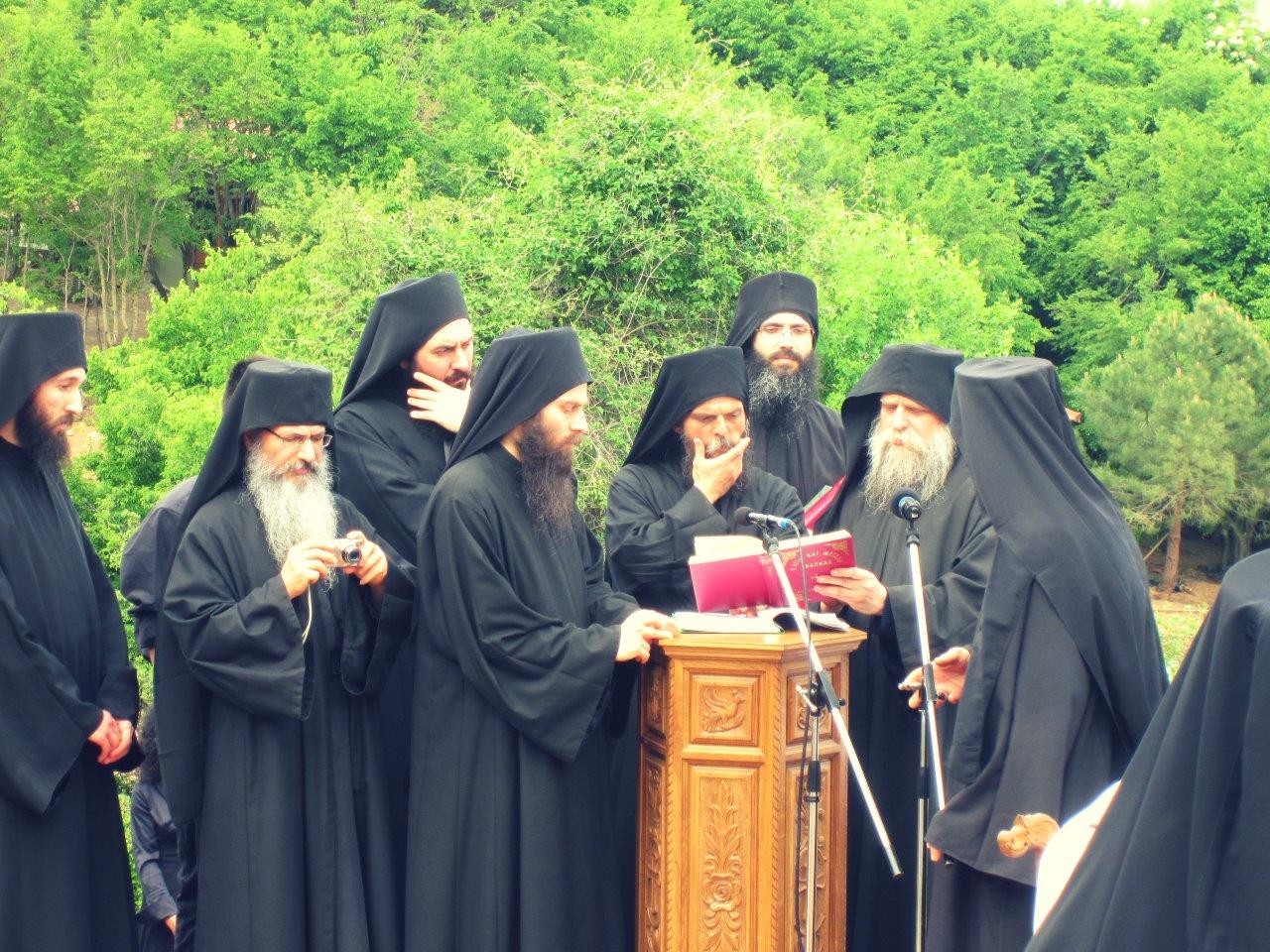
The Greek Orthodox Church is an inextricable part of the nation’s economic identity. With approximately 90% of the population identifying as Greek Orthodox, the institution operates as a significant economic actor, holding vast assets and maintaining a unique relationship with the Greek state’s treasury. Understanding this relationship is essential for investors, policy analysts, and business leaders looking to grasp the full scope of the Greek market.
The Institutional Pillar: The State-Church Financial Relationship
The financial bond between the Greek state and the Orthodox Church is one of the most distinctive features of the nation’s public finance system. Unlike many Western nations where the separation of church and state implies financial independence, the Greek model is one of “synergasia” (cooperation). This cooperation has profound implications for the national budget and the management of public funds.
Payroll and the Public Sector Connection
One of the most significant intersections of religion and money in Greece is the status of the clergy. Currently, the Greek state is responsible for the salaries and pensions of approximately 10,000 priests and church employees. This arrangement dates back to agreements made in the mid-20th century, specifically the 1952 convention, where the Church ceded a large portion of its agricultural land to the state in exchange for the government taking over the payroll of the clergy.
From a business finance perspective, this makes the clergy essentially civil servants in terms of their compensation structure. For years, this has been a point of fiscal debate, especially during the height of the Greek debt crisis. Proposals to move the clergy off the direct state payroll and into a subsidized fund have been floated by various administrations, but the political and social weight of the Church has largely kept the status quo intact. For the state, this represents an annual expenditure of hundreds of millions of euros, a fixed cost that is a permanent fixture in the national budget.
Tax Status and the Legal Framework
The tax treatment of the Greek Orthodox Church is a nuanced topic that often draws the attention of financial analysts. While many assume the Church is entirely tax-exempt, the reality is more complex. The Church of Greece, as a Legal Entity of Public Law, enjoys certain exemptions on its primary worship spaces and charitable activities. However, its commercial properties—buildings, offices, and apartments rented to third parties—are subject to property taxes (ENFIA) and income tax on rental yields, similar to corporate entities.
The debate over the “Holy Wealth” often centers on whether the Church pays its fair share. In recent years, legislative reforms have sought to bring more transparency to church-owned businesses and commercial ventures. For those looking at the Greek investment landscape, understanding these tax nuances is vital, as the Church is often a landlord or a partner in major urban development projects.
The Church as a Major Real Estate Entity and Asset Manager
Beyond its role in the public budget, the Greek Orthodox Church is arguably the second-largest landowner in the country, trailing only the state itself. Its portfolio includes everything from prime urban real estate in central Athens to vast tracts of coastal land and forest.
Urban Real Estate and Development Potential
The Church owns hundreds of high-value buildings in the centers of Athens and Thessaloniki. These assets are managed through various ecclesiastical committees and the “Ecclesiastical Service for the Management of Assets” (EKYO). Many of these properties are leased for commercial use, housing shops, offices, and even boutique hotels.
For real estate investors, the Church’s move toward professionalizing its asset management represents a significant opportunity. In the past decade, there has been a shift toward more sophisticated leasing models and long-term concessions. The Church has begun to realize that dormant land and aging buildings can be converted into revenue-generating assets that fund its extensive social welfare programs. This “monetization of faith” has led to collaborations with private developers to transform church-owned land into sustainable commercial hubs.
Rural Land and Agricultural Investment
The agricultural holdings of the Church and various monasteries are equally vast. While much of this land is protected forest or mountainous terrain, significant portions are suitable for agricultural investment, renewable energy projects, and luxury eco-tourism.
The monasteries of Greece, particularly those outside the autonomous region of Mount Athos, often manage their own estates. Some have ventured into modern agribusiness, producing high-end organic olive oils, wines, and honey for the international market. This transition from subsistence farming to export-oriented business finance shows a modernization of the religious economy, where tradition is leveraged as a brand to command premium prices in the global marketplace.
Religious Tourism: A Multi-Billion Euro Market Driver
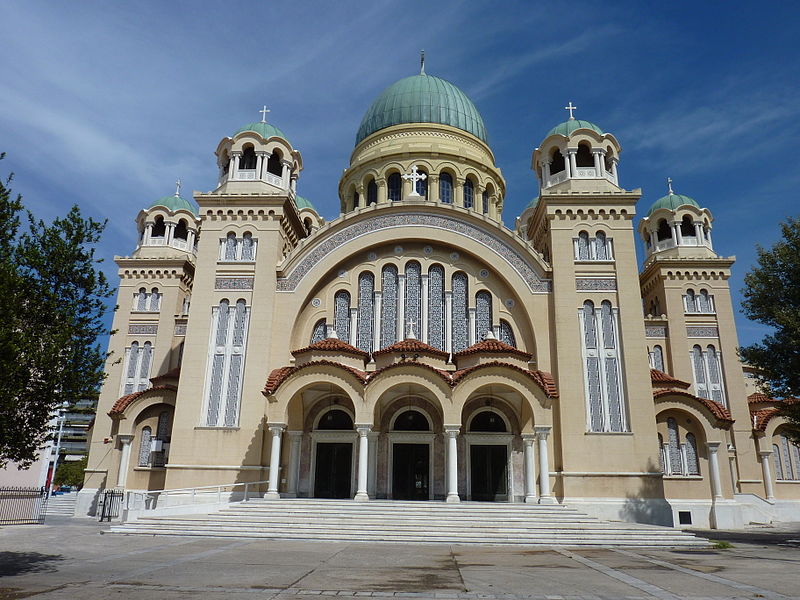
When answering “what religion is Greece” from a commercial perspective, one must look at the tourism sector. Religious and pilgrimage tourism is a cornerstone of the Greek economy, attracting millions of visitors and generating significant foreign exchange.
Pilgrimage Sites as Economic Engines
The economic impact of religious sites like the monasteries of Meteora, the island of Patmos (where the Book of Revelation was written), and the Church of the Annunciation on Tinos is immense. These sites serve as the primary drivers for local economies, supporting a vast network of SMEs, including hotels, restaurants, transportation services, and artisanal workshops.
The commercialization of these sites is a delicate balance between preserving spiritual integrity and maximizing economic benefit. Tinos, for instance, sees hundreds of thousands of pilgrims annually, creating a seasonal economic boom that sustains the island for the entire year. The infrastructure required to support this influx—from ferry services to hospitality—represents a multi-million euro industry.
Mount Athos: The Autonomous Economic Zone
Mount Athos, the “Holy Mountain,” deserves a specific mention in any financial analysis of Greek religion. As an autonomous polity within the Greek Republic, it enjoys special tax and customs status under EU law. While it is a center of deep monastic spirituality, it is also a site of significant economic activity.
The monasteries of Mount Athos manage extensive timber forests, vineyards, and workshops. Furthermore, they have become increasingly adept at securing EU structural funds for the restoration of their historic monuments. This inflow of capital not only preserves cultural heritage but also supports the construction and restoration industries in Northern Greece. The financial management of Mount Athos is a masterclass in leveraging historical status for modern economic sustainability.
Social Capital and the Faith-Based Safety Net
In the realm of personal finance and social stability, the Church of Greece plays a role that the state often cannot. During the financial crisis of 2010-2018, the Church’s “Apostoliki Diakonia” and local parishes became the primary providers of social services.
The Charity Economy
The Church operates a massive network of soup kitchens, homeless shelters, and medical clinics. Financially, this is funded by a mix of private donations, income from church assets, and state subsidies. From a macro-economic perspective, the Church acts as a “buffer” that prevents social collapse during periods of extreme austerity.
The efficiency of this faith-based safety net is often cited by economists as a reason for Greece’s relative social cohesion during years of 25% unemployment. By absorbing the costs of social welfare that would otherwise fall on the state, the Church provides an indirect financial benefit to the Greek treasury. This social capital is a non-tangible asset that adds significant value to the country’s economic stability.
Modernization and the Future of Church Finance
As Greece moves further into the 21st century, the “business of religion” is undergoing a digital and fiscal transformation. The younger generation of clergy and administrators are increasingly aware of the need for transparency and modern financial tools.
Digital Transformation and e-Donations
The Church is slowly embracing technology to manage its finances and engage with its base. From the implementation of POS terminals for donations to the digital cataloging of vast libraries and icons for virtual tourism, technology is being integrated into the religious experience. This digital shift allows for better data management and financial oversight, reducing the “informal” economy that has traditionally been associated with small parish operations.
Navigating Global Economic Trends
The future of Greece’s religious identity will be shaped by how the Church responds to global ESG (Environmental, Social, and Governance) standards. As a major landowner, the Church has the potential to lead in green energy projects and sustainable land management. Its investment decisions will increasingly be scrutinized through a modern financial lens, moving away from traditional hoarding of land toward active, socially responsible investing.
In conclusion, when one asks “what religion is Greece,” the answer is Eastern Orthodoxy—but the implications are profoundly financial. The Church is a stakeholder in the national budget, a titan of the real estate market, a driver of the tourism industry, and a vital provider of social services. For those operating in the spheres of money, finance, and investment, the religious landscape of Greece is not just a cultural backdrop; it is a fundamental component of the country’s economic machinery. Understanding the fiscal power of the Church is key to understanding the Greek economy as a whole.
aViewFromTheCave is a participant in the Amazon Services LLC Associates Program, an affiliate advertising program designed to provide a means for sites to earn advertising fees by advertising and linking to Amazon.com. Amazon, the Amazon logo, AmazonSupply, and the AmazonSupply logo are trademarks of Amazon.com, Inc. or its affiliates. As an Amazon Associate we earn affiliate commissions from qualifying purchases.