
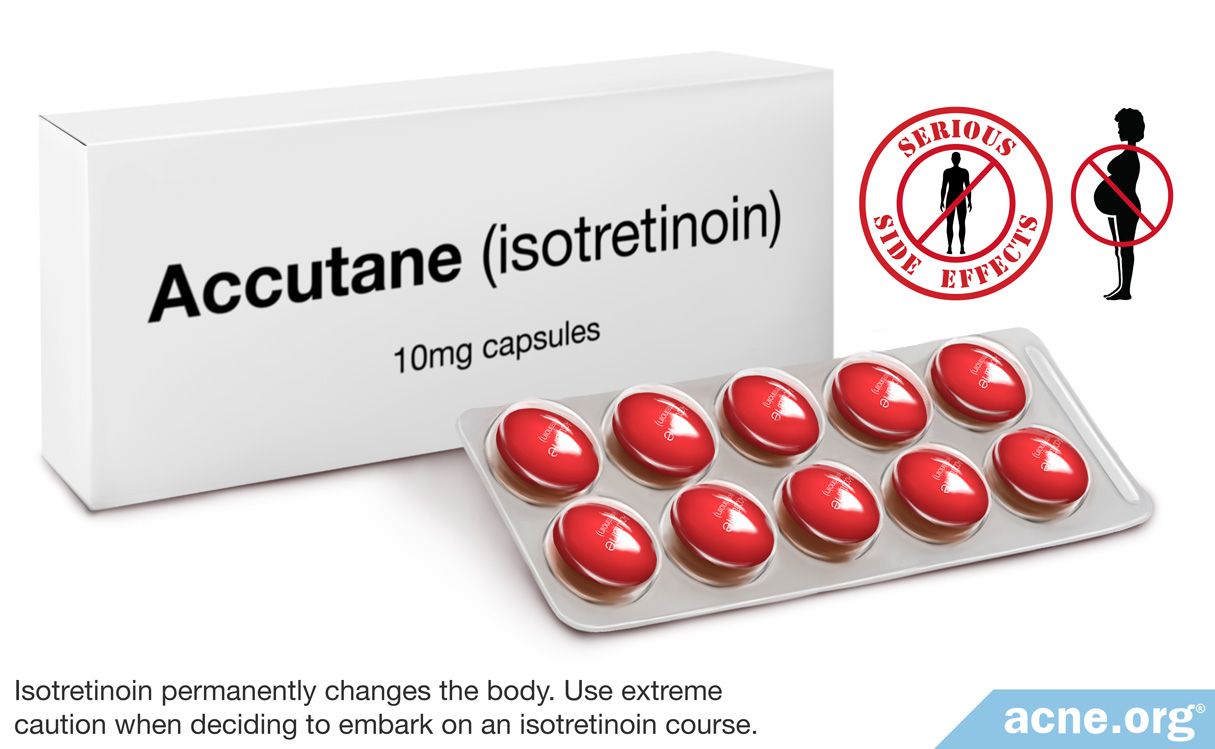
Accutane, a brand name for isotretinoin, was once a revolutionary and highly effective medication primarily known for its potent treatment of severe acne. Its impact on dermatology was profound, offering a lifeline to individuals struggling with persistent and disfiguring skin conditions. However, the story of Accutane is not solely about its therapeutic benefits; it’s also a complex narrative intertwined with significant side effects, regulatory scrutiny, and a lasting legacy that continues to shape how we approach dermatological treatments and manage potent pharmaceuticals.
While the initial question “what was Accutane used for” points directly to its primary dermatological application, a deeper dive reveals its specific targets within acne treatment and the scientific rationale behind its efficacy. Understanding this requires exploring the multifaceted nature of acne and how Accutane addressed its root causes.
The Power of Isotretinoin: Targeting the Multifaceted Nature of Severe Acne
Acne vulgaris, the common form of acne, is a complex skin condition that arises from a combination of factors. These include the overproduction of sebum (skin oil), the proliferation of Cutibacterium acnes (a bacterium that thrives in oily pores), inflammation, and the abnormal shedding of skin cells, leading to clogged pores. In its severe forms, acne can manifest as cystic acne, nodular acne, or acne conglobata, characterized by deep, painful lesions that can lead to permanent scarring and significant psychological distress.
Isotretinoin’s Unique Mechanism of Action
What made Accutane so revolutionary was its ability to tackle virtually all of these contributing factors simultaneously. Unlike other acne treatments that might focus on one or two aspects, isotretinoin, a derivative of vitamin A, exerted a multifaceted impact on the skin:
-
Sebum Reduction: This was perhaps Accutane’s most significant contribution. Isotretinoin dramatically reduces the size and output of the sebaceous glands, the oil-producing structures in the skin. By shrinking these glands and decreasing sebum production, it starved C. acnes of its primary food source and reduced the likelihood of pore blockages. Studies showed that sebum production could be reduced by up to 90% during a course of treatment.
-
Anti-inflammatory Effects: Severe acne is characterized by significant inflammation within the pores. Isotretinoin possesses potent anti-inflammatory properties, which helped to calm the redness, swelling, and pain associated with cystic and nodular acne. This reduction in inflammation was crucial in preventing the deeper, more destructive lesions that often led to scarring.
-
Normalization of Follicular Keratinization: The inner lining of hair follicles, known as keratinocytes, normally shed dead skin cells in a controlled manner. In acne, these cells can become “sticky” and clump together, forming a plug that obstructs the pore. Isotretinoin helps to normalize the behavior of these keratinocytes, promoting a healthier shedding process and preventing the formation of comedones (blackheads and whiteheads), which are the precursors to more severe inflammatory lesions.
-
Antimicrobial Effects: While not its primary mechanism, isotretinoin also demonstrated some ability to reduce the population of C. acnes within the pores, further contributing to its efficacy in controlling the bacterial component of acne.
The Unprecedented Efficacy of Accutane
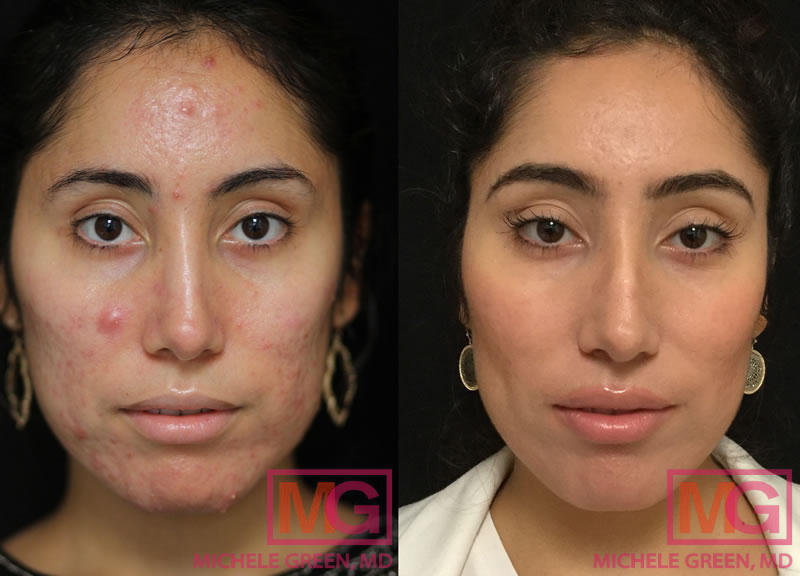
This comprehensive approach to acne pathogenesis translated into remarkable success rates. For patients who had failed to respond to numerous other treatments, including topical antibiotics, oral antibiotics, and hormonal therapies, Accutane offered the possibility of long-term remission, often with just one or two courses of treatment. Many patients experienced a complete or near-complete clearing of their acne, a outcome previously considered unattainable for severe cases. This profound improvement in skin condition had a transformative impact on the quality of life for these individuals, alleviating not only physical discomfort and disfigurement but also the profound psychological burden of severe acne.
Navigating the Complexities: Side Effects and Risk Management
The very potency that made Accutane so effective also came with a significant potential for side effects. These were not minor inconveniences but could be serious and required careful monitoring. The drug’s mechanism of action, affecting cell growth and differentiation throughout the body (as vitamin A derivatives do), meant that its effects were not confined to the skin.
Common and Significant Side Effects
During its widespread use, several side effects became well-documented and were crucial considerations for prescribers and patients:
-
Dermatological Side Effects: The most common side effects were directly related to the drug’s effect on the skin and mucous membranes. These included extreme dryness of the skin, lips (cheilitis), and eyes (keratoconjunctivitis sicca). Nosebleeds (epistaxis) were also frequent due to dryness. Many patients experienced initial worsening of acne, known as the “purging” effect, before improvement was seen.
-
Musculoskeletal Symptoms: Joint pain (arthralgia) and muscle pain (myalgia) were reported by a significant number of patients, sometimes severe enough to limit physical activity.

-
Gastrointestinal Issues: Nausea, vomiting, and diarrhea were also observed.
-
Neurological and Psychiatric Effects: This was an area of significant concern and controversy. Reports of mood changes, including depression, anxiety, and even suicidal ideation, emerged. While a direct causal link was debated, the association was strong enough to warrant careful psychiatric monitoring and informed consent. Headaches and dizziness were also reported.
-
Vision Disturbances: Blurred vision, difficulty with night vision, and increased sensitivity to light were noted.
-
Liver Function Abnormalities: Elevated liver enzymes were observed in some patients, necessitating regular blood tests to monitor liver health.
-
Lipid Profile Changes: Accutane could significantly alter blood lipid levels, increasing triglycerides and LDL cholesterol (bad cholesterol) while decreasing HDL cholesterol (good cholesterol). This required monitoring and sometimes management with other medications.
The iPLEDGE Program: A Landmark in Risk Mitigation
The potential for severe side effects, particularly teratogenicity (the risk of causing birth defects), led to stringent regulatory measures. The most notable was the implementation of the iPLEDGE program in the United States. This mandatory risk management program was designed to prevent fetal exposure to isotretinoin due to its known ability to cause severe birth defects.
The iPLEDGE program mandated that:
- Prescribers: Had to be registered and certified with the program.
- Pharmacies: Could only dispense isotretinoin if the prescription was authorized through the iPLEDGE system.
- Patients:
- Women of childbearing potential: Had to commit to abstaining from sexual intercourse or using two forms of contraception simultaneously throughout treatment and for one month before and after. They also had to undergo monthly pregnancy tests.
- Men: Had to pledge not to donate blood during treatment and for 30 days after to prevent inadvertent exposure to pregnant women.
The iPLEDGE program, while a burden on patients and prescribers, represented a significant effort to balance the immense therapeutic benefits of Accutane with the imperative to protect public health, especially vulnerable populations. It was a pioneering example of a comprehensive risk evaluation and mitigation strategy (REMS) for a powerful pharmaceutical.
The Evolution of Isotretinoin: Beyond the Accutane Brand
While the brand name “Accutane” may have been discontinued in many markets due to litigation and manufacturing changes, isotretinoin itself remains a cornerstone in the treatment of severe acne. The understanding gained from the Accutane era has informed the development of its generic equivalents and refined the approach to its use.
Generic Isotretinoin and Ongoing Research
Today, isotretinoin is available under various generic names worldwide. The core therapeutic benefits and the essential precautions regarding side effects and risk management remain the same. Ongoing research continues to explore:
- Optimal Dosing and Duration: Fine-tuning treatment regimens to maximize efficacy while minimizing side effects.
- Long-Term Outcomes: Further understanding the long-term remission rates and potential late-onset side effects.
- Adjunctive Therapies: Investigating how isotretinoin can be used in conjunction with other treatments for synergistic effects.
- New Formulations: Exploring novel delivery systems or formulations that might improve tolerability or efficacy.
The Enduring Impact on Dermatological Practice
The Accutane experience has fundamentally shaped dermatological practice. It underscored the importance of:
- Patient Education and Informed Consent: The necessity of thoroughly explaining the risks and benefits of potent medications.
- Close Patient Monitoring: The critical role of regular check-ups and laboratory tests for managing side effect profiles.
- Risk Management Strategies: The development and implementation of robust programs to ensure the safe use of high-risk medications.
- Psychological Impact of Skin Conditions: A greater appreciation for the profound link between severe acne and mental well-being, and the need for holistic patient care.
In conclusion, the question “what was Accutane used for” opens a door to a significant chapter in medical history. It was used to conquer severe acne through a potent, multifaceted mechanism of action that offered hope where little existed before. However, its journey also highlights the inherent trade-offs in medicine: the power to heal often comes with the responsibility to manage significant risks. The legacy of Accutane is a testament to scientific innovation, a cautionary tale of potential side effects, and a model for how we can strive for safer, more effective treatments for challenging medical conditions.
aViewFromTheCave is a participant in the Amazon Services LLC Associates Program, an affiliate advertising program designed to provide a means for sites to earn advertising fees by advertising and linking to Amazon.com. Amazon, the Amazon logo, AmazonSupply, and the AmazonSupply logo are trademarks of Amazon.com, Inc. or its affiliates. As an Amazon Associate we earn affiliate commissions from qualifying purchases.