
Understanding the Active Form of Vitamin D
Calcitriol, the biologically active form of Vitamin D, plays a crucial role in maintaining numerous physiological processes within the human body. While often discussed in the context of bone health, its influence extends far beyond this fundamental function, impacting everything from immune responses to cell growth and differentiation. To truly grasp its significance, we must delve into its origin, its mechanism of action, and the profound implications of its presence and absence within our biological systems. This exploration will illuminate why calcitriol is not merely a nutrient but a potent hormone essential for overall health and well-being.

The Journey from Sunlight to a Potent Hormone
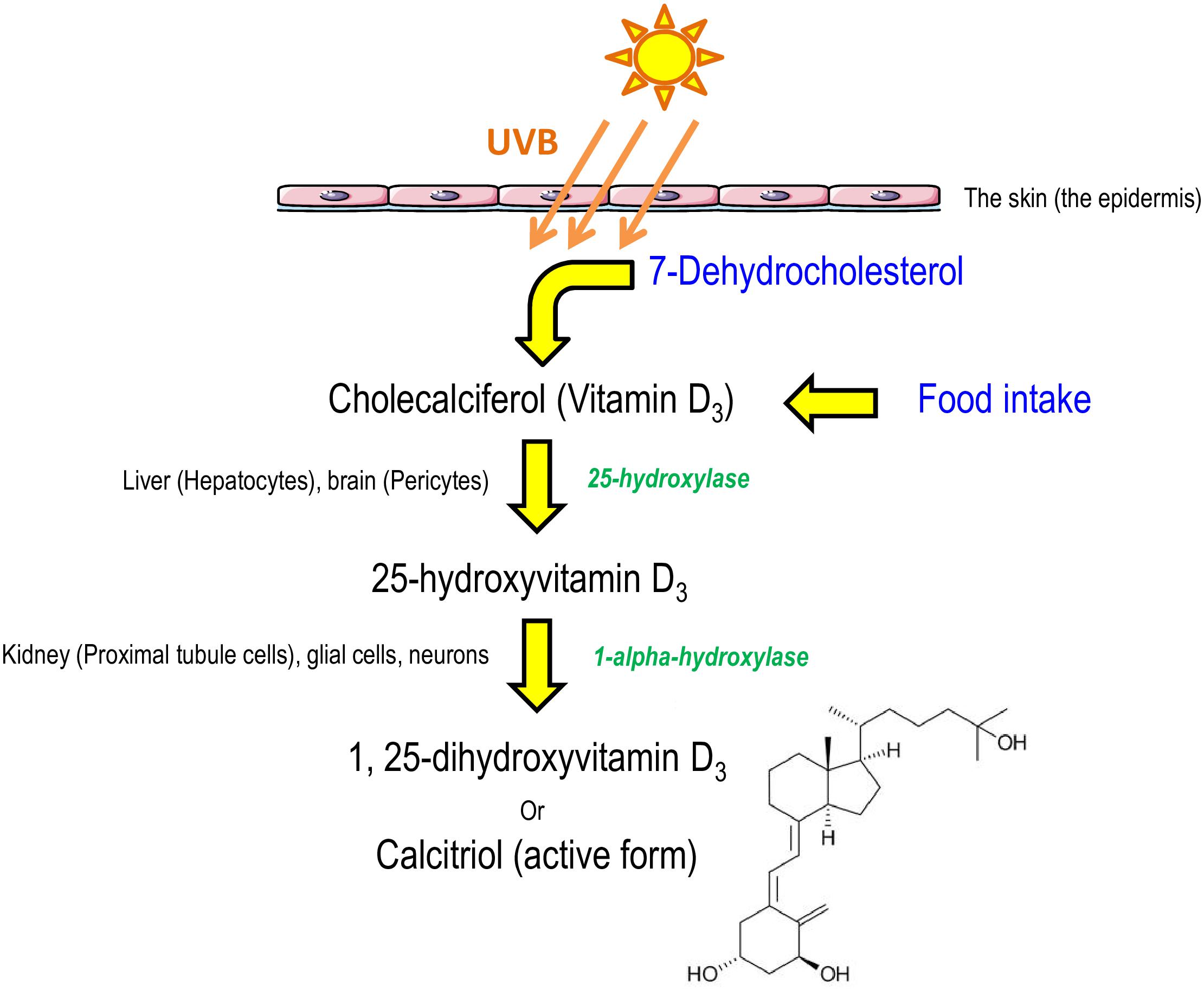
The story of calcitriol begins with a seemingly simple interaction: exposure to ultraviolet B (UVB) radiation from sunlight. When UVB rays strike the skin, they initiate a cascade of biochemical transformations that ultimately lead to the production of this vital compound. However, this process is not immediate and involves several distinct stages, each occurring in different organs of the body.
From Skin to Liver: The First Hydroxylation
The initial step in Vitamin D synthesis occurs in the skin. When UVB light interacts with 7-dehydrocholesterol, a precursor molecule present in the epidermis, it is converted into previtamin D3. Previtamin D3 then undergoes a thermal isomerization to form vitamin D3, also known as cholecalciferol. This vitamin D3 then enters the bloodstream and travels to the liver. In the liver, an enzyme called 25-hydroxylase catalyzes the addition of a hydroxyl group to the vitamin D3 molecule, converting it into 25-hydroxyvitamin D [25(OH)D], also known as calcidiol. Calcidiol is the primary circulating form of Vitamin D and is the form most commonly measured in blood tests to assess Vitamin D status. It serves as a circulating reservoir of Vitamin D, but it is not yet the fully active form.
The Kidney’s Crucial Role: The Second Hydroxylation
The final and most critical step in calcitriol production takes place in the kidneys. Here, another enzyme, 1-alpha-hydroxylase, adds a second hydroxyl group to the calcidiol molecule, specifically at the alpha position of the first carbon. This conversion transforms 25-hydroxyvitamin D into 1,25-dihydroxyvitamin D, which is calcitriol. Calcitriol is the hormonally active form of Vitamin D. Its production in the kidneys is tightly regulated by several factors, including parathyroid hormone (PTH), serum calcium levels, and serum phosphate levels. When calcium or phosphate levels are low, or when PTH levels are high, the kidneys are stimulated to produce more calcitriol. Conversely, high levels of calcitriol itself can suppress its own production, demonstrating a sophisticated negative feedback mechanism.
Dietary Sources and Supplements
While sunlight is the primary natural source for Vitamin D synthesis, dietary intake and supplementation also contribute to the body’s overall Vitamin D pool. Vitamin D can be found in certain foods, such as fatty fish (salmon, mackerel, tuna), fish liver oils, and fortified foods like milk, cereals, and orange juice. However, obtaining sufficient Vitamin D from diet alone can be challenging for many individuals. Vitamin D supplements are widely available and often recommended, particularly for those with limited sun exposure, darker skin pigmentation, or certain medical conditions. These supplements typically contain vitamin D2 (ergocalciferol) or vitamin D3 (cholecalciferol), both of which are converted to calcidiol in the liver and then to calcitriol in the kidneys.
The Multifaceted Functions of Calcitriol
Once synthesized, calcitriol exerts its profound effects by binding to the vitamin D receptor (VDR), a protein found in the nuclei of cells throughout the body. This binding initiates a cascade of gene expression changes, influencing a vast array of cellular processes. The most well-known function of calcitriol is its role in calcium and phosphate homeostasis, but its reach extends to the immune system, cell proliferation, and even neurological health.
Orchestrating Calcium and Phosphate Balance
The regulation of calcium and phosphate levels in the blood is paramount for a multitude of bodily functions, from nerve signal transmission and muscle contraction to bone mineralization. Calcitriol is the principal hormone responsible for maintaining these delicate balances, primarily through its actions on the digestive system and the kidneys.
Enhancing Intestinal Absorption
One of calcitriol’s most significant actions is its ability to increase the absorption of calcium and phosphate from the small intestine. It achieves this by promoting the synthesis of calcium-binding proteins within the intestinal cells. These proteins facilitate the transport of calcium and phosphate from the lumen of the intestine into the bloodstream. Without sufficient calcitriol, the body’s ability to absorb these essential minerals from food is severely compromised, leading to deficiencies even with adequate dietary intake. This enhanced absorption is critical for providing the body with the building blocks necessary for strong bones and teeth.
Modulating Renal Handling
Calcitriol also influences calcium and phosphate levels by acting on the kidneys. It promotes the reabsorption of calcium and phosphate from the glomerular filtrate back into the bloodstream, thereby reducing their excretion in urine. This action conserves these minerals within the body, further contributing to maintaining adequate blood concentrations. The interplay between calcitriol and parathyroid hormone is central to this renal regulation. When calcium levels are low, PTH is released, stimulating calcitriol production. Calcitriol then works to raise calcium levels by increasing intestinal absorption and renal reabsorption, while also suppressing PTH release, creating a tightly controlled feedback loop.
Mobilizing Bone Minerals
In situations where dietary intake and intestinal absorption are insufficient to meet the body’s calcium demands, calcitriol, in conjunction with PTH, can promote the release of calcium and phosphate from the bones. This process, known as bone resorption, involves the breakdown of bone tissue by specialized cells called osteoclasts. While essential for maintaining serum calcium levels during periods of deficiency, chronic or excessive bone resorption can lead to weakened bones and an increased risk of fractures. Therefore, calcitriol’s role in bone health is a delicate balancing act, promoting mineralization when levels are adequate and facilitating mobilization when necessary.
Beyond Bones: The Immune System and Cell Regulation
Calcitriol’s influence is far-reaching, extending into the intricate workings of the immune system and the fundamental processes of cell growth and differentiation. Emerging research continues to uncover new and vital roles for this active Vitamin D metabolite.
Modulating Immune Responses
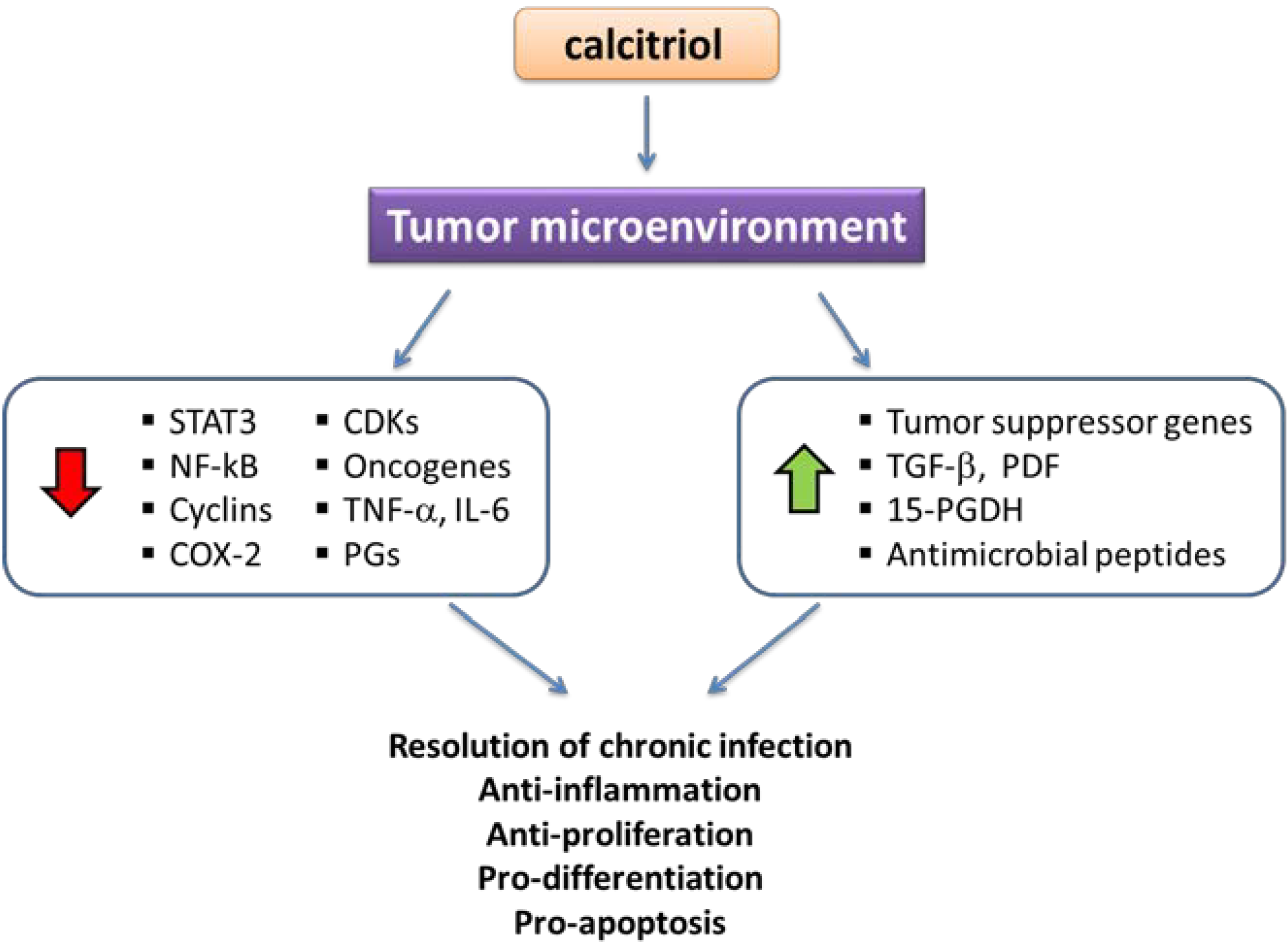
The vitamin D receptor (VDR) is expressed on various immune cells, including T cells, B cells, and macrophages. Calcitriol’s interaction with these receptors allows it to modulate immune responses in a variety of ways. It can suppress the production of pro-inflammatory cytokines and promote the production of anti-inflammatory cytokines, thereby helping to maintain immune tolerance and prevent autoimmune reactions. Calcitriol also plays a role in enhancing the innate immune system’s ability to fight off infections by increasing the production of antimicrobial peptides. This immunomodulatory capacity suggests a role for calcitriol in managing inflammatory diseases and infections.
Influencing Cell Growth and Differentiation
Calcitriol has been shown to influence the proliferation and differentiation of various cell types. It can inhibit the excessive proliferation of certain cells, a characteristic often observed in cancerous tissues. Conversely, it can promote the differentiation of cells, guiding them towards specialized functions. This antiproliferative and prodifferentiative effect has made calcitriol a subject of intense research in the context of cancer prevention and treatment, as well as in conditions involving abnormal cell growth.
Potential Neurological Benefits
While research is ongoing, there is growing evidence suggesting that calcitriol may play a role in brain health. The VDR is found in various regions of the brain, and calcitriol has been implicated in neuronal development, protection, and function. Some studies have explored the potential links between Vitamin D deficiency and neurological disorders, though more definitive research is needed to establish causal relationships and therapeutic applications.
Calcitriol Deficiency and Excess: Clinical Implications
The delicate balance of calcitriol production and action is crucial for health. Disruptions in this balance, whether due to deficiency or excess, can lead to a range of significant health problems, underscoring the importance of maintaining adequate levels.
Causes and Consequences of Calcitriol Deficiency
Calcitriol deficiency can arise from a variety of factors, impacting individuals across different age groups and health statuses. Understanding these causes is vital for effective diagnosis and intervention.
Insufficient Sun Exposure and Dietary Intake
As previously discussed, limited exposure to sunlight and inadequate dietary intake of Vitamin D are primary drivers of calcitriol deficiency. This is particularly common in individuals living in regions with prolonged winters, those who spend most of their time indoors, or individuals with diets low in Vitamin D-rich foods.
Impaired Synthesis and Metabolism
Certain medical conditions can interfere with the body’s ability to synthesize or metabolize Vitamin D. Chronic kidney disease is a major cause of calcitriol deficiency because the kidneys are the primary site of its production. Liver disease can also impair the conversion of vitamin D to calcidiol. Furthermore, certain genetic disorders and malabsorption syndromes can hinder Vitamin D processing.
Rickets and Osteomalacia
In children, severe calcitriol deficiency leads to rickets, a condition characterized by soft, weak, and deformed bones due to impaired bone mineralization. In adults, the equivalent condition is osteomalacia, which also involves bone softening and increased susceptibility to fractures. These conditions highlight the critical role of calcitriol in skeletal health.
Osteoporosis and Increased Fracture Risk
Even sub-optimal levels of calcitriol can contribute to bone loss and increase the risk of osteoporosis, a condition characterized by reduced bone density and increased fragility. This is particularly relevant in older adults, where bone remodeling processes naturally shift towards resorption. Adequate calcitriol levels are essential for maintaining bone strength throughout the lifespan.
Hypercalcemia: The Risks of Excess Calcitriol
While deficiency is more common, an excess of calcitriol can also lead to serious health issues, primarily characterized by elevated blood calcium levels.
Vitamin D Intoxication
Excessive intake of Vitamin D supplements can lead to Vitamin D intoxication, a condition where blood levels of both calcidiol and calcitriol become abnormally high. This can occur when very high doses of Vitamin D are consumed over extended periods without medical supervision.
Granulomatous Diseases
Certain inflammatory conditions, such as sarcoidosis and tuberculosis, are characterized by the formation of granulomas, which are collections of immune cells. In some individuals with these conditions, immune cells within the granulomas can inappropriately activate the enzyme 1-alpha-hydroxylase, leading to the overproduction of calcitriol and consequently, hypercalcemia.
Symptoms and Management
Hypercalcemia resulting from excess calcitriol can manifest in a range of symptoms, including nausea, vomiting, constipation, frequent urination, fatigue, confusion, and in severe cases, kidney stones and heart rhythm abnormalities. Management involves discontinuing Vitamin D supplements, restricting calcium intake, and in severe cases, medical interventions to lower calcium levels.
Ensuring Optimal Calcitriol Levels
Given its vital roles, maintaining adequate calcitriol levels is paramount for overall health. A proactive approach encompassing lifestyle, diet, and, when necessary, medical guidance is key to achieving this.
Lifestyle and Dietary Strategies
Simple yet effective strategies can significantly contribute to optimal calcitriol production and utilization.
Judicious Sun Exposure
Moderate and sensible exposure to sunlight remains a primary method for Vitamin D synthesis. Aiming for brief periods of sun exposure on exposed skin, particularly during midday when UVB radiation is strongest, can be beneficial. However, it is crucial to balance sun exposure with the risks of skin damage and skin cancer by avoiding prolonged, unprotected exposure and using sunscreen when necessary.
Vitamin D-Rich Foods
Incorporating foods naturally rich in Vitamin D or fortified with it into one’s diet can help supplement Vitamin D intake. Fatty fish like salmon, mackerel, and sardines are excellent sources. Fortified milk, yogurt, cereals, and plant-based milk alternatives are also common and accessible options.
When to Consider Supplementation
While lifestyle and diet are foundational, supplementation often becomes a necessary component for many individuals to achieve optimal calcitriol levels.
Assessing Vitamin D Status
The most reliable way to determine Vitamin D status is through a blood test to measure 25-hydroxyvitamin D [25(OH)D] levels. This measurement provides an accurate picture of the body’s Vitamin D reserves. A healthcare professional can interpret these results and recommend appropriate action.
Guidance on Supplementation
If blood tests reveal deficiency or insufficient levels, a healthcare provider can recommend Vitamin D supplementation. The dosage and form of Vitamin D (D2 or D3) will be tailored to the individual’s needs and circumstances. It is crucial to follow medical advice regarding supplement dosage to avoid potential toxicity.
The Role of Healthcare Professionals
For individuals with underlying medical conditions or concerns about their Vitamin D status, consulting with a healthcare professional is essential.
Diagnosis and Treatment of Deficiencies
Doctors can diagnose the causes of calcitriol deficiency, whether due to lifestyle, dietary, or medical reasons, and implement appropriate treatment plans. This may involve higher doses of Vitamin D supplements or addressing underlying conditions.
Managing Conditions Affected by Calcitriol
For conditions like chronic kidney disease, where calcitriol production is impaired, physicians may prescribe synthetic calcitriol or its analogs to directly provide the active hormone and manage mineral imbalances.
In conclusion, calcitriol stands as a testament to the intricate and interconnected nature of our biological systems. From its humble beginnings as a product of sunlight and cellular transformation to its potent hormonal influence on calcium, bone health, immunity, and cellular processes, calcitriol is indispensable for maintaining life. Understanding its synthesis, functions, and the implications of its imbalances empowers us to make informed choices about our health, ensuring that this vital compound continues to support our well-being throughout our lives.
aViewFromTheCave is a participant in the Amazon Services LLC Associates Program, an affiliate advertising program designed to provide a means for sites to earn advertising fees by advertising and linking to Amazon.com. Amazon, the Amazon logo, AmazonSupply, and the AmazonSupply logo are trademarks of Amazon.com, Inc. or its affiliates. As an Amazon Associate we earn affiliate commissions from qualifying purchases.