
Understanding the fundamental units of energy is not merely an academic exercise; it is a critical component of astute financial management, both personally and for businesses. From decoding your monthly utility bill to evaluating investments in the energy sector or optimizing operational costs, a firm grasp of how energy is measured empowers informed decision-making. In a world where energy prices fluctuate and sustainability mandates grow, proficiency in these units translates directly into tangible financial advantages and strategic insights.
The Foundational Unit: The Joule and Its Financial Relevance
At its core, energy is the capacity to do work. The international standard (SI) unit for measuring energy is the Joule (J). Named after the English physicist James Prescott Joule, this unit quantifies everything from the energy released by a chemical reaction to the kinetic energy of a moving object. While the Joule is ubiquitous in scientific contexts, its direct appearance on a typical consumer bill is rare. However, its derivatives and related units form the bedrock of all energy cost calculations.
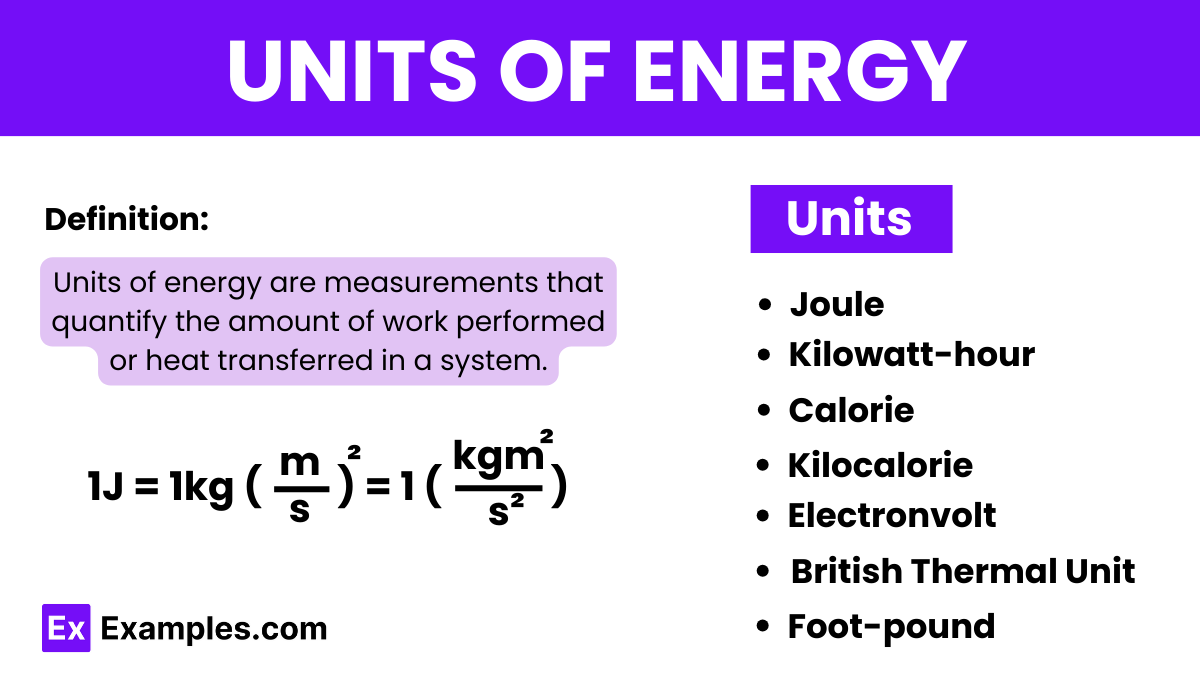
Understanding the Joule
A single Joule is a relatively small amount of energy. To put it into perspective, lifting a small apple one meter requires approximately one Joule of energy. This scale means that in practical applications, larger multiples are often used:
- Kilojoule (kJ): 1,000 Joules
- Megajoule (MJ): 1,000,000 Joules
- Gigajoule (GJ): 1,000,000,000 Joules
These larger units become more relevant when discussing the energy content of fuels, industrial processes, or the total energy consumption of entire buildings. For instance, the energy content of natural gas or a specific type of coal might be quoted in Gigajoules per unit of mass or volume, directly influencing the cost per unit of energy for industrial users.
Joules in Everyday Economics
While you might not see “Joules” on your home electricity bill, the principle is embedded. The Watt (W), a unit of power, is defined as one Joule per second (1 W = 1 J/s). This relationship is crucial because electricity consumption is ultimately measured in units derived from power over time, linking back to the Joule.
For businesses, understanding Joules and their derivatives is essential for:
- Energy Audits: Quantifying the energy consumption of various processes or equipment in Joules (or a derived unit) helps identify inefficiencies and potential savings.
- Fuel Procurement: Comparing different fuel sources (e.g., natural gas, propane, heating oil) often involves converting their energy content to a common unit like the Gigajoule to assess the most cost-effective option per unit of energy.
- Capital Expenditure Decisions: Investing in new, energy-efficient machinery requires an understanding of how many Joules of energy it will save over its lifetime, translating into projected financial returns.
Even in personal finance, understanding the energy content of food, often measured in kilocalories (which can be converted to kilojoules), influences dietary choices, health, and ultimately, long-term healthcare costs. While less direct, the financial implications of energy are pervasive, and the Joule is the underlying common denominator.
Kilowatt-Hours (kWh): The Currency of Your Electricity Bill
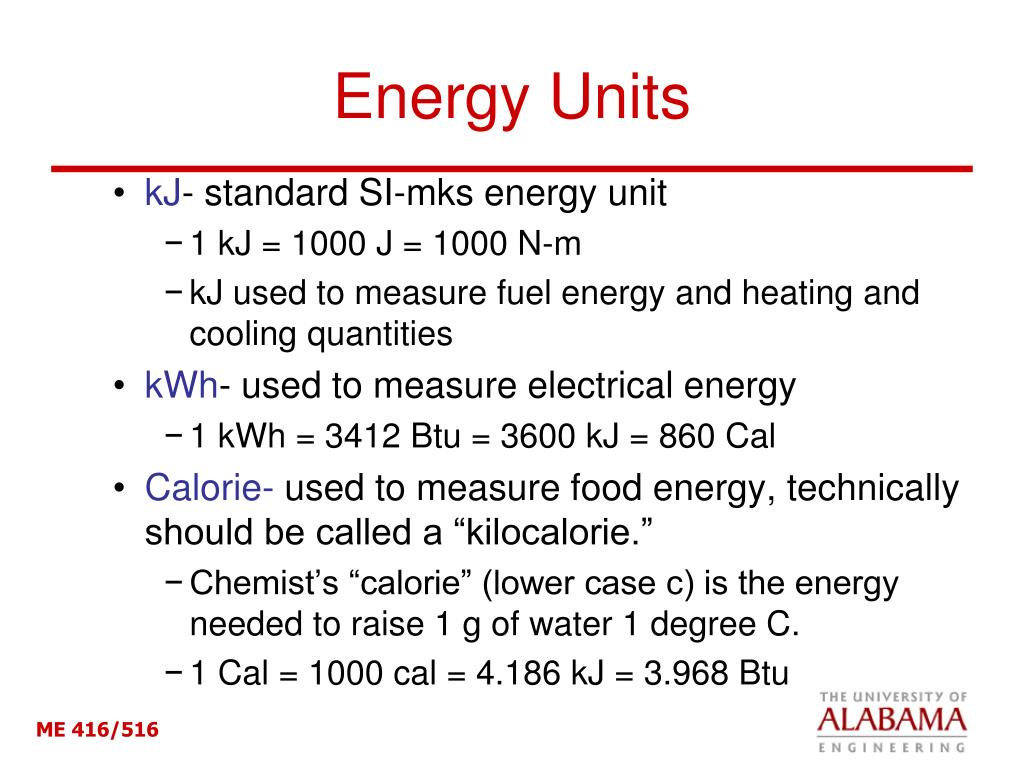
Perhaps the most recognized energy unit for households and businesses alike is the kilowatt-hour (kWh). This is the unit almost universally used by utility companies to measure and bill electricity consumption. Unlike the Joule, the kWh is a unit of energy – specifically, the amount of energy consumed by a 1,000-watt (1-kilowatt) device operating for one hour.
Deciphering the kWh
To fully appreciate the financial impact of kWh, consider these aspects:
- Calculation: If you leave a 100-watt light bulb on for 10 hours, it consumes 100 watts * 10 hours = 1000 watt-hours, or 1 kWh. If your electricity rate is $0.15 per kWh, that bulb costs $0.15 for those 10 hours.
- Variability in Rates: Electricity rates per kWh can vary significantly based on location, time of day (time-of-use tariffs), and total consumption tiers. Understanding your local rate structure is paramount to managing costs.
- Appliance Consumption: Every electrical appliance has a wattage rating. Knowing this allows you to estimate its energy usage and associated cost. A high-wattage appliance like an electric oven or air conditioner will consume many kWh rapidly, leading to higher bills compared to low-wattage devices like LED light bulbs.
For businesses, monitoring kWh consumption goes beyond simple billing. It’s a key performance indicator for operational efficiency. Large industrial consumers often have complex tariffs that factor in peak demand charges (based on the highest instantaneous power usage in kilowatts, not just total kWh), further emphasizing the need for granular energy management.
Strategic Consumption for Savings
Optimizing kWh consumption is a direct path to financial savings. This involves:
- Energy-Efficient Appliances: Investing in appliances with higher Energy Star ratings reduces kWh consumption over their lifespan, leading to substantial long-term savings. The upfront cost might be higher, but the return on investment through lower energy bills can be compelling.
- Behavioral Changes: Simply turning off lights, unplugging phantom loads, and adjusting thermostat settings can collectively reduce kWh usage.
- Smart Home/Building Technology: Automated systems can optimize energy use by learning patterns, controlling lighting and HVAC, and responding to real-time electricity prices, maximizing savings.
- Renewable Energy Integration: For both homeowners and businesses, installing solar panels or other on-site renewable energy sources can offset grid-supplied kWh, potentially leading to net-metering benefits where surplus energy is sold back to the grid. This transforms an energy expense into a potential revenue stream or significant cost reduction.
Understanding the kWh unit is not just about paying bills; it’s about proactively managing a significant line item in both personal and corporate budgets.
Beyond Electricity: Thermal Energy and Fuel Units in Finance
While electricity is a major energy expense, thermal energy for heating and cooling, along with various fuels for transportation and industrial processes, also represents substantial financial outlays. Different units are employed to quantify these, each with its own financial implications.
BTUs, Calories, and Heating Costs
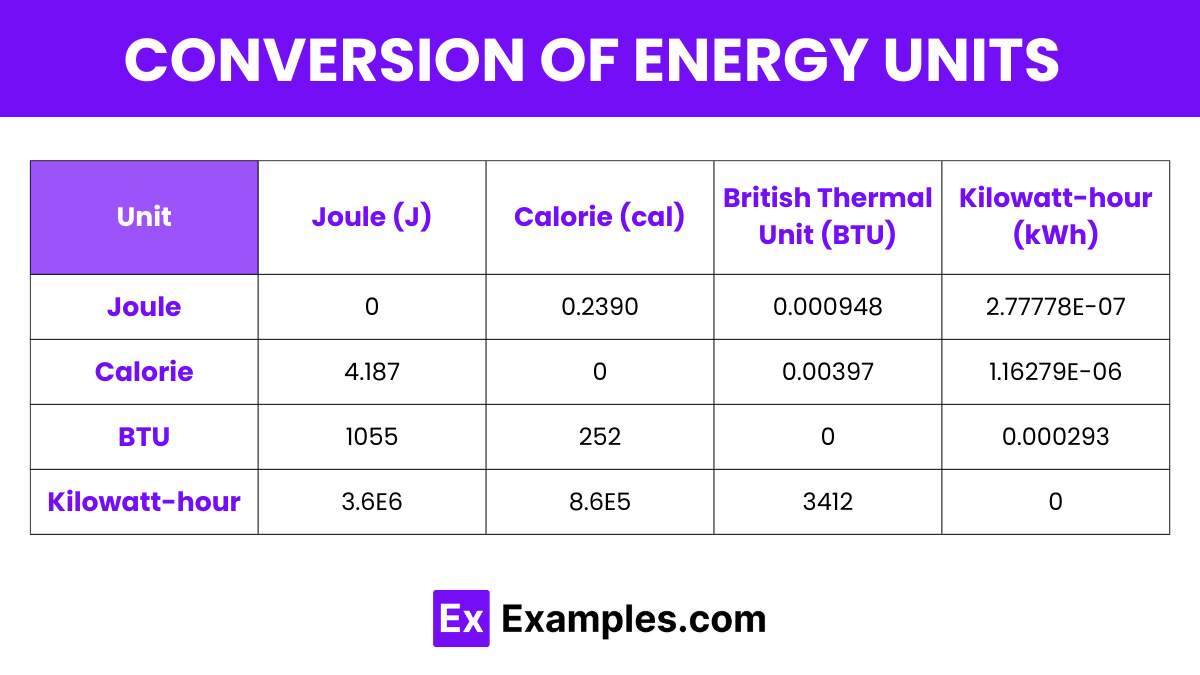
- British Thermal Unit (BTU): Commonly used in North America, particularly for natural gas, propane, and heating/cooling systems (HVAC). One BTU is the amount of energy required to raise the temperature of one pound of water by one degree Fahrenheit. Natural gas is often sold by the therm, where 1 therm = 100,000 BTUs. Comparing the cost per therm of natural gas to the cost per gallon of heating oil (which also has a BTU content) is a critical financial analysis for property owners or facilities managers.
- Financial Relevance: When purchasing a new furnace, air conditioner, or water heater, its BTU output or cooling capacity directly relates to its efficiency and the cost of operation. Homeowners or businesses might analyze the cost per BTU of different heating fuels to determine the most economical option for their climate and infrastructure.
- Calorie (cal) / Kilocalorie (kcal): While often associated with food, the calorie is also a unit of energy. A kilocalorie (often simply called “calorie” on food labels) is the amount of energy needed to raise the temperature of one kilogram of water by one degree Celsius.
- Financial Relevance: Though less direct than other units, understanding the energy content of food in calories informs health and wellness decisions, which ultimately impact personal finance through healthcare costs and productivity. In a broader sense, for businesses in the food and beverage industry, understanding the energy density of ingredients affects sourcing, processing, and consumer marketing.
Fuel Efficiency and Transportation Budgets
Fuel units are particularly relevant for transportation, logistics, and any industry reliant on combustion engines.
- Gallon (US/Imperial) or Liter (L): These are units of volume, not energy directly. However, the energy content of a gallon of gasoline or diesel is relatively consistent, allowing for direct financial comparisons.
- Financial Relevance: Fuel prices per gallon/liter are a major variable cost for individuals and businesses. Calculating “miles per gallon” (MPG) or “kilometers per liter” (km/L) is a direct measure of fuel efficiency, dictating transportation budgets. Investing in more fuel-efficient vehicles or optimizing delivery routes based on fuel consumption directly impacts profitability for transport companies and personal spending for commuters.
- Barrels of Oil Equivalent (BOE) and Cubic Feet (cf) of Natural Gas: These are standard units in the energy commodity markets.
- Financial Relevance: For investors and businesses in the oil and gas sector, understanding these units is paramount. Companies report reserves and production in BOE, which is a key metric for valuation. Natural gas is often traded in contracts based on cubic feet (or thousands of cubic feet, Mcf), with pricing typically quoted in dollars per Mcf or per million BTUs. Traders, analysts, and energy companies rely on these units to evaluate market trends, manage risk, and make investment decisions.
Energy Unit Conversions: Critical for Business and Investment Decisions
The global energy landscape is complex, with various sources and units. The ability to accurately convert between different energy units is not just a technical skill; it is a financial imperative for making sound comparisons, strategic investments, and robust planning.
Comparing Energy Sources and Technologies
When considering a switch from one energy source to another (e.g., natural gas to electricity for heating, or diesel generators to grid power), businesses must perform detailed cost-benefit analyses. This requires converting all energy inputs to a common unit (often Gigajoules or kWh equivalent) to determine the true cost per unit of usable energy.
For example, a business might compare the cost of generating electricity from a diesel generator (using gallons of diesel) versus purchasing it from the grid (billed in kWh). This involves:
- Determining the energy content of a gallon of diesel (e.g., approximately 138,700 BTUs or 40.6 kWh per gallon).
- Calculating the efficiency of the generator (how much electrical kWh is produced per gallon of diesel).
- Comparing the resulting cost per kWh of self-generated power against the utility’s tariff.
Such conversions highlight hidden costs and efficiencies, guiding decisions on energy infrastructure upgrades, fuel hedging strategies, and even the feasibility of adopting new energy technologies like hydrogen or advanced biofuels.
The Investor’s Edge: Unit-Based Analysis
For investors, a deep understanding of energy units provides a significant edge. When evaluating energy companies, analysts frequently look at:
- Cost per unit of production: How much does it cost an oil company to extract a barrel of oil equivalent (BOE)?
- Revenue per unit sold: What is the average selling price per BOE or per Mcf of natural gas?
- Energy efficiency of operations: For manufacturing or data center companies, how much energy (kWh or Joules) is consumed per unit of output or per computational task? This directly impacts their operational leverage and competitive advantage.
Understanding these unit economics allows investors to accurately assess a company’s financial health, operational efficiency, and resilience to fluctuating commodity prices. It enables comparisons between different energy plays, from traditional fossil fuels to renewable energy projects, where metrics like “cost per MWh (megawatt-hour)” are paramount.
In essence, energy units are the language of energy finance. Mastering them unlocks the ability to scrutinize costs, optimize consumption, make intelligent investment choices, and navigate the intricate and financially impactful world of energy.
aViewFromTheCave is a participant in the Amazon Services LLC Associates Program, an affiliate advertising program designed to provide a means for sites to earn advertising fees by advertising and linking to Amazon.com. Amazon, the Amazon logo, AmazonSupply, and the AmazonSupply logo are trademarks of Amazon.com, Inc. or its affiliates. As an Amazon Associate we earn affiliate commissions from qualifying purchases.