
Embarking on the entrepreneurial journey to establish your own business is a monumental step, fraught with both exhilarating potential and significant challenges. While vision, passion, and market understanding are vital, the bedrock of any successful venture is its financial foundation. Without a robust financial strategy, even the most innovative ideas can falter. This guide delves into the essential monetary considerations, from initial funding to long-term financial health, providing a clear roadmap for aspiring business owners.
Laying the Financial Cornerstone: Initial Planning and Budgeting
Before a single product is sold or service rendered, the financial viability of your business idea must be meticulously assessed. This initial phase is about transforming your vision into concrete financial realities.
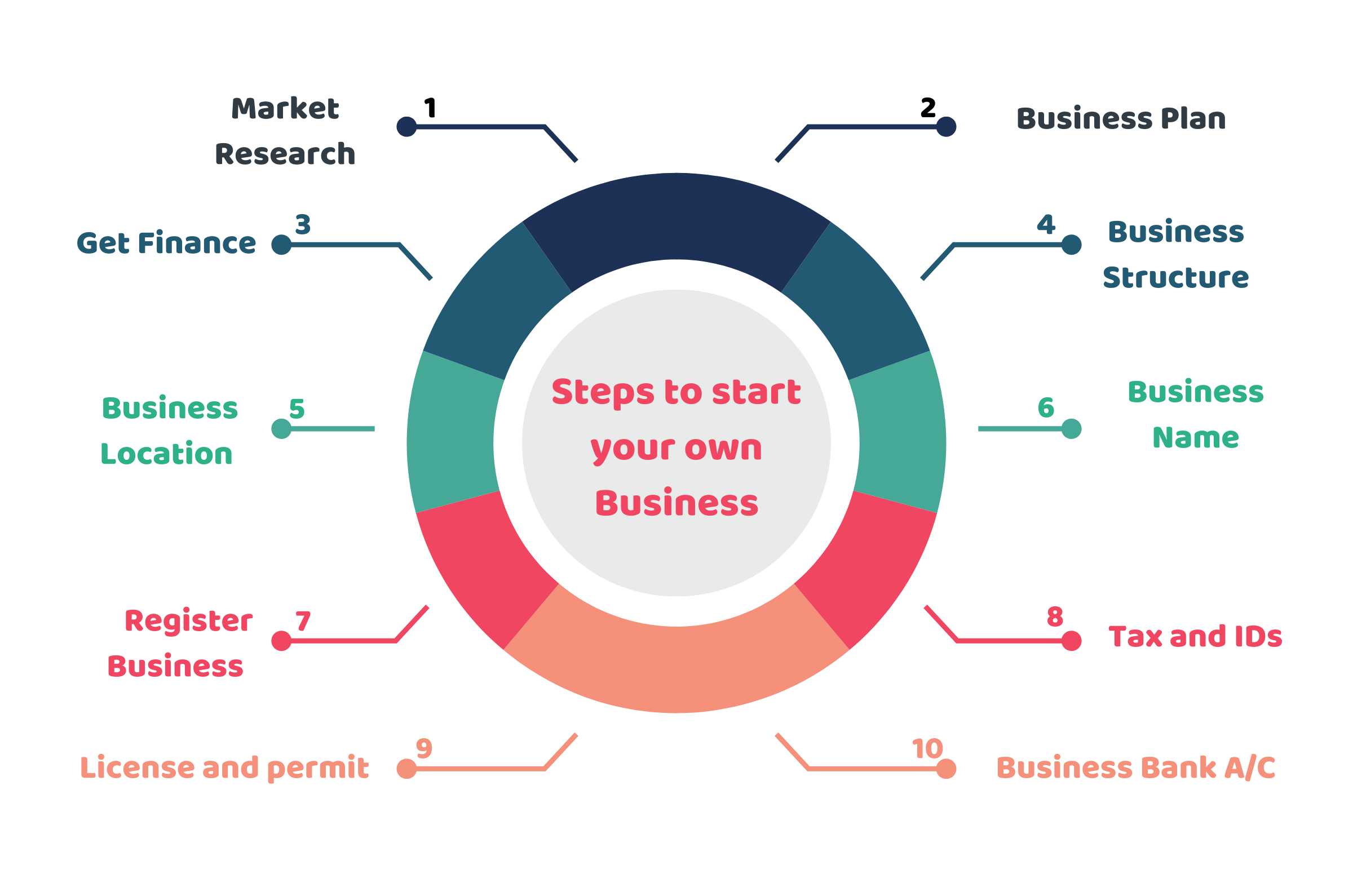
Defining Your Business Idea and Its Financial Viability
Every successful business begins with a clear, well-defined idea. However, from a financial perspective, this idea must demonstrate market demand and a clear path to generating revenue. Begin by conducting thorough market research to validate the need for your product or service. Who is your target customer? What problem are you solving for them? How much are they willing to pay? Understanding the answers to these questions is the first step in determining if your business concept can attract paying customers and sustain itself financially.
Beyond demand, consider the operational costs associated with delivering your product or service. A service-based business might have lower initial overhead than a manufacturing company, for example. Assess the competitive landscape and identify your unique value proposition – how will you differentiate yourself to command a price that covers your costs and yields a profit? A strong business idea, financially speaking, is one that addresses a demonstrable market need, can be delivered efficiently, and possesses a clear revenue model.
Comprehensive Startup Cost Analysis
One of the most common pitfalls for new businesses is underestimating startup costs. A comprehensive analysis is crucial for avoiding early financial strain. Break down every imaginable expense required to get your business operational before it generates significant revenue. This includes both one-time expenditures and recurring initial costs.
One-time costs might include:
- Legal and Administrative Fees: Business registration, licenses, permits, legal consultation for business structure, trademarking.
- Equipment and Technology: Computers, specialized machinery, software licenses, website development, initial inventory.
- Leasehold Improvements: Renovation or customization of office/retail space.
- Initial Marketing and Branding: Logo design, website setup, initial advertising campaigns.
- Deposits: Security deposits for rent, utilities.
Recurring initial costs (often for the first 3-6 months before significant revenue kicks in):
- Rent/Mortgage: For physical premises.
- Utilities: Electricity, internet, water.
- Salaries and Wages: For yourself and any initial employees.
- Insurance: General liability, professional indemnity, property insurance.
- Raw Materials/Inventory: Ongoing stock purchases.
- Marketing and Advertising: Ongoing promotional efforts.
- Professional Services: Accounting, legal, payroll.
Be diligent in this exercise, anticipating unexpected costs and adding a contingency fund (typically 10-20% of your total estimated startup costs) to account for unforeseen expenses. This rigorous exercise will reveal the true financial commitment required.
Crafting Realistic Financial Projections
With your startup costs identified, the next step is to project your business’s financial performance over the first 3-5 years. This involves creating income statements, cash flow statements, and balance sheet projections. These aren’t just guesses; they are educated estimates based on your market research, pricing strategy, and operational plan.
- Sales Projections: How much revenue do you realistically expect to generate each month/year? Start conservatively and build up.
- Cost of Goods Sold (COGS): What are the direct costs associated with producing your product or service?
- Operating Expenses: Beyond COGS, what are your fixed and variable monthly expenses (salaries, rent, marketing, utilities, etc.)?
- Profit and Loss (P&L) Statement: Combine revenue, COGS, and operating expenses to project your net profit or loss.
- Cash Flow Statement: Crucially, this tracks the actual movement of cash in and out of your business. A business can be profitable on paper but fail due to poor cash flow. Projecting cash flow helps you anticipate potential shortfalls and ensure you have enough liquidity to cover expenses.
- Break-Even Analysis: Determine the point at which your total revenue equals your total expenses, meaning your business is neither making nor losing money. This is a critical metric for understanding sales targets.
Realistic projections are vital for setting financial goals, measuring progress, and, most importantly, attracting investors or securing loans. They demonstrate your understanding of the business’s economic engine.
Funding Your Vision: Strategies for Securing Capital
Once you understand the financial requirements, the next hurdle is securing the capital needed to launch and sustain your business. This is often one of the most challenging aspects for new entrepreneurs.
Bootstrapping and Personal Savings: The Lean Approach
Bootstrapping involves funding your business primarily through personal savings, revenue generated by the business itself, and minimal outside capital. This is a common and often preferred method for entrepreneurs, as it means less debt and no dilution of equity.
Advantages:
- Full Control: You retain complete ownership and decision-making power.
- Financial Discipline: Forces a lean operation, emphasizing efficiency and cost-cutting from day one.
- Lower Risk: Reduces personal and business debt burden.
Considerations:
- Limited Capital: Growth may be slower due to restricted funds.
- Personal Risk: Your personal finances are directly tied to the business’s success.
- Scalability Challenges: May not be suitable for capital-intensive businesses.
If bootstrapping, develop a clear personal budget, minimize personal expenses, and be prepared to make sacrifices. Start small, validate your idea, and reinvest profits strategically.
Exploring Debt Financing: Loans and Lines of Credit
Debt financing involves borrowing money that must be repaid with interest. This is a traditional method for funding businesses, especially when they have assets to use as collateral or a strong business plan.
- Bank Loans: Traditional term loans from banks can provide significant capital. They typically require a solid business plan, collateral, and sometimes a personal guarantee.
- SBA Loans: In the U.S., Small Business Administration (SBA) guaranteed loans can make it easier for small businesses to obtain funding from banks, as the government guarantees a portion of the loan.
- Lines of Credit: A flexible option that allows businesses to draw funds as needed, up to a certain limit, and only pay interest on the amount borrowed. Useful for managing cash flow fluctuations.
- Microloans: Smaller loans (typically up to $50,000) offered by non-profit organizations or alternative lenders, often with more flexible terms for startups and underserved communities.
When considering debt, meticulously evaluate interest rates, repayment schedules, and any collateral requirements. Ensure your projected cash flow can comfortably cover loan repayments.
Attracting Equity Investors: Angel Investors and Venture Capital
Equity financing involves selling a portion of your company’s ownership in exchange for capital. This is often sought by high-growth potential businesses that require substantial funding and can offer significant returns to investors.
- Angel Investors: High-net-worth individuals who invest their own money in early-stage startups, often providing mentorship and industry connections alongside capital. They typically invest smaller amounts than VCs.
- Venture Capital (VC) Firms: Professional investment firms that manage funds from institutions and wealthy individuals, investing in startups with high growth potential in exchange for significant equity. VCs usually invest larger sums in later stages but demand a seat on the board and a clear exit strategy (e.g., acquisition or IPO).
Considerations:
- Dilution of Ownership: You give up a percentage of your company, meaning less control and a smaller share of future profits.
- Investor Expectations: Investors will expect a return on their investment and may influence strategic decisions.
- Rigorous Due Diligence: The process of securing equity investment is often lengthy and highly scrutinized.
Alternative Funding Avenues: Grants, Crowdfunding, and Microloans
Beyond traditional methods, several alternative funding sources can provide a lifeline for startups.
- Grants: Non-repayable funds often provided by government agencies, foundations, or corporations to support businesses in specific industries (e.g., tech, clean energy) or those addressing social issues. Research eligibility criteria carefully.
- Crowdfunding: Raising small amounts of capital from a large number of individuals, typically via online platforms.
- Reward-based crowdfunding: Offer products or unique experiences in exchange for pledges.
- Equity crowdfunding: Sell small equity stakes to many investors (subject to regulations).
- Donation-based crowdfunding: Purely philanthropic support.
- Friends and Family: Often the first port of call for startups, but crucial to formalize any agreements with clear terms to avoid damaging relationships.
Each funding avenue has its pros and cons, and the best choice depends on your business type, growth potential, and willingness to cede control or take on debt. Diversifying your funding strategy can also be an effective approach.
Mastering Business Finances: Operations, Pricing, and Profitability
Securing initial funding is just the beginning. The ongoing financial health of your business hinges on effective financial management during operations. This includes meticulous tracking, strategic pricing, and vigilant cash flow management.
Establishing Robust Financial Management Systems
From day one, implement systems for tracking every dollar in and out of your business. This is non-negotiable for understanding performance, making informed decisions, and ensuring compliance.
- Accounting Software: Utilize tools like QuickBooks, Xero, or Wave to record transactions, generate financial statements, and track expenses. This automates much of the bookkeeping process.
- Bank Accounts: Open separate business bank accounts and, if applicable, credit cards. Never commingle personal and business finances.
- Expense Tracking: Implement a system for categorizing and tracking all business expenses. This is vital for tax purposes and identifying areas for cost reduction.
- Invoicing and Collections: Set up a clear process for invoicing customers promptly and following up on overdue payments to maintain healthy cash flow.
Consider hiring a professional bookkeeper or accountant early on, even if part-time. Their expertise can save you time, prevent costly errors, and provide invaluable financial insights.

Strategic Pricing for Profitability and Market Competitiveness
Pricing is one of the most critical financial decisions you’ll make. It directly impacts your revenue, profitability, and market perception. It’s not just about covering costs; it’s about capturing value.
- Cost-Plus Pricing: Calculate your total cost (direct and indirect) to produce a product or service, then add a desired profit margin. Simple, but may not reflect market value.
- Value-Based Pricing: Price based on the perceived value your product or service offers to the customer, rather than just your costs. Requires a deep understanding of customer needs and competitive offerings.
- Competitive Pricing: Set prices based on what your competitors are charging. Useful for highly competitive markets, but be careful not to start a race to the bottom.
- Penetration Pricing: Initially set a low price to quickly gain market share, then gradually increase it.
- Skimming Pricing: Launch with a high price to capture early adopters, then lower it over time.
Continuously review and adjust your pricing strategy as market conditions change, costs fluctuate, and your value proposition evolves. Ensure your prices not only cover costs but also contribute to your desired profit margins and allow for reinvestment.
Managing Cash Flow and Working Capital Effectively
Cash flow is the lifeblood of any business. A healthy profit and loss statement doesn’t guarantee a healthy bank account. Effective cash flow management is about ensuring you have enough liquid funds to meet your short-term obligations.
- Cash Flow Projections: Continuously update your cash flow forecasts (daily, weekly, monthly) to anticipate inflows and outflows.
- Accounts Receivable Management: Implement strict policies for invoicing, payment terms, and collections to minimize outstanding payments. Offer early payment discounts or utilize invoicing software with reminders.
- Accounts Payable Management: Manage your own payments to suppliers strategically. Take advantage of payment terms (e.g., 30 days) but pay on time to maintain good vendor relationships.
- Inventory Management: For product-based businesses, minimize excess inventory, which ties up cash. Use just-in-time inventory systems where possible.
- Working Capital: The difference between your current assets (cash, accounts receivable, inventory) and current liabilities (accounts payable, short-term debt). Maintain adequate working capital to cover operational expenses and absorb unexpected costs.
Poor cash flow is a leading cause of business failure. Vigilant management ensures you can pay employees, suppliers, and debts on time, maintaining operational stability.
Understanding Your Break-Even Point and Profit Margins
These are fundamental financial metrics that every business owner must grasp.
- Break-Even Point: The sales volume (in units or revenue) at which your total revenues equal your total costs. Knowing this helps you set sales targets and understand the minimum performance required to avoid losses.
- Formula: Fixed Costs / (Per Unit Revenue – Per Unit Variable Costs)
- Profit Margins: Indicate how much profit your business makes from its sales.
- Gross Profit Margin: (Revenue – Cost of Goods Sold) / Revenue. Measures profitability after direct costs.
- Operating Profit Margin: (Gross Profit – Operating Expenses) / Revenue. Measures profitability from core operations.
- Net Profit Margin: (Net Profit / Revenue). The ultimate measure of profitability after all expenses, including taxes, are accounted for.
Regularly calculating and analyzing these metrics provides critical insights into your business’s financial efficiency and health, guiding pricing decisions, cost control, and sales strategies.
Legal Structures and Tax Implications: Financial Compliance
Choosing the right legal structure and understanding your tax obligations are critical financial decisions that impact liability, administrative burden, and your ultimate tax bill.
Choosing the Right Business Structure for Financial Liability and Tax Efficiency
The legal structure of your business dictates personal liability, tax treatment, and administrative requirements.
- Sole Proprietorship: Easiest to set up, minimal paperwork, but no legal distinction between you and the business. All business debts and liabilities are personal debts. Taxes are filed on your personal return (Schedule C).
- Partnership: Similar to sole proprietorship but involves two or more owners. Partners are jointly and severally liable for business debts. Profits/losses are passed through to partners’ personal tax returns.
- Limited Liability Company (LLC): Offers personal liability protection (separates personal assets from business debts) while maintaining pass-through taxation (profits/losses reported on personal tax returns, avoiding double taxation). Flexible, popular for small businesses.
- Corporation (C-Corp): A separate legal entity from its owners. Offers the strongest liability protection. Profits are taxed at the corporate level, and dividends paid to shareholders are taxed again at the individual level (double taxation). Best for businesses seeking significant outside investment.
- S-Corporation (S-Corp): A special IRS tax election that allows certain corporations to avoid double taxation by passing income, losses, deductions, and credits directly to shareholders’ personal income without being subject to corporate tax rates. Still offers liability protection.
Consult with a lawyer and an accountant to choose the structure that best aligns with your financial goals, risk tolerance, and growth aspirations.
Navigating Business Registrations and Licenses
Beyond the legal structure, establishing your business requires specific registrations and licenses to operate legally. These vary by industry, location, and business type.
- Employer Identification Number (EIN): A federal tax ID number required for most businesses (especially if you have employees or are a corporation/partnership).
- State and Local Registrations: Depending on your location, you may need to register your business with state agencies and obtain local business licenses or permits (e.g., zoning permits, health permits, professional licenses).
- Sales Tax Permits: If you sell goods or certain services, you’ll need to register to collect and remit sales tax.
- Industry-Specific Licenses: Certain industries (e.g., food service, healthcare, construction) have additional licensing requirements.
Failure to obtain the necessary registrations and licenses can result in fines, legal penalties, and even business closure. Diligent research and compliance are essential.
Understanding Tax Obligations and Deductions
Taxes are an inevitable and significant financial consideration for any business. Understanding your obligations and legitimate deductions is crucial for financial planning and maximizing profitability.
- Income Tax: Businesses are subject to federal, state, and sometimes local income taxes. The type of tax and filing requirements depend on your legal structure. Sole proprietors and partners pay self-employment tax (Social Security and Medicare).
- Sales Tax: If applicable, you must collect sales tax from customers and remit it to the appropriate state and local tax authorities.
- Payroll Taxes: If you have employees, you’re responsible for withholding and remitting federal and state income taxes, Social Security, Medicare, and unemployment taxes.
- Estimated Taxes: Many small businesses and self-employed individuals are required to pay estimated taxes quarterly, as income isn’t subject to withholding.
- Deductions: Businesses can deduct ordinary and necessary expenses incurred in generating income. This significantly reduces your taxable income. Common deductions include rent, utilities, salaries, marketing, travel, professional fees, and home office expenses.
- Record Keeping: Maintain meticulous records of all income and expenses to support your tax filings and in case of an audit.
Work closely with a qualified accountant from the outset to ensure proper tax planning, compliance, and to take advantage of all eligible deductions. Proactive tax management can save your business substantial amounts of money.
Financial Growth and Future Planning: Scaling Your Enterprise
Establishing your business is the first chapter; ensuring its sustained financial growth and planning for its future is the ongoing narrative. Strategic financial management extends beyond day-to-day operations to encompass scaling, investment, and long-term vision.
Reinvesting Profits for Sustainable Growth
Once your business starts generating profits, a critical financial decision is how to utilize those earnings. While some owners may take distributions, strategically reinvesting profits back into the business is often the most effective way to foster sustainable growth.
- Expanding Operations: Investing in new equipment, technology, or additional space.
- Marketing and Sales: Allocating funds to enhance advertising campaigns, develop new sales channels, or hire more sales personnel.
- Product Development: Funding research and development for new products or services to stay competitive.
- Hiring Talent: Investing in human capital by hiring more skilled employees, offering training, or improving compensation packages.
- Building Cash Reserves: Strengthening your financial safety net, allowing you to weather economic downturns or seize opportunities.
A balanced approach to reinvestment is key. While aggressive reinvestment can accelerate growth, it’s also important to maintain adequate liquidity and consider owner compensation.
Developing a Financial Growth Strategy
A financial growth strategy is your blueprint for achieving your long-term monetary objectives. It involves setting clear financial goals and outlining the steps to reach them.
- Goal Setting: Define specific, measurable, achievable, relevant, and time-bound (SMART) financial goals. Examples include increasing revenue by X% in Y years, achieving Z% profit margin, or expanding to N new markets.
- Scaling Models: Identify how your business will scale financially. Will it be through increasing customer volume, raising prices, diversifying product lines, or entering new geographic markets? Each model has different financial implications regarding cost structures and capital requirements.
- Performance Metrics: Establish key performance indicators (KPIs) to track your financial progress towards your goals (e.g., customer acquisition cost, customer lifetime value, conversion rates, average order value).
- Scenario Planning: Prepare for various financial scenarios (best-case, worst-case, most likely) to understand potential impacts and develop contingency plans. How would a recession or a sudden increase in material costs affect your profitability?
A well-defined financial growth strategy provides direction and allows for proactive decision-making, ensuring your business is continually moving towards greater financial stability and success.
Exit Strategies and Valuation Fundamentals
While it may seem premature when establishing a business, considering potential exit strategies and understanding your business’s valuation fundamentals is a crucial long-term financial consideration. This foresight can influence early decisions regarding legal structure, record-keeping, and growth trajectories.
- Understanding Business Valuation: Learn how businesses in your industry are typically valued (e.g., multiple of earnings, asset valuation, discounted cash flow). This knowledge helps you understand the true worth of your company and how your operational and financial decisions impact that value.
- Common Exit Strategies:
- Acquisition: Selling your business to another company. This often provides a significant financial payout.
- Initial Public Offering (IPO): Taking your company public by offering shares on a stock exchange. Typically reserved for large, high-growth companies.
- Management Buyout (MBO): Selling the business to an existing management team.
- Family Succession: Passing the business on to the next generation.
- Liquidation: Closing the business and selling off assets. This is usually a last resort.
- Planning for an Exit: Even if an exit is years away, preparing your business for a potential sale involves maintaining immaculate financial records, demonstrating consistent profitability, and having a clear growth trajectory. These elements make your business more attractive and valuable to potential buyers.
Thinking about an exit strategy doesn’t mean you’re giving up; it means you’re building a valuable asset with a clear financial future, whether you choose to run it indefinitely or eventually sell it. This long-term financial perspective ensures that every decision contributes to the enduring value of your enterprise.
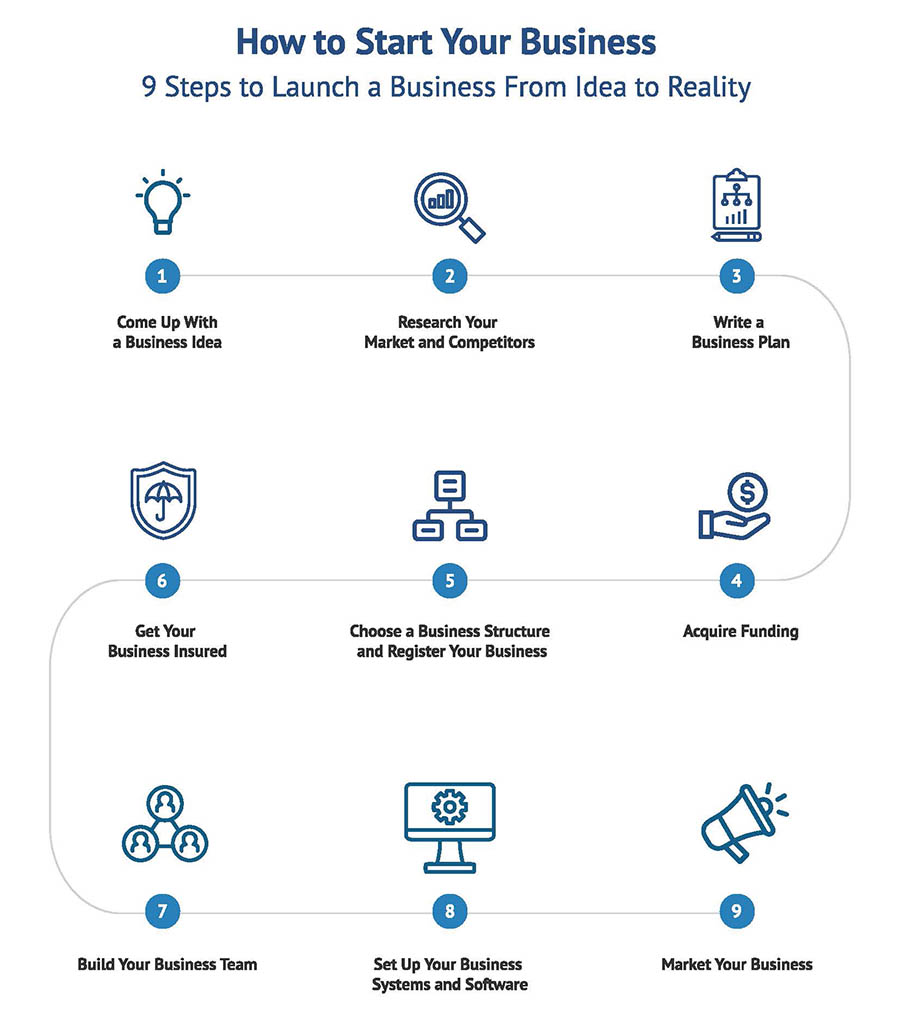
Conclusion
Establishing your own business is a profound journey, but its success is inextricably linked to sound financial principles. From the initial meticulous planning and securing of capital to the ongoing vigilance of cash flow, strategic pricing, and tax compliance, every monetary decision shapes your venture’s trajectory. By prioritizing robust financial management, understanding your funding options, and planning for sustainable growth, you not only build a business but also lay the foundation for enduring financial independence and entrepreneurial success.
aViewFromTheCave is a participant in the Amazon Services LLC Associates Program, an affiliate advertising program designed to provide a means for sites to earn advertising fees by advertising and linking to Amazon.com. Amazon, the Amazon logo, AmazonSupply, and the AmazonSupply logo are trademarks of Amazon.com, Inc. or its affiliates. As an Amazon Associate we earn affiliate commissions from qualifying purchases.