
Amoxicillin, a name familiar to many households and frequently prescribed by healthcare professionals, is a cornerstone in the fight against bacterial infections. Understanding its classification, mechanism of action, and implications is crucial for informed healthcare decisions. At its core, amoxicillin is an antibiotic, a class of drugs designed to combat and eliminate bacterial pathogens. This article delves into the specifics of amoxicillin, exploring its pharmacological category, how it works at a molecular level, and its significance within modern medicine.
The Penicillin Family: A Beta-Lactam Antibiotic
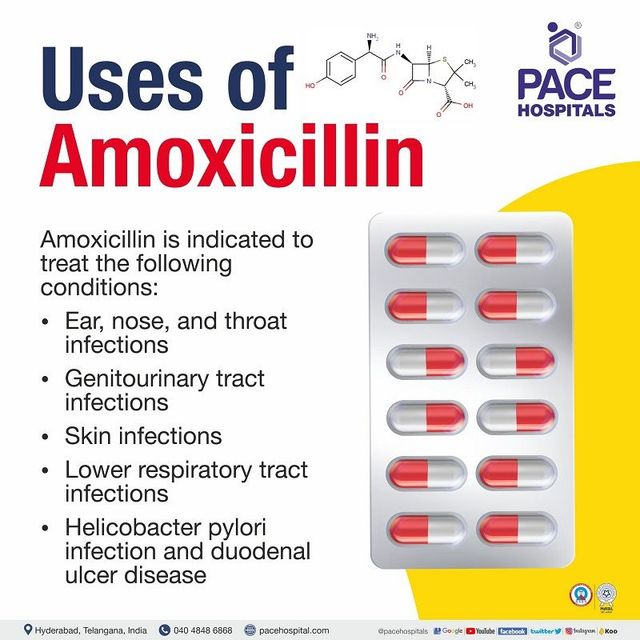
Amoxicillin belongs to a broader family of antibiotics known as beta-lactams. This classification is not merely a nomenclature choice; it reflects the fundamental chemical structure and the mechanism by which these drugs exert their effects. Beta-lactam antibiotics are characterized by the presence of a beta-lactam ring, a four-membered cyclic amide structure that is essential for their antibacterial activity.
Understanding Beta-Lactam Chemistry
The beta-lactam ring is a strained and reactive moiety within the amoxicillin molecule. This reactivity is the key to its efficacy. Bacteria, in their process of growth and replication, build and maintain their cell walls. These cell walls are vital for their structural integrity and protection from their environment. A critical component of the bacterial cell wall is peptidoglycan, a complex polymer that provides rigidity. The synthesis of peptidoglycan involves cross-linking of its constituent chains, a process mediated by enzymes called penicillin-binding proteins (PBPs). These PBPs are essential for the proper formation and maintenance of the bacterial cell wall.
Amoxicillin’s Role as a Penicillin Derivative
Amoxicillin is specifically a semi-synthetic penicillin. Penicillin itself, derived from the Penicillium mold, was the first widely used antibiotic and revolutionized medicine. However, natural penicillins have certain limitations, including a relatively narrow spectrum of activity and susceptibility to degradation by bacterial enzymes called beta-lactamases. Semi-synthetic penicillins like amoxicillin were developed to overcome some of these drawbacks. Amoxicillin, in particular, was designed to be more stable in the acidic environment of the stomach, allowing for oral administration, and to possess a broader spectrum of activity than earlier penicillins. It is characterized by an amino group attached to the penicillin nucleus, which contributes to its enhanced properties.
The Mechanism of Action: How Amoxicillin Fights Bacteria
The effectiveness of amoxicillin lies in its targeted disruption of bacterial cell wall synthesis. It is a bacteriostatic agent at lower concentrations, meaning it inhibits bacterial growth and reproduction, but it can be bactericidal at higher concentrations, leading to the direct killing of bacteria. This distinction is important, as it highlights the drug’s ability to either halt a bacterial infection or actively eliminate the causative agents.
Inhibiting Peptidoglycan Synthesis
The primary mechanism of amoxicillin involves the inhibition of PBPs. Amoxicillin binds to these enzymes, effectively inactivating them. When PBPs are inhibited, the crucial cross-linking of peptidoglycan chains cannot occur. This leads to the formation of a weakened and defective bacterial cell wall. Without a robust cell wall, the bacterium becomes susceptible to the osmotic pressure of its environment. The internal contents of the bacterium exert pressure outwards, and in the absence of a strong, intact cell wall, this pressure causes the bacterial cell to swell and eventually lyse, or burst.
Spectrum of Activity: Targeting Specific Bacteria
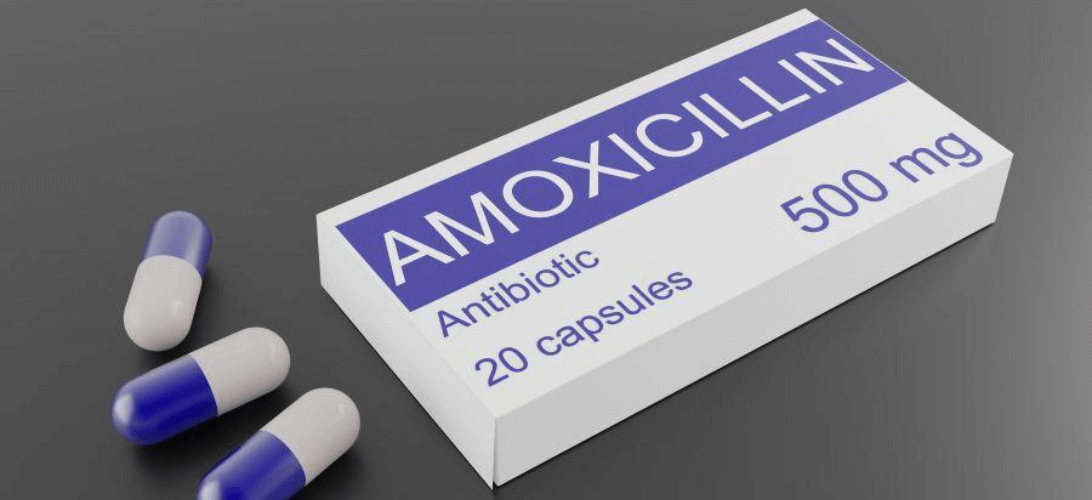
Amoxicillin exhibits a broad spectrum of activity, meaning it is effective against a wide range of bacteria. It is particularly effective against Gram-positive bacteria, which have a thicker peptidoglycan layer and lack an outer membrane. Examples include Streptococcus pneumoniae, Streptococcus pyogenes, and Staphylococcus aureus (though resistance is increasingly common in the latter). Amoxicillin also demonstrates activity against certain Gram-negative bacteria, although its efficacy against these is somewhat more limited and often enhanced when combined with other drugs. It targets common pathogens responsible for infections of the respiratory tract, urinary tract, skin, and ears. However, it is important to note that amoxicillin is not effective against viruses, such as those that cause the common cold or influenza, a crucial distinction that underscores the importance of proper diagnosis before antibiotic prescription.
Clinical Applications and Considerations
The efficacy and broad spectrum of amoxicillin have made it a staple in treating numerous common bacterial infections. Its oral bioavailability and generally favorable safety profile contribute to its widespread use in outpatient settings. However, its use is not without important considerations, including the emergence of antibiotic resistance and potential side effects.
Common Infections Treated with Amoxicillin
Amoxicillin is frequently prescribed for a variety of bacterial infections. These include:
- Respiratory Tract Infections: Such as strep throat (Streptococcus pyogenes), middle ear infections (otitis media) often caused by Streptococcus pneumoniae, and certain types of bronchitis.
- Urinary Tract Infections (UTIs): Commonly caused by Escherichia coli, amoxicillin can be effective against susceptible strains.
- Skin and Soft Tissue Infections: Including cellulitis and certain types of impetigo.
- Dental Infections: Amoxicillin is often used to treat bacterial infections associated with dental procedures or tooth abscesses.
- Lyme Disease: In its early stages, amoxicillin is a recommended treatment for Lyme disease, particularly in children and pregnant women.
- Prophylaxis: It is sometimes used prophylactically to prevent bacterial endocarditis in individuals at high risk undergoing certain dental or medical procedures.
The decision to prescribe amoxicillin is based on clinical presentation, suspected causative agents, and local antibiotic resistance patterns.
The Challenge of Antibiotic Resistance
One of the most significant challenges associated with the widespread use of antibiotics like amoxicillin is the development of antibiotic resistance. Bacteria are remarkably adaptable organisms, and over time, they can evolve mechanisms to evade the effects of antimicrobial drugs. Resistance to amoxicillin can arise through several mechanisms, the most common being the production of beta-lactamase enzymes. These enzymes act like molecular scissors, cleaving the beta-lactam ring and rendering the amoxicillin molecule inactive. Strains of bacteria that produce beta-lactamases are resistant to amoxicillin.
The overuse and misuse of antibiotics, both in human medicine and in agriculture, accelerate the selection and proliferation of resistant bacterial strains. This has led to the emergence of “superbugs” – bacteria resistant to multiple antibiotics – which pose a serious threat to public health. For this reason, it is imperative that amoxicillin, and indeed all antibiotics, are used judiciously, prescribed only when necessary, and taken exactly as directed by a healthcare professional. Completing the full course of antibiotics, even if symptoms improve, is vital to ensure all bacteria are eradicated and to minimize the chance of resistant strains surviving.

Side Effects and Allergic Reactions
While amoxicillin is generally well-tolerated, like all medications, it can cause side effects. The most common side effects are gastrointestinal in nature, including nausea, vomiting, and diarrhea. These are often mild and resolve on their own. A more serious, though less common, side effect is a hypersensitivity reaction, including allergic reactions ranging from mild skin rashes to severe anaphylaxis. Individuals who have a known allergy to penicillins or cephalosporins should not take amoxicillin. Healthcare providers will inquire about previous allergic reactions before prescribing. In some cases, amoxicillin can disrupt the normal balance of bacteria in the gut, leading to an overgrowth of Clostridioides difficile, a bacterium that can cause severe diarrhea and colitis. This is more likely to occur with prolonged use or in individuals with weakened immune systems.
In conclusion, amoxicillin is a vital antibiotic, categorized as a semi-synthetic penicillin belonging to the beta-lactam class. Its ability to disrupt bacterial cell wall synthesis makes it a powerful tool against a wide array of bacterial infections. However, its continued efficacy hinges on responsible use and a global effort to combat antibiotic resistance. Understanding its classification, mechanism, and clinical considerations empowers patients and healthcare providers alike to utilize this essential medication effectively and safely.
aViewFromTheCave is a participant in the Amazon Services LLC Associates Program, an affiliate advertising program designed to provide a means for sites to earn advertising fees by advertising and linking to Amazon.com. Amazon, the Amazon logo, AmazonSupply, and the AmazonSupply logo are trademarks of Amazon.com, Inc. or its affiliates. As an Amazon Associate we earn affiliate commissions from qualifying purchases.