
The automotive market, like many others, can be segmented into distinct tiers, each catering to different needs, budgets, and aspirations. While “entry-level” and “luxury” are readily understood, the “intermediate” segment often feels less clearly defined. Yet, for a significant portion of consumers, this middle ground represents the sweet spot – a balance of features, performance, and price that delivers substantial value. Understanding what constitutes an intermediate car is crucial for making informed purchasing decisions in today’s diverse automotive offerings. This article delves into the characteristics, considerations, and evolving landscape of the intermediate car, aiming to provide a comprehensive overview for the discerning buyer.

Defining the Intermediate Car: Beyond the Basics
An intermediate car, often referred to as a mid-size car or, in some markets, a compact executive car, occupies a pivotal position in the automotive hierarchy. It’s a vehicle that transcends the utilitarian simplicity of entry-level models and falls short of the premium appointments and advanced technologies found in luxury vehicles. Instead, it aims to provide a well-rounded package, offering a compelling blend of comfort, space, technology, safety, and performance without demanding a prohibitive price tag.
Size and Practicality: The Sweet Spot for Families and Commuters
One of the most defining aspects of an intermediate car is its size. Typically, these vehicles fall into the sedan or SUV body styles, offering more interior space and cargo capacity than their subcompact or compact counterparts.
Sedan Variants: The Traditional Intermediate Choice
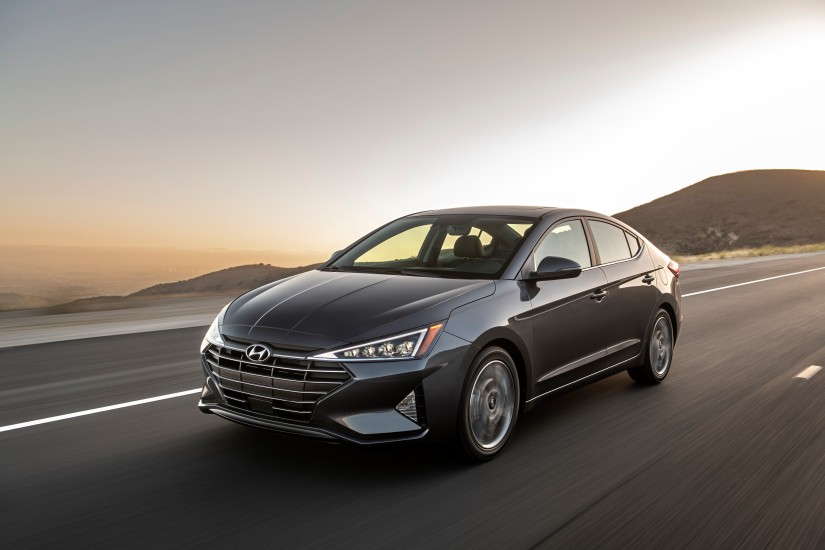
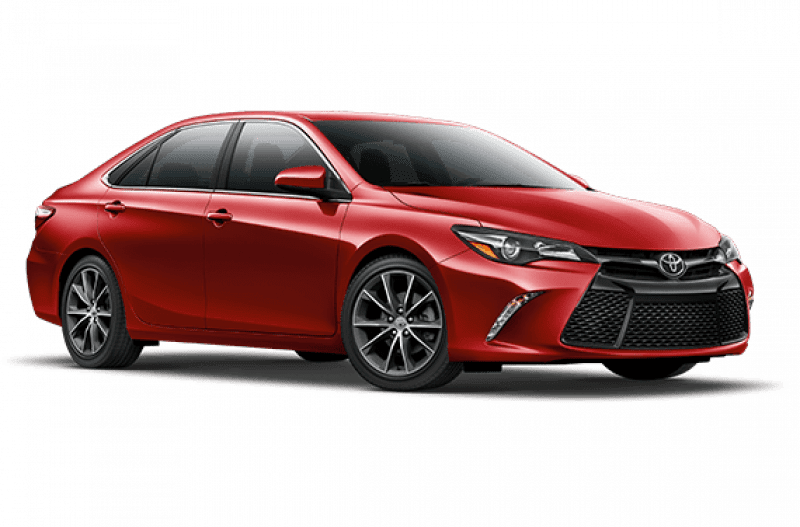
Intermediate sedans, often classified as mid-size sedans, have historically been the backbone of this segment. They provide ample legroom and headroom for four or five adults, making them ideal for families, regular carpooling, or simply comfortable commuting. The trunk space in these sedans is usually generous enough to accommodate luggage for weekend trips or the weekly grocery haul. Examples from popular manufacturers often include models that have been staples for decades, evolving with each generation to incorporate more modern amenities.
SUV and Crossover Models: Expanding the Definition
In recent years, the definition of an intermediate car has broadened to encompass a significant number of SUVs and crossovers. These models offer the practicality and elevated driving position that many consumers now prefer, while still maintaining a price point and feature set that aligns with the intermediate segment. Intermediate SUVs typically offer seating for five, with the option for a third row in some larger models, though those with seven seats often lean towards a larger, more premium category. Their versatility, with higher ground clearance and often available all-wheel drive, makes them suitable for a wider range of driving conditions and lifestyles.
Feature Sets and Technology: A Sophisticated Middle Ground
While not boasting the bespoke interiors or cutting-edge innovations of luxury brands, intermediate cars are equipped with a sophisticated array of features and technologies designed to enhance comfort, convenience, and safety.
Infotainment and Connectivity: Staying Connected on the Go
Modern intermediate cars come standard or as readily available options with advanced infotainment systems. These systems typically feature large touchscreen displays, intuitive user interfaces, and seamless integration with smartphones through Apple CarPlay and Android Auto. Bluetooth connectivity, USB ports, and often built-in navigation are common. Some higher trims within the intermediate segment might even offer premium audio systems, wireless charging pads, and larger, more advanced digital displays.
Comfort and Convenience Features: Enhancing the Driving Experience
Beyond infotainment, intermediate vehicles offer a host of comfort and convenience features that elevate the daily driving experience. Power-adjustable seats with lumbar support, heated and ventilated front seats, dual-zone automatic climate control, and keyless entry with push-button start are frequently found. Keyless entry and push-button start are becoming increasingly standard across the segment, blurring the lines with higher tiers. For those seeking an even more refined experience, features like a panoramic sunroof, ambient interior lighting, and power liftgates on SUVs become accessible within this tier.
Safety Innovations: Prioritizing Peace of Mind
Safety is a paramount concern for most car buyers, and the intermediate segment excels in providing robust safety features. Modern intermediate cars come equipped with a comprehensive suite of airbags, anti-lock braking systems (ABS), electronic stability control (ESC), and traction control as standard. Furthermore, advanced driver-assistance systems (ADAS) are increasingly prevalent. These can include:
- Automatic Emergency Braking (AEB): Detects potential collisions and automatically applies the brakes.
- Blind-Spot Monitoring (BSM): Alerts the driver to vehicles in their blind spots.
- Lane Departure Warning (LDW) and Lane Keeping Assist (LKA): Warns the driver if they drift out of their lane and can provide steering input to keep them centered.
- Adaptive Cruise Control (ACC): Maintains a set speed and distance from the vehicle ahead.
- Rear Cross-Traffic Alert (RCTA): Warns of approaching traffic when reversing.
These technologies collectively contribute to a safer driving environment, offering peace of mind for drivers and passengers alike.
Performance and Powertrain Options: Balancing Efficiency and Capability
The powertrain and performance characteristics of intermediate cars strike a careful balance between fuel efficiency and adequate power for everyday driving and occasional demands.
Engine Offerings: From Efficient Four-Cylinders to Potent V6s
Most intermediate cars are offered with a range of engine options. The base engines are typically efficient four-cylinder units, often turbocharged, that deliver a good balance of power and fuel economy. These are perfectly capable for daily commuting and most driving scenarios. For drivers who require more assertive acceleration, higher towing capacity (in SUVs), or a smoother, more powerful experience, manufacturers often offer more potent V6 engines or higher-output turbocharged four-cylinders as optional upgrades.
Transmission Choices: Automatic Dominance with Manual Possibilities
Automatic transmissions are the overwhelming standard in the intermediate segment, with many offering advanced multi-speed automatics or continuously variable transmissions (CVTs) designed to optimize fuel efficiency and provide smooth power delivery. While manual transmissions are increasingly rare in this segment, they might still be available on some sportier trims or specific models, appealing to a niche group of driving enthusiasts.
Drivetrain Configurations: FWD, RWD, and AWD Options
Front-wheel drive (FWD) is the most common drivetrain configuration for intermediate sedans, offering good fuel economy and a predictable driving experience. Many intermediate SUVs and crossovers come standard with FWD but offer all-wheel drive (AWD) as an option, enhancing traction and stability, particularly in adverse weather conditions. While less common in this specific segment compared to luxury or performance vehicles, some intermediate rear-wheel drive (RWD) sedans exist, often leaning towards a more driver-focused experience.
Value Proposition: The Smart Choice for Many Buyers
The primary appeal of an intermediate car lies in its compelling value proposition. It offers a significant step up in features, comfort, and refinement from entry-level vehicles without the substantial price premium associated with luxury brands.
Price Point and Affordability: Maximizing Your Investment
Intermediate cars typically fall into a price range that is accessible to a broad spectrum of consumers. They represent a sensible investment for individuals and families looking for a reliable, well-equipped, and comfortable vehicle that can serve their needs for many years. The total cost of ownership, including depreciation, fuel costs, and maintenance, often presents a more favorable picture compared to more expensive segments.
Resale Value and Longevity: A Smart Long-Term Decision
Many models within the intermediate segment benefit from strong resale values. This is due to their consistent popularity, reliable engineering, and the fact that they tend to hold their features and appeal for longer periods than more trend-driven vehicles. Investing in an intermediate car can therefore be a financially sound decision in the long run, as its value depreciates at a more moderate pace.
Comparison to Entry-Level and Luxury Segments: Finding the Right Balance
When compared to entry-level cars, intermediate vehicles offer a noticeable upgrade in build quality, material refinement, technology, and overall driving experience. They provide a sense of occasion and comfort that basic transportation simply cannot match. Conversely, while luxury cars offer unparalleled prestige, advanced materials, and bespoke features, they come with a significantly higher price tag, often with higher insurance, maintenance, and depreciation costs. The intermediate car sits comfortably in the middle, delivering a rich and satisfying ownership experience without the financial strain of the premium segment.
The Evolving Intermediate Landscape: Trends and Future Outlook
The automotive industry is in constant flux, and the intermediate car segment is no exception. Several trends are shaping its present and future.
Increased Electrification and Hybridization: A Greener Future
As the automotive world embraces electrification, intermediate cars are increasingly offering hybrid and fully electric variants. This trend provides consumers with more fuel-efficient and environmentally friendly options without compromising on the practicality and features they expect from this segment. We are seeing a growing number of intermediate EVs and hybrids that offer competitive range and performance, making them viable alternatives to traditional gasoline-powered models.
Technology Integration and Connectivity: The Digital Cockpit Evolution
The pace of technological advancement continues to accelerate, and intermediate cars are at the forefront of integrating these innovations. Expect to see more advanced driver-assistance systems, sophisticated AI-powered voice assistants, over-the-air software updates, and enhanced connectivity features becoming standard. The digital cockpit is becoming increasingly sophisticated, offering customizable displays and seamless integration with personal devices.
Shifting Consumer Preferences: The Rise of Crossovers and SUVs
As mentioned earlier, the popularity of SUV and crossover body styles continues to grow. This has led to a significant expansion of intermediate offerings in these segments, often at the expense of traditional sedan sales. Manufacturers are responding by developing more diverse and capable intermediate SUVs and crossovers that cater to a wide range of lifestyles, from urban commuting to outdoor adventures.
In conclusion, the intermediate car segment represents a vital and dynamic part of the automotive market. It offers a compelling blend of practicality, comfort, technology, and value, making it the ideal choice for a broad range of consumers. By understanding the defining characteristics and evolving trends of this segment, buyers can confidently navigate their options and find the perfect vehicle to meet their needs and aspirations.
aViewFromTheCave is a participant in the Amazon Services LLC Associates Program, an affiliate advertising program designed to provide a means for sites to earn advertising fees by advertising and linking to Amazon.com. Amazon, the Amazon logo, AmazonSupply, and the AmazonSupply logo are trademarks of Amazon.com, Inc. or its affiliates. As an Amazon Associate we earn affiliate commissions from qualifying purchases.