
The enigmatic and undeniably charismatic Toothless, star of DreamWorks’ How to Train Your Dragon franchise, has captured the hearts of audiences worldwide. More than just a fantastical creature, Toothless represents a masterful exercise in character design, blending biological plausibility with imaginative flair. While the films present him as a unique species, a closer examination reveals a fascinating blend of characteristics that draw inspiration from the natural world, albeit filtered through the lens of technological innovation and advanced bio-mechanical understanding. This article will explore the specific classifications and design elements that define Toothless, focusing on how his biological adaptations and functional design can be understood through a lens of advanced bio-engineering and speculative biology.
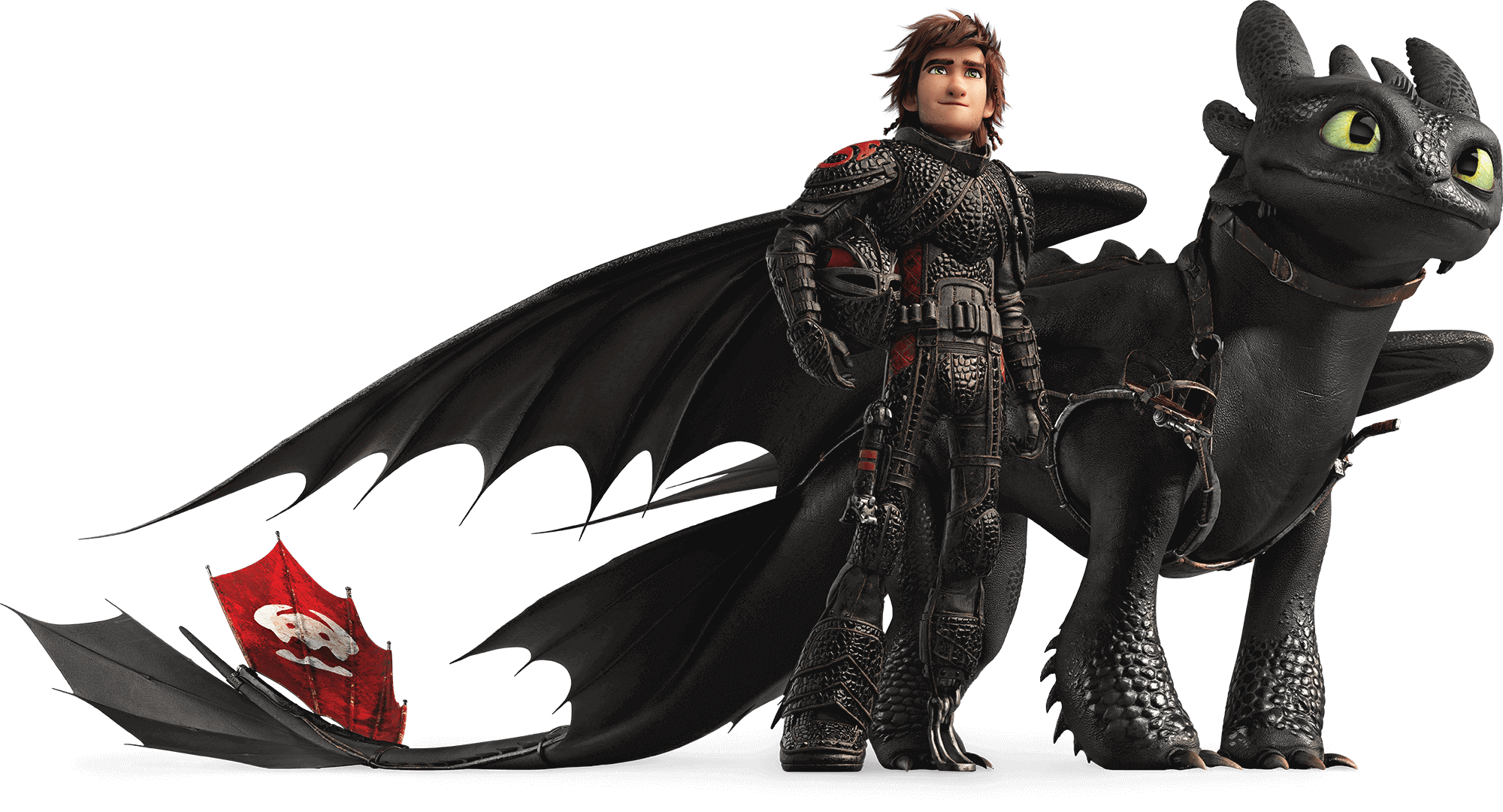
The Night Fury: A Bio-Mechanical Marvel
Toothless belongs to the fictional “Night Fury” species, a designation that immediately suggests a creature of stealth, power, and nocturnal prowess. However, the true genius of his design lies not just in his inherent abilities, but in the detailed anatomical and functional considerations that make him believable as a highly evolved predator. His physical form, while undeniably reptilian, incorporates elements that hint at sophisticated bio-mechanical engineering, a concept that can be further explored by examining his various adaptations.
Aerodynamic Prowess and Flight Mechanics
Toothless’s ability to fly is perhaps his most defining characteristic, and his design meticulously integrates aerodynamic principles for optimal performance. His sleek, powerful body, reminiscent of a fighter jet, is not merely aesthetic. The streamlined fuselage minimizes drag, allowing for incredible speed and agility. His large, bat-like wings possess an impressive wingspan relative to his body size, a common trait in efficient flyers.
Wing Structure and Articulation: Beyond Simple Membranes
The intricacy of Toothless’s wings extends beyond basic membrane construction. We observe a complex internal structure, hinting at a sophisticated skeletal and muscular system that allows for precise control and maneuverability. The way his wings fold, extend, and articulate suggests an advanced joint system capable of micro-adjustments, enabling him to perform aerial acrobatics that defy typical biological limitations. The leading edge of his wings appears to be reinforced, possibly with a cartilaginous or bone-like structure, providing rigidity for high-speed flight while remaining flexible enough for precise control. This design echoes principles found in advanced aircraft wing designs, such as variable geometry wings, which can adapt their shape for different flight conditions.
Tail Fin as a Rudder and Stabilizer: A Dual-Purpose Appendage
A critical component of Toothless’s flight system is his unique tail fin. Initially damaged, his prosthetic tail fin, designed and built by Hiccup, highlights the importance of this appendage for stable and controlled flight. Even in his natural state, his caudal fin acts as a powerful rudder, allowing for sharp turns and directional changes. The musculature around the base of his tail would need to be exceptionally strong to provide the necessary torque for such dynamic maneuvers. This tail fin, coupled with his wing movements, allows for a level of aerial control that suggests a sophisticated bio-mechanical feedback loop between his brain and his motor functions. The design of his natural tail fin, with its split, almost wing-like lobes, further enhances its ability to provide both lift and directional control, a testament to its evolutionary adaptation.
Sensory Perception and Echolocation
The Night Fury, and Toothless by extension, possesses an extraordinary sensory apparatus, crucial for survival in their often dark and challenging environments. While not explicitly shown to use echolocation in the same way as bats or dolphins, the species’ ability to navigate and hunt in complete darkness strongly suggests such a capability, or an advanced form of bio-sonar. This points towards highly specialized auditory organs and a sophisticated neural processing system.
Auditory Acuity and Sound Generation: The Unseen Weapon
The size and shape of Toothless’s ears, while not as prominent as some other dragon species, are likely highly attuned to subtle sound waves. The ability to pinpoint prey by sound alone, or to detect incoming threats from a distance, would require exceptional auditory acuity. Furthermore, if echolocation is employed, the creature would need a mechanism to generate ultrasonic sounds and interpret the returning echoes. This could involve specialized vocal cords or even internal resonating chambers. The absence of visible external sound-generating organs might suggest a more subtle and internalized method of sound production, further pushing the boundaries of biological plausibility.
Visual Adaptations: Eyes Built for Darkness
Toothless’s large, expressive eyes are another key indicator of his nocturnal adaptations. The pupils are capable of significant dilation, allowing them to gather maximum light in low-visibility conditions. This suggests a high concentration of rods in his retina, the photoreceptor cells responsible for vision in dim light. The color and reflectivity of his eyes, often appearing to glow in the dark, could be attributed to a tapetum lucidum, a reflective layer behind the retina found in many nocturnal animals that enhances light capture. This biological feature is directly analogous to technologies used in night-vision equipment.
Bio-Elemental Capabilities: Fire and Plasma
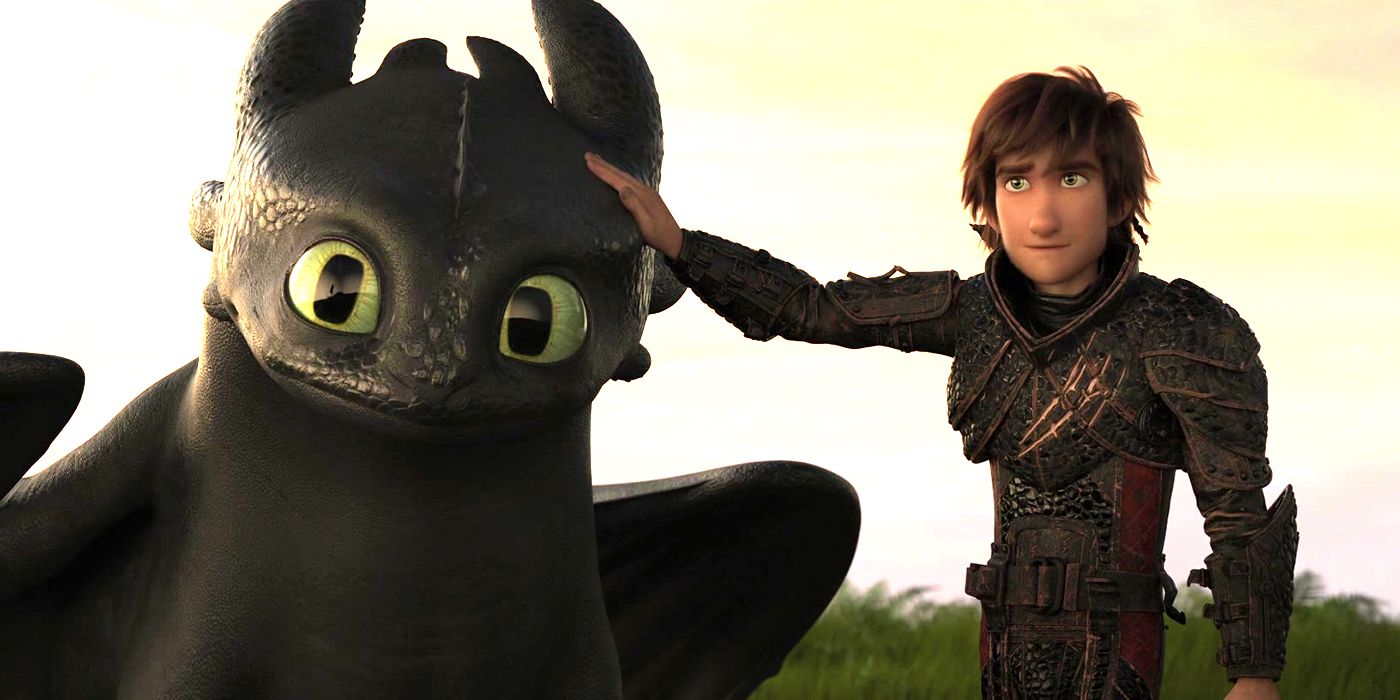
Toothless’s signature ability to breathe fire is a cornerstone of his dragon identity. However, the nature of this fire-breathing is not as simple as a biological furnace. The films often depict his plasma blasts as a controlled, potent energy discharge, suggesting a sophisticated bio-chemical process far beyond simple combustion.
Plasma Generation and Projection: A Bio-Energetic Powerhouse
The concept of “plasma” in Toothless’s case implies a state of matter beyond gas, a superheated ionized gas. The bio-chemical reactions required to generate and control such an energy form are immense. It is plausible that his digestive system, or specialized organs within his throat and mouth, are capable of breaking down ingested materials to their atomic components, then re-energizing them through electrical or chemical processes. The resulting plasma would then be expelled with controlled force and precision.
Internal Energy Storage and Regulation: The Power Source
The generation of plasma requires significant energy. This suggests that Night Furies, and Toothless, possess highly efficient metabolic systems capable of storing and rapidly releasing energy. This could involve specialized bio-capacitors or energy-dense compounds within their bodies. The controlled release mechanism further implies a neural network capable of precisely regulating the flow and intensity of this energy, preventing self-harm and allowing for directed attacks.
Bio-Luminescence and Energy Discharge: A Visual Spectacle
The visual manifestation of Toothless’s plasma breath, often accompanied by a bright, electric blue glow, suggests a connection to bio-luminescence or a similar light-emitting phenomenon. This could be a byproduct of the plasma generation process itself, or a deliberate adaptation for signaling, intimidation, or even camouflage in certain lighting conditions. The intensity and color of the discharge might also be indicative of the energy level or the specific composition of the plasma being expelled.
Evolutionary Niches and Functional Adaptations
Considering Toothless as a product of evolutionary pressures allows us to better understand his unique traits. His design is a testament to the power of adaptation, with each feature serving a crucial role in his survival and dominance.
Predatory Efficiency: The Apex Hunter’s Toolkit
As an apex predator, Toothless possesses a suite of adaptations designed for hunting and defense. His speed, agility, stealth, and formidable offensive capabilities make him a formidable force. His bio-mechanical design ensures that these attributes are integrated seamlessly, allowing him to exploit his environment and overcome prey effectively.
Camouflage and Stealth: Blending into the Shadows
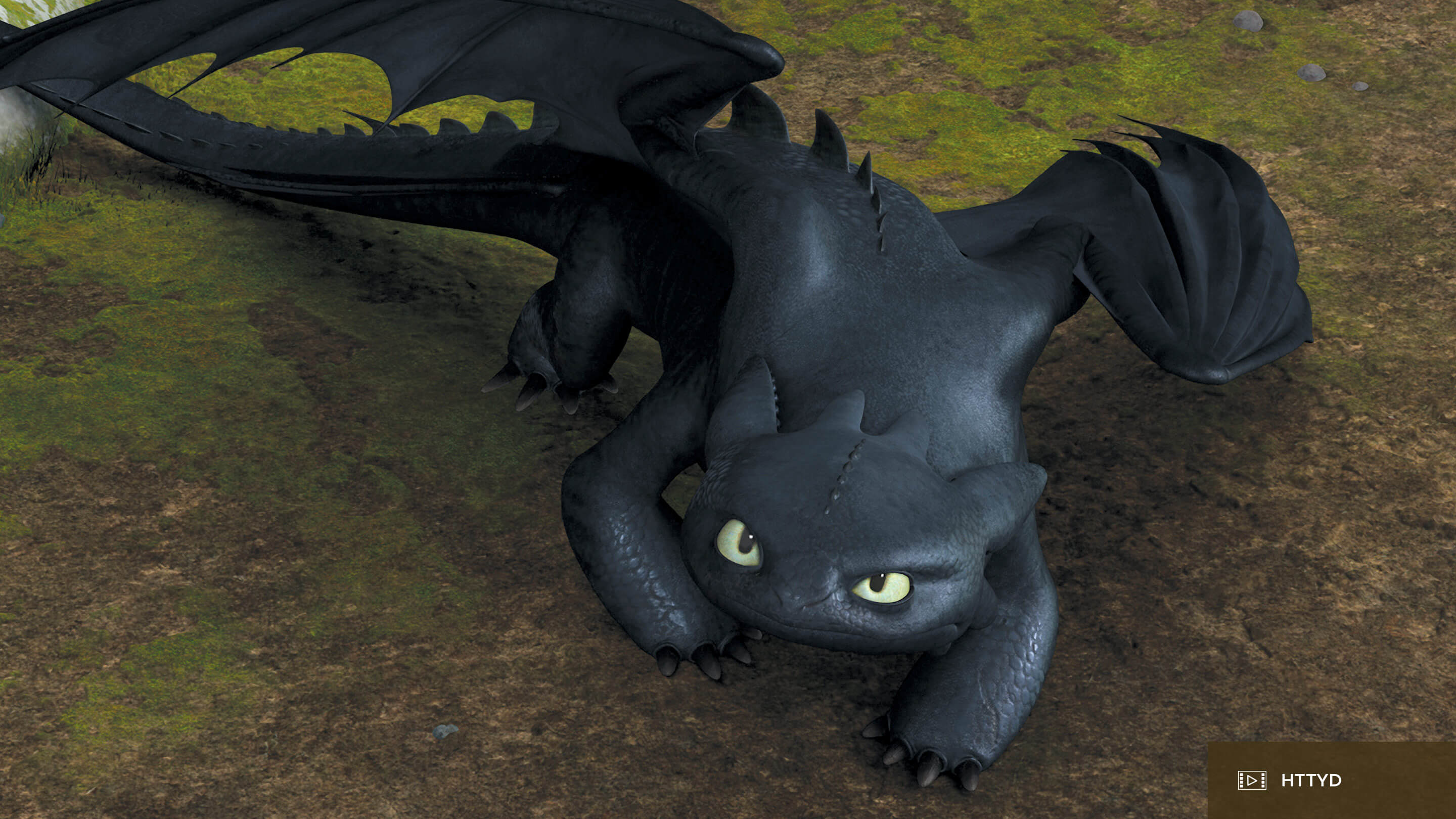
The dark coloration of Toothless, coupled with his nocturnal habits, provides natural camouflage against the night sky. While not explicitly shown to change color like a chameleon, his ability to disappear into the darkness is a key element of his stealth. This suggests that his scales might possess light-absorbing properties, or that his movements are inherently silent and precise, making him incredibly difficult to detect.
Physical Prowess and Defensive Capabilities: More Than Just Fire
Beyond his plasma breath, Toothless is also a physically powerful creature. His sharp claws, powerful bite, and robust build are essential for close-quarters combat and subduing prey. His tough hide likely offers significant protection against attacks, further enhancing his survivability in the wild. The combination of these physical attributes with his aerial and energy-based abilities makes him a truly formidable and unique creature within his fictional ecosystem.
The Symbiotic Relationship: A Bio-Mechanical Partnership
Ultimately, the story of Toothless is also one of adaptation through partnership. Hiccup’s ingenuity in designing the prosthetic tail fin showcases how bio-mechanical principles can be used to augment natural abilities. This symbiotic relationship highlights the potential for future technological advancements to enhance biological systems, creating entirely new forms of capabilities and interactions. Toothless, in essence, represents not just a species, but a concept of evolving potential, where biological form meets intelligent design.
aViewFromTheCave is a participant in the Amazon Services LLC Associates Program, an affiliate advertising program designed to provide a means for sites to earn advertising fees by advertising and linking to Amazon.com. Amazon, the Amazon logo, AmazonSupply, and the AmazonSupply logo are trademarks of Amazon.com, Inc. or its affiliates. As an Amazon Associate we earn affiliate commissions from qualifying purchases.