
In today’s hyper-connected world, the concept of an “IP address” is as fundamental as a postal address for your home. Yet, for many, it remains a somewhat nebulous term, often encountered when troubleshooting internet issues or when a website asks you to grant access. But what exactly is an IP address, and why is it important? This article delves into the world of IP addresses, exploring their technical underpinnings, their significance across various domains like technology, brand perception, and even your financial well-being, and how understanding them can empower you in the digital realm.
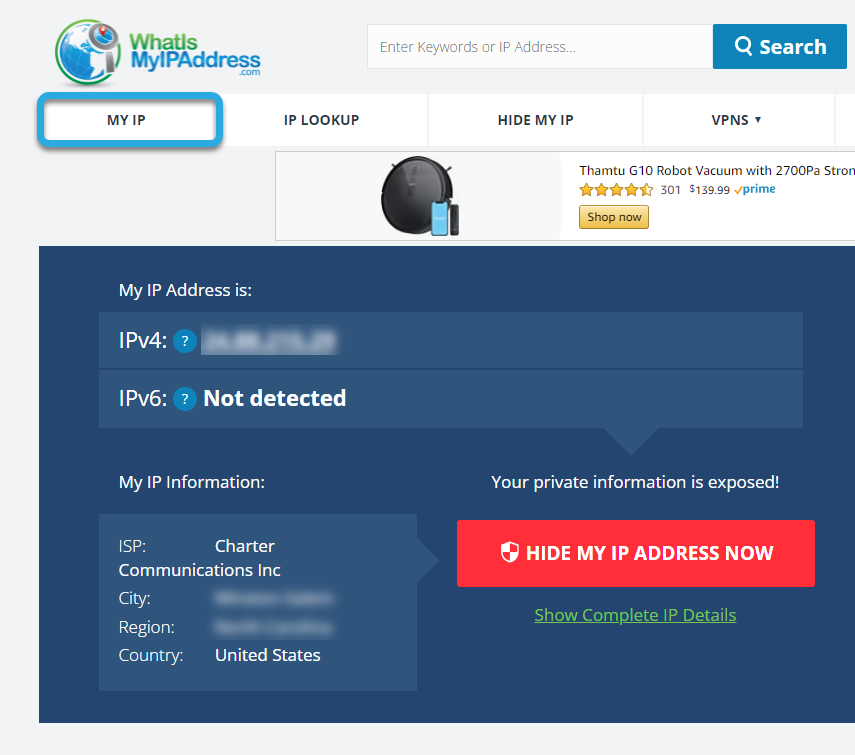
The phrase “what is my IP address com” itself hints at a practical, user-centric need. It’s about identifying oneself online, much like walking into a room and wanting to know your name tag. This desire for self-identification online is the gateway to understanding a vast array of digital interactions that shape our technological landscape, our personal and corporate brands, and even our financial opportunities.
The Technical Foundation: How IP Addresses Work
At its core, an Internet Protocol (IP) address is a unique numerical label assigned to every device connected to a computer network that uses the Internet Protocol for communication. Think of it as the digital equivalent of a mailing address for your computer, smartphone, tablet, or any other internet-enabled device. This address allows devices to communicate with each other, sending and receiving data across the vast network of the internet.
There are two main versions of IP addresses in use today: IPv4 and IPv6.
Understanding IPv4 Addresses
IPv4 addresses are the older and more widely used format. They are represented as four sets of numbers, separated by periods, for example, 192.168.1.1. Each number in an IPv4 address can range from 0 to 255. This system, while functional, has a limited number of unique addresses (approximately 4.3 billion). With the exponential growth of internet-connected devices, this pool of IPv4 addresses is rapidly depleting, leading to the development of IPv6.
The Evolution to IPv6 Addresses
IPv6 was developed to address the limitations of IPv4. It uses a different format, consisting of eight groups of four hexadecimal digits, separated by colons. An example of an IPv6 address is 2001:0db8:85a3:0000:0000:8a2e:0370:7334. The most significant advantage of IPv6 is its vast address space, which provides an almost inexhaustible supply of unique IP addresses, ensuring the continued growth of the internet. The transition from IPv4 to IPv6 is ongoing, and while many networks and devices support both, understanding the existence of this newer format is crucial for appreciating the future of internet connectivity.
Dynamic vs. Static IP Addresses
Beyond these versions, IP addresses can also be categorized as dynamic or static.
- Dynamic IP Addresses: Most home users are assigned dynamic IP addresses by their Internet Service Provider (ISP). These addresses are temporary and can change periodically. When you connect to the internet, your ISP assigns you an available IP address from its pool. This is cost-effective for ISPs and generally works seamlessly for everyday browsing and streaming.
- Static IP Addresses: A static IP address, on the other hand, remains constant. These are often used by businesses for servers, websites, or other services that require a consistent and unchanging online identity. While offering more reliability for specific applications, static IPs can be more expensive and require more technical configuration.
For the average user asking “what is my IP address com,” they are most likely concerned with their public IP address – the one visible to the wider internet, as opposed to a private IP address used within a local network (like your home Wi-Fi). Your router typically uses a private IP address for each device within your home, but it translates all these requests to the internet using a single public IP address assigned by your ISP.
IP Addresses in the Digital Ecosystem: Beyond a Mere Number
The significance of your IP address extends far beyond its technical function. It plays a crucial role in shaping your experience across various aspects of the digital world, from the technology you consume to the brands you engage with and even your financial opportunities.
1. Tech: Enhancing Your Digital Experience and Security
In the realm of Tech, understanding your IP address is foundational to many aspects of your online life.
Web Browsing and Content Access
When you type “what is my IP address com” into a search engine, you’re looking for information that helps you understand your online presence. This information is vital for various online activities. Websites use your IP address to:
- Deliver Geographically Relevant Content: News websites, streaming services, and e-commerce platforms often tailor their content and product offerings based on your perceived location, which is derived from your IP address. This is why you might see different search results or advertisements depending on where you are in the world.
- Provide Location-Based Services: Apps and services that offer navigation, local business listings, or weather updates rely on your IP address to pinpoint your approximate location.
- Personalize User Experience: Some websites might remember your preferences or settings based on your IP address for a more personalized browsing session.
Digital Security and Privacy
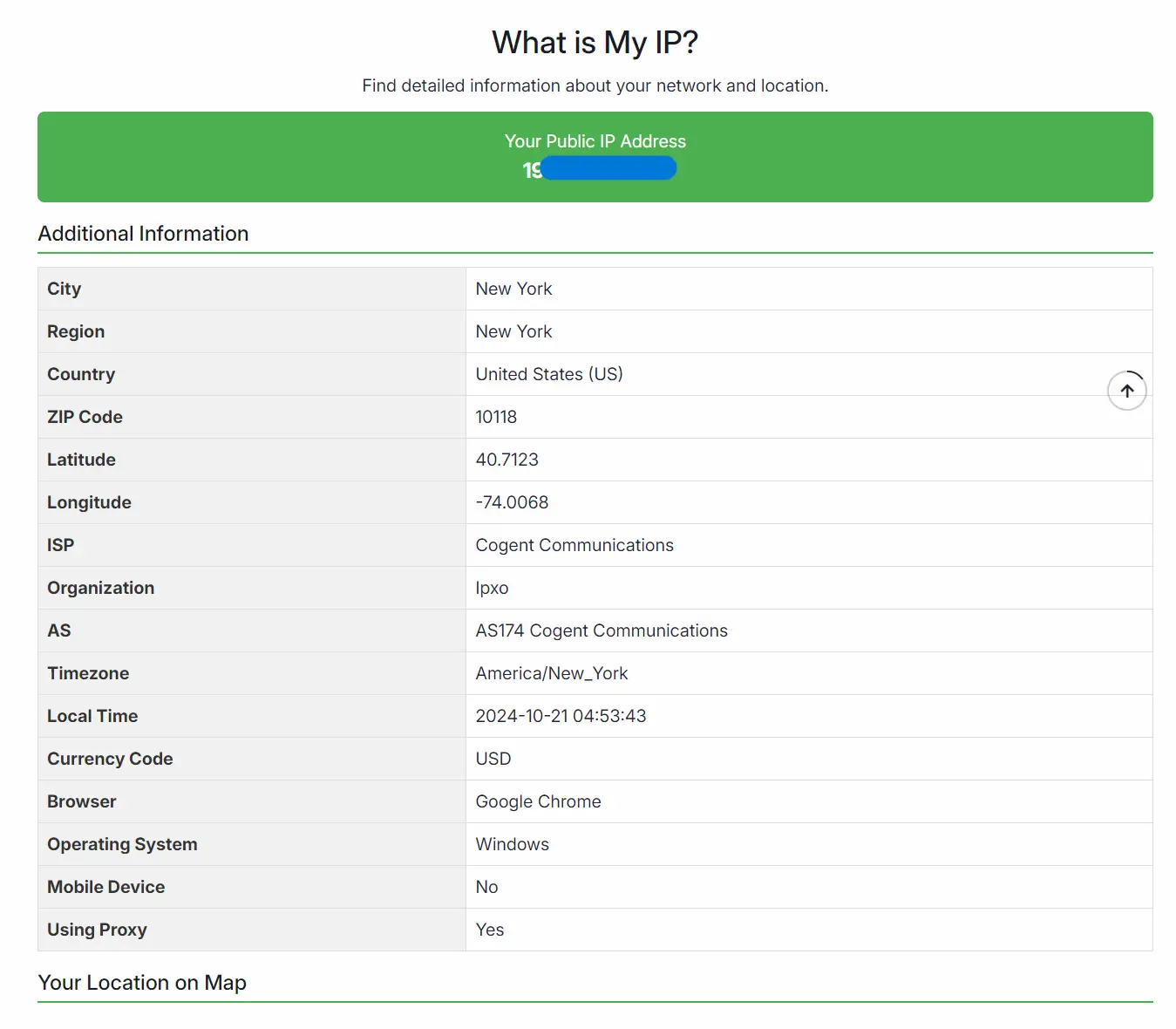
Your IP address is also a critical component of digital security and privacy.
- Network Security: Firewalls and security software use IP addresses to identify and block malicious traffic. They can whitelist trusted IP addresses or blacklist known malicious ones.
- Tracking and Analytics: Websites and advertisers track user behavior using IP addresses to understand demographics, interests, and browsing patterns. While this can lead to personalized experiences, it also raises privacy concerns.
- Online Anonymity (and its limitations): While your IP address can be used to trace your online activity, it’s not a direct identifier of your personal identity. However, in conjunction with other data, it can be used to infer your identity. Tools like Virtual Private Networks (VPNs) and proxy servers work by masking your real IP address, assigning you a temporary IP address from their server, thereby enhancing your anonymity and security, especially when using public Wi-Fi.
Troubleshooting and Network Management
When facing internet connectivity issues, knowing your IP address is often the first step in troubleshooting. Your ISP might ask for it to diagnose problems. Furthermore, for individuals managing their home networks or small businesses, understanding IP addresses is crucial for configuring routers, setting up port forwarding, and managing device access.
2. Brand: Shaping Online Perception and Reputation
In the world of Brand, your IP address might seem an unlikely player, but it subtly influences how you and your organization are perceived online.
Personal Branding and Digital Footprint
Your IP address contributes to your overall digital footprint, which in turn forms your personal brand. The websites you visit, the content you engage with, and the services you use all leave digital traces. While not a direct link to your name, your IP address, when analyzed, can reveal patterns of interest and behavior that marketers and data analysts use to build profiles. Understanding this allows individuals to be more mindful of their online activities and how they contribute to their perceived digital identity. For instance, consistently visiting websites related to a specific industry or hobby can, through IP-based tracking, associate you with that domain.
Corporate Identity and Online Presence
For businesses, a static IP address is often associated with their website’s server. This provides a consistent and reliable online presence, crucial for customer trust and accessibility. A website that is frequently down or has performance issues, sometimes linked to server infrastructure that might be associated with specific IP ranges, can negatively impact a company’s reputation.
Furthermore, how a brand leverages its online presence, from targeted advertising (often informed by IP-based audience segmentation) to the user experience on its website, all contribute to its brand perception. A website that loads quickly and offers relevant content, partly facilitated by efficient IP address management and content delivery networks, enhances the brand’s image as professional and customer-centric. Conversely, a brand that appears in search results or advertisements irrelevant to the user’s location, an issue sometimes stemming from misconfigured IP geolocation, can be frustrating and damage brand perception.
3. Money: Unlocking Online Income and Financial Opportunities
The intersection of IP addresses with Money might be less direct, but it’s present in various ways, from accessing financial tools to the economics of the internet itself.
Online Income and Side Hustles
Many online income streams rely on understanding your digital environment, which includes your IP address.
- Affiliate Marketing and Targeted Advertising: Marketers use IP-based geolocation to target advertisements to specific regions or demographics. If you’re looking to earn income through affiliate marketing or by creating targeted content, understanding how your IP address influences ad delivery can be beneficial.
- Gig Economy Platforms: Some freelance platforms or micro-task websites might have geographical restrictions or offer different rates based on your location, which is often inferred from your IP address.
- Online Surveys and Market Research: Companies conducting market research often segment participants based on geographical location, again using IP addresses. Participating in surveys relevant to your demographic can be a way to earn small amounts of money.
Financial Tools and Services
Accessing and utilizing financial tools and services securely often involves IP considerations.
- Online Banking and Transactions: Banks often monitor IP addresses for unusual login locations as a security measure to prevent fraud. If you try to access your bank account from a new or unexpected IP address, you might be asked for additional verification.
- Investment Platforms: Some investment platforms may have geographical restrictions or offer region-specific services. Your IP address helps them determine your eligibility.
- The Economics of Internet Infrastructure: The underlying infrastructure that provides you with an IP address, managed by ISPs and backbone providers, is a massive global industry. Understanding the flow of data, which is routed via IP addresses, is key to grasping the economics of the internet, from bandwidth costs to data center operations.

Conclusion: Empowering Yourself with IP Address Awareness
In conclusion, the seemingly simple question “what is my IP address com” opens the door to a deeper understanding of our digital lives. Your IP address is more than just a string of numbers; it’s a fundamental element that underpins your technological interactions, shapes your online brand, and can even influence your financial opportunities.
By understanding the technicalities of IPv4 and IPv6, dynamic versus static addresses, and how your IP address is used for content delivery, security, and personalization, you gain a more informed perspective on your digital footprint. This awareness empowers you to make conscious choices about your online privacy, leverage technology more effectively, and navigate the opportunities and challenges of the digital economy with greater confidence. Whether you’re a tech enthusiast, a budding entrepreneur, or simply an everyday internet user, grasping the significance of your IP address is a valuable step towards becoming a more empowered and secure digital citizen.
aViewFromTheCave is a participant in the Amazon Services LLC Associates Program, an affiliate advertising program designed to provide a means for sites to earn advertising fees by advertising and linking to Amazon.com. Amazon, the Amazon logo, AmazonSupply, and the AmazonSupply logo are trademarks of Amazon.com, Inc. or its affiliates. As an Amazon Associate we earn affiliate commissions from qualifying purchases.