
In the realm of long-term investments, forestry has historically been viewed as a patient endeavor, requiring decades for significant returns. However, the accelerating pace of global demand for timber, biomass, and carbon sequestration has amplified interest in a specific subset of this sector: fast-growing trees. For astute investors, landowners, and entrepreneurs, identifying and cultivating the quickest-growing species can unlock substantial financial opportunities, dramatically shortening investment cycles and maximizing land utility. This article delves into the economic rationale, prime candidates, and multifaceted income streams associated with these botanical speedsters, offering a roadmap for monetizing rapid tree growth.

The Economic Imperative of Accelerated Growth in Forestry
The conventional wisdom in forestry suggests a generational commitment. Yet, modern financial models and ecological pressures necessitate quicker turnaround times. For investors, the speed at which a tree matures directly impacts several critical financial metrics.
Firstly, rapid growth significantly reduces the time to market or harvest. A faster-growing species can be ready for timber production in 10-20 years, as opposed to 30-60 years or more for traditional hardwoods. This acceleration compresses the investment horizon, allowing for quicker capital recovery and reinvestment, thereby boosting the internal rate of return (IRR). From a business finance perspective, this means a more predictable cash flow and less exposure to long-term market volatility.
Secondly, optimizing land use becomes paramount. Land is a finite asset, and its productive capacity dictates potential earnings. By planting species that achieve marketable size in a shorter timeframe, landowners can realize higher yields per acre over the same period compared to slower-growing alternatives. This intensification of production can translate into a more efficient use of capital and land resources, driving up profitability per unit area.
Finally, the increasing demand for sustainable materials, bioenergy, and carbon offsets places a premium on efficiency. Fast-growing trees offer a rapid, renewable resource, aligning with environmental goals while providing tangible financial benefits. Their ability to quickly sequester atmospheric carbon, for instance, opens doors to emerging carbon credit markets, adding another layer of potential revenue that is intrinsically linked to growth speed.
Top Contenders for Rapid Financial Returns
Identifying the “fastest-growing tree” is not a singular answer, as growth rates are highly dependent on climate, soil, and management. However, several species consistently outperform others in terms of biomass accumulation and economic viability within shorter timeframes.
Poplars (Populus species): The Industrial Workhorse
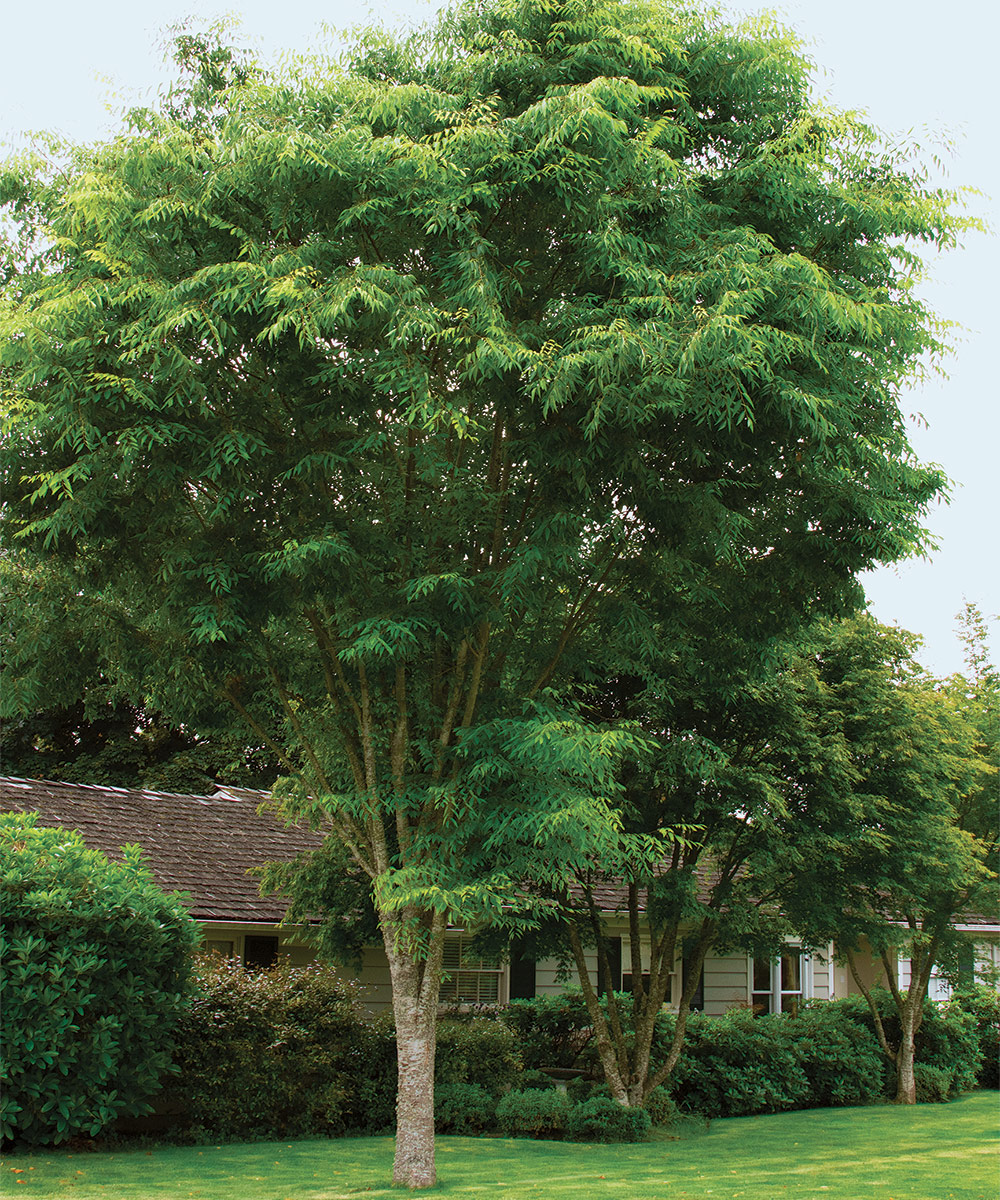
Poplars are arguably the most commercially significant fast-growing trees globally. Cultivars like hybrid poplars are known for their extraordinary growth rates, often reaching harvestable size in 10-15 years for pulpwood and 15-25 years for veneer or sawtimber. They thrive in moist, well-drained soils and benefit significantly from intensive management.
From an investment standpoint, poplars offer versatility. Their wood is widely used in pulp and paper, plywood, veneer, pallets, and increasingly, as feedstock for bioenergy. The established market for poplar products provides a degree of demand stability, making them a relatively secure investment for those seeking quicker returns in the timber industry. Investment timelines are comparatively short, and with proper site selection and management, yields can be substantial.
Empress Tree (Paulownia tomentosa): A Niche, High-Value Option
Often heralded as one of the fastest-growing trees in the world, the Empress Tree, also known as Foxglove Tree or Kiri, can reach maturity in as little as 5-10 years for sawtimber, with some varieties capable of growing 10-20 feet in a single year under ideal conditions. Its wood is remarkably lightweight, strong, warp-resistant, and has excellent insulating properties.
The financial appeal of Paulownia lies in its niche, high-value markets. It’s prized in marine applications, surfboards, musical instruments, furniture, and specialty veneers. While its growth speed is undeniable, investing in Paulownia requires careful market analysis due to its more specialized demand compared to commodities like poplar. Risks include susceptibility to certain diseases and the need for specific climatic conditions. However, for those who can tap into its premium markets, the rewards can be exceptionally high, offering a dramatic acceleration of timber investment returns.
Hybrid Willows (Salix species): Versatility and Biomass Potential
Hybrid willows are another group of extremely fast-growing trees, particularly when managed through coppicing – a technique where stems are cut back to ground level, allowing multiple new shoots to emerge rapidly. This management style allows for harvests every 3-5 years.
Their primary financial value lies in their use for biomass production, especially in the burgeoning bioenergy sector. They are an excellent source of renewable energy, capable of producing high yields of woody biomass per acre. Additionally, hybrid willows are valuable for phytoremediation (cleaning contaminated soil), erosion control, and wetland restoration, opening up opportunities in environmental service markets. For landowners looking to diversify income streams, particularly with an eye towards renewable energy or ecological services, hybrid willows offer a flexible and rapid-return option.

Black Locust (Robinia pseudoacacia): Durable and Resilient
Black Locust is a fast-growing, nitrogen-fixing tree native to North America, known for its extremely durable, rot-resistant wood. It can reach harvestable size for posts and poles in 10-15 years, and for larger sawtimber in 20-30 years.
Financially, Black Locust is attractive for its low maintenance requirements and the inherent value of its timber for outdoor applications. It’s excellent for fence posts, vineyard stakes, decking, and even flooring, commanding premium prices due to its natural resistance to decay without chemical treatment. It’s also a valuable species for reclaiming degraded land and improving soil quality due to its nitrogen-fixing capabilities. Investing in Black Locust can appeal to those seeking robust, low-input forestry operations with reliable demand for durable wood products.
Beyond Timber: Monetizing Fast-Growing Trees for Diverse Income Streams
The financial benefits of fast-growing trees extend beyond traditional timber sales, encompassing a range of innovative income streams that align with global sustainability goals.
Carbon Credits and Ecosystem Services
The most significant emerging financial opportunity for fast-growing trees is in the carbon credit market. As industries seek to offset their emissions, investing in projects that sequester carbon rapidly becomes highly attractive. Fast-growing trees, by their very nature, absorb CO2 at an accelerated rate compared to slower-growing species. Landowners can register their plantations under carbon offset programs, selling verified carbon credits to polluting entities. This provides a steady, recurring revenue stream, turning ecological benefit into financial asset. Furthermore, these trees contribute to broader ecosystem services, such as watershed protection and biodiversity enhancement, which may eventually command their own market values.
Bioenergy and Renewable Resources
The global transition away from fossil fuels has spurred immense demand for renewable energy sources. Fast-growing trees like willows, poplars, and certain eucalyptus species are prime candidates for bioenergy feedstocks. They can be harvested frequently and converted into wood pellets, chips, or liquid biofuels. Investors can secure long-term contracts with power plants or industrial facilities, creating a stable market for their biomass. Integrating bioenergy crops into existing agricultural land can provide diversification for farmers and consistent income streams.
Nursery Operations and Specialized Products
A lucrative side hustle or primary business model for entrepreneurs is operating a nursery specializing in fast-growing tree saplings. The demand for these trees, whether for commercial plantations, carbon sequestration projects, or home landscaping, is robust. By propagating and selling high-quality, disease-free saplings of species like hybrid poplars, Paulownia, or Black Locust, businesses can tap into a vital component of the forestry supply chain. Additionally, exploring value-added products, such as pre-cut furniture blanks from Paulownia, custom dimension timber, or specialized wood components, can significantly increase per-unit revenue compared to bulk timber sales.
Strategic Considerations for Investing in Fast-Growing Trees
While the allure of rapid returns is strong, successful investment in fast-growing trees requires meticulous planning and strategic execution.
Site Selection and Agronomic Factors
The “fastest-growing” moniker is contingent on optimal growing conditions. Site selection is paramount, considering soil quality, pH levels, nutrient availability, water access, and local climate. Investing in soil testing and professional agronomic consultation is crucial to ensure the chosen species will thrive and meet projected growth rates. Proper site preparation, fertilization, and irrigation management can dramatically influence yields and, consequently, financial returns. Without suitable conditions, even the most promising species will underperform, diminishing the investment’s viability.
Market Analysis and Risk Management
Thorough market analysis is non-negotiable. Understanding the current and projected demand for specific timber products, biomass, or carbon credits is essential. Timber markets can be volatile, influenced by housing starts, economic cycles, and international trade. Investors must also account for various risks, including pest infestations, diseases, extreme weather events (droughts, floods, storms), and wildfire. Implementing proactive pest management, planting resilient species, and securing adequate insurance are critical risk mitigation strategies. Diversifying tree species or income streams can also buffer against unforeseen market shifts or biological challenges.
Regulatory Landscape and Sustainable Practices
Navigating the regulatory landscape is a key component of financial planning. Permitting requirements for tree farming, environmental protection regulations, and land-use zoning can vary significantly by region. Adhering to sustainable forestry practices is not only environmentally responsible but also increasingly a financial imperative. Certifications such as those from the Forest Stewardship Council (FSC) or Sustainable Forestry Initiative (SFI) can unlock access to premium markets and demonstrate commitment to ecological stewardship, appealing to ethically conscious consumers and investors. Long-term ecological and financial sustainability go hand-in-hand, ensuring the ongoing viability and public acceptance of fast-growing tree investments.
aViewFromTheCave is a participant in the Amazon Services LLC Associates Program, an affiliate advertising program designed to provide a means for sites to earn advertising fees by advertising and linking to Amazon.com. Amazon, the Amazon logo, AmazonSupply, and the AmazonSupply logo are trademarks of Amazon.com, Inc. or its affiliates. As an Amazon Associate we earn affiliate commissions from qualifying purchases.