
Navigating the world of personal finance can often feel daunting, especially when it comes to recurring obligations like car payments. For many, a vehicle represents not just freedom and convenience but also a significant financial commitment. Understanding how to effectively manage and make your car payments is crucial for maintaining good financial health, protecting your credit score, and ultimately, owning your car outright. This guide will demystify the process, exploring the fundamental aspects of car loans, the various payment methods available, strategies for optimization, and what to do when challenges arise.
Deconstructing Your Car Loan: Beyond the Monthly Bill
Before you can effectively pay your car payment, it’s essential to understand what you’re actually paying for. A car loan isn’t just a single monthly figure; it’s a complex financial product with several key components that influence your financial obligation.
Understanding Your Loan Agreement: Principal, Interest, Term
When you sign a car loan agreement, you commit to repaying the principal – the original amount borrowed to purchase the vehicle. On top of this, you pay interest, which is the cost of borrowing the money, expressed as an annual percentage rate (APR). The higher your APR, the more you’ll pay in interest over the life of the loan.
The loan term dictates how long you have to repay the loan, typically ranging from 36 to 84 months. A shorter term generally means higher monthly payments but less interest paid overall, while a longer term results in lower monthly payments but a greater total interest cost. Familiarizing yourself with these terms in your loan document is the first step toward informed payment management. Look for details regarding late fees, prepayment penalties (though rare for car loans, it’s good to check), and any other charges that might be incurred.
Identifying Your Lender and Account Details
It might seem obvious, but knowing precisely who your lender is and having your account details readily accessible is paramount. While you might have bought your car from a dealership, the loan itself is usually provided by a bank, credit union, or a captive finance company (e.g., Toyota Financial Services, Ford Credit). Your initial loan documents should clearly state the name of the lender, your account number, and contact information.
If you’ve misplaced these details, check your initial email correspondence, physical mail from the lender, or even your bank statements for debit entries. Most lenders also have online portals where you can retrieve your account number after a simple registration process. Having this information handy will streamline every interaction, from setting up payments to inquiring about your loan balance.
The Impact of Payment Due Dates and Grace Periods
Every car loan comes with a specific monthly due date. Missing this date can lead to late fees and, more significantly, negative marks on your credit report. Most lenders, however, offer a grace period, which is a short window (often 7 to 15 days) after the due date during which you can still make your payment without incurring a late fee. While a grace period provides a small buffer, it’s not an invitation to pay late. Consistently paying within the grace period can still be perceived negatively by some lenders and can certainly lead to unnecessary stress. Always aim to pay on or before your official due date.
Navigating the Payment Landscape: Common Methods and Modern Solutions
Once you understand the mechanics of your loan, the next step is to explore the various ways you can actually make your payment. The evolution of banking and technology has brought forth a wide array of options, catering to different preferences for convenience, speed, and security.
Traditional Payment Avenues: Mail, Phone
For those who prefer tried-and-true methods, or in situations where digital access is limited, traditional payment methods remain viable. You can often mail a check or money order directly to your lender. The address for payments is typically listed on your monthly statement or the lender’s website. When mailing, ensure you send it several days before the due date to account for postal delivery times. Always include your account number on the check’s memo line.
Making a payment over the phone is another option. Most lenders have automated systems or customer service representatives who can process payments using your debit card or checking account information. While convenient for one-off payments, this method might involve service fees for some lenders and can be less efficient than digital alternatives if used regularly.
Digital Convenience: Online Portals and Mobile Apps
The most popular and often recommended methods today leverage digital technology. Nearly all major car lenders provide an online portal on their website where you can manage your loan. After creating an account, you can link your bank account, schedule one-time payments, view your payment history, and sometimes even access your loan documents. This offers a high degree of control and real-time information.
Many lenders also offer dedicated mobile apps, replicating the functionality of their online portals with the added convenience of smartphone access. These apps often feature push notifications for payment reminders, biometric login for enhanced security, and an intuitive interface designed for on-the-go management. Using an online portal or mobile app allows for instant payment confirmation and eliminates the worry of postal delays.
Automated Payments: Setting Up Autopay for Peace of Mind
Perhaps the most hassle-free payment method is autopay. By authorizing your lender to automatically deduct your monthly payment from your designated bank account on the due date, you eliminate the risk of forgetting a payment, incurring late fees, or damaging your credit score. Setting up autopay typically involves logging into your lender’s online portal or app and providing your bank account and routing numbers.
While autopay offers immense convenience, it’s crucial to ensure you always have sufficient funds in your linked account to cover the payment. A failed autopay due to insufficient funds can result in overdraft fees from your bank, late fees from your lender, and potentially a negative impact on your credit. Always monitor your account balance, especially around your payment due date.
Third-Party Payment Services and Other Options
In some instances, you might encounter third-party payment services like Western Union or MoneyGram, which allow you to make payments at retail locations. While these can be useful if you need to pay with cash or if your lender doesn’t offer a convenient direct method, they often come with transaction fees.
Additionally, some lenders allow in-person payments at their branches or affiliated banks. Check with your specific lender to see if this is an option and where their authorized payment locations are. This can be beneficial for those who prefer face-to-face interaction or need to make a last-minute payment with cash.
Optimizing Your Payment Strategy: Smart Financial Habits
Paying your car loan isn’t just about sending money on time; it’s about making smart financial choices that can save you money, reduce your debt quicker, and enhance your overall financial well-being.
Budgeting for Your Car Payment: Integrating it into Your Financial Plan
A fundamental principle of personal finance is effective budgeting. Your car payment should be a clearly defined line item in your monthly budget. Knowing exactly how much you owe and when it’s due allows you to allocate funds properly and avoid being caught off guard. Use budgeting tools, spreadsheets, or even simple pen and paper to track your income and expenses. The goal is to ensure that your car payment fits comfortably within your financial capacity without straining other essential expenses or savings goals. A common rule of thumb suggests that total car expenses (payment, insurance, fuel, maintenance) should not exceed 10-15% of your net monthly income.
The Power of Extra Payments: Reducing Interest and Loan Term
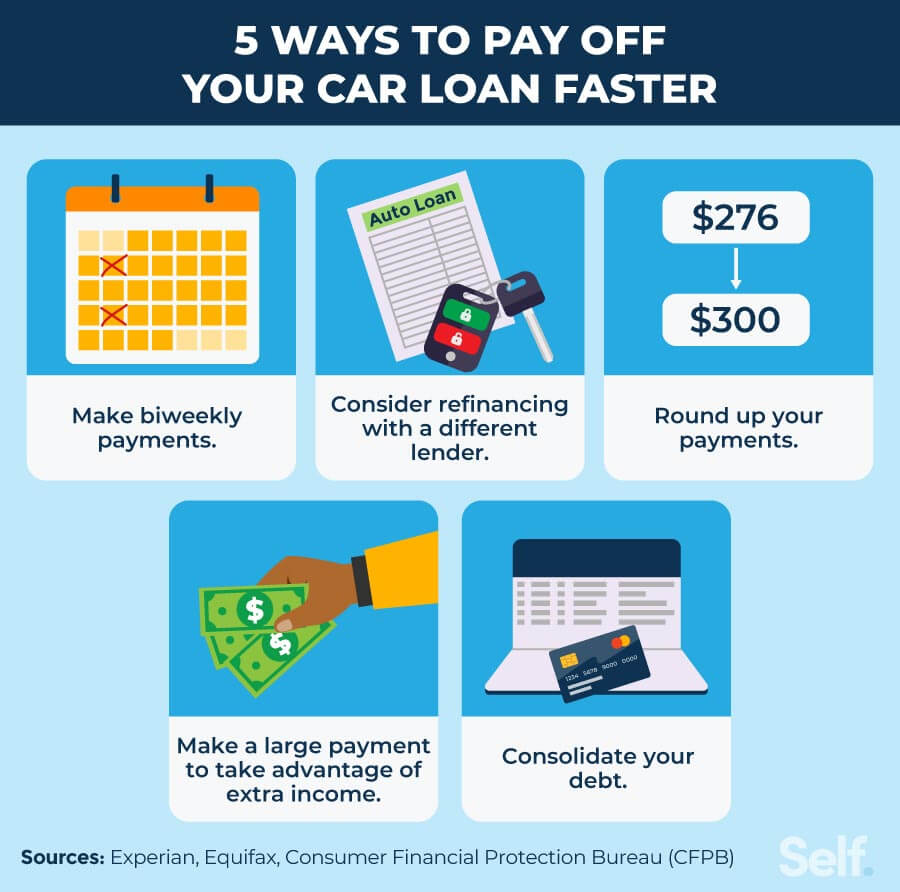
One of the most impactful strategies for car loan management is making extra payments. Even small additional amounts can significantly reduce the total interest you pay over the life of the loan and shorten your repayment term. When you pay more than your minimum due, ensure your lender applies the extra amount directly to the principal balance. This reduces the amount of principal on which interest accrues, leading to greater savings over time. You can often indicate this preference when making an online payment or by contacting your lender directly. For example, rounding up your payment by $25 or $50 each month can shave off several months and hundreds of dollars in interest from your loan.
Understanding Bi-Weekly vs. Monthly Payments
Another strategic approach is to switch from monthly to bi-weekly payments. There are 52 weeks in a year, meaning 26 bi-weekly periods. If you pay half of your monthly payment every two weeks, you’ll end up making the equivalent of 13 monthly payments per year instead of 12. This “extra” payment goes directly towards reducing your principal, similar to making one additional payment annually, thus accelerating your loan payoff and reducing total interest paid. Some lenders offer this as an official option, while others might require you to manually make the extra payment.
Avoiding Late Fees and Their Credit Impact
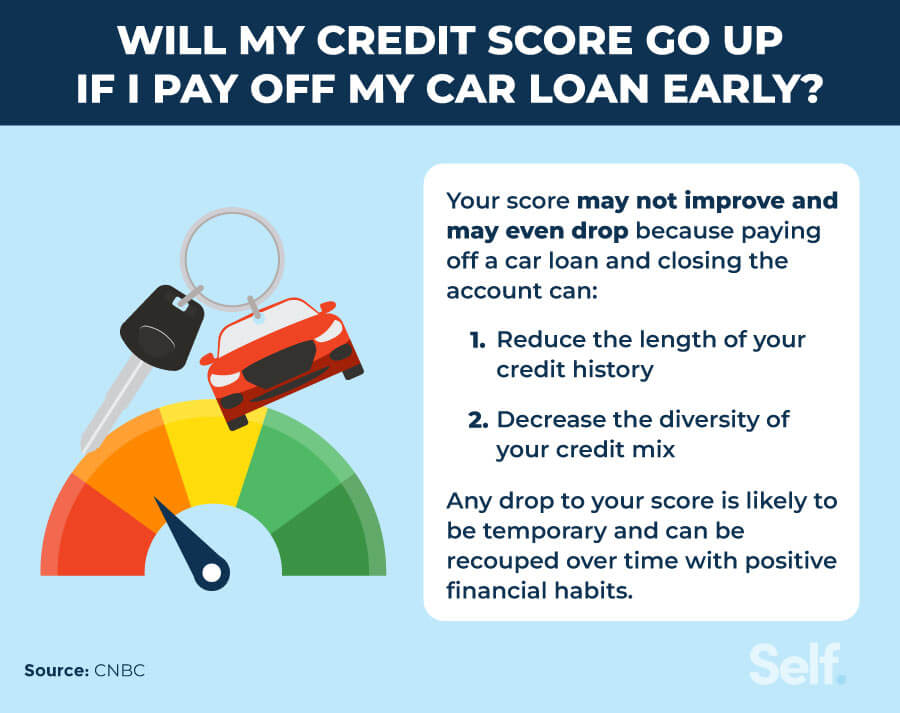
Late fees are an unnecessary expense that can quickly add up. More critically, consistently missing payments or paying significantly past your grace period can severely damage your credit score. Payment history is the largest factor in your FICO score (35%), and a single missed payment reported to credit bureaus (typically after 30 days past due) can drop your score by dozens of points. A lower credit score can impact your ability to secure future loans (mortgages, personal loans), rent an apartment, or even get favorable insurance rates. Prioritizing timely payments is not just about avoiding fees but about safeguarding your financial future.
When Payments Become a Challenge: Proactive Steps and Solutions
Life can throw unexpected curveballs – job loss, medical emergencies, or other financial setbacks can make even regular car payments difficult. Ignoring the problem is the worst approach. Proactive communication and exploring available options are key.
Communicating with Your Lender: Don’t Avoid Them
If you anticipate difficulty making a payment, or if you’ve already missed one, the most important step is to contact your lender immediately. Do not wait for them to contact you. Lenders are often more willing to work with borrowers who communicate openly and early. Explain your situation honestly. They might offer solutions that can temporarily alleviate your burden, which might not be available if you ghost them.
Exploring Payment Deferral and Loan Modification Options
Depending on your circumstances and your lender’s policies, several options might be available:
- Payment Deferral/Forbearance: Your lender might allow you to skip one or more payments, adding them to the end of your loan term. While this provides immediate relief, it also means you’ll pay slightly more interest over the loan’s life.
- Loan Modification: In some cases, your lender might be willing to modify the terms of your loan, such as extending the loan term to lower your monthly payment. This typically results in paying more interest overall but can make payments more manageable in a crisis.
- Refinancing: While typically done when rates drop or your credit improves, refinancing to a longer term can also lower monthly payments during a financial crunch, though it prolongs your debt.
These options are usually considered on a case-by-case basis and are not guaranteed, but they are worth exploring before your situation escalates.
Understanding the Ramifications of Missed Payments
It’s crucial to grasp the serious consequences of missed payments beyond late fees and credit score damage. If you consistently fail to make payments, your loan will eventually enter default. This can lead to repossession of your vehicle. The lender has the right to take possession of the car, sell it (often at auction for less than its market value), and then pursue you for any remaining balance (a “deficiency balance”) plus the costs of repossession and sale. This can result in a significant financial blow and a severe hit to your credit that can last for years.
Seeking Financial Counseling
If you find yourself in a deep financial hole, consider reaching out to a reputable non-profit credit counseling agency. These organizations can provide personalized advice, help you create a budget, negotiate with creditors on your behalf, and explore debt management plans. They offer an objective perspective and can guide you through complex financial challenges.
Beyond the Horizon: Refinancing and Early Payoff Strategies
Once you’ve mastered the art of managing your current car payments, you can look towards strategies that enhance your financial position in the long run.
When to Consider Refinancing Your Car Loan
Refinancing involves taking out a new loan to pay off your existing car loan, ideally with more favorable terms. You might consider refinancing if:
- Interest Rates Have Dropped: If market interest rates have decreased since you took out your original loan, you could secure a lower APR, saving you money on interest.
- Your Credit Score Has Improved: A significantly improved credit score can qualify you for better terms and a lower interest rate than you initially received.
- You Want a Shorter Term: If your financial situation has improved, you might refinance to a shorter loan term to pay off the car faster and reduce total interest.
- You Need a Lower Payment: If you’re struggling, refinancing to a longer term can reduce your monthly payment, but be mindful of the increased total interest.
Always compare the total cost of the new loan, including any fees, against the remaining cost of your current loan to ensure refinancing is truly beneficial.
Benefits and Drawbacks of Early Loan Payoff
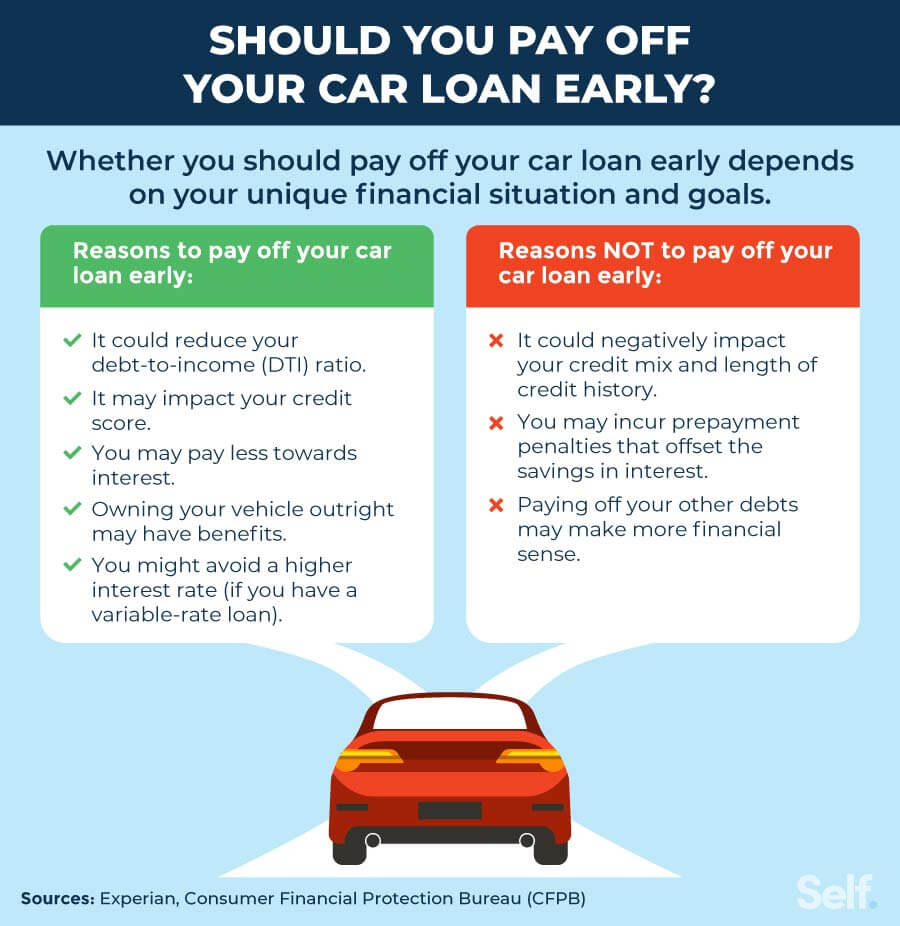
Paying off your car loan early is a commendable financial goal, offering several benefits:
- Save on Interest: The most significant advantage is reducing the total amount of interest paid over the life of the loan.
- Debt-Free Status: Eliminating a monthly payment frees up cash flow for other financial goals, like saving for a home, investing, or emergency funds.
- Improved Debt-to-Income Ratio: A lower debt burden looks favorable to future lenders.
- Peace of Mind: Owning your car outright brings a sense of financial security and freedom.
However, there can be drawbacks:
- Opportunity Cost: The money used to pay off the car early might yield higher returns if invested elsewhere, especially if your car loan interest rate is very low.
- Emergency Fund Depletion: Ensure you don’t sacrifice your emergency savings to pay off the car, leaving yourself vulnerable to unexpected expenses.
- Prepayment Penalties: While rare for car loans, always check your loan agreement for any fees associated with early payoff.
Strategic Savings and Investment for Loan Reduction
If immediate extra payments aren’t feasible, consider setting up a dedicated savings account specifically for your car loan. Each time you have a small windfall (tax refund, bonus, unexpected gift), deposit a portion into this account. Once it reaches a substantial amount (e.g., enough for an extra payment or two), apply it directly to your principal. This strategy allows you to chip away at your debt without feeling a significant pinch in your regular monthly budget. Similarly, if your loan has a very low interest rate, you might consider investing extra funds if you believe you can achieve a higher return than the interest rate you are paying on the loan. However, this carries investment risk and should be approached with caution.
Managing your car payment is a fundamental aspect of responsible personal finance. By understanding your loan, utilizing convenient payment methods, employing smart strategies, and knowing how to navigate challenges, you can ensure your car ownership journey is smooth, financially sound, and ultimately rewarding.
aViewFromTheCave is a participant in the Amazon Services LLC Associates Program, an affiliate advertising program designed to provide a means for sites to earn advertising fees by advertising and linking to Amazon.com. Amazon, the Amazon logo, AmazonSupply, and the AmazonSupply logo are trademarks of Amazon.com, Inc. or its affiliates. As an Amazon Associate we earn affiliate commissions from qualifying purchases.