
In the contemporary economic landscape, the traditional four-year university degree is no longer the sole pathway to financial prosperity. As tuition costs at private and public universities skyrocket, many savvy individuals are looking toward trade schools—also known as vocational or technical schools—as a high-yield investment. The “Money” niche perspective on trade schools focuses on one primary metric: the Return on Investment (ROI). By minimizing student debt and accelerating the timeline to enter the workforce, trade schools offer a unique financial vehicle for wealth building.
This guide explores the various types of trade schools available today, categorized by their earning potential, market demand, and long-term business scalability.
The Economics of Vocational Education: Why Trade Schools are a Smart Financial Play
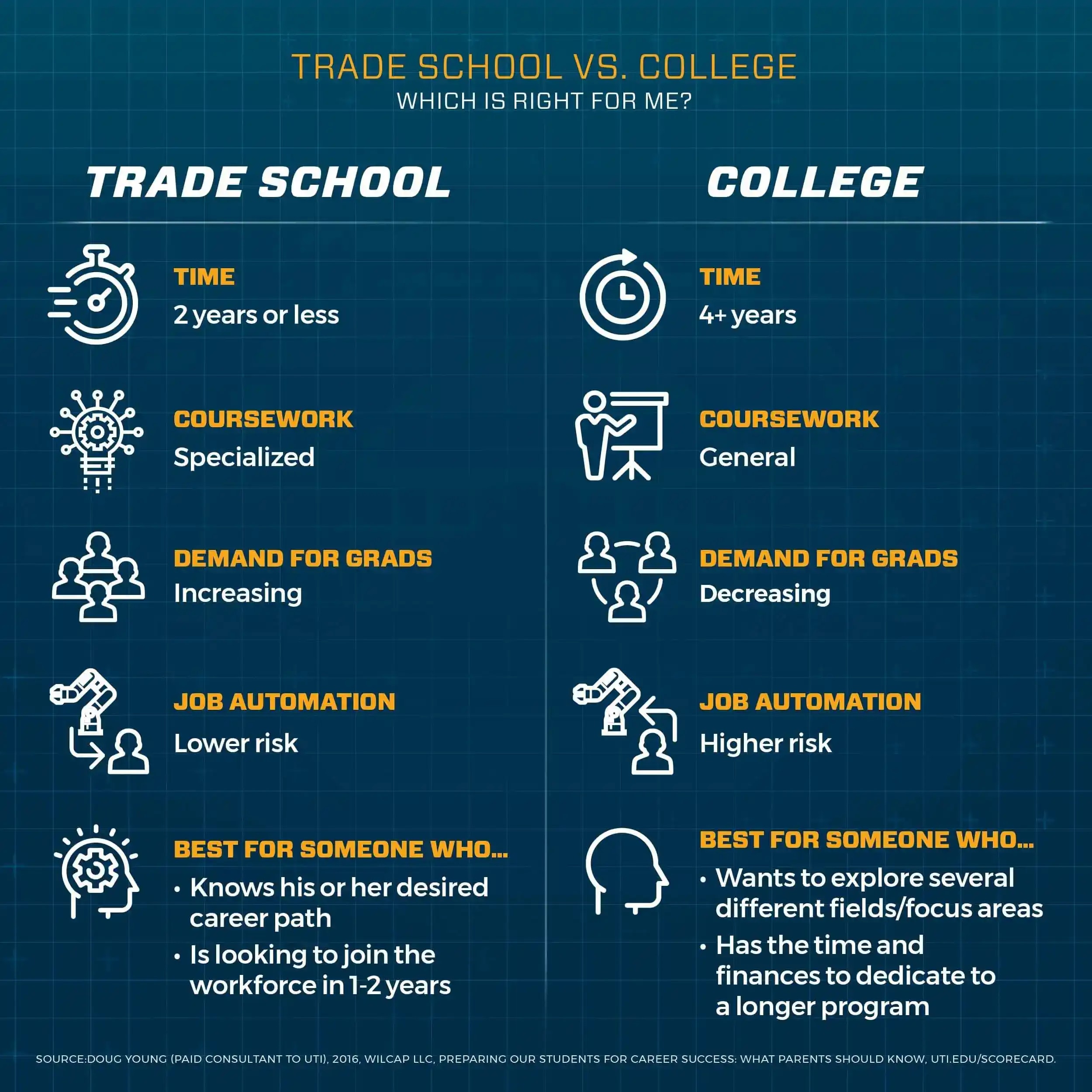
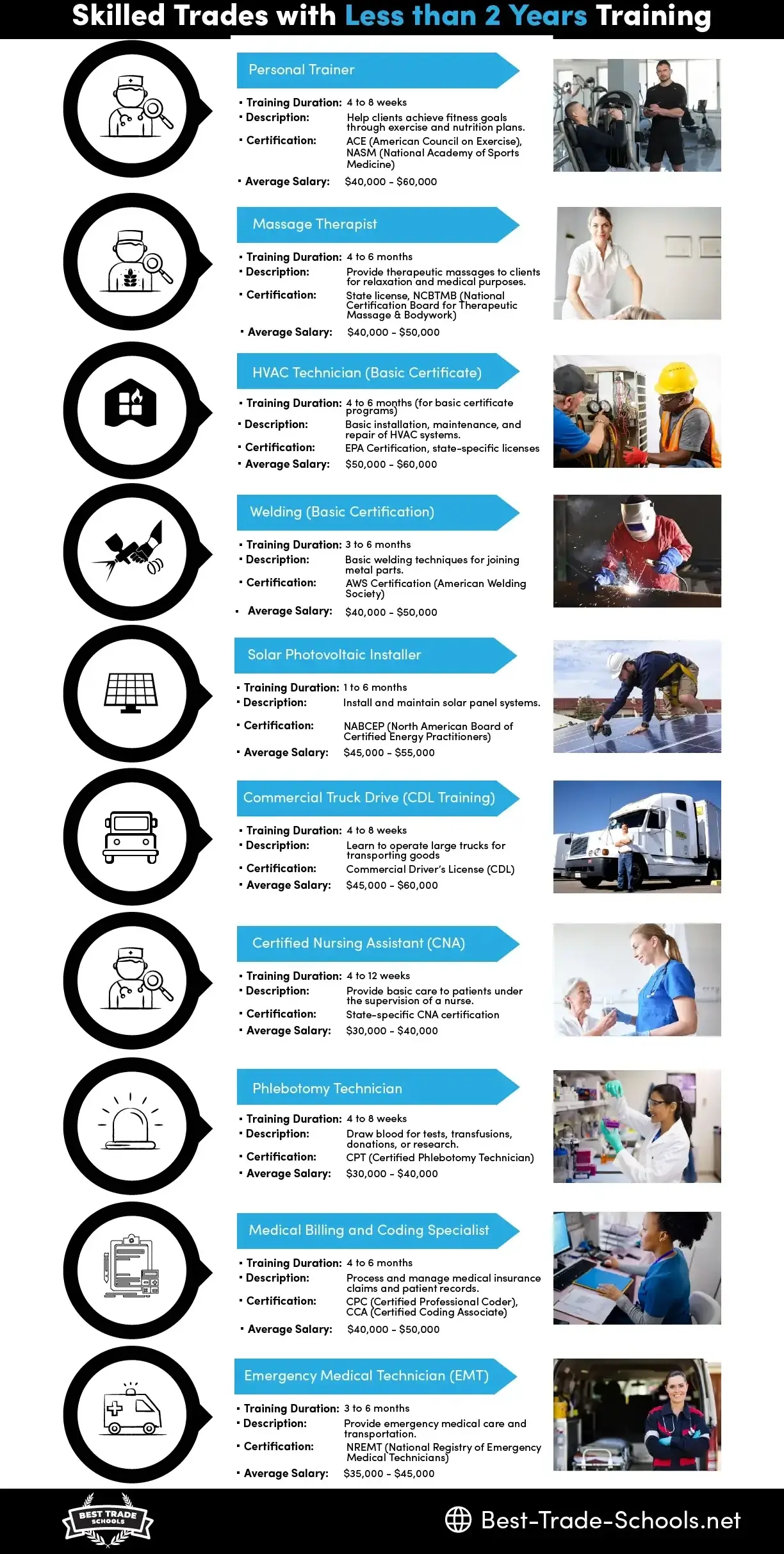
Before diving into specific types of schools, it is essential to understand the fiscal logic behind vocational training. The primary advantage of a trade school is the compression of the “learning-to-earning” cycle. While a bachelor’s degree typically requires four to five years of tuition payments and deferred income, most trade programs are completed in six months to two years.
Trade School vs. Traditional College: A Cost-Benefit Analysis
The average cost of a four-year degree in the United States often exceeds $100,000 when considering tuition, room, and board. Conversely, many trade school programs cost between $5,000 and $15,000 in total. From a personal finance standpoint, this represents a significantly lower “break-even” point. When you factor in the opportunity cost of three additional years in the workforce, a trade school graduate can often enter their 30s with a higher net worth than a peer who pursued a liberal arts degree burdened by high-interest student loans.
Avoiding the Student Debt Trap
Student loan debt is one of the most significant inhibitors of wealth accumulation for young professionals. By choosing a trade, students often graduate with little to no debt, or debt that can be aggressively paid off within the first year of employment. This allows for earlier contributions to retirement accounts (like a Roth IRA or 401k), compounding wealth over a longer horizon.
High-Yield Industrial and Construction Trade Schools
The “Blue-Collar Gold Rush” is driven by a massive labor shortage in specialized technical fields. These trades offer not just a salary, but the foundation for lucrative business ownership.
HVAC and Electrical Systems: Recession-Proof Income
Schools specializing in Heating, Ventilation, and Air Conditioning (HVAC) and Electrical work are among the most popular for those seeking financial stability. These trades are considered “recession-proof” because they involve essential services. An electrician or HVAC technician often starts with a competitive mid-five-figure salary, but the real “money” play is in the mastery of the craft. Licensed master electricians can command six-figure incomes, especially in metropolitan areas or through specialized industrial contracting.
Specialized Welding and Underwater Engineering
Welding trade schools offer some of the fastest paths to high-income brackets. While basic structural welding offers a solid middle-class living, specialized schools focusing on TIG welding, pipefitting, or underwater welding can lead to salaries exceeding $100,000 per year. Underwater welding, in particular, is a high-risk, high-reward niche where technicians are paid premium rates for their specialized skills in offshore oil and gas or maritime infrastructure.
Precision Manufacturing and CNC Machining
As manufacturing returns to domestic shores through “reshoring” initiatives, trade schools focusing on Computer Numerical Control (CNC) machining and precision manufacturing are seeing a surge in value. These programs teach students how to operate complex machinery that produces aerospace, medical, and automotive components. For the financially minded, this path offers a bridge into the world of industrial business management and high-tech manufacturing.
Healthcare and Medical Vocational Paths

The healthcare sector is one of the largest contributors to the GDP, and you do not need an M.D. to capitalize on its growth. Medical trade schools (allied health schools) provide certifications that lead to high-demand roles with excellent benefits.
Dental Hygiene and Nursing Certifications
Dental hygiene schools are arguably the hidden gems of the vocational world. With a two-year associate degree from a vocational college, dental hygienists can earn a median salary of $77,000 or more, often with flexible schedules that allow for “side hustles” or additional investments. Similarly, Licensed Practical Nurse (LPN) or Registered Nurse (RN) programs at vocational schools provide a direct entry point into the healthcare economy, where overtime pay and shift differentials can significantly boost annual take-home pay.
Medical Imaging and Radiologic Technology
Schools that train Radiologic Technologists, MRI Technicians, and Diagnostic Medical Sonographers offer a high ROI. These roles require technical precision and an understanding of expensive medical hardware. Because the equipment is costly and the expertise is specialized, the billing rates for these services are high, which trickles down into competitive wages and job security for the technicians.
Business-Centric and Emerging Digital Trades
The definition of a “trade” has expanded in the 21st century. New vocational models are emerging that focus on the digital economy and logistical infrastructure, blending traditional trade school speed with modern business needs.
Logistics and Supply Chain Management
The global economy relies on the movement of goods. Trade schools offering certifications in logistics, heavy equipment operation, and Commercial Driver’s License (CDL) training are vital. While truck driving is a well-known path, specialized logistics schools train individuals in warehouse management and supply chain optimization—roles that are increasingly critical for e-commerce giants and offer clear pathways into corporate management or independent fleet ownership.
Digital Trade Schools: The Rise of Coding and Cybersecurity Bootcamps
While often categorized as “tech,” from a financial perspective, coding bootcamps function exactly like trade schools. They provide intensive, short-term training designed to produce a specific job outcome. For an investor in their own human capital, a 12-week cybersecurity or software development program can pivot a career from a low-wage bracket to an entry-level salary of $70,000–$90,000. The key to the “Money” niche here is the “Income Share Agreement” (ISA) model many of these schools use, where the student only pays tuition once they have secured a high-paying job.
Maximizing Your Net Worth Through Trade Specialization
Simply attending a trade school is the first step. To truly excel in the “Money” niche, one must look at a trade as a business asset rather than just a job.
Scaling from Employee to Business Owner
The ultimate financial advantage of a trade is the ability to scale. A plumber who works for a company has a salary cap; a plumber who starts their own plumbing firm and employs ten other plumbers has an exponential income ceiling. Trade schools provide the technical foundation, but the most successful graduates often pair their technical education with “Business Finance” self-education to understand cash flow, tax incentives for small businesses, and capital reinvestment.
Geographic Arbitrage and Trade Salaries
One often-overlooked financial strategy in the trades is geographic arbitrage. Because trade skills are portable and in demand everywhere, a professional can choose to live in a low-cost-of-living (LCOL) area while working in a high-demand sector or taking on contracts in high-pay regions. For instance, a specialized welder can live in a rural area with minimal expenses and travel for “shutdown” contracts that pay several months’ worth of salary in a few weeks.
Continuous Professional Education (CPE) as an Investment
In the world of finance, we talk about diversifying portfolios. In the trades, this means stacking certifications. A technician who attends additional short-term trade seminars to learn solar panel installation or smart-home integration is essentially “upgrading” their asset—themselves. These additional certifications allow for higher billing rates and access to more affluent client bases, further increasing the ROI of their initial trade school education.
Conclusion
When asking “what trade schools are there,” the answer should be viewed through the lens of financial strategy. Whether it is the industrial grit of welding and electrical work, the stable demand of healthcare vocations, or the modern efficiency of digital bootcamps, trade schools represent a powerful alternative to the debt-heavy traditional education model. By focusing on low entry costs, high market demand, and the potential for business scalability, trade school graduates are uniquely positioned to build significant net worth in a volatile economy. Choosing the right trade school is not just a career move; it is a calculated investment in a lucrative, sustainable future.
aViewFromTheCave is a participant in the Amazon Services LLC Associates Program, an affiliate advertising program designed to provide a means for sites to earn advertising fees by advertising and linking to Amazon.com. Amazon, the Amazon logo, AmazonSupply, and the AmazonSupply logo are trademarks of Amazon.com, Inc. or its affiliates. As an Amazon Associate we earn affiliate commissions from qualifying purchases.