
In the contemporary landscape of health technology and digital wellness, the concept of “one unit of alcohol” has migrated from a vague medical guideline to a precise data point within complex software ecosystems. Historically, a unit was a simple rule of thumb—10 milliliters or 8 grams of pure ethanol. However, for the modern software engineer, app developer, or hardware designer, defining and tracking this unit requires a sophisticated intersection of algorithmic accuracy, sensor technology, and data integration. As the global “Quantified Self” movement grows, technology is transforming how we interpret alcohol consumption, turning physiological effects into actionable digital insights.
The Digital Standardization of Alcohol Measurement
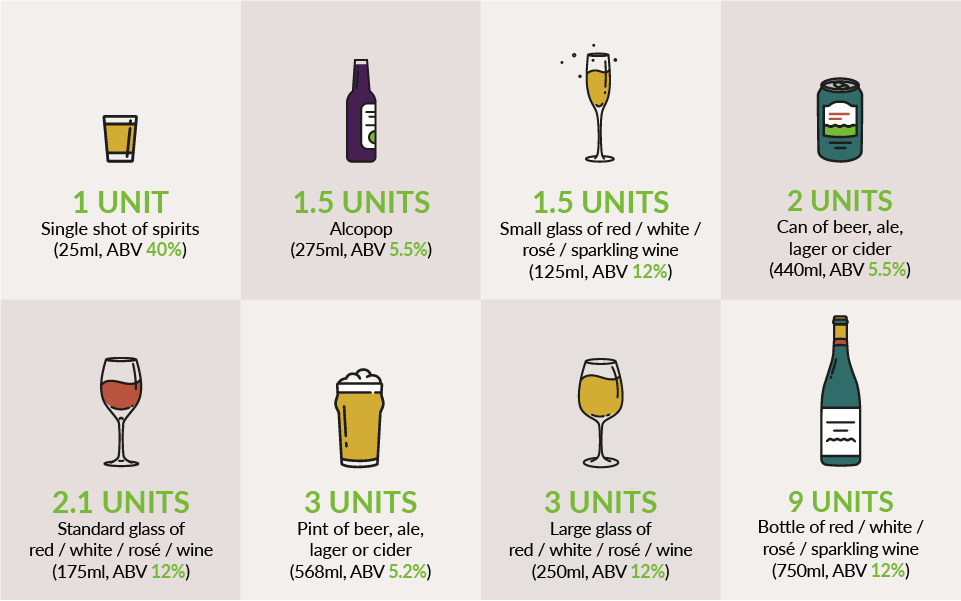
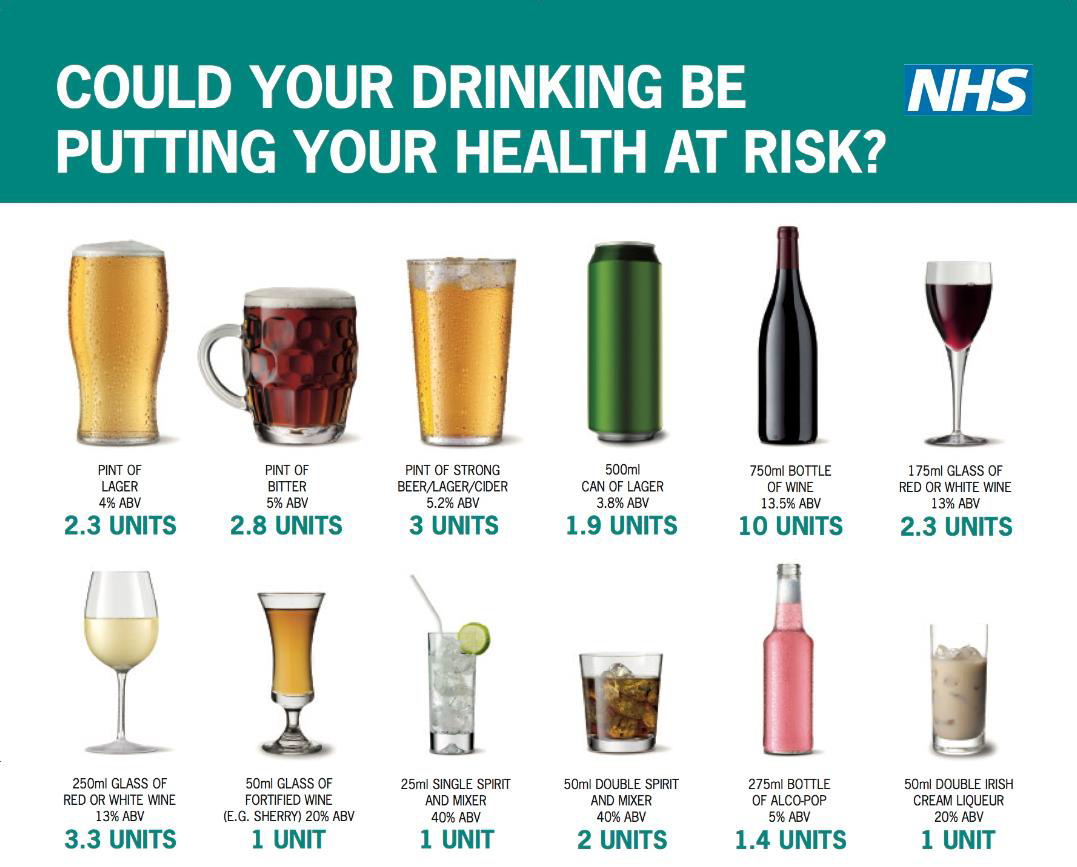
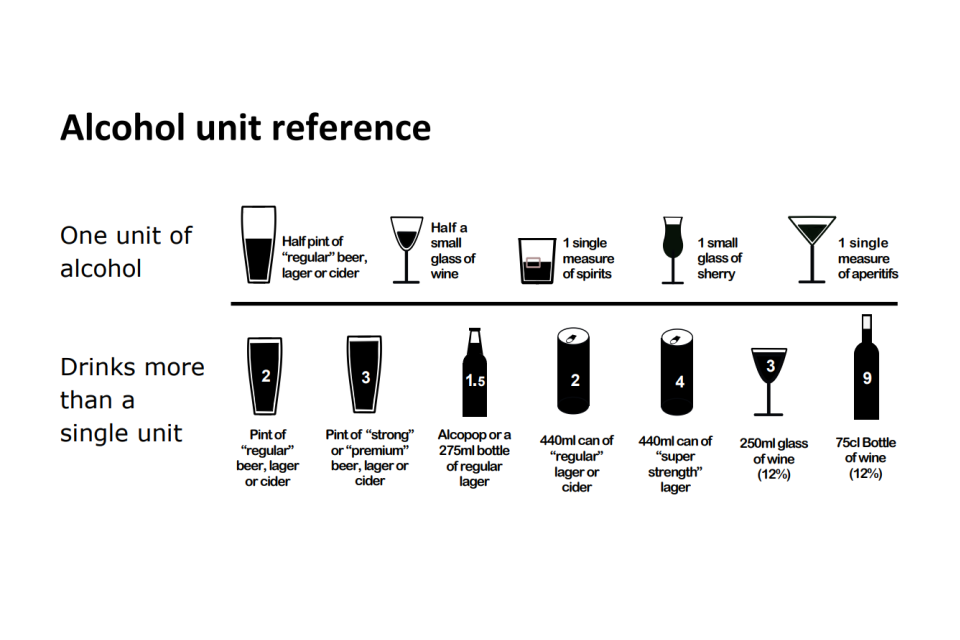
At its core, calculating one unit of alcohol is a mathematical problem that technology has solved through automation. While the human brain might struggle to calculate the exact unit count of a 330ml craft beer at 6.7% ABV versus a 125ml glass of wine at 13%, software handles these variables instantaneously.
Algorithmic Accuracy in Health Apps
For developers building health and fitness applications, the primary challenge is translating varied fluid volumes and alcohol-by-volume (ABV) percentages into a standardized unit. The formula utilized by most modern APIs is: (ABV (%) × Volume (ml)) / 1,000. Tech stacks in popular apps like MyFitnessPal or specialized sobriety trackers use this calculation to provide users with real-time feedback.
The complexity arises when apps must account for “standard drinks,” which vary by jurisdiction. A tech solution must be geographically aware; for instance, a “standard drink” in the United States contains 14 grams of alcohol, whereas a UK “unit” is 8 grams. Robust software architecture utilizes geolocation data and localized databases to ensure that a user in London and a user in New York receive accurate, culturally relevant data from the same global platform.
The Role of Database Management in Global Alcohol Standards
The efficiency of any alcohol-tracking technology depends on the underlying database. Comprehensive backend systems now store the ABV profiles of millions of beverages, from mass-produced lagers to hyper-local spirits. Through the use of barcode scanning technology and Image Recognition AI (similar to Google Lens), users can identify a beverage, and the software automatically pulls the specific ABV to calculate the exact units consumed.
This reliance on “Big Data” allows for a more nuanced understanding of consumption. Instead of manual entry, which is prone to human error, API-driven databases provide a “single source of truth.” This technological infrastructure is essential for clinical research and personal health monitoring, ensuring that the “unit” remains a consistent metric across different hardware and software environments.
Wearable Tech and Real-Time Unit Tracking
While apps rely on user input, the frontier of alcohol measurement lies in hardware. Wearable technology has evolved beyond simple step-counting to include sophisticated biosensors capable of monitoring alcohol consumption at the physiological level.
Transdermal Alcohol Monitoring Systems
The gold standard in alcohol-tracking hardware is transdermal monitoring. Devices such as the BACtrack Skyn or dedicated wristbands utilize fuel-cell technology to detect ethanol molecules excreted through the skin. These sensors perform a continuous “gas chromatography” process on a miniature scale.
From a tech perspective, the challenge is the “lag time” between consumption and transdermal excretion. Engineers use predictive algorithms to map the sensor’s readings back to the “unit” count. By analyzing the rate of increase in ethanol vapor, the software can estimate how many units were consumed and at what time, providing a digital graph of the user’s Blood Alcohol Content (BAC). This integration of hardware and machine learning offers a level of precision that manual tracking simply cannot match.
Integrating Alcohol Data into the IoT Ecosystem
The modern wearable does not exist in a vacuum; it is part of the Internet of Things (IoT). When a wearable device detects a specific threshold of alcohol units, it can communicate with other smart devices. We are seeing the rise of “Smart Home” integrations where a high unit count might trigger a lock on a smart car ignition (interlock technology) or suggest a ride-sharing app through a smartwatch notification.
This ecosystem relies on low-latency communication protocols like Bluetooth Low Energy (BLE) and robust cloud synchronization. The data is not just stored; it is synthesized. For example, an Apple Watch might correlate a high alcohol unit count with a decrease in Heart Rate Variability (HRV) and poor sleep quality reported by an Oura ring, giving the user a holistic view of how a “single unit” technically impacts their recovery.
AI and Machine Learning in Predictive Consumption Modeling
Artificial Intelligence is shifting the focus from historical tracking to predictive modeling. By analyzing historical unit consumption data alongside other biometric markers, AI can provide insights that were previously impossible to quantify.
Personalized Wellness Insights through Big Data
Machine Learning (ML) models are now being trained on massive datasets to predict how a specific number of units will affect an individual’s unique physiology. By inputting variables such as body mass, metabolic rate, hydration levels, and even genetic markers from services like 23andMe, AI can forecast the biological “cost” of one unit of alcohol.
For the user, this looks like a notification saying, “Based on your current fatigue levels and previous data, one unit of alcohol will reduce your deep sleep by 20% tonight.” This is the pinnacle of “Tech-Driven Temperance”—using data science to encourage informed decision-making. The technical achievement here is the processing of unstructured data into a predictive score, often referred to in the industry as a “Readiness Score” or “Wellness Index.”
Smart Barware and the Automation of Precision Pouring
In the hospitality and home-automation sectors, technology is being used to prevent “unit creep.” Smart pourers and connected scales ensure that every drink contains exactly the intended unit measurement. These devices use precision flow meters and weight sensors connected via Wi-Fi to a central hub.
For commercial enterprises, this tech provides a dual benefit: inventory management and consumer safety. From a tech standpoint, these devices utilize firmware that can be updated to reflect changing regulations or new beverage formulas. This automation eliminates the variance of a “heavy pour,” ensuring that when a digital menu says a cocktail contains 2.1 units, the hardware delivers exactly that amount with 99.9% accuracy.
Digital Security and Privacy in Personal Health Data
As we digitize the measurement of alcohol units, the sensitivity of the resulting data cannot be overstated. Information regarding alcohol consumption is highly personal and potentially volatile, necessitating the highest standards of digital security.
Protecting Sensitive Consumption Records
For developers in this space, implementing end-to-end encryption (E2EE) is mandatory. Data regarding how many units a person consumes is protected under various international laws, such as HIPAA in the United States or GDPR in Europe. Technology companies must ensure that this data is stored in encrypted silos, separate from identifiable personal information (PII).
Modern tech architecture for health apps often utilizes “On-Device Processing.” Instead of sending raw consumption data to the cloud, the “unit” calculation and behavioral analysis happen locally on the user’s smartphone. Only anonymized, aggregated data is sent to the servers, ensuring that even in the event of a data breach, an individual’s specific drinking habits remain private.
The Ethics of Health-Tech Data Monetization
The intersection of tech and alcohol measurement also raises significant ethical questions regarding data usage. There is a high demand for this data from insurance companies, corporate wellness programs, and advertisers. The technological safeguard against the misuse of this data is the implementation of “Differential Privacy.”
Differential privacy is a technique that allows companies to extract insights from a dataset without being able to identify any specific individual. By adding “mathematical noise” to the consumption data, tech firms can identify trends—such as “30-year-olds in Berlin are consuming 15% fewer units than last year”—without compromising the privacy of a single user. As the technology behind measuring one unit of alcohol becomes more pervasive, these security protocols will be as important as the sensors themselves.
Conclusion
The question “what is one unit of alcohol” is no longer just a query for a doctor or a bartender; it is a request for a data-driven calculation. Through the lens of technology, a unit is a metric that fuels algorithms, triggers biosensors, and populates health dashboards. From the code that powers a tracking app to the hardware that monitors our skin, technology has brought an unprecedented level of precision to how we quantify our habits. As AI and wearable tech continue to converge, the “unit” will remain a vital data point in our quest for a more digitized, transparent, and healthy lifestyle.
aViewFromTheCave is a participant in the Amazon Services LLC Associates Program, an affiliate advertising program designed to provide a means for sites to earn advertising fees by advertising and linking to Amazon.com. Amazon, the Amazon logo, AmazonSupply, and the AmazonSupply logo are trademarks of Amazon.com, Inc. or its affiliates. As an Amazon Associate we earn affiliate commissions from qualifying purchases.