
In an era defined by digital innovation and smart solutions, even seemingly conventional tasks like changing spark plugs are being transformed by technology. Far from being a mundane mechanical chore, modern spark plug replacement increasingly leverages sophisticated diagnostic tools, precision-engineered gadgets, and vast digital resources. This article delves into the technological arsenal required for a successful spark plug change, moving beyond basic wrenches to explore the tech-enhanced ecosystem that empowers both professional mechanics and tech-savvy DIY enthusiasts.
Beyond the Basics: The Tech Evolution of Automotive Maintenance
The automotive world, once a bastion of purely mechanical craftsmanship, has rapidly embraced technology. Vehicles are now sophisticated computers on wheels, and their maintenance reflects this shift. Changing spark plugs, an essential part of engine upkeep, is no exception. The process has evolved from brute force and guesswork to a precise, data-driven operation, relying heavily on advancements in diagnostic and precision tooling.
The Rise of Diagnostic Technology: OBD-II, Apps, and AI Predictive Maintenance
Before a single spark plug is even touched, modern maintenance often begins with digital diagnostics. The ubiquitous On-Board Diagnostics (OBD-II) system has revolutionized troubleshooting. An OBD-II scanner, once a costly professional tool, is now an affordable gadget for any car owner. These scanners plug into a vehicle’s diagnostic port, retrieve error codes (DTCs – Diagnostic Trouble Codes), and provide real-time data on engine performance. For spark plug-related issues, they can pinpoint misfires to specific cylinders, saving countless hours of guesswork.
Beyond basic code reading, advanced diagnostic tools and accompanying smartphone apps offer deeper insights. Some systems provide live data streaming, allowing users to monitor engine parameters like oxygen sensor readings, fuel trim, and ignition timing, all of which can indirectly indicate spark plug health. The next frontier in this space is AI-driven predictive maintenance. By analyzing historical data and real-time sensor readings, AI algorithms can predict component failures, including spark plug degradation, even before a trouble code appears, prompting proactive maintenance rather than reactive repairs. This foresight prevents more severe engine damage and optimizes maintenance schedules.
Precision and Ergonomics: Smart Hand Tools for the Modern DIYer
While software tells us what needs fixing, the physical act still requires tools. However, even traditional hand tools have seen significant technological advancements, focusing on precision, ergonomics, and durability. Materials science has led to stronger, lighter alloys, while ergonomic designs reduce user fatigue and improve control. For a task as delicate as spark plug replacement, where overtightening can damage engine heads and undertightening can lead to blowouts, these advancements are critical. Digital displays, integrated sensors, and smart features are transforming basic wrenches and sockets into precision instruments, bridging the gap between manual labor and technological assistance.
Essential Tech-Enhanced Tools for Spark Plug Replacement
A successful spark plug change in today’s vehicles demands more than just a basic wrench set. It calls for specialized, often tech-enhanced, tools designed to navigate the complexities of modern engine compartments and ensure optimal performance.
Diagnostic Scanners: Pinpointing the Problem Digitally
As mentioned, the OBD-II scanner is the first tech tool on your list. These devices range from simple code readers that display a DTC to advanced units with live data capabilities, graph functions, and even bi-directional control for deeper system tests. For spark plug issues, the scanner will often reveal specific misfire codes (e.g., P0301 for a misfire in cylinder 1). Some high-end scanners can even perform cylinder balance tests or relative compression tests, further isolating ignition problems. Investing in a quality scanner with live data capabilities is invaluable, not just for spark plugs but for overall vehicle health monitoring. Modern versions often connect wirelessly via Bluetooth to smartphone apps, turning your phone into a powerful diagnostic interface.
Digital Torque Wrenches: Ensuring Optimal Performance
One of the most crucial tools for spark plug replacement is the torque wrench, and its digital iteration offers unparalleled precision. Spark plugs must be tightened to an exact specification—too loose, and they can vibrate out or leak; too tight, and you risk stripping threads in the cylinder head, cracking the spark plug insulator, or damaging the engine. Digital torque wrenches provide audible and visual alerts when the desired torque is reached, eliminating the guesswork associated with traditional click-type wrenches. Many models feature digital displays for precise readings, memory functions to store common torque settings, and even data logging capabilities for meticulous record-keeping. Some can even measure the angle of rotation after initial torque, which is crucial for modern torque-to-yield fasteners often found in automotive applications. This precision is vital for the longevity and performance of both the new spark plugs and the engine itself.
Specialized Spark Plug Sockets & Extensions: Designed for Modern Engines
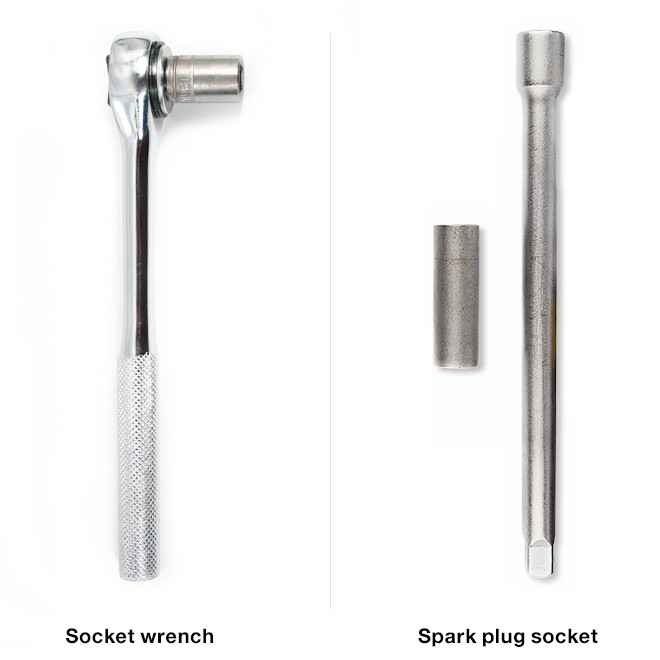
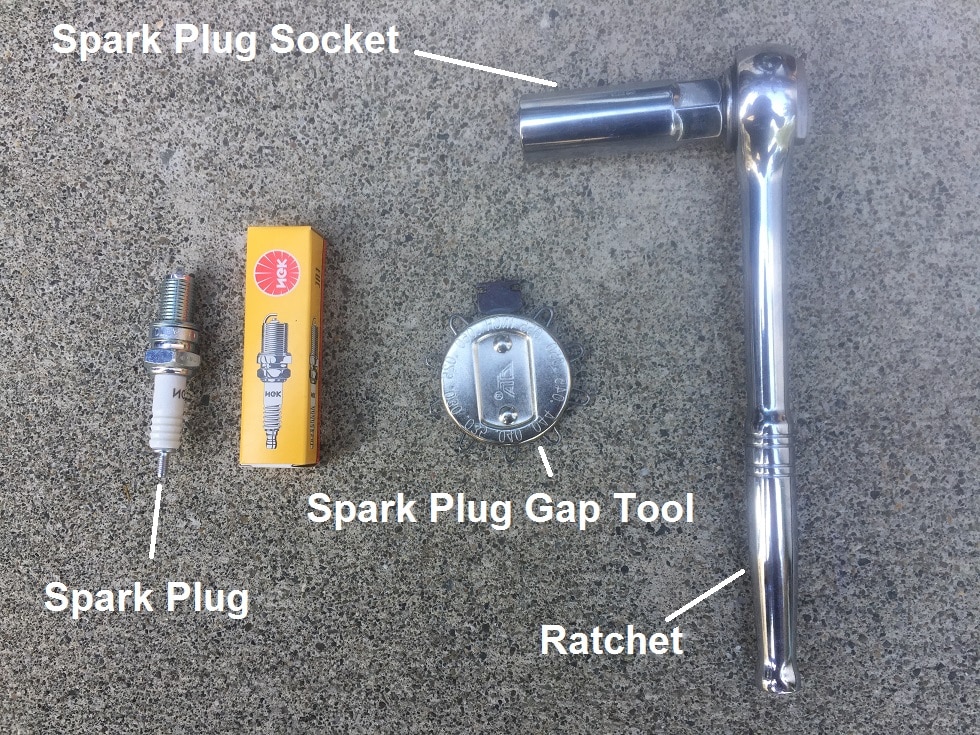
Modern engines are compact and often feature deeply recessed spark plugs or those tucked away under intake manifolds. Standard sockets might not cut it. Specialized spark plug sockets are designed with a rubber insert to protect the ceramic insulator and securely grip the plug for removal and installation. They often come in various lengths and thin-wall designs to fit into tight spaces. Magnetic versions further enhance ease of use by securely holding the plug. Flexible extensions and universal joints allow access to awkwardly positioned plugs, while swivel-head ratchets provide the leverage needed in confined areas. The innovation here lies in engineering tools that adapt to increasingly complex engine layouts, ensuring every plug is accessible without causing damage to surrounding components.
Gapping Tools: Achieving Precision in Ignition
While many modern spark plugs come pre-gapped for specific applications, verifying and adjusting the gap is still a critical step, especially for aftermarket plugs or if you’re working with custom engine tunes. The spark plug gap—the distance between the center and ground electrodes—directly affects the quality of the spark. A gap that is too wide can lead to misfires, while one too narrow can result in a weak spark. Digital gapping tools offer precise measurements, often displaying the gap on a screen, removing the subjectivity of traditional feeler gauges. Some tools even incorporate a precise bending mechanism to adjust the ground electrode without damaging the delicate center electrode or insulator. This seemingly small detail has a profound impact on combustion efficiency, fuel economy, and engine performance.
Supporting Gadgets and Safety Tech for a Seamless Job
Beyond the core tools, several auxiliary gadgets and safety technologies enhance the efficiency, visibility, and safety of spark plug replacement. These often overlooked items can transform a frustrating task into a manageable one.
Inspection Cameras (Borescopes): Seeing What You Can’t
Modern engine bays are cramped, and many spark plugs are hidden from direct view. An inspection camera, or borescope, is an invaluable tech gadget in this scenario. These flexible cameras with integrated LED lights can snake into tight spaces, displaying a live feed on a small screen or connected smartphone. They allow you to inspect the condition of old spark plugs before removal, check for debris in the spark plug well, or ensure no foreign objects fall into the cylinder during the process. Some advanced models can even capture photos or videos, providing visual documentation for diagnostics or sharing with clients/fellow DIYers. This visual clarity reduces guesswork and prevents potential damage.
Illumination & Work Lights: Shedding Light on the Task
Working in an engine bay often means contending with shadows and poor lighting. High-quality LED work lights are essential. Modern LED technology provides bright, wide-angle illumination with minimal heat generation and long battery life. Magnetic bases, flexible necks, and articulating heads allow these lights to be positioned exactly where needed, illuminating deep recesses and dark corners. Some advanced models even feature adjustable color temperatures to enhance visibility of different components. A well-lit workspace is not just about convenience; it’s a critical safety feature that prevents mistakes and improves precision.
Protective Gear: Smart Safety for Smart Hands
While not “tools” in the traditional sense, modern protective gear integrates technology for enhanced safety. Impact-resistant gloves with integrated padding protect hands from bumps and scrapes, while offering improved grip. Safety glasses made from advanced polycarbonates provide clear vision and ballistic protection. Even simple items like fender covers protect the vehicle’s paintwork from scratches and chemical spills. The “tech” here is in the materials science and ergonomic design that makes this gear more comfortable, durable, and effective, allowing you to focus on the task without worrying about injury.
Leveraging Digital Resources: Tutorials, Forums, and Apps
The internet has democratized knowledge, making complex automotive repairs accessible to everyone. For spark plug replacement, digital resources are as vital as the physical tools.
Interactive Tutorials and Video Guides
YouTube and dedicated automotive repair websites host an immense library of video tutorials and step-by-step guides. These resources offer visual demonstrations, often specific to your vehicle make and model, showing precisely where components are located, how to safely remove connectors, and the correct sequence for replacement. Many guides highlight common pitfalls and offer expert tips, making the process less intimidating for novices and providing valuable refreshers for experienced hands. The ability to pause, rewind, and re-watch complex steps is a significant advantage over traditional paper manuals.
Automotive Forums and AI Assistants for Troubleshooting
When specific issues arise or a unique challenge presents itself, online automotive forums and communities become invaluable. These platforms connect enthusiasts and professionals who share experiences, advice, and solutions. Posting a question about a peculiar engine noise or a stubborn component can yield a solution within hours. Furthermore, the emergence of AI-powered assistants and chatbots is transforming troubleshooting. These tools can analyze symptoms, cross-reference vast databases of repair information, and suggest diagnostic steps or solutions, acting as a virtual mechanic’s assistant available 24/7.
Vehicle-Specific Apps and Data Portals
Many vehicle manufacturers and third-party developers offer vehicle-specific apps and online data portals. These digital platforms can provide access to official service manuals, wiring diagrams, torque specifications, and parts lists. Some apps even integrate with OBD-II dongles to offer enhanced diagnostics, maintenance reminders, and fuel tracking. Having readily available, accurate technical data at your fingertips—often accessible directly from your smartphone or tablet in the garage—eliminates guesswork and ensures adherence to manufacturer guidelines, which is paramount for sensitive operations like spark plug replacement.
The Future of Spark Plug Maintenance: AI and Automation
Looking ahead, the role of technology in automotive maintenance, including spark plug replacement, is poised for even greater transformation, driven by advancements in AI, robotics, and augmented reality.
Predictive Analytics for Component Lifespan
As vehicles become more connected and generate more data, predictive analytics will become standard. AI systems will analyze driving patterns, environmental conditions, fuel quality, and engine sensor data to accurately predict the remaining lifespan of components like spark plugs. This proactive approach will allow owners to schedule maintenance precisely when needed, preventing costly breakdowns and optimizing performance throughout the vehicle’s life, moving beyond fixed mileage intervals.
Augmented Reality for Step-by-Step Guidance
Imagine wearing AR glasses that project step-by-step instructions directly onto the engine bay, highlighting parts, showing where to place tools, and displaying torque specifications in real-time. Augmented Reality (AR) has the potential to revolutionize DIY and professional mechanics alike, providing immersive, interactive guidance that makes complex procedures like spark plug changes intuitive and error-proof. This could drastically reduce training times and increase the success rate of complex repairs.

Robotic Assistance in Automotive Repair (Longer-term vision)
While perhaps a more distant future, robotic assistance in automotive repair is already being explored in industrial settings. From automated diagnostic procedures to robotic arms assisting with repetitive or difficult physical tasks, the integration of robots could further streamline maintenance. For spark plugs, this might involve automated removal and installation in factory settings or highly specialized service centers, though human oversight and finesse will likely remain crucial for the foreseeable future, especially for complex or older vehicles.
In conclusion, changing spark plugs in the 21st century is a testament to how technology permeates even the most fundamental mechanical tasks. From initial digital diagnostics to precision-engineered hand tools, and from interactive online tutorials to the promise of AI-driven maintenance, technology has elevated this routine service into a smart, efficient, and accessible endeavor. Embracing these technological tools not only simplifies the process but also ensures optimal engine performance, longevity, and ultimately, a more insightful approach to vehicle ownership.
aViewFromTheCave is a participant in the Amazon Services LLC Associates Program, an affiliate advertising program designed to provide a means for sites to earn advertising fees by advertising and linking to Amazon.com. Amazon, the Amazon logo, AmazonSupply, and the AmazonSupply logo are trademarks of Amazon.com, Inc. or its affiliates. As an Amazon Associate we earn affiliate commissions from qualifying purchases.