
In an increasingly digital world, the way we manage, send, and receive money has undergone a profound transformation. Traditional banking systems, while still foundational, are now augmented—and often surpassed in convenience—by innovative financial tools like Cash App. Designed for speed, simplicity, and accessibility, Cash App has become a cornerstone for millions navigating their personal finances, making it effortless to conduct peer-to-peer (P2P) payments. For anyone seeking to harness the full potential of this powerful financial application, understanding how to securely and efficiently accept money is paramount. This comprehensive guide delves into the mechanisms, best practices, and financial considerations involved in receiving funds via Cash App, framing it as an indispensable component of modern personal finance.

Cash App: A Pivotal Financial Tool in the Digital Age
The landscape of personal finance has been dramatically reshaped by technology. Where once cash, checks, or wire transfers were the primary methods of exchange, digital payment platforms have now taken center stage. Cash App stands out as a prime example, embodying the evolution of financial tools.
The Rise of Peer-to-Peer Payment Systems
The shift from traditional payment methods to digital peer-to-peer (P2P) systems reflects a broader societal move towards instant gratification and streamlined processes. P2P apps like Cash App eliminate the friction often associated with conventional banking, enabling users to send and receive money with just a few taps on their smartphone. This revolution began with a demand for quicker, more convenient ways to split bills, pay back friends, or compensate freelancers without needing to exchange bank details or wait for processing times.
Cash App, developed by Square (now Block Inc.), quickly carved out a significant niche by offering a user-friendly interface combined with robust functionality. It democratized digital payments, making them accessible to a wide demographic, including those who might be underserved by traditional financial institutions. Its ability to facilitate instant transfers has made it an essential tool for everyday transactions, small business operations, and even for receiving wages or online income.
Why Cash App Excels for Personal Finance Management
For individuals managing their personal finances, Cash App offers several compelling advantages. Its primary strength lies in its simplicity and speed. Users can link their bank account or debit card, and then send or receive money almost instantaneously. This real-time capability is crucial for managing unexpected expenses, facilitating quick reimbursements, or ensuring that online income reaches an account without delay.
Beyond basic P2P transfers, Cash App has evolved to offer a suite of features that further enhance its utility as a financial tool. These include the ability to receive direct deposits, an optional Cash Card (a customizable debit card linked to your Cash App balance), and even simplified access to investing in stocks and Bitcoin. While the core focus remains on the ease of money movement, these additional functionalities integrate seamlessly, allowing users to manage a broader spectrum of their financial lives within a single application. Its intuitive design means less time spent on complex financial procedures and more time focusing on personal financial goals.
Navigating the Process: Receiving Funds on Cash App
Successfully accepting money on Cash App is a straightforward process, designed for maximum user convenience. However, understanding the nuances of account setup and transaction types ensures a smooth experience.
Ensuring Your Account is Ready to Receive
Before you can accept money, your Cash App account needs to be properly set up. This typically involves:
- Downloading the App: Available on both iOS and Android platforms.
- Creating an Account: This usually requires a phone number or email address.
- Linking a Bank Account or Debit Card: This is crucial for both sending money and cashing out funds you receive. While you can receive money into your Cash App balance without a linked bank account, linking one allows for seamless transfers between your Cash App balance and your traditional bank account.
- Verifying Your Identity (KYC – Know Your Customer): For higher transaction limits and enhanced security features, Cash App will often prompt you to verify your identity by providing personal information like your full name, date of birth, and the last four digits of your Social Security Number. This step is highly recommended as it not only expands your financial capabilities within the app but also adds a layer of protection against fraud.
Having a unique $Cashtag is also important. This is your personalized username (e.g., $YourName), which makes it incredibly easy for others to send you money without needing your phone number or email address.
Automatic Receipt of Direct Payments
One of the most appealing aspects of Cash App is how effortlessly it handles direct payments. When someone sends you money via your $Cashtag, phone number, or email address, the funds are typically deposited directly into your Cash App balance almost instantaneously.
- Notifications: You will usually receive a notification within the app, and often an SMS or email, confirming that you’ve received money.
- Balance Update: Your Cash App balance will update immediately to reflect the new funds.
- No Manual Acceptance Required: Unlike some other platforms, Cash App generally does not require you to manually “accept” a payment once it has been sent to your verified identity (phone, email, $Cashtag). The funds simply appear in your balance, ready for use.
This automatic receipt mechanism makes Cash App incredibly efficient for quick transfers, whether it’s splitting a restaurant bill, getting paid for a quick gig, or receiving a gift from a friend or family member.
Initiating and Accepting Money Requests
While direct payments are automatic, Cash App also allows users to send money requests. This feature is particularly useful when you need to politely remind someone of a payment they owe you or if you’re a freelancer invoicing a client for a service.
- Sending a Request: You can initiate a money request from the main screen of the Cash App, specifying the amount and selecting the person you’re requesting from (via their $Cashtag, phone, or email).
- Recipient’s Action: The person you’re requesting money from will receive a notification and an option to “Pay” or “Decline” the request.
- Your Receipt: Once they choose to “Pay,” the funds will be transferred to your Cash App balance, much like a direct payment. This streamlines the process of getting paid, providing a clear call to action for the payer.
For individuals receiving funds from various sources, managing requests is an organized way to track pending payments and ensure timely collection.
Integrating Cash App into Your Personal Finance Ecosystem
Beyond merely receiving funds, Cash App can be a valuable component of a broader personal finance strategy, aiding in budgeting, tracking income, and ensuring liquidity.
Tracking Incoming Funds for Budgeting and Tax Purposes
Effective personal finance hinges on understanding your cash flow—how much money is coming in and going out. Cash App provides a clear transaction history within the app, allowing you to review all incoming funds.
- Budgeting: Regularly reviewing your Cash App activity helps you see where income is originating, which can be integrated into your overall budget. For instance, if you use Cash App to receive payments for side hustles, this data is crucial for understanding that income stream.
- Tax Preparation: For self-employed individuals, freelancers, or those with various online income sources, accurately tracking all receipts is vital for tax purposes. Cash App transactions, particularly for business-related income, should be recorded and accounted for. While Cash App provides transaction records, it’s often advisable to integrate this data into a comprehensive accounting system or spreadsheet for annual tax filings, especially if your activity meets IRS reporting thresholds (e.g., typically over $600 for third-party payment networks under certain conditions).
The Role of Cash App in Online Income and Side Hustles
Cash App has become a favored payment method for the gig economy and individuals engaged in online income generation or side hustles. Its instant nature makes it ideal for:
- Freelancers: Receiving quick payments from clients for small projects.
- Small Businesses: Accepting payments from customers without the need for complex POS systems.
- Online Sales: Facilitating payments for goods sold through social media or online marketplaces.
- Services: Getting paid for anything from dog walking to tutoring.
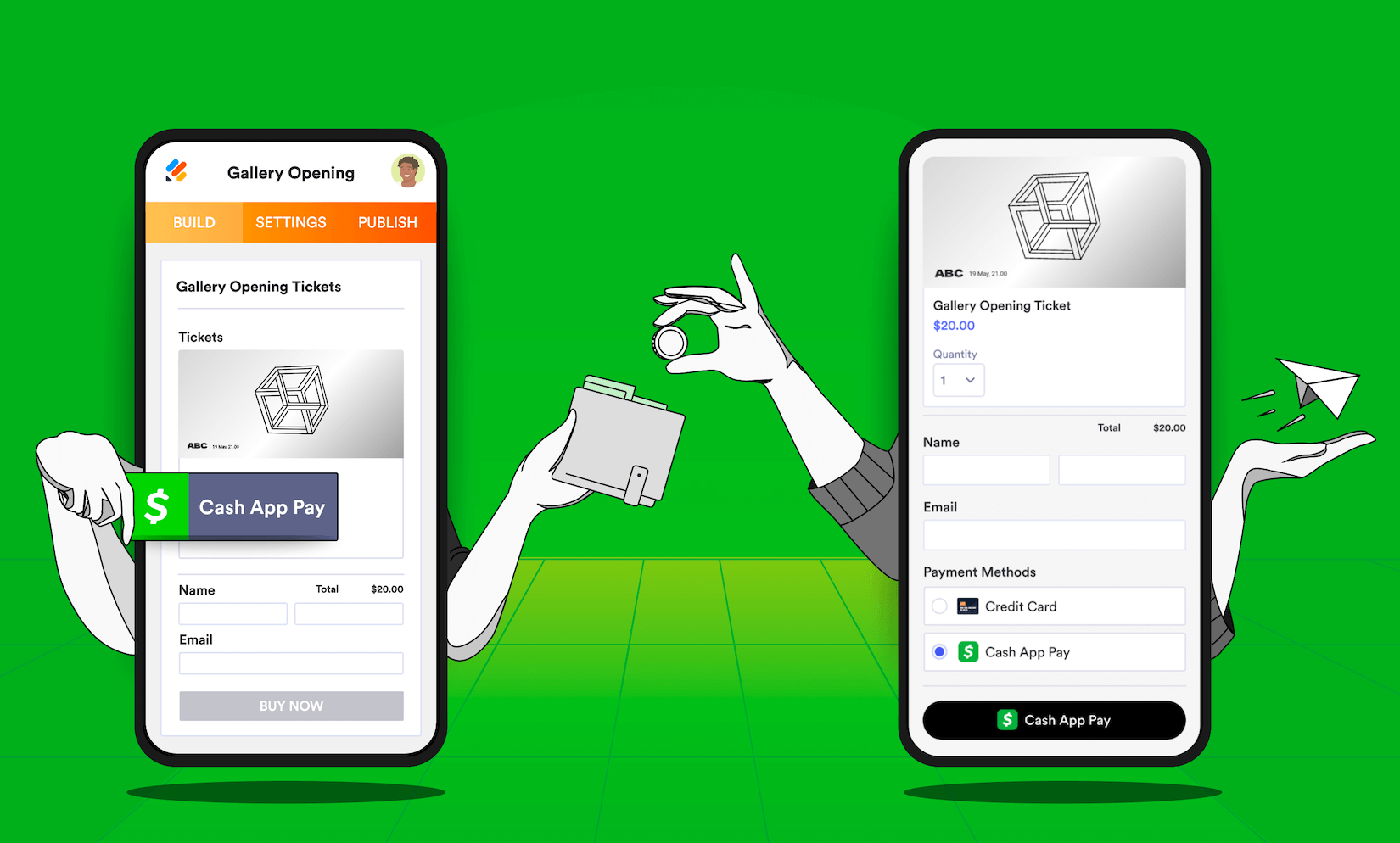
The convenience it offers to both the payer and the payee makes it a go-to option for transactions that require speed and minimal overhead. This ease of payment can directly contribute to the growth and sustainability of various online ventures and supplementary income streams.
Linking to External Bank Accounts for Financial Flexibility
While having money in your Cash App balance is convenient, integrating it with your primary bank account offers maximum financial flexibility. You can easily transfer funds from your Cash App balance to your linked bank account.
- Standard Transfers: These are typically free and take 1-3 business days to reach your bank account.
- Instant Deposits: For a small fee (usually 0.5% – 1.75%), you can transfer money to your linked debit card almost instantly, typically within minutes.
This ability to quickly move funds from your Cash App balance to your traditional banking account ensures that your digital income can be readily accessed for larger expenses, savings, or investments managed outside of Cash App. It bridges the gap between digital payment convenience and traditional financial management.
Safeguarding Your Funds: Security and Best Practices
While Cash App offers unparalleled convenience, protecting your funds requires vigilance and adherence to security best practices, particularly when dealing with incoming payments.
Understanding Cash App’s Security Features
Cash App employs various security measures to protect users’ accounts and transactions:
- PIN/Touch ID/Face ID: You can enable these features to secure access to your app, preventing unauthorized use even if your phone is compromised.
- Encryption: All payment information and data transmitted through Cash App are encrypted, protecting sensitive financial details.
- Activity Monitoring: Cash App monitors accounts for suspicious activity and may temporarily disable accounts or flag transactions if unusual patterns are detected.
- Email/SMS Notifications: You receive alerts for all transactions, allowing you to quickly identify any unauthorized activity.
These features, when utilized properly, form a strong defense against potential threats.
Protecting Against Scams and Fraudulent Activity
Unfortunately, the popularity of digital payment apps also attracts scammers. Users must be proactive in protecting themselves, especially when receiving money. Common scams include:
- “Claim Your Prize” Scams: Where scammers send a small amount of money and ask you to send a larger amount back to “unlock” a non-existent prize.
- Fake Customer Support: Scammers impersonating Cash App support to gain access to your account details.
- Overpayment Scams: Where a sender “accidentally” sends too much money and asks you to refund the difference, only for the original payment to be reversed later, leaving you out of pocket.
- Buying/Selling Scams: For instance, receiving fake payments for goods or services, where the payment later bounces or is disputed.
Best Practices:
- Verify Sender Identity: Only accept money from or send money to people you know and trust. If you receive an unexpected payment from an unknown sender, be extremely cautious.
- Never Send Money Back: If someone sends you money unexpectedly and asks you to send a portion back, it’s almost certainly a scam. Decline the original payment or contact Cash App support.
- Official Support Only: Only interact with Cash App’s official customer support channels, accessible directly through the app or their official website.
- Strong Passwords & PINs: Use unique, strong passwords and enable all available security features like PIN, Touch ID, or Face ID.
What to Do If a Transaction Goes Wrong
Despite precautions, issues can sometimes arise. If you encounter an unrecognized transaction, suspect fraud, or have a payment issue:
- Review Your Activity: Check your Cash App activity feed to confirm the details of the transaction.
- Contact Cash App Support: This is your primary recourse. You can reach support directly through the app (Profile Icon > Support > Start a Chat) or via their official website. Provide all relevant details, including transaction IDs and timestamps.
- Dispute Unrecognized Charges: For payments sent from your account that you didn’t authorize, report them immediately. For payments received that seem suspicious, avoid interacting with the funds and contact support.
Timely action is crucial in resolving financial discrepancies and protecting your account.
Optimizing Your Cash App Experience for Financial Wellness
To truly leverage Cash App as a financial tool, it’s beneficial to understand its capabilities fully and integrate it thoughtfully into your broader financial strategy.
Managing Transaction Limits and Verification
Cash App has different transaction limits for unverified and verified accounts. Unverified accounts typically have lower limits on how much they can send and receive.
- Unverified Accounts: Might have a limit of $250 sent per week and $1,000 received per month.
- Verified Accounts: After providing your full name, date of birth, and the last four digits of your SSN, limits are significantly increased, allowing for much larger sums to be sent and received. This verification is essential for anyone using Cash App for regular or substantial financial transactions, such as receiving income.
By completing the verification process, you unlock the app’s full potential, ensuring that your ability to accept money isn’t hindered by restrictive limits.
Utilizing Additional Cash App Financial Features (Briefly)
While the focus here is on accepting money, it’s worth noting Cash App’s expanded functionalities, which contribute to a holistic financial picture:
- Cash Card: A customizable Visa debit card linked to your Cash App balance, allowing you to spend the money you receive anywhere Visa is accepted. This offers immediate utility for your received funds.
- Bitcoin & Stock Investing: Cash App allows users to buy, sell, and send Bitcoin and invest in fractional shares of stocks. For those looking to diversify their financial activities, these features provide an accessible entry point into the world of investing, allowing you to potentially grow the money you receive.
These features, though secondary to receiving funds, illustrate Cash App’s evolution from a simple P2P app to a more comprehensive financial platform.
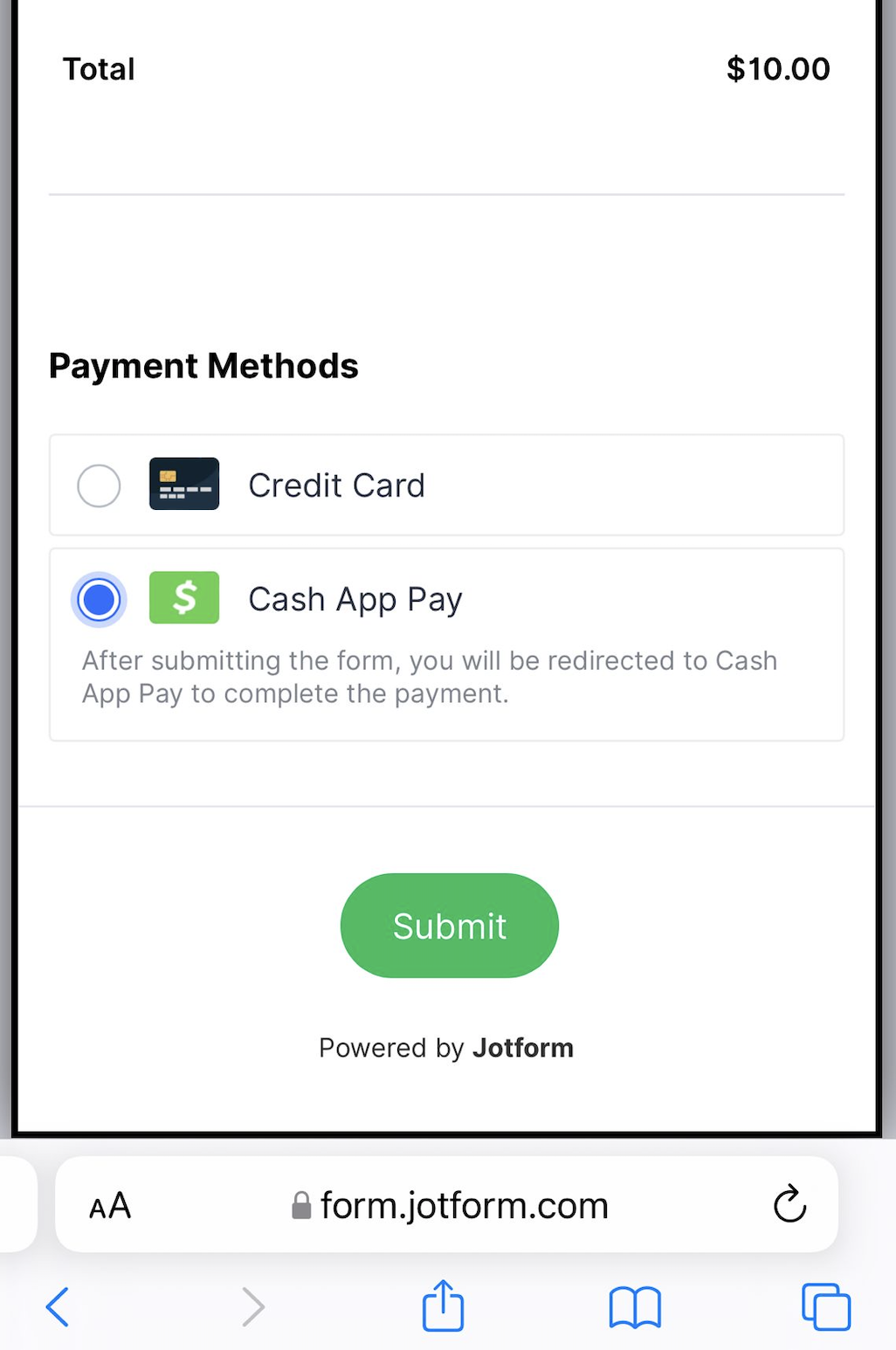
Best Practices for Continuous Financial Health with Cash App
Maintaining financial health with Cash App involves consistent good habits:
- Regularly Review Transaction History: Keep an eye on all incoming and outgoing transactions to spot any irregularities quickly.
- Keep App and Device Security Updated: Ensure your Cash App is always running the latest version, and your smartphone’s operating system is up-to-date, benefiting from the newest security patches.
- Integrate Cash App into a Broader Personal Finance Strategy: Don’t treat Cash App as an isolated tool. Instead, view it as a seamless part of your overall financial ecosystem, working in conjunction with your traditional bank accounts, budgeting apps, and savings goals. This ensures that the convenience of digital payments contributes positively to your long-term financial well-being.
By understanding how to effectively accept money through Cash App and integrating these practices, users can unlock a powerful and convenient method for managing their personal finances in the digital age. It’s a tool that, when used wisely, can significantly streamline financial transactions and contribute to overall financial flexibility.
aViewFromTheCave is a participant in the Amazon Services LLC Associates Program, an affiliate advertising program designed to provide a means for sites to earn advertising fees by advertising and linking to Amazon.com. Amazon, the Amazon logo, AmazonSupply, and the AmazonSupply logo are trademarks of Amazon.com, Inc. or its affiliates. As an Amazon Associate we earn affiliate commissions from qualifying purchases.