
The Meta Quest 3 has arrived, promising a significant leap forward in virtual and mixed reality gaming. Building upon the success of its predecessors, this latest iteration from Meta is designed to offer a more powerful, versatile, and visually stunning platform for immersive entertainment. But with a vast and ever-expanding library, the question for many prospective and current owners remains: what games truly shine on the Quest 3, and what experiences can you expect? This exploration delves into the diverse world of Quest 3 gaming, focusing on the technological advancements that make these games possible and the new frontiers they open up.
The Technological Foundation: Powering Immersive Worlds
The Quest 3’s capabilities are underpinned by a suite of hardware and software innovations that directly translate into a richer, more engaging gaming experience. Understanding these technological underpinnings is key to appreciating the breadth and depth of its gaming library.
Enhanced Processing Power and Graphics
At the heart of the Quest 3 is a more powerful chipset, significantly boosting its processing capabilities compared to previous generations. This translates into several key graphical and performance improvements:
- Higher Fidelity Visuals: Developers can now render more complex environments, detailed character models, and richer textures. This means games look sharper, more lifelike, and more believable. Expect reduced aliasing, improved lighting effects, and a generally more polished visual presentation.
- Smoother Frame Rates: Increased processing power allows for higher and more consistent frame rates. This is crucial for VR, as it directly impacts comfort and immersion. Dropped frames can lead to motion sickness, so the Quest 3’s ability to maintain fluid motion is a significant upgrade for player well-being.
- Faster Load Times: More efficient processing and potentially faster storage solutions contribute to quicker game loading. This means less time waiting and more time playing, enhancing the overall user experience.
- Advanced Rendering Techniques: The Quest 3 is better equipped to handle techniques like foveated rendering (rendering where the eye is looking at higher detail and the periphery at lower detail, conserving processing power) and more sophisticated shader effects, pushing the boundaries of what’s visually achievable in standalone VR.
The Revolution of Mixed Reality
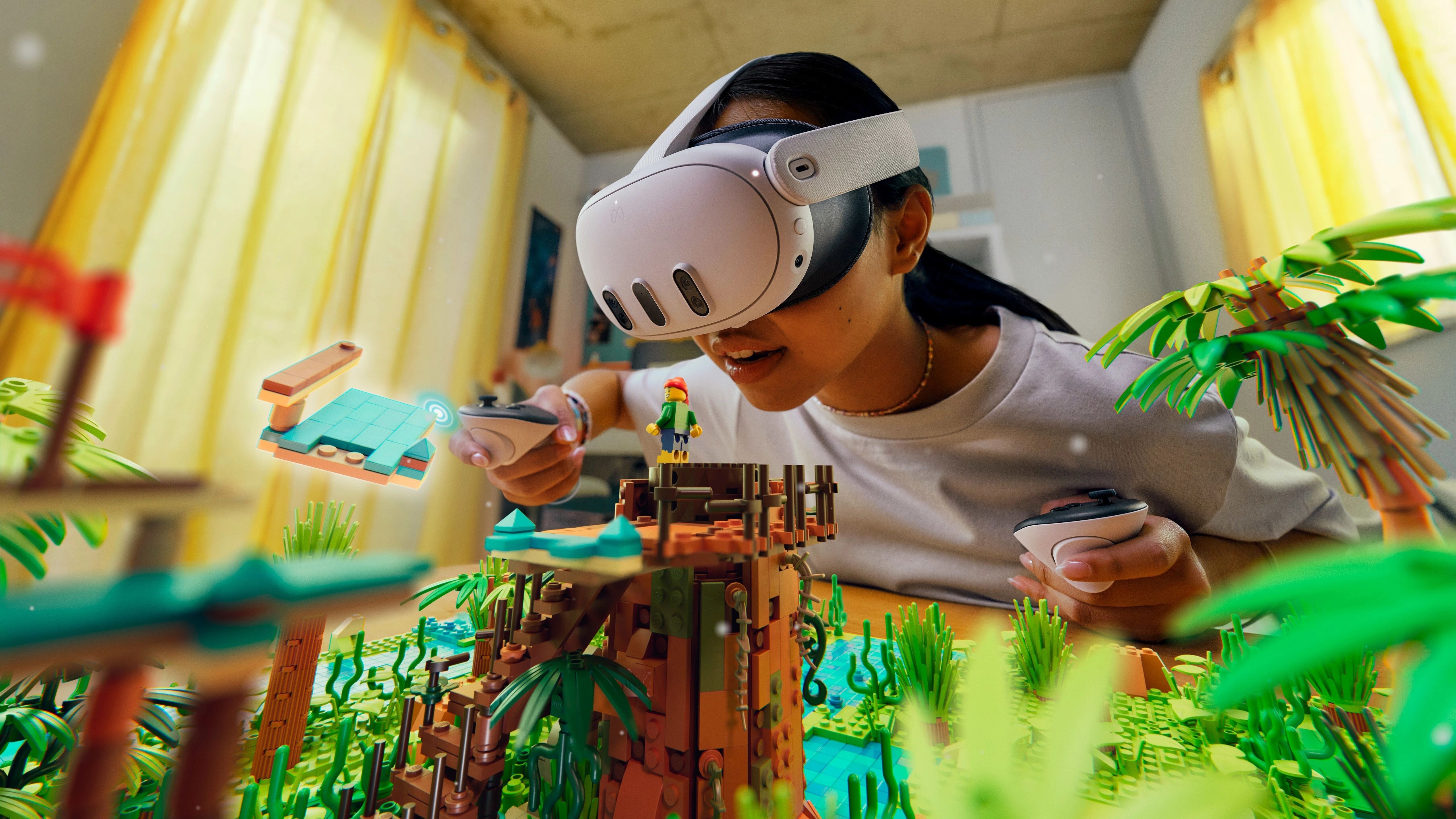
Perhaps the most significant technological leap for the Quest 3 is its vastly improved mixed reality (MR) capabilities. Unlike past devices that offered rudimentary passthrough, the Quest 3 boasts high-resolution, full-color cameras that blend the virtual and physical worlds seamlessly.
- Passthrough for Enhanced Gameplay: The color passthrough cameras allow developers to integrate virtual objects and characters into your real-world environment. This opens up entirely new genres of games and innovative gameplay mechanics that were previously impossible. Imagine a virtual dragon appearing in your living room or digital puzzles scattered across your actual desk.
- Environmental Awareness: The Quest 3’s sensors are more adept at understanding your physical space. This means games can interact more intelligently with your surroundings, respecting boundaries, and even utilizing furniture or room layouts as part of the gameplay.
- Bridging the Gap Between Worlds: MR gaming isn’t just about novelty; it offers practical advantages too. Players can remain more aware of their physical surroundings, reducing the risk of accidents, and can even interact with their physical environment while remaining immersed in a virtual experience. This blend makes VR more accessible and less isolating.
Improved Optics and Display Technology
The visual fidelity of VR is heavily dependent on the display and optics. The Quest 3 incorporates advancements in both areas to deliver a clearer and more comfortable viewing experience.
- Higher Resolution Displays: The Quest 3 features higher-resolution displays, reducing the “screen door effect” (where you can see the individual pixels) and providing a sharper image. This makes text more readable, details more discernible, and the overall visual experience more pleasing.
- Pancake Lenses: The adoption of pancake lenses allows for a slimmer and lighter headset profile while maintaining a wide field of view and improved edge-to-edge clarity. This enhances comfort for longer play sessions and contributes to a more natural viewing experience, reducing eye strain.
- Wider Field of View (FOV): While specific FOV numbers can vary, advancements in lens technology generally lead to a wider field of view, pulling you deeper into the virtual environment and enhancing peripheral awareness, which is critical for immersion in games.
The Gaming Landscape: Diverse Genres and Essential Titles
The technological advancements in the Quest 3 are not just theoretical; they manifest in a rich and diverse gaming library that caters to a wide range of player preferences. From pulse-pounding action to brain-bending puzzles, the Quest 3 offers something for everyone.
Immersive Action and Adventure
This is where VR truly excels, and the Quest 3 delivers on the promise of visceral, engaging experiences that put you directly in the heart of the action.

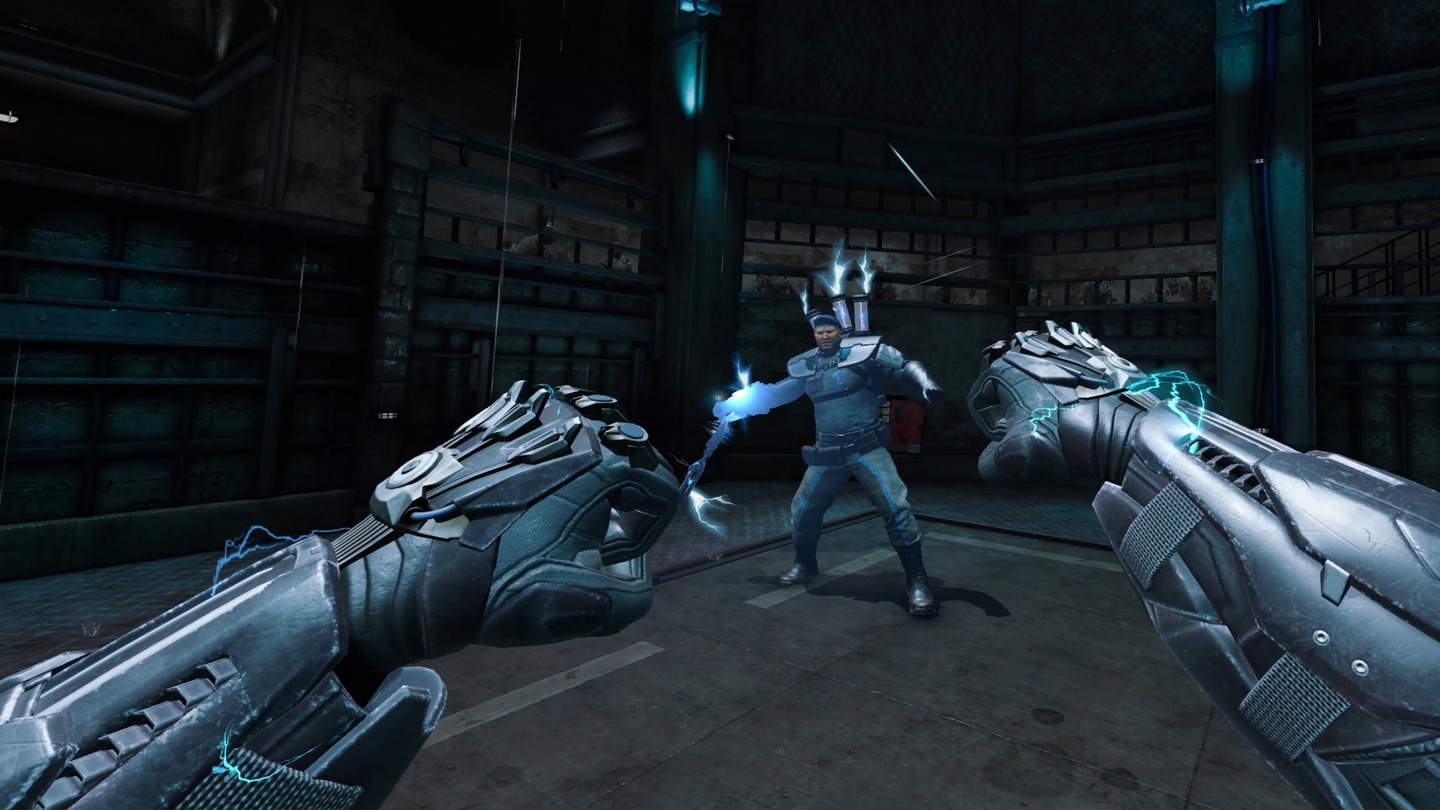
- First-Person Shooters (FPS): Titles like Superhot VR, Pistol Whip, and Resident Evil 4 VR leverage the Quest 3’s responsiveness and graphical prowess to deliver thrilling combat. The ability to physically duck, aim, and shoot provides an unparalleled level of immersion. New titles are also being developed that take full advantage of the increased processing power for more elaborate enemy AI and environmental destruction.
- Rhythm and Music Games: Games like Beat Saber remain a cornerstone of VR entertainment. The Quest 3’s precise tracking and enhanced visual clarity make slashing incoming blocks to the beat even more satisfying. New musical experiences that incorporate MR elements are also emerging, where virtual notes and effects appear in your real-world space.
- Action RPGs and Adventure: As the Quest 3’s power grows, so does the ambition of its adventure games. Expect more expansive worlds, more complex narratives, and more intricate combat systems. Games that were previously limited by hardware constraints can now reach their full potential, offering deeper exploration and more engaging storylines.
Engaging Simulation and Strategy
Beyond high-octane action, the Quest 3 is also a fantastic platform for experiences that require patience, planning, and strategic thinking.
- Flight and Racing Simulators: The immersive nature of VR is perfectly suited for simulation. The Quest 3’s visual clarity and wide FOV allow for incredibly realistic flight and driving experiences, where you feel truly in the cockpit or behind the wheel. Titles like Ultrawings 2 and Assumed offer deep and rewarding gameplay.
- Strategy and Management Games: Imagine building and managing a virtual city or commanding armies from a god’s-eye view. The Quest 3’s interface, combined with its processing power, enables more complex and detailed strategy games, where intricate menus and vast game worlds are rendered with stunning clarity.
- Creative and Sandbox Experiences: Games like Tilt Brush (now Open Brush) and Gravity Sketch have paved the way for creative expression in VR. The Quest 3’s improved MR capabilities open up new avenues for users to create and interact with virtual objects in their physical space, blurring the lines between art and reality.
The Rise of Mixed Reality Gaming
The Quest 3’s MR capabilities are not just a feature; they are a catalyst for entirely new gaming paradigms.
- Augmented Board Games and Puzzles: Imagine a virtual chessboard appearing on your coffee table, with pieces that animate and react to your moves. Or puzzles that are physically integrated into your room. MR allows for familiar game mechanics to be re-imagined in a deeply interactive way.
- Location-Based and Social MR Experiences: Games that utilize your physical environment for objectives or that allow multiple users to interact with shared virtual elements in a real space are becoming a reality. This fosters a new type of social gaming that blends digital fun with physical presence.
- Educational and Fitness Applications: While not strictly “games,” the MR technology is invaluable for interactive learning and gamified fitness. Imagine dissecting a virtual frog on your kitchen counter or participating in a virtual fitness class that overlays exercise targets onto your living room.
Unlocking New Possibilities: Developers and the Future of Quest 3 Gaming
The true potential of the Meta Quest 3 lies not only in its hardware but also in the innovative spirit of the developers who are harnessing its capabilities. The platform encourages experimentation and the creation of experiences that push the boundaries of what we consider gaming.
Developer Tools and Support
Meta provides developers with robust tools and SDKs (Software Development Kits) to create compelling Quest 3 experiences. These tools are constantly evolving to leverage the latest hardware features, ensuring that developers have the resources they need to innovate.
- Optimized for MR: The SDKs now include advanced features for spatial anchoring, object recognition, and seamless blending of virtual and real elements. This allows developers to easily integrate MR into their game design.
- Performance Optimization: Tools that aid in optimizing game performance for the Quest 3’s chipset are crucial. This helps developers achieve the highest possible fidelity and frame rates, ensuring a smooth and enjoyable experience for players.
- Cross-Platform Development: While the Quest platform is unique, Meta also encourages cross-platform development, allowing developers to bring existing PC VR titles to the Quest and vice-versa, expanding the available library.
Emerging Trends and Innovations
As developers become more familiar with the Quest 3’s capabilities, we are seeing exciting new trends emerge in game design.
- AI Integration: The increased processing power allows for more sophisticated AI in games, leading to more dynamic enemy behaviors, more responsive non-player characters (NPCs), and more emergent gameplay scenarios.
- Procedural Content Generation: The ability to generate vast and detailed game worlds procedurally can be enhanced by the Quest 3’s power, leading to games with near-infinite replayability and unique experiences for every player.
- Social and Collaborative MR: The future of Quest 3 gaming will likely see more games that emphasize social interaction, whether through cooperative gameplay in virtual spaces or shared MR experiences that bridge the gap between friends in different physical locations.
- Hand Tracking and Controller-Free Interaction: While controllers remain integral to many games, the Quest 3’s enhanced hand tracking opens up possibilities for more intuitive and gestural control schemes, further blurring the lines between player and avatar.
Conclusion: A New Era of Immersive Gaming
The Meta Quest 3 represents a significant milestone in the evolution of virtual and mixed reality gaming. Its enhanced processing power, revolutionary mixed reality capabilities, and improved visual fidelity combine to offer an unparalleled platform for immersive entertainment. From hyper-realistic action titles to innovative MR experiences that blend the digital and physical worlds, the Quest 3 is poised to redefine what gamers can expect from their play sessions. As developers continue to explore the vast potential of this cutting-edge hardware, the library of games available on the Meta Quest 3 will undoubtedly grow, offering ever more diverse, engaging, and breathtaking experiences for years to come. Whether you’re a seasoned VR enthusiast or a newcomer curious about the future of gaming, the Quest 3 beckons with a universe of possibilities waiting to be explored.
aViewFromTheCave is a participant in the Amazon Services LLC Associates Program, an affiliate advertising program designed to provide a means for sites to earn advertising fees by advertising and linking to Amazon.com. Amazon, the Amazon logo, AmazonSupply, and the AmazonSupply logo are trademarks of Amazon.com, Inc. or its affiliates. As an Amazon Associate we earn affiliate commissions from qualifying purchases.