
In the landscape of modern brand strategy, the “human element” is often cited as the most critical factor for success. We focus on storytelling, customer experience, and community building. However, the true test of a brand’s integrity and emotional intelligence occurs during moments of profound crisis—specifically, when a key member of the organization, a partner, or a public figure associated with the brand passes away.
Knowing “what to say” is no longer just a matter of personal etiquette; it is a vital component of reputation management and brand identity. In an era of instant communication and social media scrutiny, how a brand handles the departure of a person—whether through a formal press release or a private condolence note—defines its core values for years to come.
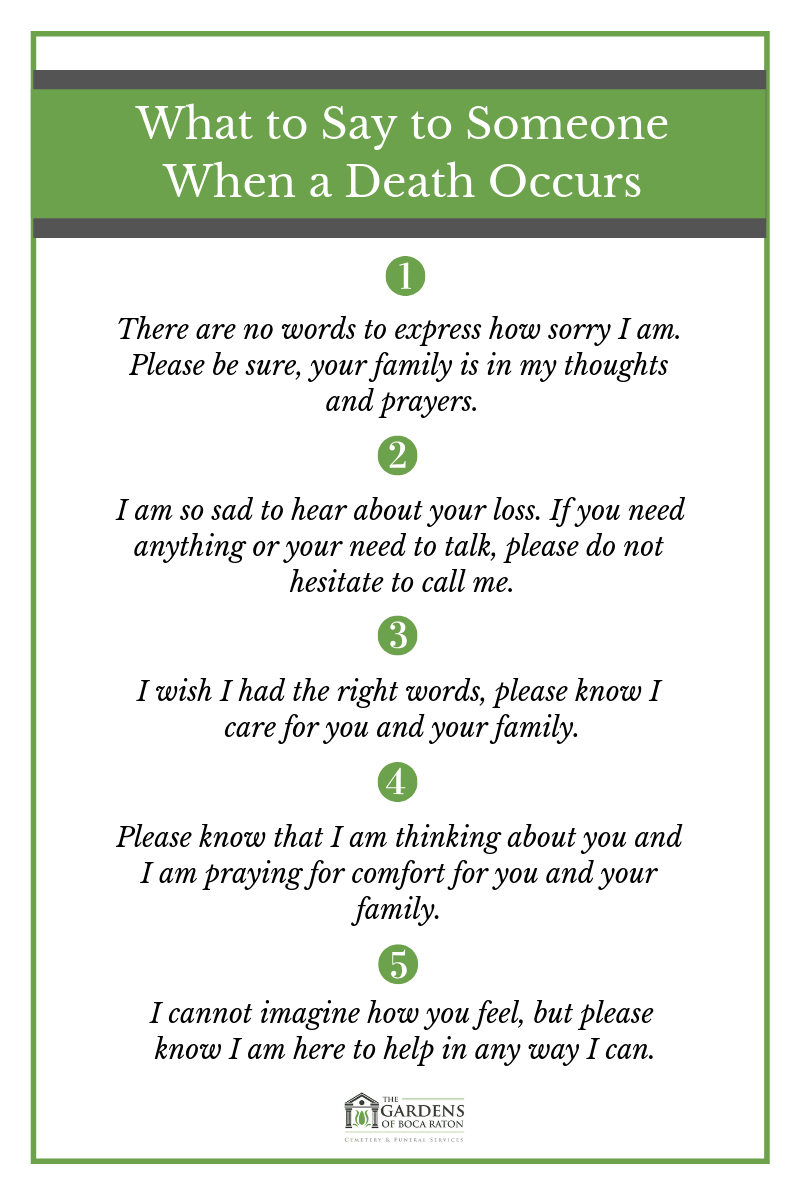
The Ethics of Empathy: Crafting the Corporate Response
When a death occurs within or around a corporate entity, the immediate instinct of the PR department is often to manage the news. While efficiency is necessary, the brand must lead with empathy. The “what to say” in this context must balance the weight of the loss with the professional standards of the organization.
Prioritizing Sincerity Over Sentimentality
In brand communication, there is a fine line between being moving and being performative. A common mistake brands make is using overly flowery language that doesn’t align with their established voice. If a brand’s voice is typically minimalist and direct, an effusive, five-page eulogy may feel insincere to the audience.
The most effective brand responses are those that focus on the specific impact the individual had on the company’s mission. Rather than using clichés like “our thoughts and prayers are with the family,” a brand should aim for specifics: “Jane Doe’s vision for sustainable design was the bedrock of this company, and her mentorship shaped a generation of our designers.” This honors the person as an individual while reinforcing the brand’s commitment to the values they represented.
Timing the Announcement: When to Speak and When to Wait
In the digital age, being “first” to break news is often seen as a metric of relevance. However, in the context of a death, being first can be a branding disaster. The golden rule of brand strategy in bereavement is to follow the family’s lead.
Wait for official confirmation and, if possible, permission from the family before making a public statement. A brand that rushes to post a “tribute” before the family has had time to process the news risks being seen as opportunistic. The strategic “what to say” involves knowing when to remain silent until the appropriate moment for a respectful tribute arises.
Internal Branding: Supporting Your Team Through Loss
A brand is not just what the customers see; it is the culture experienced by its employees. Internal branding—how a company communicates its values to its workforce—is never more critical than when a colleague passes away. The message sent to the team dictates the level of trust and loyalty the brand will command moving forward.
Communicating with Sensitivity to Direct Reports
When an employee passes away, the communication to their immediate team must be handled with extreme delicacy. This is not the time for a BCC’d mass email. The “what to say” should be delivered through a tiered approach: direct peers should be told in a small-group or one-on-one setting, followed by a broader departmental announcement.
The language used should prioritize the well-being of the survivors. Leadership must acknowledge the human loss before addressing the business continuity. A statement such as, “We are all deeply saddened by the loss of Mark. Our focus right now is supporting his family and ensuring each of you has the space to grieve,” reinforces a brand identity rooted in “People First.”
Developing Long-term Support Frameworks
A brand’s response shouldn’t end with a funeral. A robust brand strategy includes the “after-action” communication. This involves informing the team about available mental health resources, bereavement leave policies, and how the company plans to memorialize the individual.

By clearly communicating these support systems, a company strengthens its internal brand. It proves that the “values” listed on the office wall are lived experiences, especially during difficult times. This builds long-term brand equity among the workforce, reducing turnover and fostering a resilient corporate culture.
External Reputation Management: Handling the Loss of a Public Figure
When a brand’s founder, CEO, or high-profile ambassador passes away, the stakes are elevated. The “what to say” becomes a matter of market stability and public perception. Stakeholders, investors, and loyal customers look to the brand for a sense of continuity.
The Legacy Campaign: Honoring Without Exploiting
One of the most complex brand maneuvers is the “Legacy Campaign.” This occurs when a brand chooses to honor a deceased figure through special products, tributes, or foundations. If done poorly, it looks like a cash grab. If done well, it cements the figure’s place in history and the brand’s place in the culture.
The key to the messaging here is “contribution.” The narrative should focus on what the individual gave to the world, rather than what the brand is losing. Use archival footage, quotes that emphasize their philosophy, and testimonials from those they influenced. The goal is to move the conversation from “the end of an era” to “the continuation of a mission.”
Managing Social Media and Public Inquiries
Social media is a double-edged sword during times of mourning. While it allows for a collective outpouring of grief, it also invites speculation and inappropriate commentary. A brand’s social media strategy during a loss should be one of “controlled reverence.”
Immediately upon the news, it is often wise to pause all scheduled promotional content. A brand that tweets a discount code ten minutes after announcing the death of its founder will suffer irreparable reputational damage. The “what to say” on social media should be a singular, pinned post that serves as a digital memorial, directing followers to a longer tribute on the company website or a designated charity for donations.
The Personal Brand Perspective: How Leaders Express Sympathy
For executives and thought leaders, “what to say” when a peer or competitor passes away is a reflection of their personal brand. In the professional world, condolences are a form of high-stakes networking where the currency is respect and dignity.
The Art of the Condolence Note in a Digital Age
While a LinkedIn post is common, a handwritten note remains the gold standard for personal brand communication. It demonstrates a level of effort and care that digital text cannot replicate.
When writing such a note, the structure should be simple:
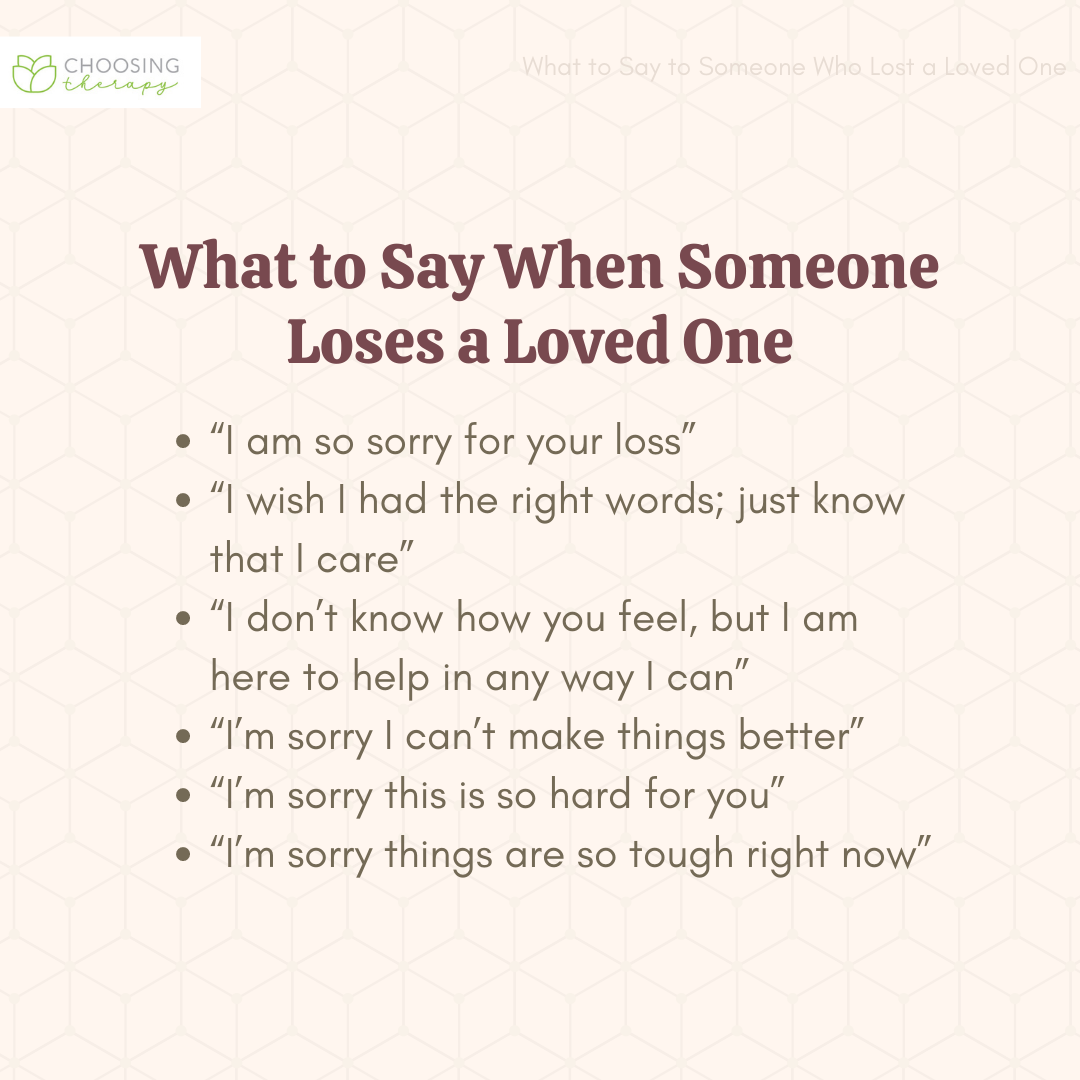
- Acknowledge the loss: “I was deeply saddened to hear about the passing of [Name].”
- Mention a specific trait or moment: “I always admired how [Name] navigated complex negotiations with such grace.”
- Offer a gesture of support: “Please know that our team is here to help in any way during this transition.”
This approach avoids the “professional coldness” often found in business communications and instead builds a personal brand characterized by warmth and emotional intelligence.
Balancing Professionalism with Human Vulnerability
Leaders often feel they must remain stoic to project “strength” for the brand. However, modern leadership branding suggests that vulnerability is a strength. When a leader says, “I am struggling to find the words because [Name] was not just a colleague, but a dear friend,” it humanizes the entire organization.
This transparency creates a bridge between the brand and its audience. It shows that the brand is comprised of real people with real feelings, which is the ultimate goal of any brand strategy. By knowing what to say—and being brave enough to say it with feeling—a brand can navigate the darkest of times while emerging with its integrity and reputation not just intact, but strengthened.
In conclusion, knowing what to say when someone passes away is a critical skill in the intersection of communication and brand strategy. Whether it is an internal memo, a public statement, or a personal note, the words chosen must be filtered through the brand’s core values. By prioritizing empathy, timing, and sincerity, a brand can honor the dead while providing a steadying hand for the living, ultimately reinforcing the human connection that lies at the heart of every great brand.
aViewFromTheCave is a participant in the Amazon Services LLC Associates Program, an affiliate advertising program designed to provide a means for sites to earn advertising fees by advertising and linking to Amazon.com. Amazon, the Amazon logo, AmazonSupply, and the AmazonSupply logo are trademarks of Amazon.com, Inc. or its affiliates. As an Amazon Associate we earn affiliate commissions from qualifying purchases.