
In the landscape of global marketing, few products have managed to achieve the level of “brand-product synergy” seen in regional delicacies. When we ask, “What is Weisswurst?” we are not merely discussing a traditional Bavarian sausage made from minced veal and pork back bacon. From a brand strategy perspective, Weisswurst represents one of the world’s most successful examples of heritage marketing, geographical branding, and the creation of a “protected identity.”
For brand managers and corporate strategists, Weisswurst offers a masterclass in how a commodity can be transformed into a cultural icon through strict quality standards, ritualistic consumption patterns, and the strategic use of regional exclusivity.

The Weisswurst Identity: Anatomy of a Regional Brand
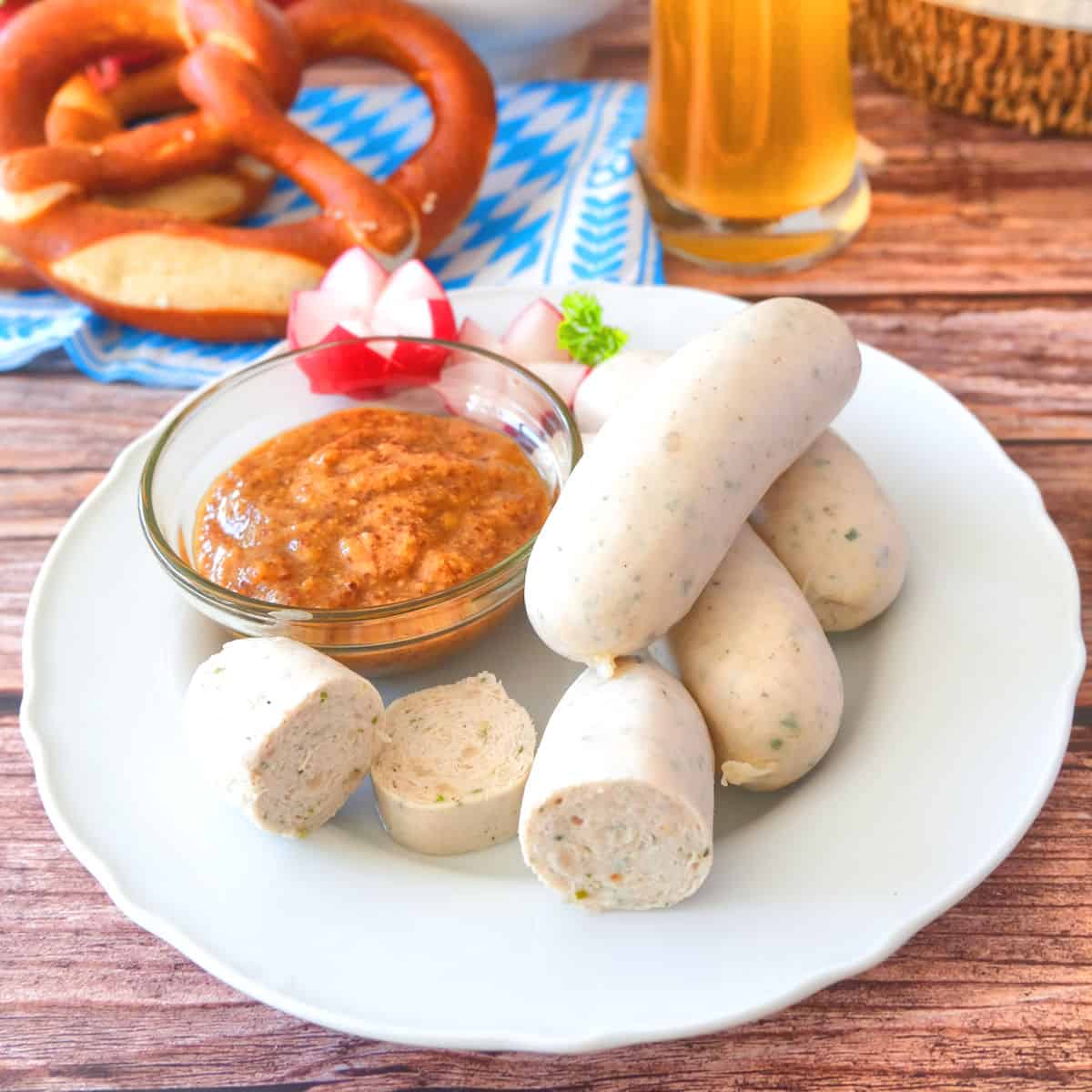
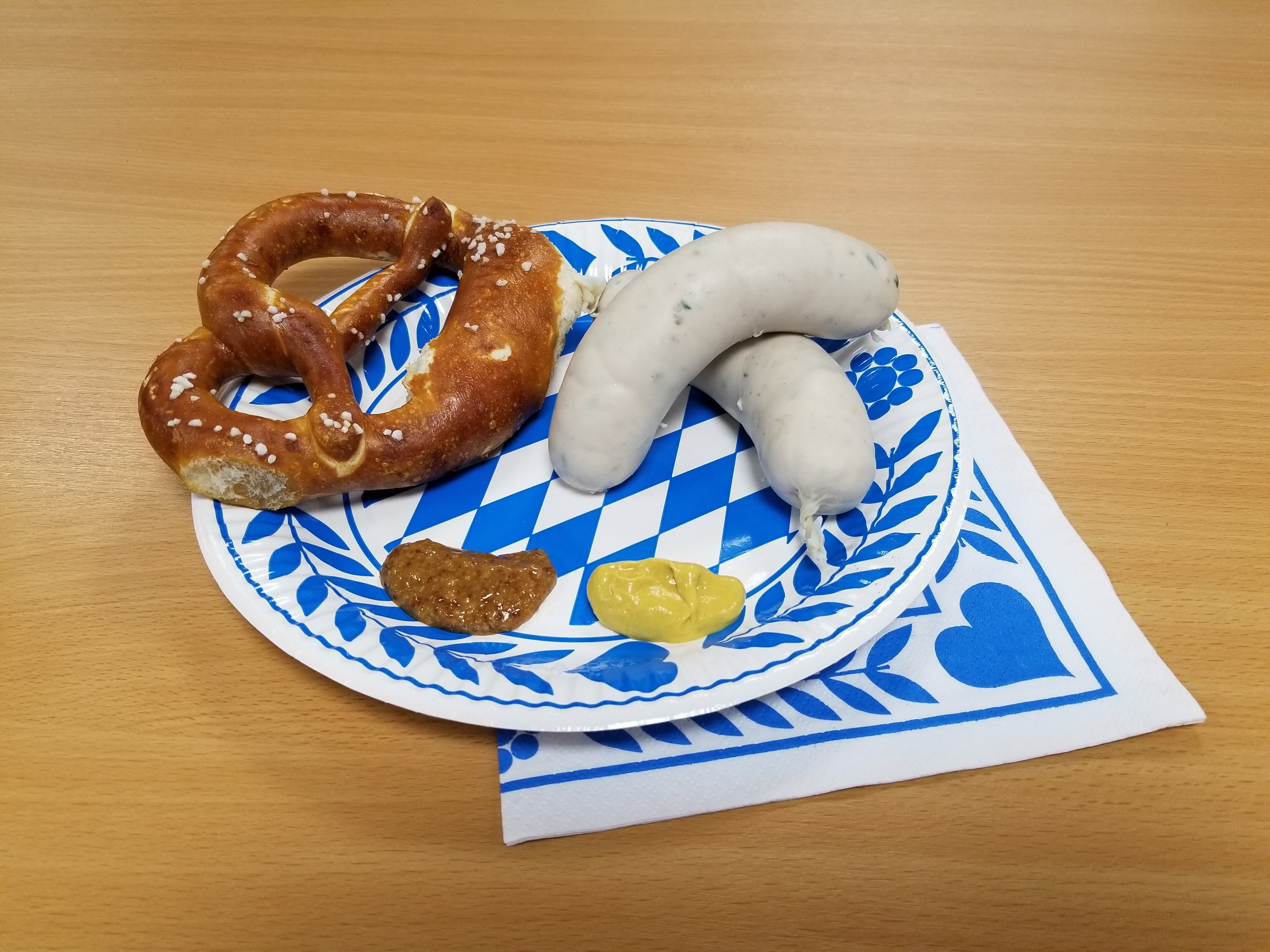
At its core, branding is about differentiation. In a saturated meat processing market, Weisswurst stands out through its visual and sensory “Brand DNA.” Its distinctive white color—achieved because the meat is not treated with nitrite curing salt—serves as an immediate visual differentiator on any retail shelf or restaurant plate.
Quality Standards as Brand Protection
The identity of Weisswurst is rooted in its composition. For a product to maintain its brand equity, consistency is key. Traditional Weisswurst utilizes high-quality veal, pork fat, parsley, lemon, mace, and onions. In the world of branding, these ingredients are the “Technical Specifications” of the product. By adhering to a rigorous production standard, Bavarian butchers have ensured that the “Weisswurst” brand is synonymous with quality. This internal regulation prevents the “brand dilution” that occurs when inferior ingredients are used under a premium name.
The Visual Language of “White”
In marketing, color psychology plays a pivotal role. The “white” in Weisswurst signifies purity, freshness, and a departure from the “red” cured meats that dominate the global market. This visual identity creates a unique category of one. When a consumer sees a Weisswurst, they do not think of it as just another sausage; they recognize it as a specific brand experience linked to freshness—a crucial psychological trigger for premium food products.
The Weisswurst Equator: Geographical Branding and Market Moats
One of the most fascinating aspects of Weisswurst from a brand strategy viewpoint is the “Weisswurstäquator” or Weisswurst Equator. This is a metaphorical boundary separating Bavaria from the rest of Germany. In business terms, this represents a “Geographical Moat”—a strategy where a brand dominates a specific territory so thoroughly that it becomes synonymous with the region’s identity.
Defining Target Demographics Through Tradition
The Weisswurst Equator serves as a powerful tool for tribal marketing. By positioning the product as something that is “authentically Bavarian,” the brand creates an “in-group” vs. “out-group” dynamic. For the local demographic, consuming Weisswurst is an act of cultural reinforcement. For the tourist or the outsider, it is an “experiential acquisition.” This positioning allows the brand to command a premium price point because it is sold as an authentic experience rather than just a caloric intake.
Rituals as Customer Experience (CX)
Modern brand strategy focuses heavily on the “Customer Journey.” Weisswurst excels here through its mandatory consumption rituals. Traditionally, Weisswurst must be eaten before the noon bells ring. Furthermore, there is a specific “user interface” for the product: “Zuzeln” (sucking the meat out of the casing) or the “longitudinal cut.”
By mandating how and when the product is consumed, the “Weisswurst Brand” controls the entire customer experience. These rituals act as a barrier to entry for competitors; a generic sausage cannot replicate the cultural weight of the Weisswurst breakfast ritual (Weisswurstfrühstück). This is the pinnacle of brand engagement—where the consumer becomes a practitioner of the brand’s philosophy.
Global Brand Scaling vs. Local Authenticity
As brands grow, they often face the “Authenticity Paradox”: how to scale globally without losing the local soul that made the brand valuable in the first place. Weisswurst has navigated this through legal protections and strategic scarcity.
The PGI Status: Legal Brand Protection
From a corporate identity perspective, Weisswurst is protected by more than just tradition. Efforts have been made to secure “Protected Geographical Indication” (PGI) status within the European Union. This is the ultimate legal brand protection, similar to how Champagne must come from the Champagne region of France.
By pursuing legal protection, the producers of Weisswurst are protecting their intellectual property. They are ensuring that the “Münchner Weißwurst” brand cannot be co-opted by mass-market manufacturers in other regions who might compromise the product’s integrity for the sake of volume. For brand strategists, this highlights the importance of protecting the “Origin Story” of a brand as a core asset.
Challenges in International Market Adaptation
When scaling a brand like Weisswurst internationally, the strategy often shifts from “Mass Consumption” to “Niche Luxury.” In international markets, Weisswurst is marketed as an artisanal, specialty product. The challenge lies in the supply chain; because the brand identity is tied to “freshness” (the no-preservative rule), global scaling requires sophisticated cold-chain logistics. This inherent limitation actually boosts the brand’s prestige, as the difficulty of acquisition increases its perceived value.
Marketing the Experience: The Scarcity Strategy
In the digital age, “Fear Of Missing Out” (FOMO) is a powerful marketing tool. Weisswurst has utilized a version of this for centuries through its “Before Noon” rule. Traditionally, because the sausages contained no preservatives, they had to be made fresh in the morning and consumed before lunch.
Strategic Timing and Exclusivity
While modern refrigeration makes the “noon rule” technically obsolete, the brand has maintained it as a strategic choice. This is “Artificial Scarcity.” By limiting the window of availability, the brand creates a high-intent consumer base. If you want the authentic experience, you must show up at a specific time.
This is identical to modern “drop culture” used by brands like Supreme or Nike. It creates a community event around the product. The Weisswurst breakfast is not just a meal; it is a timed event that encourages social gathering, thereby increasing the brand’s “Social Currency.”
Leveraging Heritage in Digital Campaigns
Today, Bavarian tourism boards and local butchers use social media to lean into the “Old World” aesthetic of Weisswurst. In an era of high-tech and high-speed living, there is a massive market for “Slow Living” brands. Weisswurst is positioned as the antithesis of fast food.
Digital marketing for the brand focuses on the craftsmanship (Handwerk), the copper kettles, and the rustic beer halls. This narrative-driven marketing appeals to the modern consumer’s desire for transparency and “Brand Sincerity.” By telling the story of the butcher who wakes up at 4:00 AM to prepare the veal, the brand builds an emotional connection with the audience that a generic food brand could never achieve.
Conclusion: Lessons for the Modern Brand Strategist
When we deconstruct “What is Weisswurst?”, we find more than a culinary item. We find a robust brand architecture built on three pillars:
- Differentiated Product Identity: A unique visual and sensory profile that stands out in its category.
- Ritualistic Engagement: A controlled customer experience that turns consumption into a cultural event.
- Protected Heritage: A commitment to quality and origin that prevents brand dilution and builds long-term equity.
For those in brand strategy, Weisswurst serves as a reminder that the most enduring brands are those that are woven into the fabric of a lifestyle. Whether you are building a software company or a fashion line, the goal is the same: to create a product that is so distinct in its “ritual” and “origin” that it becomes an inseparable part of the consumer’s identity.
In the end, Weisswurst isn’t just a sausage—it is a masterfully managed brand that has survived industrialization, globalization, and changing consumer tastes by remaining fiercely loyal to its own core values. That is the ultimate goal of any brand strategy.
aViewFromTheCave is a participant in the Amazon Services LLC Associates Program, an affiliate advertising program designed to provide a means for sites to earn advertising fees by advertising and linking to Amazon.com. Amazon, the Amazon logo, AmazonSupply, and the AmazonSupply logo are trademarks of Amazon.com, Inc. or its affiliates. As an Amazon Associate we earn affiliate commissions from qualifying purchases.