
Embarking on a study abroad adventure is an investment in your future, demanding meticulous planning that extends beyond academic pursuits. While the allure of new experiences often overshadows practical considerations, a financially savvy packing strategy is paramount to maximizing your budget, ensuring security, and preventing unforeseen expenses. This guide dissects “what to pack for study abroad” through a purely financial lens, offering insights into how strategic decisions before and during your trip can lead to significant savings and peace of mind.
Optimizing Pre-Departure Finances for Your Packing List
The initial phase of packing is a critical opportunity for financial optimization. Every item considered for your luggage carries a potential cost, either in its purchase price, its impact on baggage fees, or the missed opportunity to save by sourcing it differently. A proactive financial approach to packing can alleviate significant monetary stress down the line.
Calculating Initial Outlays for Essentials
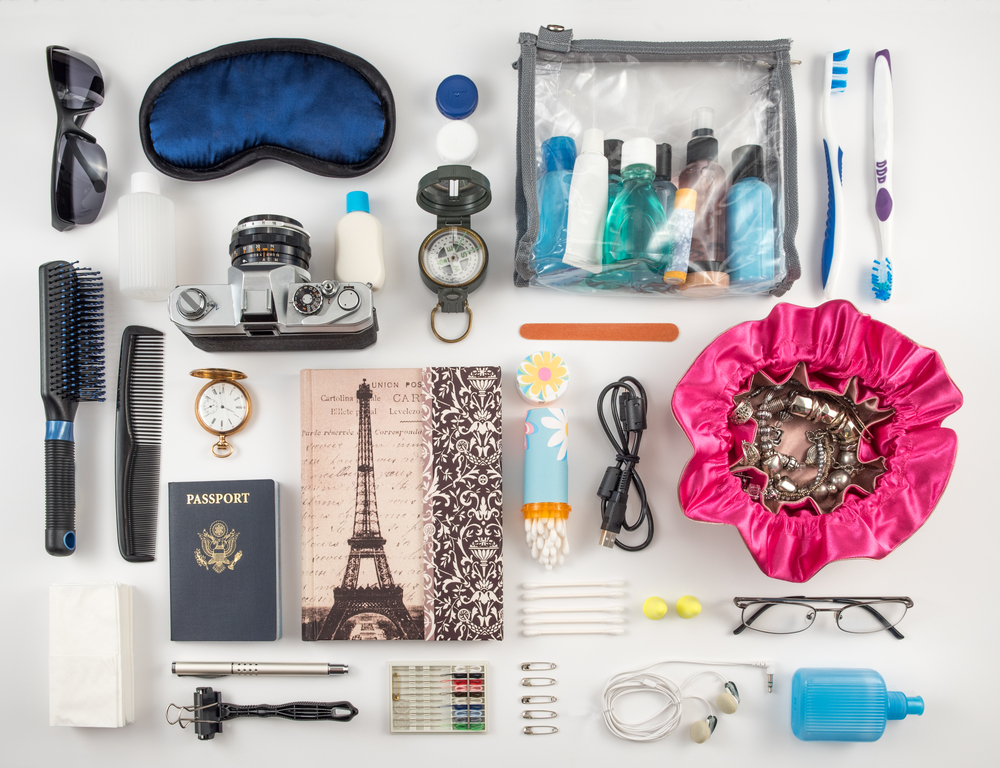
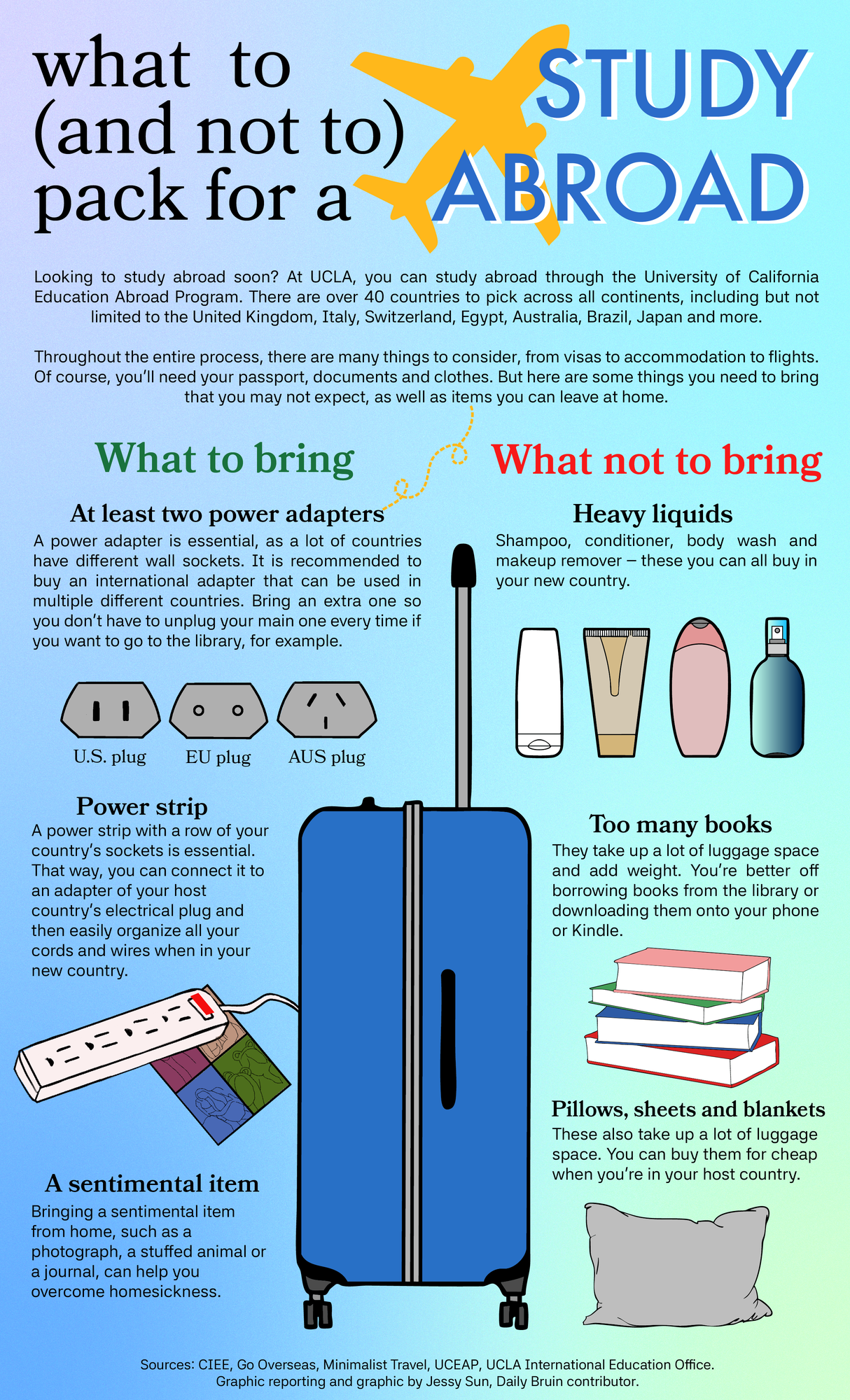
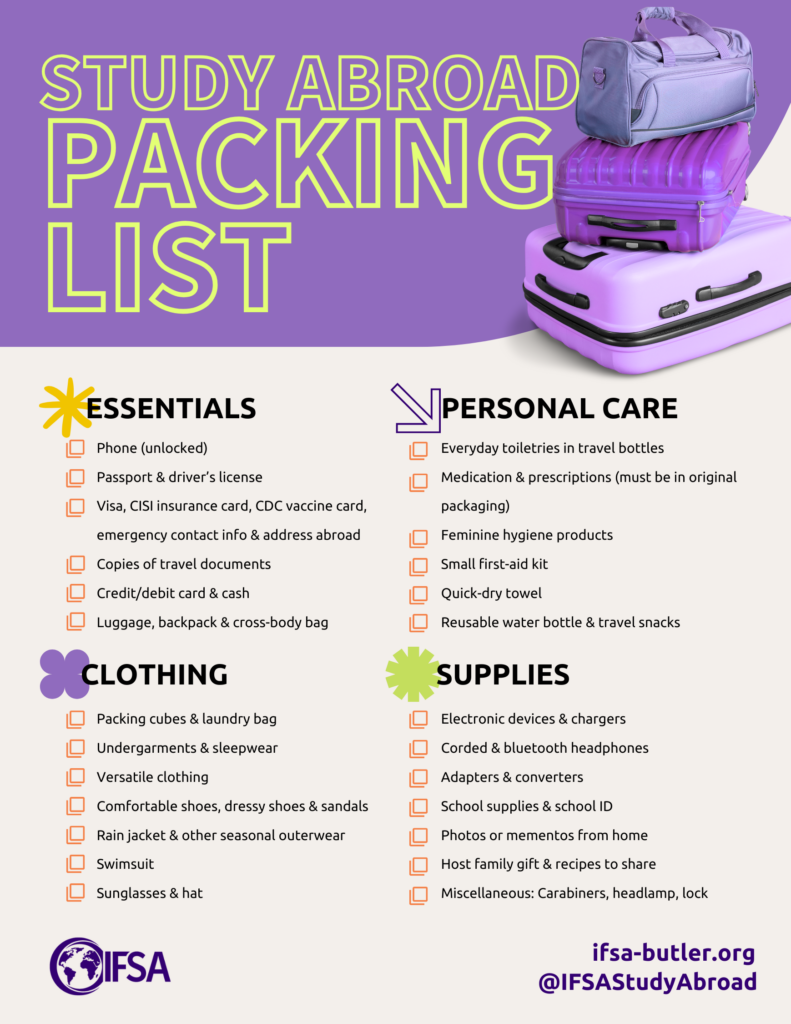
Before a single item enters your suitcase, budget for the necessary, often durable, goods that will accompany you. This includes academic hardware such as a reliable laptop, essential software licenses, and any specialized equipment required for your field of study. Researching the cost of these items in both your home country and your destination can reveal substantial savings. For instance, high-quality electronics or specialized medical supplies might be significantly cheaper or have better warranty support if purchased domestically. Conversely, everyday items like basic toiletries or certain types of clothing might be more cost-effective to buy upon arrival, circumventing excess baggage fees and potential customs duties. Factor in the long-term utility and durability of items; investing in quality luggage or a robust travel adapter, for example, can prevent costly replacements later. Your budget should explicitly allocate funds for these pre-departure purchases, ensuring they don’t unexpectedly deplete your travel savings.
The Cost-Benefit of Luggage Choices
Your choice of luggage is more than just a style preference; it’s a direct financial decision. The type, size, and weight of your bags have a profound impact on travel costs. Investigate airline baggage policies meticulously, noting carry-on restrictions, checked bag allowances, and, crucially, excess weight or oversized item fees. These charges can quickly accumulate, transforming a seemingly cheap flight into an expensive ordeal. Opt for lightweight, durable luggage that maximizes packing space without exceeding weight limits. Hard-shell suitcases offer better protection for fragile electronics and valuables, potentially reducing the need for additional insurance coverage for specific items. Backpacks designed for travel, with multiple compartments and anti-theft features, can be a cost-effective alternative for minimizing checked baggage, especially if you plan to travel extensively during your study abroad period. Weigh the upfront cost of premium, airline-compliant luggage against the potential for recurring baggage fees, recognizing that a shrewd initial investment can yield long-term financial dividends.
Pre-Travel Purchases vs. Local Buys
A meticulous cost analysis is essential when deciding what to buy before you leave versus what to procure in your host country. Certain items, particularly prescription medications (with appropriate documentation), specific brands of contact lenses, or unique dietary supplements, are often financially prudent to bring from home, where you’re familiar with pricing and availability. Conversely, bulky items like bed linens, bath towels, or basic kitchenware might be cheaper and more convenient to purchase locally, saving on shipping costs or excess baggage charges. Consider the exchange rate and local pricing dynamics; a quick online search can reveal significant price discrepancies. For technology, while a laptop might be cheaper at home, a local SIM card for your unlocked phone is almost always a financially superior option to international roaming plans. This strategic decision-making process is not just about convenience; it’s about making economically sound choices that stretch your study abroad budget further.
Financial Instruments and Documentation: Your Secure Travel Kit
Beyond physical possessions, your financial tools and critical documents constitute an invaluable part of your “packing list.” These elements require careful organization and robust security measures to safeguard your financial well-being while abroad.
Curating Your Wallet: Cards, Cash, and Cryptocurrencies
Your wallet—physical and digital—is a central hub for your financial access. Pack a diverse set of payment methods to mitigate risks and leverage the most favorable exchange rates. This typically includes a debit card from a bank with low or no international ATM fees, and one or two credit cards that offer no foreign transaction fees and robust fraud protection. Inform your banks of your travel dates to prevent security holds. Carrying a small amount of the local currency for immediate expenses upon arrival is wise, but avoid large sums of cash, which are susceptible to theft. For tech-savvy students, consider the secure management of any cryptocurrency holdings, ensuring you have access to your digital wallet with two-factor authentication, but avoiding unnecessary risks associated with public Wi-Fi or insecure devices. The goal is diversification for access and security, ensuring you are never entirely without funds.
Secure Document Management: Digital and Physical Backups
The loss of critical documents can lead to significant financial and logistical nightmares. Your passport, visa, flight tickets, health insurance cards, academic acceptance letters, and copies of bank statements are all financially sensitive items. Make several copies of each—both physical and digital. Store physical copies separately from the originals, perhaps with different traveling companions or in different pieces of luggage. Digital copies should be encrypted and stored in secure cloud services or on a password-protected USB drive. Consider emailing copies to a trusted family member. Having immediate access to these backups can expedite replacement processes and help you avoid financial penalties or delays if originals are lost or stolen. This meticulous approach to document management is an investment in your peace of mind and financial security.
Portable Financial Security Measures
Investing in physical security for your financial assets is a prudent step. An RFID-blocking wallet can protect your credit cards from electronic skimming. A money belt or a neck pouch kept under your clothing provides an discreet and secure place for emergency cash and copies of important documents. For hostel stays or shared accommodations, a small, portable safe or a secure, lockable backpack can protect your laptop, tablet, and other valuables when you’re out. These are not extravagant purchases but practical tools designed to minimize the risk of theft and financial loss, enabling you to focus on your studies and experiences rather than worrying about your belongings.
Safeguarding Your Investments: Insurance & Asset Protection
The financial value of your packed items and the potential costs associated with unforeseen events abroad necessitate comprehensive insurance and careful documentation. Thinking of your belongings as investments underscores the importance of protecting them.
Comprehensive Travel Insurance: Beyond Medical Emergencies
While medical emergencies are a primary concern, a robust travel insurance policy extends its financial protection to your packed possessions. Look for policies that explicitly cover lost luggage, stolen personal belongings (including electronics like laptops, cameras, and smartphones), and travel delays that might incur additional accommodation or rebooking costs. Scrutinize the coverage limits for individual items, especially high-value electronics, as standard policies often have caps. A policy that covers emergency repatriation for medical reasons also carries a significant financial benefit, as such services can cost tens of thousands of dollars. Comparing policies from various providers ensures you select one that offers the best financial protection tailored to the value of your packed items and your itinerary, preventing potential out-of-pocket expenses that could derail your budget.
Homeowner’s/Renter’s Policy Riders
Before purchasing a standalone travel insurance policy, review your existing homeowner’s or renter’s insurance policy. Many policies offer some level of coverage for personal belongings stolen or damaged while abroad. However, this coverage often comes with limitations regarding geographical scope, types of items, and deductible amounts. It may be worthwhile to explore adding a specific “rider” or endorsement to your existing policy, particularly for high-value items like a new laptop, expensive camera equipment, or unique jewelry. This can sometimes be a more cost-effective way to insure specific valuables than purchasing a separate travel policy for those items alone, provided the coverage limits and terms align with your needs. Always get clarity on deductibles and the claims process for international incidents.
Documenting Your Possessions for Claims
Should the unfortunate occur—theft or loss of belongings—meticulous documentation is your strongest financial ally in securing reimbursement. Before you depart, create a comprehensive inventory of all valuable items you plan to pack. This should include serial numbers for electronics, purchase receipts, and clear photographs of the items. Store this inventory in a secure digital location (e.g., encrypted cloud storage) and also provide a copy to a trusted family member at home. This detailed record significantly streamlines the insurance claim process, making it easier to prove ownership and the value of lost items. Without such documentation, insurers may offer minimal reimbursement or deny claims altogether, leading to substantial financial loss. This preemptive administrative task is a vital component of financially responsible packing.
Smart Spending & Saving: Financial Logistics On Arrival
Your financial strategy doesn’t end when you land. The choices you make regarding initial expenditures and ongoing financial management in your host country can significantly impact your overall budget and long-term financial solvency.
Initial Cash Flow Management
Upon arrival, having immediate access to funds for essential needs is crucial for financial stability. This includes transportation from the airport, a first meal, and perhaps a temporary local SIM card. While avoiding large sums of cash, ensure you have a small amount of local currency, or that your debit card is immediately functional at ATMs. Relying solely on credit cards for initial, small purchases might incur transaction fees that add up. Plan for these immediate expenditures in your budget, considering them a necessary initial outlay rather than a discretionary expense. This prevents stressful situations where you might be forced into expensive options due to a lack of readily available cash or accessible banking.
Local Banking and Connectivity Costs
One of the most impactful financial decisions you can make upon arrival is how you manage your money daily. Using an unlocked phone with a local SIM card is almost always more financially advantageous than relying on international roaming, which can incur exorbitant data and call charges. Research local mobile providers and their student-friendly plans. Furthermore, opening a local bank account, if feasible for your study duration and visa status, can significantly reduce foreign transaction fees often charged by your home bank for every purchase. This also simplifies receiving funds from family or a part-time job if allowed. Understand the requirements and processes for opening an account, and factor in any initial deposit or monthly fees. The effort to establish local financial infrastructure can lead to substantial savings over the course of your study abroad program.
The Hidden Costs of Convenience: Smart Spending
Once settled, navigating daily expenses with a financially astute mindset is key. Avoid the convenience trap of tourist-centric pricing for essentials. For instance, using public transportation is almost universally cheaper than taxis or ride-sharing services for regular commutes. Research local markets and grocery stores rather than relying on more expensive convenience stores or restaurant dining for every meal. Identify student discounts or local loyalty programs that can offer savings on entertainment, travel, or goods. Being aware of currency exchange rates and avoiding unnecessary ATM withdrawals that incur multiple fees (from both your bank and the local ATM provider) also contributes to significant savings. Every small, smart spending decision, from choosing a budget-friendly coffee shop to opting for a packed lunch, collectively contributes to a more sustainable and enjoyable financial experience abroad, making the most of the money you carefully packed and budgeted for.
aViewFromTheCave is a participant in the Amazon Services LLC Associates Program, an affiliate advertising program designed to provide a means for sites to earn advertising fees by advertising and linking to Amazon.com. Amazon, the Amazon logo, AmazonSupply, and the AmazonSupply logo are trademarks of Amazon.com, Inc. or its affiliates. As an Amazon Associate we earn affiliate commissions from qualifying purchases.