
In the ever-shifting landscape of the music industry, where artists rise and fall with remarkable speed, few acts manage to carve out a niche as distinctive and memorable as Gnarls Barkley. Composed of the enigmatic vocalist CeeLo Green and the visionary producer Danger Mouse, the duo burst onto the scene in 2006 with their genre-bending sound and the ubiquitous hit “Crazy.” Their sudden emergence and subsequent, seemingly deliberate, retreat from the constant glare of the spotlight offer a compelling case study in personal branding, strategic career management, and the complexities of maintaining a unique brand identity in a world obsessed with perpetual visibility. To understand “what happened” to Gnarls Barkley is to examine the conscious and unconscious branding decisions that shaped their trajectory.
The Genesis of a Distinctive Brand: “Crazy” and Beyond
Gnarls Barkley wasn’t just a musical act; it was a phenomenon, a carefully constructed persona that resonated deeply with audiences across the globe. Their initial impact was a masterclass in brand launch and market penetration.
Crafting a Unique Identity
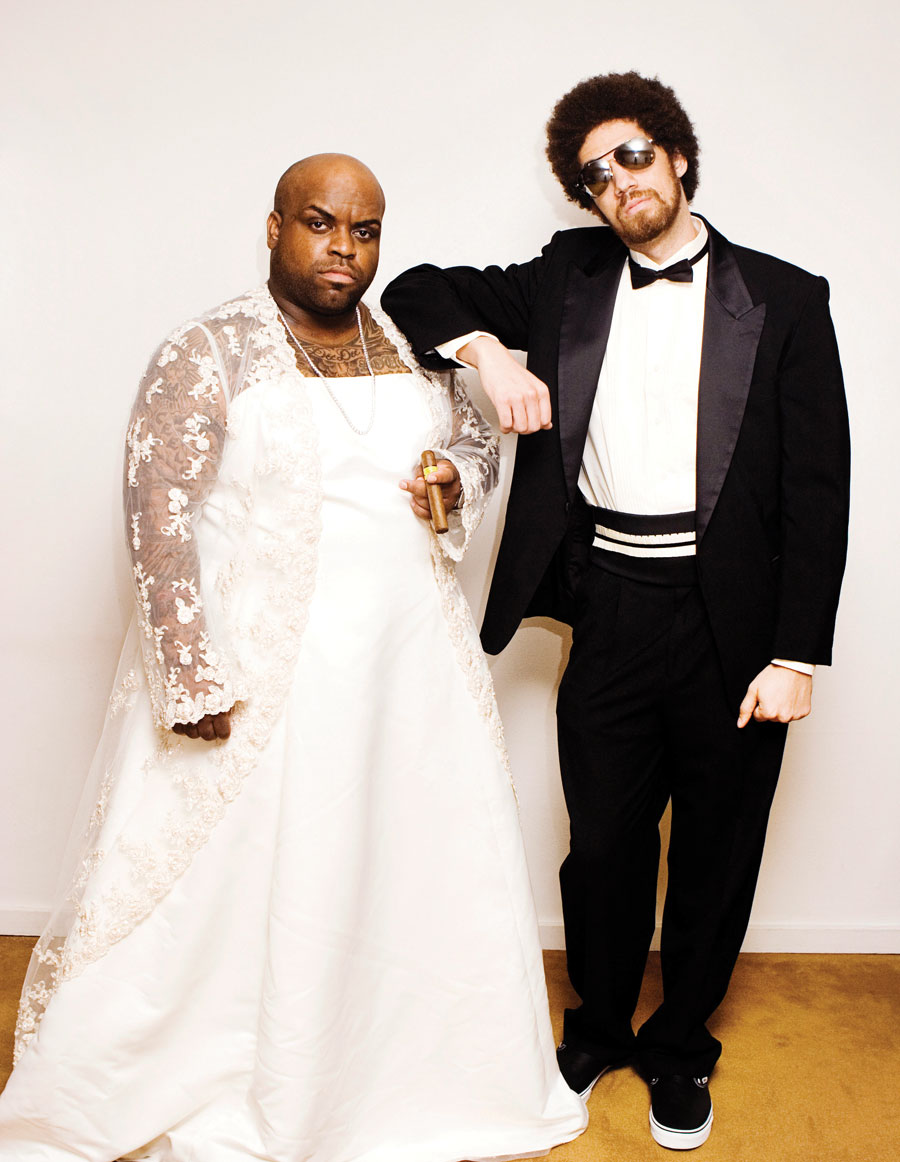
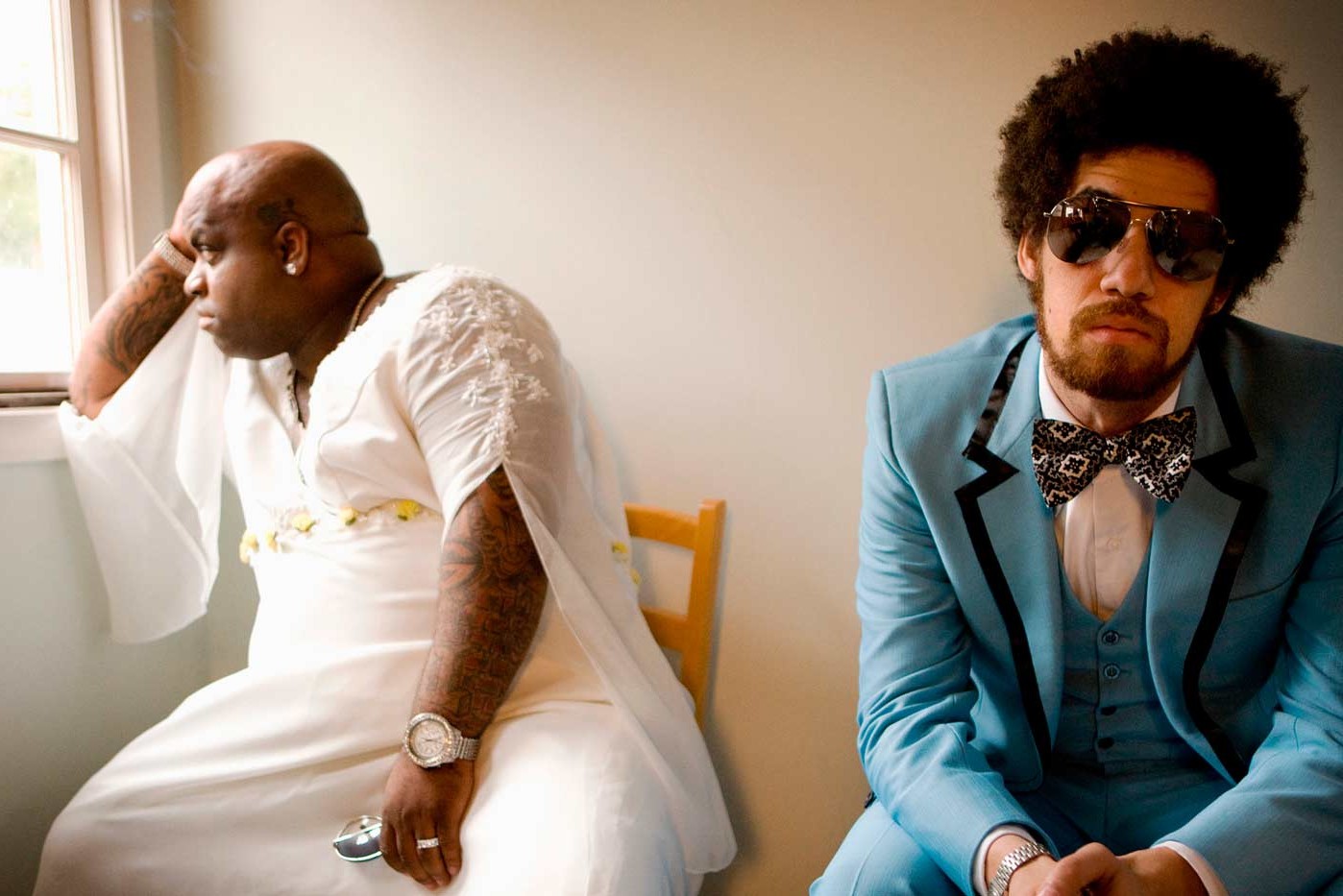
From their very inception, Gnarls Barkley presented a brand that defied easy categorization. Their name itself was an intriguing oxymoron, juxtaposing the raw, visceral “Gnarls” with the dignified “Barkley.” This duality permeated their aesthetic, blending retro-soul with modern electronic beats, and CeeLo Green’s larger-than-life stage presence with Danger Mouse’s understated production genius. They didn’t just sing songs; they crafted experiences. Their visual branding, particularly around the St. Elsewhere album, often featured anachronistic costuming and surreal imagery, further cementing their status as something distinctively “other.” This commitment to a singular, albeit eccentric, identity created a powerful brand narrative that captivated the public imagination. It was a brand built on authenticity, creative control, and a fearless willingness to experiment, traits that often underpin the most enduring personal and group brands.
Market Impact and Brand Recognition
The sheer omnipresence of “Crazy” in 2006 wasn’t merely a fluke; it was the result of a meticulously crafted piece of music that possessed universal appeal. The song’s success catapulted Gnarls Barkley into an unforeseen level of brand recognition. It topped charts globally, broke records for digital downloads, and earned them multiple Grammy nominations and wins. This rapid ascent established Gnarls Barkley as a powerhouse brand almost overnight. The duo cleverly leveraged this momentum, not by overexposing themselves, but by maintaining an air of mystery. Their public appearances were carefully chosen, often featuring them in elaborate costumes (like their famous Star Wars attire at the MTV Movie Awards), turning each outing into a branding event. This controlled exposure built anticipation and prevented market saturation, a common pitfall for acts achieving such immediate success. Their brand was thus associated not just with quality music but with innovation, spectacle, and a certain artistic elusiveness.
Navigating the Post-Debut Landscape: Managing Expectations and Output
Following a blockbuster debut, many brands face the monumental challenge of sustaining relevance without simply replicating past successes. Gnarls Barkley’s approach to their follow-up, The Odd Couple, and their subsequent activities, reveal a deliberate strategy of artistic integrity over relentless commercial pursuit.
The Challenge of Sustaining Momentum
The sophomore slump is a well-documented phenomenon in the entertainment industry. For Gnarls Barkley, following up “Crazy” was an unenviable task. The Odd Couple, released in 2008, was critically acclaimed but didn’t achieve the same commercial peak as its predecessor. This is not uncommon for brands that define themselves by innovation; consumer expectations often become tethered to the initial breakthrough. Rather than attempting to recreate “Crazy,” the duo doubled down on their eclectic sound, offering a more introspective and experimental album. This decision underscored their brand ethos: an artistic collective driven by creative impulse rather than market demands. While this might have led to a less expansive commercial reach for The Odd Couple, it reinforced their brand as artists of substance and integrity, distinguishing them from acts perceived as merely chasing trends. It demonstrated a long-term brand strategy focused on legacy, not just immediate sales.
Strategic Hiatus or Creative Evolution?
After The Odd Couple, Gnarls Barkley entered what many perceived as a hiatus. From a brand perspective, this was a crucial juncture. Was it a decline, or a strategic pause? For a duo whose individual members were already established and prolific, this period allowed for creative rejuvenation and personal brand diversification. Danger Mouse continued his acclaimed production work with artists like The Black Keys and Gorillaz, while CeeLo Green embarked on a highly successful solo career, epitomized by “Fuck You!” (Forget You). This “break” allowed each member to strengthen their individual brand equity, which, paradoxically, could also serve to bolster the collective Gnarls Barkley brand in the long run. A strategic hiatus, when managed effectively, can prevent brand fatigue, allowing for a refreshed perspective and renewed demand upon return. It maintains an aura of anticipation, rather than fading into irrelevance through overexposure.
The Individual Brands: CeeLo Green and Danger Mouse’s Divergent Paths
A significant part of “what happened” to Gnarls Barkley lies in understanding the robust individual careers of its members and how these personal brands interacted with, and at times overshadowed, the group entity.

Solo Ventures and Brand Extension
CeeLo Green’s solo career post-Gnarls Barkley was a masterclass in personal brand amplification. “Fuck You!” was a global smash, showcasing his soulful voice and irreverent charm to an even wider audience. His subsequent roles on The Voice and other television appearances further cemented his status as a beloved public figure with a distinct personality. This wasn’t merely a diversion but an expansion of his personal brand, demonstrating versatility and broader appeal. Similarly, Danger Mouse (Brian Burton) solidified his reputation as one of the most sought-after producers in modern music. His work with artists across genres, from Broken Bells (another duo project) to Adele, positioned him as a tastemaker and an essential creative force behind numerous successful projects. Both artists effectively extended their individual brands, proving that their creative wellspring was deep and multifaceted, not solely dependent on the Gnarls Barkley framework.
Rebalancing Group vs. Individual Identity
The challenge for any supergroup or collaborative project comprising strong individual brands is balancing the collective identity with the members’ solo pursuits. For Gnarls Barkley, the individual successes of CeeLo and Danger Mouse meant that the “group” brand became one of several high-profile ventures for each artist. This diluted, to some extent, the immediacy and singular focus on Gnarls Barkley, but it also ensured that the brand remained relevant through its members’ continued presence in popular culture. The question then becomes less about “what happened to” and more about “what’s next for” or “when will they choose to reactivate.” Their individual successes demonstrated that the creative power behind Gnarls Barkley was not diminished, merely redirected and expanded. This strategy allowed both CeeLo and Danger Mouse to avoid being pigeonholed solely by the Gnarls Barkley brand, offering them more artistic freedom and longevity.
Re-evaluating Brand Relevance and Longevity in the Digital Age
The music industry has undergone a seismic shift since Gnarls Barkley’s debut. Understanding their place now requires an examination of how their brand navigates this transformed landscape.
The Shifting Music Industry Landscape
In the mid-2000s, the music industry was grappling with the transition from physical sales to digital downloads. Today, streaming dominates, and artists are under constant pressure to maintain a digital presence, engage with fans on social media, and consistently release new content. For a brand like Gnarls Barkley, which built its mystique partly on controlled exposure and artistic deliberation, adapting to this always-on environment presents a unique challenge. Their brand was built on quality and impact, not necessarily quantity or continuous interaction. This approach, while perhaps less suited for the demands of the modern streaming economy, could also be seen as a strength. By not constantly vying for attention, they retain a certain mystique and specialness, making any potential return feel more significant.
Maintaining Connection in a Saturated Market
In an era where thousands of songs are released daily, and artists are expected to be their own marketers, publicists, and content creators, maintaining a connection without a constant stream of new material is difficult. However, Gnarls Barkley’s initial impact and the enduring quality of their music mean that their brand retains a significant reservoir of goodwill and nostalgia. Fans remember the unique experience they offered. Furthermore, their individual members’ continued prominence keeps the Gnarls Barkley name implicitly relevant. A brand with a strong, foundational identity can afford periods of less activity, relying on the strength of its existing legacy to maintain a passive connection with its audience. Their brand isn’t about constant noise; it’s about impactful statements when they choose to make them.
Lessons for Personal and Group Brands
The journey of Gnarls Barkley offers invaluable insights for any individual or group looking to build, sustain, and evolve a brand in competitive markets.
The Power of Strategic Absence
Perhaps the most salient lesson from Gnarls Barkley is the power of strategic absence. In a culture saturated with content, taking a break can be a bold and effective branding move. It can foster anticipation, prevent burnout, and allow for artistic growth that might not be possible under constant pressure to produce. For Gnarls Barkley, their hiatus wasn’t an abandonment but a period of individual development that arguably strengthened the collective potential. It communicated that their work was about art and passion, not just commercial obligation, enhancing their brand authenticity. This strategy runs counter to much of modern marketing advice, yet for brands built on mystique and profound artistic expression, it can be incredibly effective.
The Value of Authentic Creative Control
Ultimately, Gnarls Barkley’s story is one of unwavering creative control. From their genre-defying sound to their idiosyncratic visual presentation, the duo consistently prioritized their artistic vision over commercial pressures. This authenticity became a cornerstone of their brand identity. It’s what allowed them to release an album like The Odd Couple that didn’t simply mimic past success, and it’s what allowed them to pursue individual projects without dissolving the core identity of the group. For any brand, whether personal or corporate, maintaining a clear, authentic vision that aligns with core values is paramount for long-term endurance and relevance. “What happened to Gnarls Barkley” isn’t a story of decline, but rather an ongoing narrative of two singular artists who, together and apart, have mastered the art of brand evolution on their own terms. The brand, in essence, is not gone; it is simply waiting for its next impactful statement.
aViewFromTheCave is a participant in the Amazon Services LLC Associates Program, an affiliate advertising program designed to provide a means for sites to earn advertising fees by advertising and linking to Amazon.com. Amazon, the Amazon logo, AmazonSupply, and the AmazonSupply logo are trademarks of Amazon.com, Inc. or its affiliates. As an Amazon Associate we earn affiliate commissions from qualifying purchases.