
Understanding Bullish Sentiment in Financial Markets
In the dynamic world of finance, the term “bullish” is a cornerstone concept, signaling a specific outlook on market direction and investor sentiment. To be “bullish” means to be optimistic about the future performance of a particular asset, market, or the economy as a whole. It reflects an expectation that prices will rise, leading to positive returns for investors. This positive outlook can be a powerful driver of market activity, influencing everything from individual stock prices to national economic indicators.
Defining “Bullish”
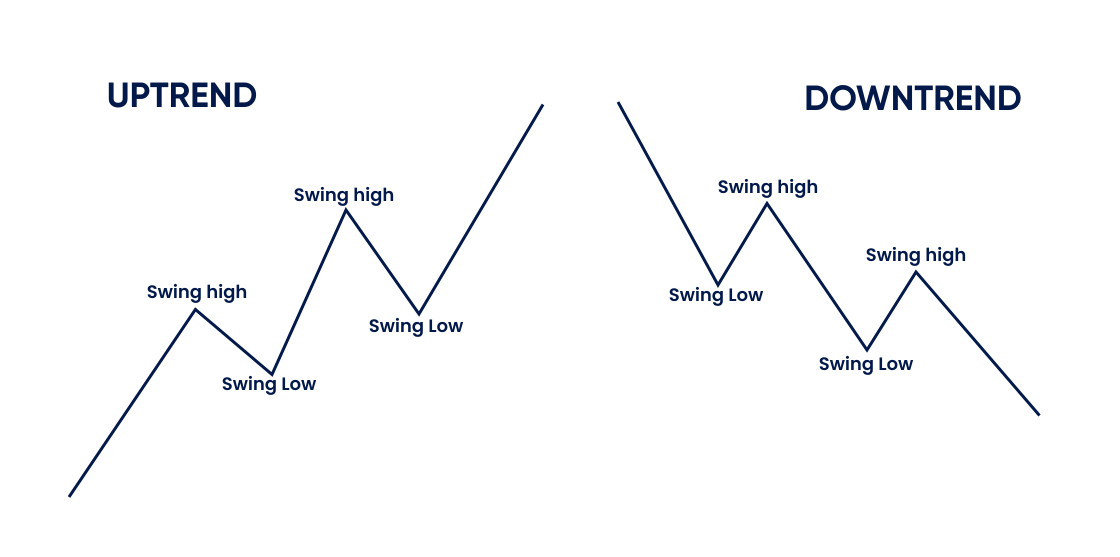
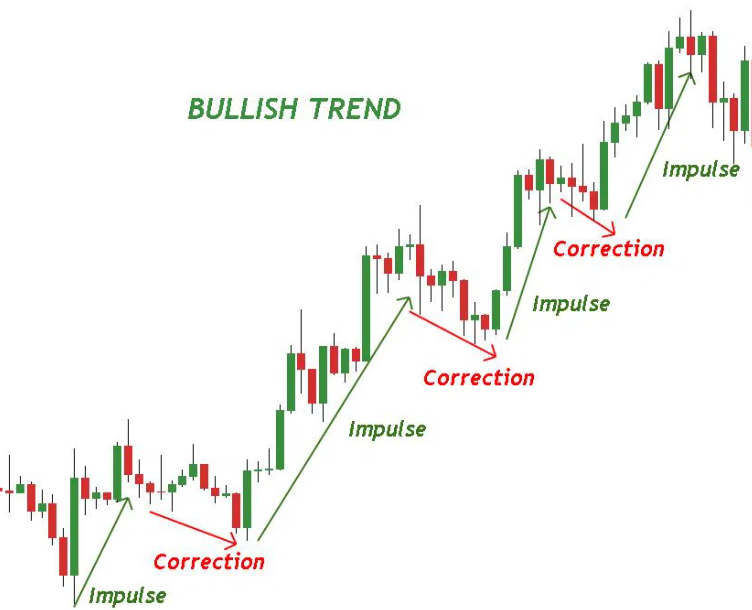
A “bullish” stance is characterized by the belief that prices are either currently rising or are poised to rise. This optimism is often fueled by underlying fundamental strength, such as strong corporate earnings, positive economic data, or favorable industry trends. When investors are bullish, they are more likely to buy assets, driving demand and pushing prices higher. This sentiment can create a self-reinforcing cycle, as rising prices further bolster investor confidence, attracting even more buyers. The term itself is often attributed to the way a bull attacks, thrusting its horns upwards, metaphorically representing an upward trend in prices.
The Psychology of Bullish Investors
The psychology behind bullish investors is rooted in confidence and a willingness to take on risk in anticipation of future gains. These investors often analyze market data, economic reports, and company fundamentals, concluding that conditions are ripe for growth. They might be attracted to specific sectors showing innovation or strong consumer demand, or they might believe that broader macroeconomic policies will stimulate economic expansion. Their conviction leads them to allocate capital into assets, contributing to liquidity and market momentum. However, this optimism must be balanced with realism, as unchecked euphoria can sometimes lead to market bubbles.
Contrasting with Bearish Sentiment
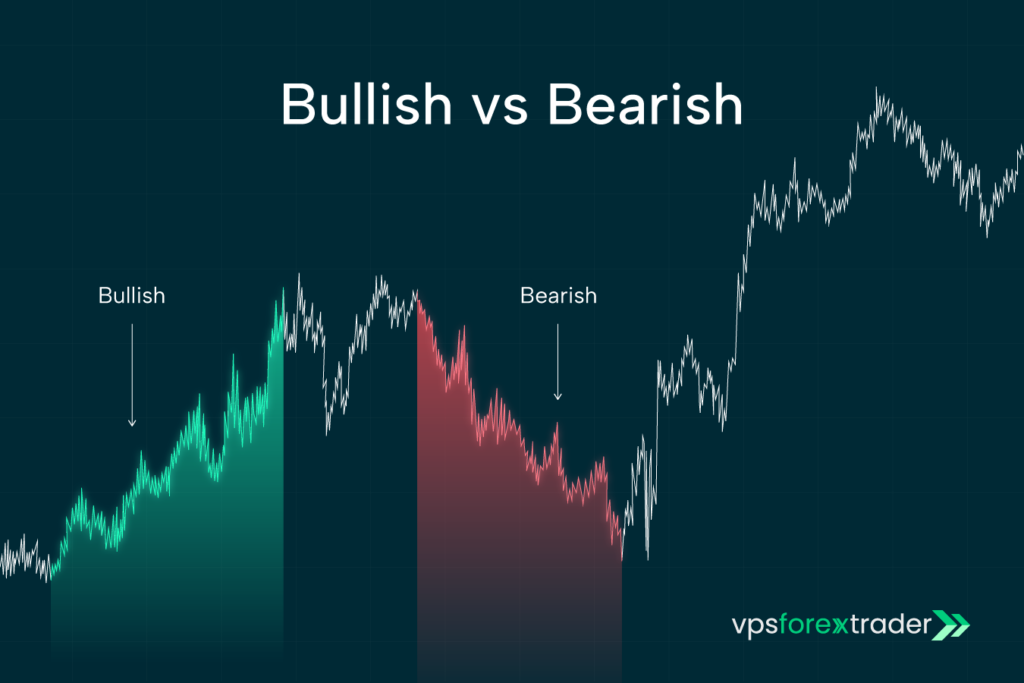
To fully grasp what “bullish” entails, it’s essential to understand its counterpart: “bearish.” A “bearish” outlook signifies pessimism and an expectation that prices will fall. Just as a bull pushes upwards, a bear swipes downwards with its paws. Bearish investors anticipate declines, often selling assets to avoid losses or even short-selling to profit from falling prices. The interplay between bullish and bearish sentiment creates the natural ebb and flow of market cycles, influencing volatility and providing opportunities for diverse investment strategies. Understanding both perspectives is crucial for a well-rounded financial approach.
Indicators of a Bullish Market
Identifying a bullish market requires keen observation of various economic, technical, and psychological indicators. These signals help investors gauge the prevailing sentiment and make informed decisions about their portfolios.
Economic Fundamentals
Strong economic fundamentals are often the bedrock of a sustained bullish market. Key indicators include robust Gross Domestic Product (GDP) growth, which signifies expanding economic output. Low unemployment rates indicate a healthy job market and strong consumer spending potential. Furthermore, consistent corporate earnings growth, particularly across multiple sectors, provides tangible evidence of business profitability and future prospects. Positive inflation data, within a reasonable range, can also signal a growing economy, while excessive inflation might introduce uncertainty. Central bank policies, such as interest rate cuts or quantitative easing, can also inject liquidity and confidence into the market, fostering a bullish environment.
Technical Analysis
Technical analysis offers another lens through which to identify bullish trends by examining price charts and trading volumes. Bullish chart patterns, such as “head and shoulders bottom,” “double bottom,” or “ascending triangles,” often precede or confirm upward price movements. Moving averages, when shorter-term averages cross above longer-term averages (a “golden cross”), are typically considered bullish signals. High trading volumes accompanying price increases indicate strong conviction behind the upward movement. Momentum indicators, like the Relative Strength Index (RSI) staying above 50 or the Moving Average Convergence Divergence (MACD) crossing above its signal line, can also confirm strengthening bullish momentum.
Market News and Analyst Ratings
The flow of market news and the consensus among financial analysts play a significant role in shaping and confirming bullish sentiment. Positive news headlines about technological breakthroughs, successful product launches, or favorable regulatory changes can trigger bullish reactions. Upgrades in analyst ratings for specific stocks or sectors, along with an increase in price targets, often reflect a professional consensus on improving prospects. Similarly, optimistic economic forecasts from reputable institutions or government agencies can reinforce a broader bullish outlook for the market.
Investor Confidence Surveys
Beyond hard data, investor confidence surveys offer insights into the collective psychological state of market participants. Surveys from organizations like the American Association of Individual Investors (AAII) measure the percentage of investors who are bullish, bearish, or neutral. A rising percentage of bullish investors can signal growing confidence, although excessively high bullish sentiment can sometimes be a contrarian indicator, suggesting the market might be overheated. These surveys provide a qualitative measure of market mood, complementing quantitative data points.
Strategies for Bullish Investors
When anticipating or confirming a bullish market, investors can employ specific strategies designed to capitalize on upward price movements. These strategies vary in risk and complexity but are generally aimed at profiting from growth.
Long Positions (Buying and Holding)
The most fundamental bullish strategy is taking a “long position,” which simply means buying an asset with the expectation that its price will increase over time. This can involve purchasing stocks, bonds, commodities, or other financial instruments and holding them for a period. The “buy and hold” approach is particularly popular among long-term investors who believe in the sustained growth potential of certain companies or the broader market. It relies on the premise that market uptrends, over extended periods, tend to outweigh downturns.
Call Options
For investors seeking to amplify their returns in a bullish market, call options can be a powerful tool, albeit with higher risk. A call option gives the holder the right, but not the obligation, to buy an underlying asset (like a stock) at a specified price (the strike price) on or before a certain date. If the asset’s price rises above the strike price, the call option becomes profitable. This strategy offers leverage, meaning a small movement in the underlying asset’s price can lead to a significant percentage gain in the option’s value. However, if the price does not rise, the option can expire worthless, resulting in a 100% loss of the premium paid.
Growth Stocks and Sectors
Bullish investors often gravitate towards growth stocks and sectors that are expected to expand at a faster rate than the overall market. These companies typically reinvest their earnings to fuel further expansion, rather than paying out dividends. Examples include technology, biotechnology, and renewable energy sectors, which often exhibit high innovation and rapid market adoption. Identifying companies with strong competitive advantages, robust earnings growth, and scalable business models is key to this strategy. While offering higher potential returns, growth stocks can also be more volatile, especially in early-stage companies.
Dollar-Cost Averaging in Upward Trends
While often associated with mitigating risk in volatile markets, dollar-cost averaging can also be effectively employed in a bullish market. This strategy involves investing a fixed amount of money at regular intervals, regardless of the asset’s price. In a sustained upward trend, this ensures continuous participation in the market’s growth. It prevents investors from trying to “time the market” perfectly and instead allows them to consistently accumulate assets, benefiting from the overall bullish trajectory. It builds wealth systematically and reduces the psychological burden of making large, single investment decisions.
Risk Management in a Bull Market
Even in a bullish market, prudent risk management is paramount. While the inclination is to maximize gains, avoiding complacency is crucial. Strategies like setting stop-loss orders can protect against unexpected downturns by automatically selling an asset if it falls below a predetermined price. Periodically taking profits from highly appreciated assets can help lock in gains and rebalance a portfolio. Diversification across different asset classes, industries, and geographies remains a core principle, even when optimism is high, to mitigate concentration risk if specific sectors or assets underperform. A disciplined approach ensures that potential gains are realized while cushioning against unforeseen market corrections.
Impact on Different Asset Classes
A bullish sentiment doesn’t impact all asset classes uniformly. While a generally positive market outlook can lift many boats, the degree and nature of the impact vary significantly.
Stocks
Stocks are perhaps the most direct beneficiaries of a bullish market. When investors are optimistic about economic growth and corporate profitability, demand for equities rises, pushing stock prices higher. Companies with strong earnings, innovative products, or those operating in high-growth sectors often see the most significant appreciation. A sustained bullish market, often referred to as a “bull market,” encourages IPOs, secondary offerings, and increased trading volumes as investors seek to capitalize on rising valuations. This environment typically leads to higher P/E ratios and increased investor confidence, sometimes leading to overvaluation if not managed carefully.
Bonds
The relationship between bullish sentiment and bonds is more nuanced. In an environment where the economy is growing and inflation is a concern, central banks might raise interest rates to cool down the economy. Rising interest rates generally have an inverse relationship with bond prices, meaning existing bonds with lower fixed interest payments become less attractive, and their market value may fall. However, high-quality corporate bonds might still perform well if their issuing companies are benefiting from the bullish economic conditions, improving their creditworthiness. For government bonds, strong economic growth can reduce perceived default risk, but the impact of interest rate changes often dominates.
Commodities
Commodities, such as oil, metals, and agricultural products, often react positively to bullish economic sentiment. Strong economic growth translates into higher industrial demand for raw materials and increased consumer spending, which boosts demand for energy and food. For example, a global economic expansion typically drives up oil prices as transportation and manufacturing activities increase. Similarly, demand for industrial metals like copper and iron ore rises with construction and infrastructure development. Precious metals like gold, traditionally a safe-haven asset, might see less demand in a strongly bullish environment as investors flock to riskier, higher-return assets like stocks.
Real Estate
A bullish economic environment generally supports the real estate market. Increased consumer and business confidence, coupled with job growth and rising incomes, fuels demand for both residential and commercial properties. This can lead to appreciating property values and increased rental yields. Lower interest rates, which often accompany early stages of a bullish cycle, also make mortgages more affordable, further stimulating housing demand. However, extremely high interest rates in an effort to combat inflation later in a bullish cycle can cool down the real estate market, making borrowing more expensive and affordability a challenge.
Cryptocurrencies
Cryptocurrencies, while highly volatile, often exhibit a correlation with broader bullish sentiment, especially in the tech and growth sectors. During periods of high investor confidence and a “risk-on” appetite, capital tends to flow into speculative assets, including digital currencies. Innovation in blockchain technology and increasing institutional adoption can further fuel bullish sentiment within the crypto space. However, due to their inherent volatility and regulatory uncertainties, cryptocurrencies can also experience sharp corrections even within a generally bullish economic climate, making them subject to unique market dynamics alongside broader trends.
Navigating Bull Markets Wisely
While bullish markets present significant opportunities for wealth creation, navigating them wisely requires discipline, foresight, and a well-defined strategy. The exuberance that often accompanies prolonged uptrends can lead to irrational decisions if not managed carefully.
Avoiding Euphoria and Overvaluation
One of the greatest dangers in a sustained bullish market is succumbing to euphoria. As prices continually rise, it’s easy for investors to become overly optimistic, sometimes leading them to ignore fundamental valuations and invest based solely on momentum or “fear of missing out” (FOMO). This can result in buying assets at unsustainable, overvalued prices. Wise investors remain grounded in their analysis, consistently evaluating whether an asset’s price is justified by its underlying earnings, growth prospects, and intrinsic value. Regularly reviewing investment theses and being willing to trim positions in assets that have become excessively expensive is a crucial safeguard.
Diversification Remains Key
Even in the most robust bull markets, diversification remains a cornerstone of prudent investing. While a particular sector or asset class might be performing exceptionally well, concentrating too much capital in one area exposes a portfolio to significant risk should that specific segment experience a downturn. Diversifying across different asset classes (stocks, bonds, real estate, commodities), industries, geographies, and investment styles helps spread risk. If one part of the portfolio underperforms, others may compensate, leading to more stable long-term returns and greater resilience against unexpected market shifts. A diversified portfolio is less susceptible to the sudden corrections that can arise even in an otherwise bullish environment.
Continuous Research and Adaptation
Financial markets are constantly evolving, and a bullish environment is no exception. Successful navigation requires continuous research and a willingness to adapt strategies as conditions change. Staying informed about economic indicators, corporate performance, geopolitical events, and technological advancements is vital. What drives growth today might not be the primary driver tomorrow. Regularly reviewing portfolio performance against original investment goals, rebalancing as necessary, and being open to adjusting asset allocations based on new information will help investors maintain an optimal position. A proactive and adaptive approach ensures that an investor can capitalize on ongoing bullish trends while remaining prepared for potential shifts in market sentiment or economic conditions.
aViewFromTheCave is a participant in the Amazon Services LLC Associates Program, an affiliate advertising program designed to provide a means for sites to earn advertising fees by advertising and linking to Amazon.com. Amazon, the Amazon logo, AmazonSupply, and the AmazonSupply logo are trademarks of Amazon.com, Inc. or its affiliates. As an Amazon Associate we earn affiliate commissions from qualifying purchases.