
The dusty stacks of outdated textbooks, remnants of academic endeavors past, often accumulate in homes and offices, presenting a common dilemma. While their immediate informational value may have waned, their potential for generating income, both directly and indirectly, is far from depleted. In the realm of personal finance and burgeoning online marketplaces, these seemingly obsolete volumes can be transformed from clutter into cash, offering tangible financial benefits and even contributing to a more sustainable economy. This exploration delves into the strategic financial avenues available for repurposing old textbooks, focusing on how to maximize their monetary value and explore various income-generating opportunities.
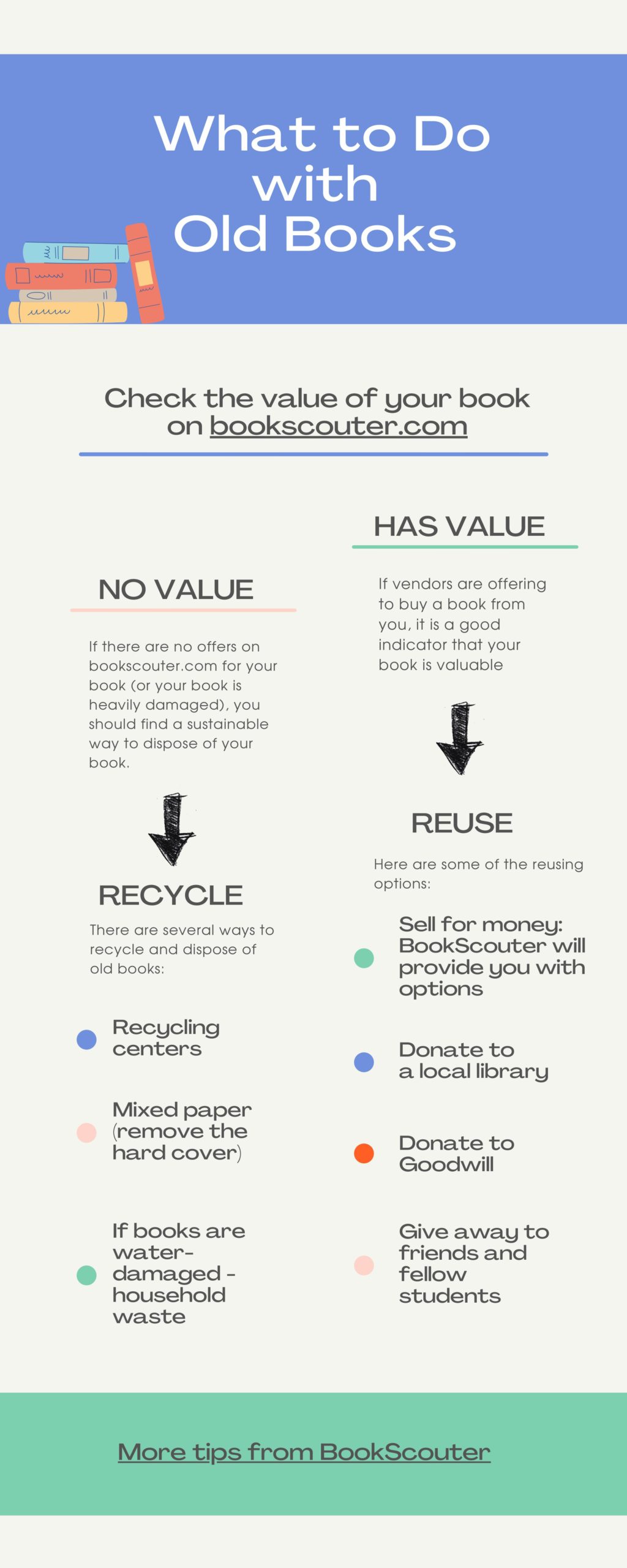
Monetizing Your Literary Legacy: Direct Sales and Resale Strategies
The most straightforward approach to generating income from old textbooks is through direct sale. The market for used textbooks, though often perceived as niche, is surprisingly robust and accessible through various online and offline channels. Understanding these avenues and employing effective selling strategies can significantly boost your return on investment, turning past academic expenditures into current financial gains.
Identifying the Market Value of Your Textbooks
Before listing any textbook for sale, a crucial first step is to assess its market value. This involves more than just a cursory glance; it requires a strategic investigation into factors that influence resale prices.
Condition is King: Assessing and Enhancing Textbook Value
The physical condition of a textbook is paramount. Books in excellent or near-new condition, with minimal highlighting, writing, or wear and tear, command significantly higher prices. Thoroughly examine each book for:
- Cover Integrity: Check for rips, tears, bending, or significant scuff marks. A clean, undamaged cover is a strong selling point.
- Spine Condition: A cracked or loose spine can drastically reduce value. Ensure the binding is intact.
- Page Quality: Look for excessive highlighting, underlining, notes in the margins, or stains. While some highlighting is often acceptable, extensive markings can deter buyers. Dog-eared pages are also a negative.
- Missing Pages or Damage: Any missing pages, water damage, or significant tearing will severely diminish the book’s value, potentially making it unsaleable.
If your textbooks are in good condition, they are prime candidates for resale. If they have minor issues, consider gentle cleaning or repair where possible, but avoid overstating their condition.
Edition Matters: The Crucial Role of Textbook Editions
Textbook publishers frequently release new editions of their core texts. Older editions, especially those that are several years behind the current standard, often have significantly reduced resale value. Identify the edition number clearly printed on the title page. Generally, the more recent the edition, the higher its potential resale value. However, some classic or foundational texts may retain value across multiple editions, particularly if the core content remains relevant. For highly specialized or rapidly evolving fields, older editions will likely have minimal resale appeal.
Subject and Demand: Where the Real Money Lies
Certain academic subjects and authors are consistently in higher demand within the used textbook market. STEM (Science, Technology, Engineering, and Mathematics) subjects, particularly engineering, computer science, and advanced mathematics, often see strong resale values due to the cost of new editions and the specialized nature of the content. Conversely, subjects with more frequent curriculum updates or those that are broadly introductory might see lower returns. Researching the demand for specific titles and authors can help you prioritize which books to focus your selling efforts on.
Strategic Selling Platforms: Where to List and Sell
Once you’ve identified valuable textbooks, the next step is to choose the most effective platforms for selling them. A multi-pronged approach often yields the best results.
Online Marketplaces: The Power of Reach
The internet has revolutionized the used textbook market, offering unparalleled reach and convenience.
- Dedicated Textbook Buyback Sites: Platforms like Chegg, BookScouter, ValoreBooks, and Amazon Trade-In specialize in buying used textbooks directly from students and individuals. These sites often provide instant quotes and prepaid shipping labels, making the process incredibly simple. However, their buyback prices can sometimes be lower than what you might achieve through peer-to-peer sales.
- General E-commerce Platforms: Websites like eBay and Amazon (as a third-party seller) allow you to set your own prices and reach a broader audience. This can be more time-consuming, requiring you to manage listings, customer inquiries, and shipping, but it can also lead to higher profits if your textbooks are in demand.
- Social Media and Online Communities: Facebook Marketplace, student forums, and university-specific groups can be excellent places to sell textbooks directly to fellow students or those in your local area, potentially avoiding shipping costs and platform fees.
Local Avenues: Tapping into Your Immediate Community
While online platforms offer broad reach, don’t underestimate the value of local sales.
- Campus Bookstores: Some university bookstores offer buyback programs, especially for titles they anticipate needing for the upcoming semester. Their offers may not be the highest, but the convenience is a significant factor.
- Local Used Bookstores: Independent used bookstores can be a good option, particularly for older or more obscure titles that might not be in high demand on larger online platforms. However, their pricing and purchasing policies vary significantly.
- Garage Sales and Flea Markets: While less predictable, these can be effective for clearing out a large volume of books quickly, especially if priced attractively.
Beyond the Sale: Alternative Financial and Resourceful Uses
While direct sales offer a clear path to immediate financial gain, old textbooks can also contribute to your financial well-being and broader economic goals through less conventional, yet equally valuable, avenues. These methods often involve leveraging the physical materials or the knowledge contained within, transforming them into assets that support other financial endeavors or reduce future expenses.
The Knowledge Economy: Leveraging Content for New Income Streams
The information within your textbooks, even if outdated for academic purposes, can still be a valuable commodity in the digital age. Repurposing this knowledge can open up new avenues for online income.
Creating Digital Content: Courses, Guides, and Articles
If you possess a deep understanding of a subject covered in your textbooks, consider transforming that knowledge into digital content.
- Online Courses: Platforms like Udemy, Skillshare, and Teachable allow you to create and sell online courses based on your expertise. Even if the textbook is old, the fundamental principles might still be relevant, and your ability to explain them clearly can be a valuable skill.
- Ebooks and Guides: Compile your notes, summaries, or a more practical application of the textbook’s concepts into an ebook or a specialized guide. This can be sold on platforms like Amazon Kindle Direct Publishing.
- Blogging and Freelance Writing: If you have a knack for writing, you can leverage your textbook knowledge for freelance articles, blog posts, or website content creation for educational platforms or businesses.
Tutoring and Mentorship Services
Your academic background, reinforced by the content of your old textbooks, can be a valuable asset for tutoring younger students or those embarking on similar academic paths.
- Online Tutoring Platforms: Websites like Skooli, TutorMe, and Tutor.com connect tutors with students seeking academic assistance across a wide range of subjects.
- Local Tutoring: Offer your services to students in your community. The familiarity with the subject matter, even from older editions, can provide a strong foundation for teaching.
Resourcefulness and Sustainability: Indirect Financial Benefits
Beyond direct income generation, utilizing old textbooks can also lead to indirect financial benefits by reducing expenses and contributing to a more sustainable economic model.

Crafting and Upcycling: Creative Reuse for Financial Savings
The physical materials of textbooks can be repurposed for various craft and DIY projects, which can either save you money on materials or even become a source of income if you sell your creations.
- Decorative Items: Old book covers can be used for scrapbooking, creating unique notebooks, or even as decorative elements in home decor.
- Artistic Projects: Pages can be used for origami, decoupage, or as a unique medium for artistic expression.
- DIY Organizers: Sturdy covers can be repurposed into small storage boxes or organizers.
Community Donations: Building Goodwill and Potential Tax Benefits
Donating your old textbooks to libraries, schools, or charitable organizations is a socially responsible act that can also offer indirect financial advantages.
- Supporting Educational Initiatives: Schools and libraries are often in need of supplementary reading materials. Donating your books ensures they continue to serve an educational purpose.
- Tax Deductions: If you donate to a registered charity, you may be eligible for tax deductions. Keep meticulous records of your donations for tax reporting purposes.
- Building Community Ties: Supporting local educational institutions can foster goodwill and strengthen community relationships, which can have long-term, albeit intangible, financial benefits.
Strategic Financial Management of Your Textbook Inventory
Effectively managing your collection of old textbooks as a potential financial asset requires a systematic and strategic approach. Treating them not as mere clutter, but as an inventory of potential value, can lead to better returns and a more organized approach to their disposition.
Inventory Management: Tracking Your Assets
The first step in any effective financial management strategy is accurate inventory tracking. This is particularly relevant for a collection of books that might be dispersed across different locations or have varying levels of resale potential.
Creating a Digital Catalog
Develop a simple digital catalog using a spreadsheet (like Google Sheets or Excel) or a dedicated inventory app. For each textbook, record the following information:
- Title and Author: Essential for identification.
- ISBN: The unique International Standard Book Number is crucial for accurate identification and research on resale platforms.
- Edition Number: As discussed earlier, this significantly impacts value.
- Condition: Be honest and detailed (e.g., “excellent,” “good with minor highlighting,” “worn cover”).
- Purchase Date/Original Cost (Optional): This can help you calculate your return on investment.
- Estimated Resale Value: Based on your research.
- Current Status: (e.g., “listed online,” “awaiting donation,” “sold”).
- Location: If you have multiple storage locations.
This catalog will serve as your central repository of information, allowing you to quickly assess your inventory, prioritize selling efforts, and track your progress.
Prioritizing Sales Based on Value and Demand
Use your catalog to prioritize which books to sell first. Focus on those with the highest estimated resale value and strongest market demand. Consider a tiered approach:
- Tier 1: High Value, High Demand: Books that are recent editions of popular STEM subjects, in excellent condition. These should be listed immediately on multiple platforms.
- Tier 2: Moderate Value, Moderate Demand: Older editions of in-demand subjects, or newer editions of less popular subjects. These might require more patient selling or listing on platforms with lower fees.
- Tier 3: Low Value, Low Demand: Very old editions, or subjects with consistently low resale rates. These might be better candidates for donation or bundled sales.
Bundling and Discounting: Maximizing Sales Volume and Profit
Strategic pricing and bundling can significantly impact your ability to sell textbooks and optimize your profits.
The Power of Bundles
Consider creating bundles of related textbooks. For instance, if you took a series of literature courses, you could bundle the required texts for each semester.
- Discounted Pricing: Offer a slightly discounted price for the bundle compared to purchasing each book individually. This incentivizes buyers to purchase multiple items from you, increasing your sales volume.
- Clearing Out Less Valuable Items: Bundling can be an excellent way to move less valuable or older editions by pairing them with more desirable titles.
Strategic Discounting and Promotions
As your books sit unsold, you may need to adjust your pricing strategy.
- Gradual Price Reductions: If a book isn’t selling at your initial price, implement gradual price reductions rather than drastic drops. This allows you to test the market and still capture a reasonable return.
- Seasonal Sales: Consider running promotions during key academic periods, such as the beginning or end of a semester, when demand for textbooks is highest.
- “Make an Offer” Options: On platforms like eBay, allowing buyers to “make an offer” can lead to quick sales, though it requires careful consideration of your minimum acceptable price.
Reinvesting Your Earnings: A Financial Growth Cycle
The income generated from selling old textbooks doesn’t have to be a one-time financial boost. It can be part of a larger financial strategy that contributes to ongoing growth and wealth creation.
Investing in Further Education or Skill Development
The funds realized from selling textbooks can be reinvested into your personal or professional development.
- Online Courses and Certifications: Use the money to acquire new skills or certifications that can enhance your earning potential in your current career or a new field.
- Books and Resources: Purchase new, relevant books or resources that align with your current learning goals or career aspirations.

Contributing to Savings or Investment Portfolios
Treat the proceeds as a bonus and allocate them to your long-term financial goals.
- Emergency Fund: Bolster your emergency savings to provide a financial cushion against unexpected expenses.
- Investment Accounts: Contribute to your retirement accounts (e.g., IRA, 401k) or brokerage accounts to build long-term wealth. Even small, consistent contributions can grow significantly over time.
- Debt Reduction: Apply the earnings towards paying down high-interest debt, which can lead to substantial savings on interest payments and improve your overall financial health.
By approaching your old textbooks with a financial mindset, you can transform a common source of clutter into a valuable resource, unlocking opportunities for income generation, cost savings, and strategic financial growth.
aViewFromTheCave is a participant in the Amazon Services LLC Associates Program, an affiliate advertising program designed to provide a means for sites to earn advertising fees by advertising and linking to Amazon.com. Amazon, the Amazon logo, AmazonSupply, and the AmazonSupply logo are trademarks of Amazon.com, Inc. or its affiliates. As an Amazon Associate we earn affiliate commissions from qualifying purchases.