
In the contemporary economic landscape, the traditional model of a single, lifelong career path is rapidly being replaced by a more dynamic approach to wealth creation. The concept of “making income” has evolved far beyond the boundaries of a standard 9-to-5 paycheck. Today, generating revenue requires a sophisticated understanding of market demands, investment vehicles, and the strategic deployment of personal capital—both financial and intellectual. Whether you are looking to supplement your existing salary or build a self-sustaining business ecosystem, the path to financial independence is paved with diversification and strategic planning.
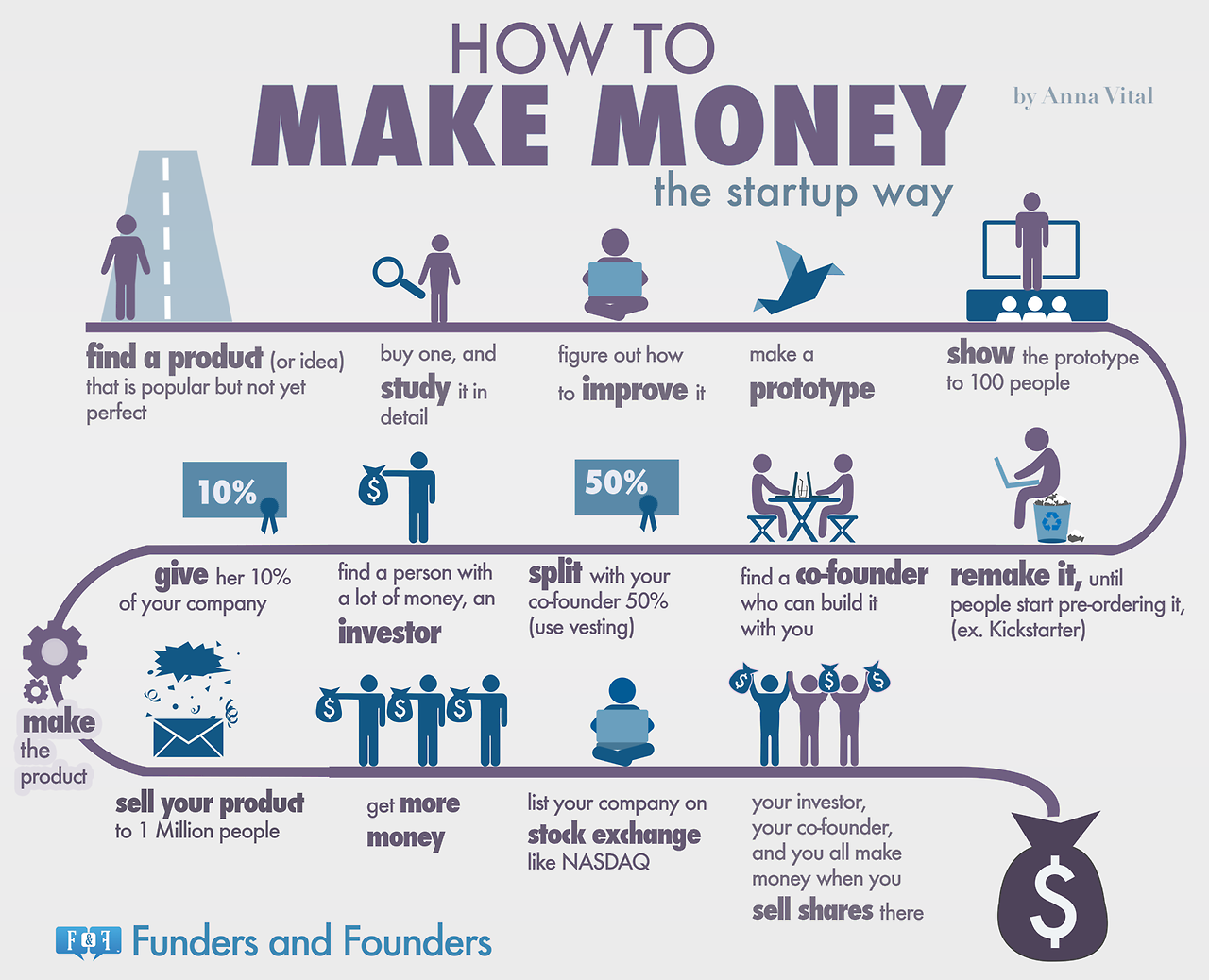
To truly master the art of income generation, one must look at money not as a static resource, but as a tool for leverage. This guide explores the multifaceted strategies for building robust income streams, ranging from high-value active labor to the sophisticated world of passive investments.
Diversifying Your Revenue: The Shift from Single to Multiple Income Streams
The foundation of modern financial security lies in diversification. Relying on a single source of income—usually a primary job—exposes an individual to significant systemic risk. In the event of market downturns or corporate restructuring, that single point of failure can lead to financial instability. By contrast, developing multiple streams of income provides a safety net and accelerates the process of wealth accumulation.
The Myth of the Single Salary
For decades, the standard advice was to find a stable job with good benefits and work there until retirement. However, inflation, the rising cost of living, and the volatility of the modern job market have rendered this advice obsolete. To build real wealth, you must decouple your earnings from your time. While a salary is a vital starting point, it is often capped by the number of hours you can work. To break through this ceiling, you must transition from being a “worker” to being an “owner” or an “investor.”
Active vs. Passive Income Dynamics
Understanding the difference between active and passive income is crucial. Active income is earned in exchange for a specific service or amount of time (e.g., your salary or freelance projects). Passive income, however, is money earned from assets you’ve created or invested in that continue to generate returns with minimal ongoing effort. A balanced financial profile usually begins with maximizing active income to fund the acquisition of passive income-generating assets. The ultimate goal is to reach a point where your passive streams cover your living expenses, a state commonly defined as financial independence.
High-Value Skill Acquisition and the Evolution of Freelancing
Before one can invest, one must earn. The most efficient way to increase your primary income is through the acquisition of high-value skills. In the digital economy, certain skill sets command a premium because they directly impact a business’s bottom line. By positioning yourself as an expert rather than a generalist, you can significantly increase your hourly or project-based rate.
Identifying High-Income Skills
High-income skills are those that are in high demand but have a relatively low supply of qualified practitioners. These often include fields such as data analysis, specialized financial consulting, digital marketing strategy, and high-level project management. Unlike a college degree, which provides a broad foundation, high-income skills are often technical and results-oriented. The key to “making income” in this sector is to move away from “selling time” and toward “selling results.” If your work can help a company increase its revenue by $100,000, they will be more than willing to pay you a $10,000 premium for your services.
Transitioning to Specialized Consulting
Once you have mastered a high-value skill, the next logical step in income generation is consulting. Freelancing often involves doing the “grunt work,” whereas consulting focuses on strategy and oversight. As a consultant, you are paid for your expertise and perspective. This shift allows for higher margins and the ability to work with multiple clients simultaneously. Building a consultancy involves identifying a niche market with a specific problem and offering a proprietary solution. This professionalizes your income and builds a “business of one” that is far more lucrative than traditional employment.
Building Digital Assets for Scalable Passive Income
The internet has democratized the ability to create and scale income-generating assets. Unlike physical real estate, which requires significant upfront capital, digital assets can often be built with sweat equity and minimal financial investment. These assets are highly scalable, meaning it costs nearly the same to serve one customer as it does to serve ten thousand.
The Creator Economy and Information Products
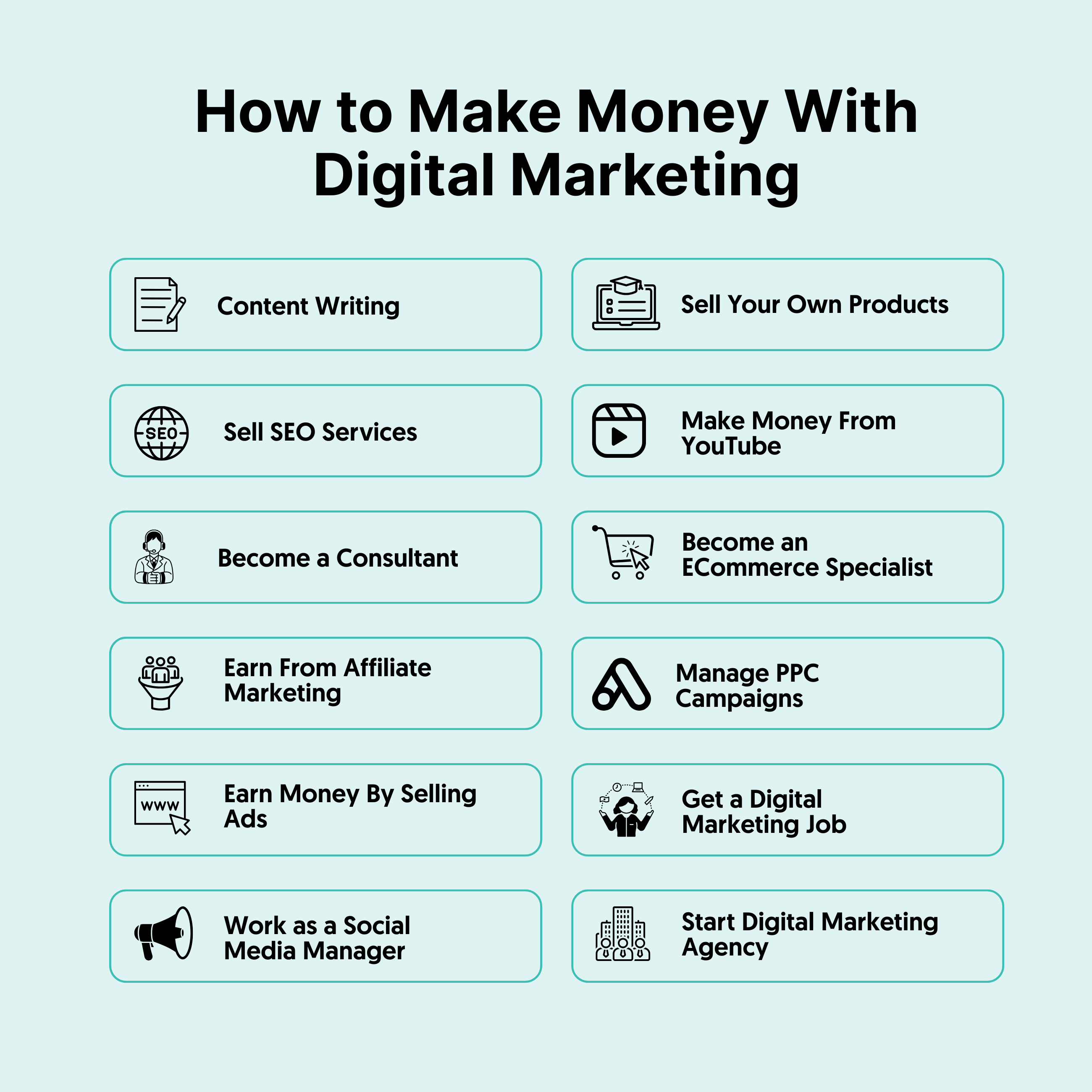
We are currently in the midst of the “Creator Economy,” where individuals monetize their knowledge and audience. Creating information products—such as online courses, e-books, or premium newsletters—is one of the most effective ways to generate passive income. Once the content is created, it can be sold indefinitely. The financial beauty of information products lies in their near-zero marginal cost of reproduction. For those seeking to make income online, the key is to identify a “pain point” that a specific audience has and provide a structured, educational solution that saves them time or money.
Leveraging E-commerce and Subscription Models
Beyond information, e-commerce remains a powerhouse for income generation. This includes models like dropshipping, print-on-demand, or developing a unique physical product. However, the most sustainable model in modern finance is the subscription-based service. Whether it is a “Box of the Month” or a Software-as-a-Service (SaaS) tool, recurring revenue is the “holy grail” of business finance. It provides predictable cash flow, which is essential for both business stability and personal financial planning.
Strategic Investment: Making Your Money Work for You
Once you have generated a surplus of income through active work or digital assets, the next phase is to deploy that capital into the financial markets. This is where wealth transitions from being something you work for to something that works for you.
Equity Markets and Dividend Growth Investing
Investing in the stock market is the most accessible way for the average person to participate in global economic growth. While many focus on capital appreciation (buying low and selling high), income-focused investors often prioritize dividend growth. By purchasing shares in companies that pay out a portion of their profits to shareholders, you create a “private pension” that grows over time. Reinvesting these dividends creates a compounding effect, where your money begins to generate its own earnings at an accelerating rate.
Real Estate and REITs
Real estate has historically been one of the most reliable ways to generate consistent monthly income. Direct ownership of rental properties offers tax advantages and the benefit of leverage (using the bank’s money to buy an asset). However, for those who prefer a more “hands-off” approach to making income, Real Estate Investment Trusts (REITs) offer an excellent alternative. REITs are companies that own, operate, or finance income-producing real estate. By buying shares in a REIT, you can earn a portion of the income produced through real estate without having to manage a physical property yourself.
Financial Management: Retaining and Reinvesting Your Earnings
Making income is only half of the equation; the other half is keeping it. Effective financial management ensures that your hard-earned revenue isn’t eroded by taxes, inflation, or lifestyle creep.
Optimizing Tax Strategies
As your income grows, your tax liability will likely become your largest expense. Understanding the tax code is essential for anyone serious about wealth creation. This involves utilizing tax-advantaged accounts (such as 401ks, IRAs, or HSAs) and understanding how different types of income (capital gains vs. ordinary income) are taxed. Professional income earners often structure their affairs through legal business entities to take advantage of corporate tax deductions and credits. The goal is not to evade taxes, but to pay the legal minimum, thereby leaving more capital available for reinvestment.
Using Financial Tools for Tracking and Growth
In the modern era, you cannot manage what you do not measure. A variety of financial tools and apps are available to help individuals track their various income streams, monitor expenses, and analyze investment performance. Utilizing a robust financial dashboard allows you to see your net worth in real-time and identify which income streams are performing best. By treating your personal finances like a business—complete with profit and loss statements—you can make data-driven decisions on where to allocate your time and money for the highest return on investment.

Conclusion: The Path to Financial Sovereignty
Making income in the 21st century is a multidimensional endeavor. It begins with the realization that your earning potential is not tied to a single employer, but to your ability to provide value to the marketplace. By combining high-value active skills with scalable digital assets and strategic market investments, you can build a financial fortress that is resilient to economic fluctuations.
The journey from a single paycheck to a diverse portfolio of income streams requires patience, continuous learning, and a disciplined approach to capital allocation. However, the reward—true financial sovereignty—is well worth the effort. In the end, the most powerful way to make income is to build a system where your wealth grows independently of your physical presence, allowing you the ultimate luxury: the freedom to choose how you spend your time.
aViewFromTheCave is a participant in the Amazon Services LLC Associates Program, an affiliate advertising program designed to provide a means for sites to earn advertising fees by advertising and linking to Amazon.com. Amazon, the Amazon logo, AmazonSupply, and the AmazonSupply logo are trademarks of Amazon.com, Inc. or its affiliates. As an Amazon Associate we earn affiliate commissions from qualifying purchases.