
Salt Lake City (SLC), Utah, has undergone a radical transformation over the last decade. Once known primarily for its proximity to world-class ski resorts and its historical landmarks, it has evolved into one of the most vibrant technology hubs in the United States. Dubbed the “Silicon Slopes,” the corridor stretching from Salt Lake City south to Provo is now a central nervous system for Software as a Service (SaaS), cloud computing, and artificial intelligence. For the visiting technologist, entrepreneur, or software engineer, the city offers a unique blend of high-growth corporate culture and a burgeoning startup ecosystem.

Navigating Salt Lake City through a technical lens requires more than a simple tourist map. It involves understanding the intersection of the city’s industrial history and its digital future. Whether you are in town for a conference at the Salt Palace Convention Center or scout out the next big investment opportunity, here is how to maximize your time in the heart of the Silicon Slopes.
Exploring the Silicon Slopes Infrastructure
The “Silicon Slopes” is not just a clever marketing term; it is a geographic and economic reality. The region’s tech identity is anchored by massive campus footprints and a highly concentrated talent pool. For anyone looking to understand the regional tech power, a deep dive into the physical and corporate infrastructure is the first step.
The SaaS Giants of Lehi and Draper
While the city center of SLC is the administrative heart, the technical muscle resides heavily in the southern suburbs of Lehi and Draper. Visiting the Adobe campus is a must for those interested in architectural innovation and corporate culture. The glass-heavy, open-concept design mirrors the transparent, collaborative nature of the modern tech workplace. Similarly, the headquarters of Qualtrics and Domo represent the pinnacle of data analytics and experience management. Observing these campuses provides insight into why Utah has become a preferred destination for California expatriates: the “work-life integration” model here is deeply embedded in the physical layout of these tech parks.
The University of Utah Research Park
Back within the city limits, the University of Utah Research Park stands as a testament to the bridge between academia and industry. This area is home to numerous biotech and software companies that spun out of university research. For those interested in the hardware side of tech, specifically medical devices and bio-engineering, a stroll through this district reveals the origins of some of the world’s most advanced prosthetic and genomic technologies. The Lassonde Entrepreneur Institute is another critical node here, serving as a prototype for how universities can foster student-led tech startups through state-of-the-art “make-spaces” and residential incubators.
Immersive Tech Experiences and Innovation Hubs
Salt Lake City offers several locations where the general public and tech professionals alike can engage with cutting-edge concepts, from digital art to early-stage venture development.
The Leonardo: Where Art Meets Technology
Located in the heart of downtown, The Leonardo is not a traditional museum. It is a contemporary “innovation lab” that explores the intersection of science, technology, and art. For a technologist, the rotating exhibits on artificial intelligence, digital privacy, and robotics provide a high-level overview of the ethical and social implications of the tools we build. The museum often hosts workshops on coding, 3D printing, and digital design, making it a hub for the city’s creative-tech community.
Co-working Culture: Kiln and The Shop
If you are working remotely or looking to rub shoulders with local founders, the co-working spaces in SLC are world-class. Kiln, located in the Gateway district, is perhaps the most iconic. It is designed with a deep understanding of “deep work” and “flow state” dynamics, featuring standing desks, recording studios, and high-speed fiber infrastructure. The Shop is another notable mention, offering a sophisticated environment that attracts fintech and venture capital professionals. Spending a day in these spaces is the fastest way to get the “pulse” of the local startup scene, as these are the primary gathering spots for the city’s “solopreneurs” and lean tech teams.
The Gateway District’s Digital Renaissance
The Gateway was once a traditional shopping mall but has been rebranded as a tech and entertainment district. It now houses several tech-adjacent companies and the Clark Planetarium. The planetarium is a hidden gem for tech enthusiasts, featuring high-definition cosmic simulations that utilize some of the most advanced rendering software available. The district also hosts frequent “Tech Night” events where local developers showcase their latest VR/AR projects.

Networking and Professional Growth in the Beehive State
The tech community in Utah is notoriously collaborative. Unlike the often-guarded nature of Silicon Valley, the SLC tech scene thrives on a “rising tide lifts all boats” philosophy. Engaging with this community is essential for anyone looking to understand the local market.
Major Tech Summits and Meetups
The Silicon Slopes Summit is the flagship event of the year, usually held at the Salt Palace. It attracts tens of thousands of attendees and world-class speakers from the C-suites of Microsoft, Google, and Apple. However, if your visit doesn’t coincide with the summit, the regional meetups are equally valuable. Organizations like Utah Geek Events and various specialized groups (such as “Python Utah” or “SLC JS”) hold regular sessions. These are often hosted at local company offices, providing a behind-the-scenes look at the development environments of companies like Podium or Lucid Software.
The Venture Capital Corridor
For those on the “Money” side of “Tech,” understanding the VC landscape is crucial. Firms like Pelion Venture Partners and Mercato Partners have been instrumental in funding the current generation of “unicorns” in the area. Many of these firms are located in the Cottonwood Heights area, nestled against the mountains. The networking events sponsored by these firms are where the real business of tech happens in Utah. Attending a “pitch day” or a tech-focused roundtable in this area offers a front-row seat to the capital flows that are currently favoring AI and cybersecurity startups in the intermountain west.
Digital Tools for the Modern SLC Tech Traveler
To navigate SLC efficiently, one must utilize the digital infrastructure that the city has embraced. The city’s commitment to becoming a “Smart City” is evident in its public transit and utility management.
Transit and Connectivity Apps
The Utah Transit Authority (UTA) offers a robust app ecosystem. The “Transit” app is essential for navigating the Trax light-rail system, which connects the airport directly to the tech hubs in the downtown core. Furthermore, SLC was an early adopter of 5G infrastructure, and the downtown area boasts some of the highest mobile data speeds in the country. For the traveling professional, this means that high-bandwidth activities—like video conferencing or pushing large repositories to GitHub—can be done virtually anywhere in the city center without latency issues.
Smart City Initiatives
Salt Lake City is currently experimenting with various IoT (Internet of Things) sensors to monitor air quality and traffic flow. For the data-inclined visitor, much of this information is available via public APIs or city dashboards. Reviewing this data offers a fascinating look at how a modern mid-sized city uses big data to solve urban challenges, such as the “inversion” weather patterns that occasionally affect the valley.
Future-Proofing the Region: The Convergence of AI and Local Industry
The next chapter for SLC is undeniably written in the language of Artificial Intelligence. While the first wave of the Silicon Slopes was defined by SaaS (think Domo and InsideSales), the second wave is about integrating AI into traditional industries like aerospace, logistics, and life sciences.
The AI Transformation
Companies in the SLC area are increasingly pivoting toward AI-first products. This is particularly visible in the fintech space, where companies are using machine learning to automate credit scoring and fraud detection. When visiting, keep an eye out for the “AI SLC” meetup groups and the various “hacker houses” that have begun to pop up in the Sugar House neighborhood. These micro-hubs are where the next generation of LLM-based (Large Language Model) applications are being developed.
The Tech-Environment Symbiosis
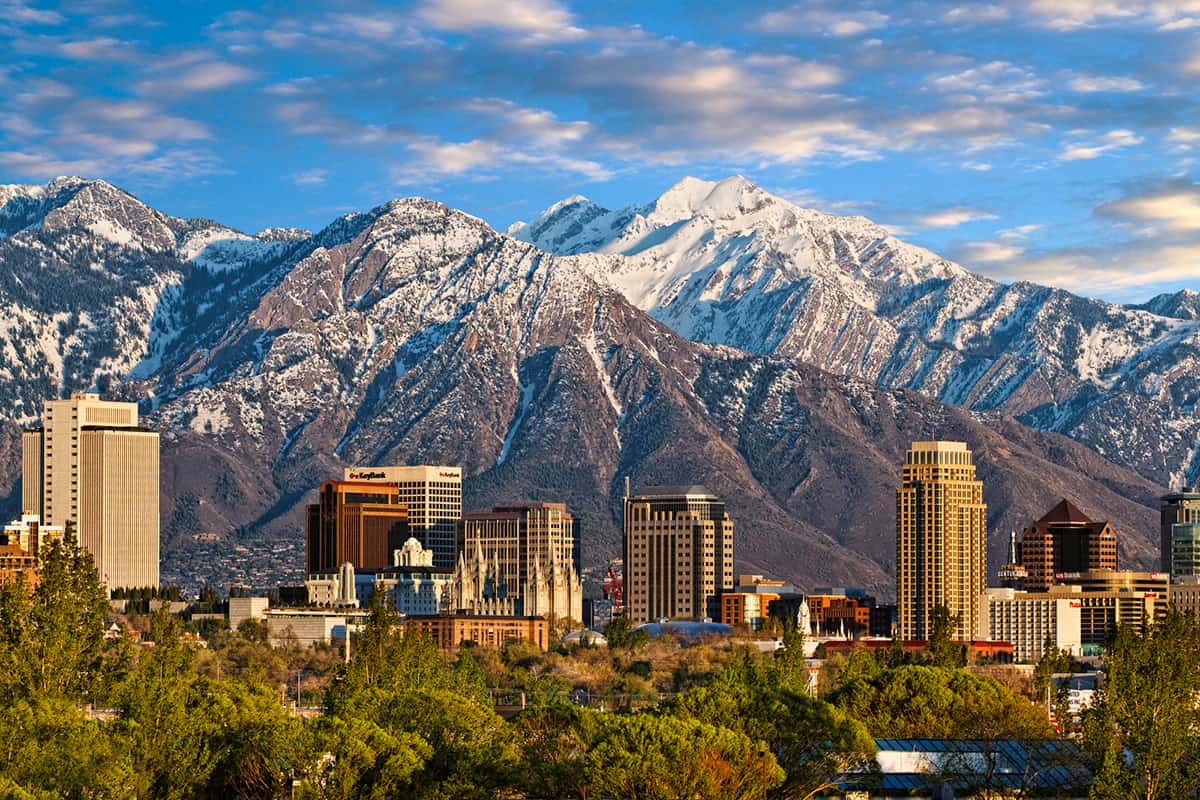
Finally, what makes “doing” tech in SLC unique is the proximity to nature. This isn’t just about recreation; it’s a competitive advantage for recruiting top-tier engineering talent. The “mountain tech” lifestyle—where one can debug a cloud architecture in the morning and be on a ski lift by 2:00 PM—is a major draw. For a tech professional visiting the area, experiencing this balance is the only way to truly understand the local industry. The high-altitude environment fosters a specific kind of resilience and long-term thinking that is reflected in the business models of Utah’s most successful firms: high efficiency, low burn rates, and a focus on sustainable growth.
In conclusion, “what to do” in SLC for a tech professional involves a mix of physical exploration of the “Slopes,” immersion in high-end co-working spaces, and active participation in a culture that prizes both digital innovation and quality of life. The city serves as a living laboratory for how the tech industry can flourish outside of the traditional coastal hubs, making it a mandatory stop for anyone interested in the future of the global technology landscape.
aViewFromTheCave is a participant in the Amazon Services LLC Associates Program, an affiliate advertising program designed to provide a means for sites to earn advertising fees by advertising and linking to Amazon.com. Amazon, the Amazon logo, AmazonSupply, and the AmazonSupply logo are trademarks of Amazon.com, Inc. or its affiliates. As an Amazon Associate we earn affiliate commissions from qualifying purchases.