
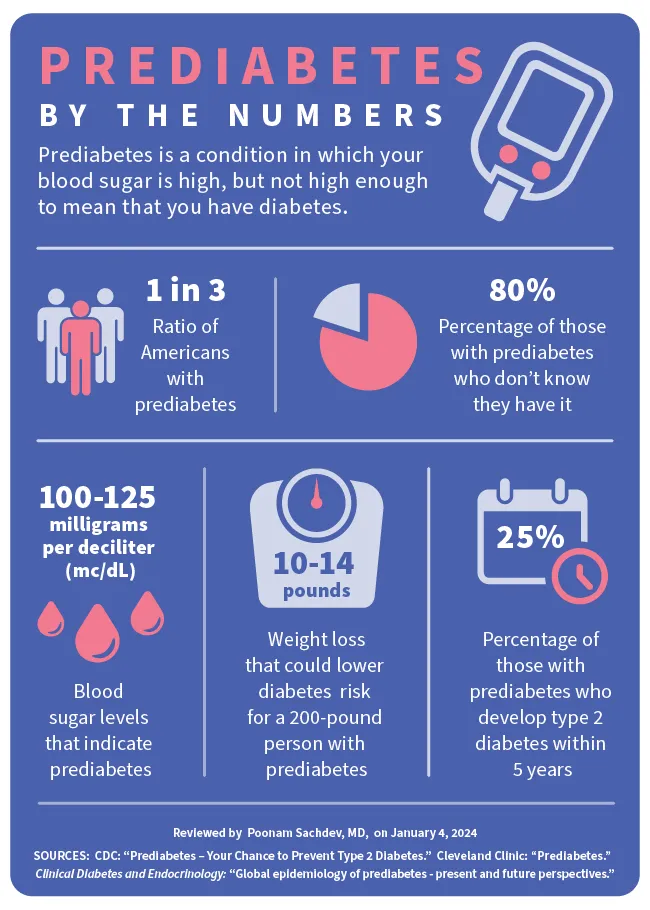
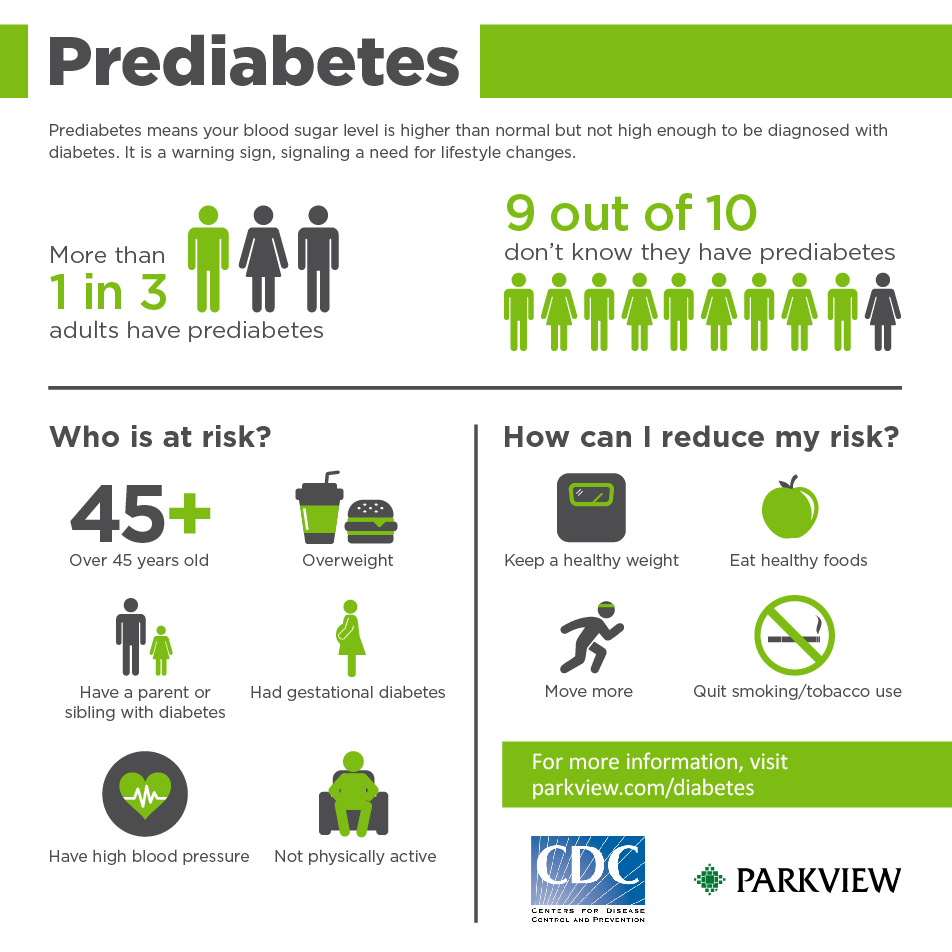
The diagnosis of prediabetes can feel like a stark warning, a signpost indicating a potential future of type 2 diabetes. However, it is crucial to understand that prediabetes is not an inevitability. It is a reversible condition, a critical opportunity to implement lifestyle changes that can significantly improve your long-term health. While traditional advice often centers on diet and exercise, in today’s interconnected world, technology offers a powerful arsenal of tools and insights to aid you on this journey. From sophisticated wearable devices to intelligent mobile applications, technology can empower you to monitor, understand, and proactively manage your prediabetes, transforming a daunting diagnosis into a manageable and even optimistic phase of your health.
Harnessing Wearable Technology for Real-Time Health Monitoring
Wearable devices have moved far beyond simple step counters. Modern smartwatches and fitness trackers are sophisticated health companions, capable of providing a wealth of data that can be invaluable for individuals managing prediabetes. By continuously collecting information about your activity levels, heart rate, and even sleep patterns, these devices offer a granular view of your daily habits and their impact on your well-being. This data, when interpreted correctly, can highlight areas for improvement and reinforce positive changes.
Activity Tracking and Goal Setting
The cornerstone of managing prediabetes is increasing physical activity. Wearable devices excel at tracking your movement, from steps taken and distance covered to calories burned and active minutes. Most devices allow you to set personalized daily or weekly activity goals, providing gentle nudges and celebratory notifications as you reach milestones. This gamified approach can make exercise feel less like a chore and more like a rewarding challenge. For someone with prediabetes, this consistent tracking can:
- Quantify Progress: Seeing your daily step count or active minutes consistently increase provides tangible evidence of your efforts. This visual reinforcement can be highly motivating.
- Identify Patterns: By analyzing your activity data over time, you can identify periods of low activity and proactively plan for more movement. For example, you might notice you are less active on certain days of the week and can then schedule specific exercise sessions.
- Set Realistic Goals: Wearables help you understand your current baseline and set achievable goals. Starting with a goal of 5,000 steps and gradually increasing to 10,000, for instance, is more sustainable than aiming for an overly ambitious target from the outset.
- Encourage Consistency: The constant presence of a wearable on your wrist serves as a perpetual reminder to stay active. This subtle cue can be enough to encourage a short walk during a break or a more vigorous workout after work.
Sleep Monitoring and Its Metabolic Implications
The link between sleep quality and metabolic health is increasingly recognized. Poor sleep can disrupt hormone regulation, leading to increased appetite, insulin resistance, and weight gain – all factors that can exacerbate prediabetes. Many advanced wearables now offer sleep tracking capabilities, monitoring not just the duration of your sleep but also its different stages (light, deep, REM) and disruptions.
- Understanding Sleep Quality: By analyzing your sleep data, you can identify patterns of restless sleep, frequent awakenings, or insufficient deep sleep. This insight can prompt you to explore potential causes, such as stress, an inconsistent sleep schedule, or environmental factors.
- Correlation with Blood Sugar: While direct correlation requires professional interpretation, some users can observe potential links between consistently poor sleep and higher fasting blood sugar readings (if they also monitor these). This can be a powerful motivator to prioritize sleep hygiene.
- Improving Sleep Hygiene: Armed with data, you can make informed changes to your sleep environment and habits. This might include establishing a consistent bedtime and wake-up time, avoiding screens before bed, or ensuring your bedroom is dark and quiet.
- Stress Management Feedback: Some wearables also incorporate stress monitoring through heart rate variability (HRV). Poor sleep often correlates with higher stress levels, and understanding this link can encourage you to incorporate stress-reducing activities into your daily routine, which indirectly benefits metabolic health.
Smart Nutrition and Glucose Monitoring Apps: Taking Control of Your Diet
Nutrition plays a pivotal role in managing prediabetes. Making informed food choices and understanding how different foods affect your body is essential. Fortunately, a plethora of mobile applications and smart devices are available to guide you through this complex landscape, offering personalized insights and making healthy eating more accessible.
Food Logging and Nutritional Analysis
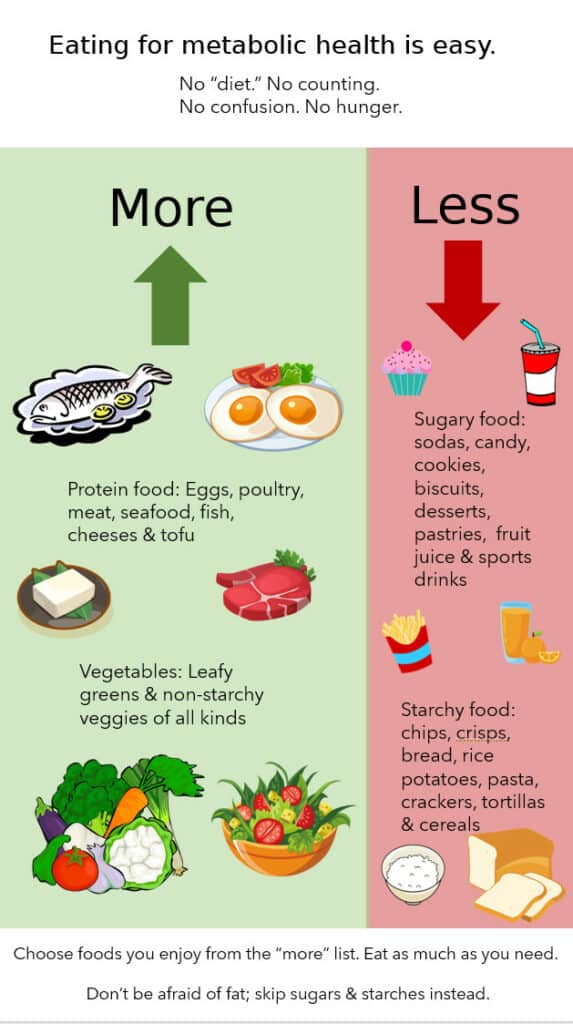
The simple act of logging everything you eat can be incredibly illuminating. Nutrition tracking apps allow you to record your meals and snacks, often with extensive databases of food items and their nutritional content. This meticulous approach provides a clear picture of your macronutrient (carbohydrates, protein, fat) and micronutrient intake, as well as your overall calorie consumption.
- Identifying High-Sugar/High-Carb Intake: By diligently logging your food, you can quickly identify foods or meal patterns that are disproportionately high in added sugars or refined carbohydrates, which are key culprits in blood sugar spikes.
- Portion Control Awareness: Many apps allow you to specify portion sizes, helping you develop a better understanding of appropriate servings and prevent overconsumption.
- Understanding Nutritional Balance: Beyond just calories, these apps can help you ensure you’re getting a balanced intake of essential nutrients, fiber, and protein, which are crucial for satiety and blood sugar management.
- Personalized Recommendations: Some advanced apps can offer personalized feedback based on your logged data, suggesting healthier alternatives or highlighting areas where your diet could be improved to better support your prediabetes management goals.
Continuous Glucose Monitoring (CGM) and Smart Glucose Meters
For those seeking a more precise understanding of their body’s response to food and lifestyle, Continuous Glucose Monitoring (CGM) systems and advanced smart glucose meters offer unparalleled insights. While traditionally for individuals with diabetes, the increasing accessibility and user-friendliness of some CGM systems are making them valuable tools for those with prediabetes, especially under the guidance of a healthcare professional.
- Real-Time Blood Sugar Trends: CGMs provide a constant stream of glucose readings, showing not just a single snapshot but the direction and speed at which your blood sugar is changing. This allows you to see how meals, exercise, and even stress impact your glucose levels in real-time.
- Identifying Post-Meal Spikes: A key benefit for prediabetics is the ability to identify specific foods or meals that cause significant glucose spikes, even if you don’t feel immediate symptoms. This data is crucial for making targeted dietary adjustments.
- Understanding Glycemic Variability: CGMs help visualize glycemic variability – the ups and downs of blood sugar throughout the day. Reducing this variability is a primary goal in prediabetes management, promoting more stable energy levels and reducing long-term complications.
- Smart Glucose Meters: For those not using CGMs, smart glucose meters can connect to your smartphone, automatically logging readings and often integrating with other health apps. This simplifies data tracking and allows for easier sharing of information with your doctor.
- Personalized Insights and Alerts: Many apps associated with CGMs and smart meters can provide personalized insights and alerts, notifying you of high or low glucose trends, helping you take preventative action.
Digital Health Platforms and Telehealth: Bridging the Gap in Care
The digital revolution has transformed healthcare delivery, making it more accessible, convenient, and personalized. For individuals managing prediabetes, digital health platforms and telehealth services offer invaluable resources for ongoing support, education, and professional guidance, especially when in-person appointments may be challenging.
Online Health Portals and Educational Resources
Many healthcare providers and organizations offer online patient portals that provide access to medical records, appointment scheduling, and secure messaging with your doctor. Beyond these administrative functions, many platforms also host a wealth of educational content tailored to managing chronic conditions like prediabetes.
- Access to Reliable Information: These portals can be a trusted source for articles, videos, and guides on healthy eating, exercise, and stress management specific to prediabetes, helping to debunk myths and provide evidence-based advice.
- Personalized Health Dashboards: Some platforms allow you to track key health metrics over time, integrating data from wearables and manual inputs. This centralized view can provide a comprehensive overview of your progress and areas needing attention.
- Secure Communication with Providers: The ability to securely message your doctor or a healthcare team member with questions or concerns can be incredibly reassuring and help you stay on track with your management plan.
Telehealth Consultations and Remote Monitoring
Telehealth has emerged as a powerful tool for extending the reach of healthcare professionals. For individuals with prediabetes, virtual consultations can provide convenient access to doctors, registered dietitians, and health coaches without the need for travel.
- Convenient Access to Specialists: You can schedule virtual appointments with specialists who can review your data (from wearables, apps, or home monitoring devices) and provide tailored advice, medication management (if necessary), and behavioral support.
- Remote Coaching and Support: Many telehealth services offer remote coaching programs, where you can connect with health coaches who provide ongoing motivation, accountability, and practical strategies for implementing lifestyle changes. This can be particularly beneficial for developing sustainable habits.
- Ongoing Health Monitoring: In some cases, telehealth platforms can facilitate remote monitoring of your progress, allowing healthcare providers to track your key metrics and intervene early if any concerning trends emerge. This proactive approach can prevent complications and ensure your management plan remains effective.
- Reduced Barriers to Care: Telehealth can significantly reduce barriers to care, especially for those in rural areas, with mobility issues, or with busy schedules. This increased accessibility ensures that managing prediabetes doesn’t become a logistical hurdle.
By embracing the technological tools available today, individuals diagnosed with prediabetes can transform their health trajectory. Wearable devices offer real-time insights into activity and sleep, smart nutrition apps provide granular control over dietary intake, and digital health platforms connect you with essential educational resources and professional support. The key is to view technology not as a replacement for fundamental lifestyle changes, but as a powerful ally in making those changes more informed, consistent, and ultimately, successful. Taking proactive steps now, empowered by these innovative solutions, can pave the way for a healthier and brighter future, effectively reversing the course from prediabetes to sustained well-being.
aViewFromTheCave is a participant in the Amazon Services LLC Associates Program, an affiliate advertising program designed to provide a means for sites to earn advertising fees by advertising and linking to Amazon.com. Amazon, the Amazon logo, AmazonSupply, and the AmazonSupply logo are trademarks of Amazon.com, Inc. or its affiliates. As an Amazon Associate we earn affiliate commissions from qualifying purchases.