
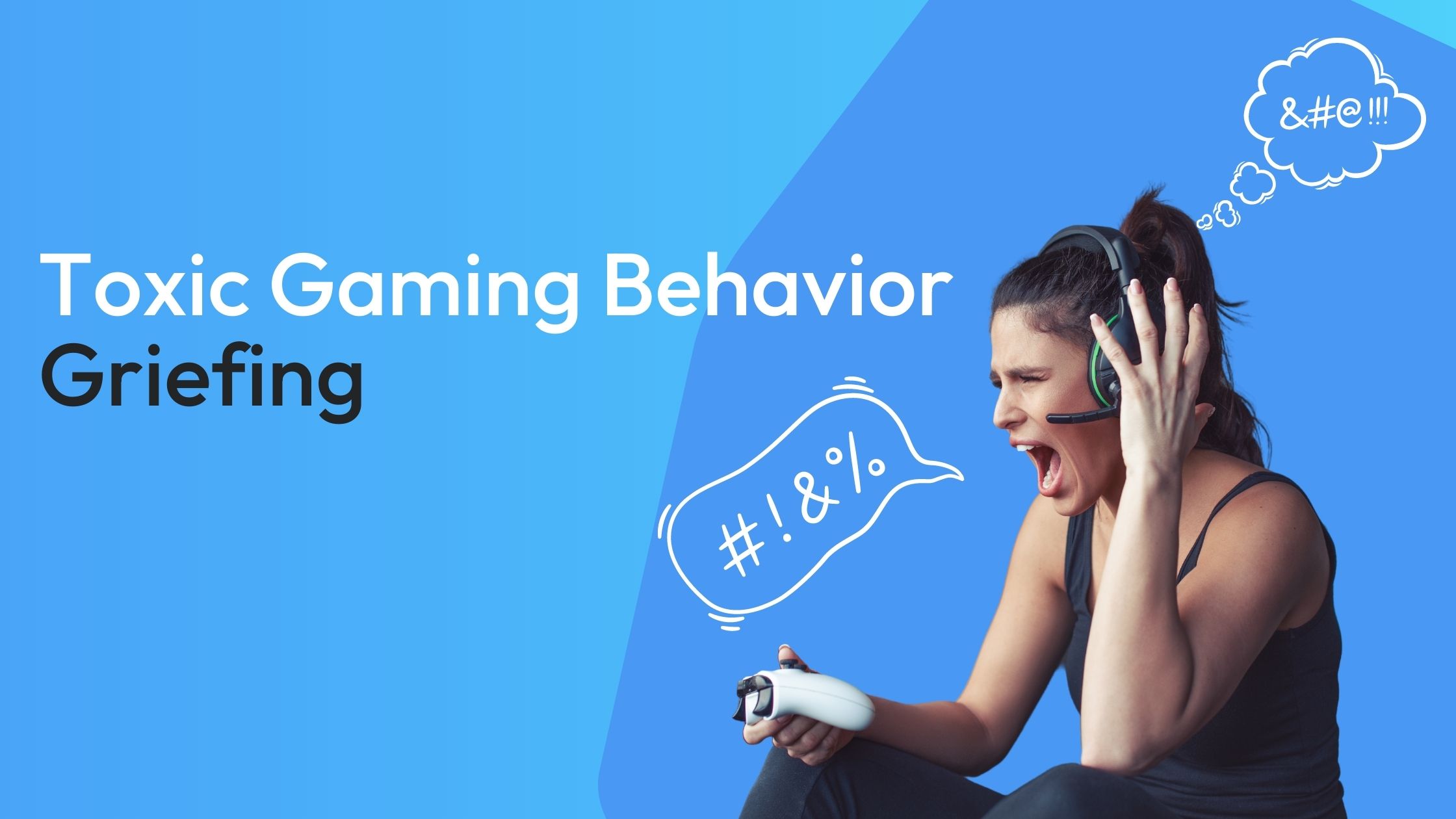
Griefing, a term that echoes through the digital corridors of online multiplayer games, often sparks heated debate and player frustration. At its core, griefing refers to the act of intentionally disrupting or annoying other players within a game environment, not for any in-game advantage or strategic purpose, but purely for the satisfaction of causing distress or amusement to others. While often perceived as a purely negative phenomenon, understanding griefing requires a deeper dive into its motivations, manifestations, and the complex technological and social ecosystems within which it thrives. This exploration will primarily focus on the Tech niche, examining how game design, player behavior, and technological solutions intersect with the phenomenon of griefing.
The Technological Landscape of Griefing
Griefing is intrinsically linked to the technological architecture of online games. The very features that enable massive multiplayer interactions and emergent player-driven narratives also create fertile ground for disruptive behavior. Understanding these technical underpinnings is crucial to grasping the “how” and “why” of griefing.
Multiplayer Architecture and Emergent Behavior
Online games, by their nature, are complex systems built upon intricate network infrastructure and server-client interactions. This architecture allows for concurrent play by thousands, or even millions, of individuals. This scale, while fostering community and competition, also amplifies the potential for isolated incidents of griefing to affect a wider audience.
The “Open World” Effect
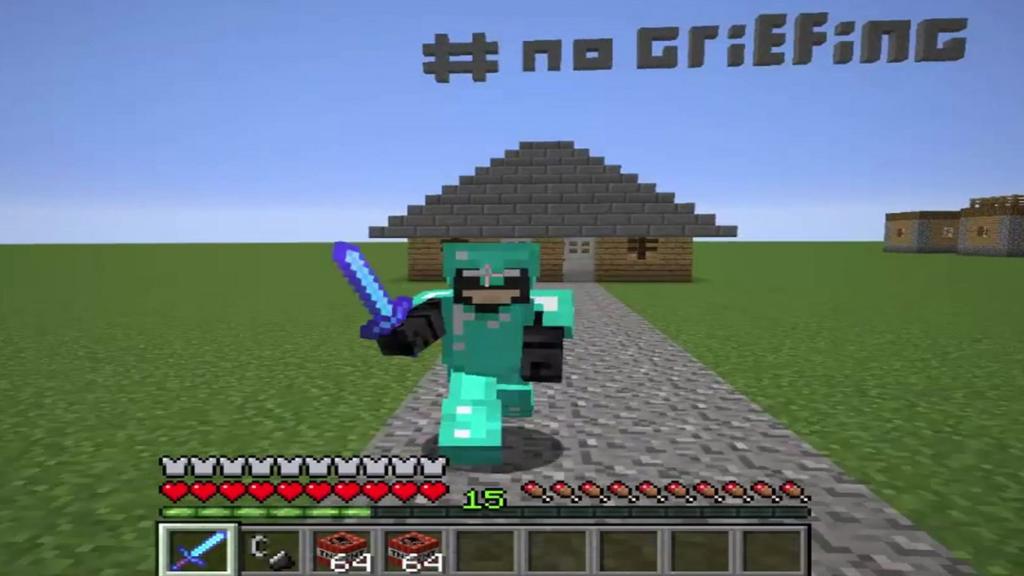
Many popular online games feature open-world environments where player freedom is paramount. This freedom, while a significant draw, can be exploited. For example, in a sandbox game where players can build structures, a griefer might systematically destroy or obstruct the creations of others, not to gain resources or territory, but simply to demolish what another player has painstakingly built. This is possible due to the game’s underlying code allowing for player-driven object manipulation and interaction. The technology enables the act, and player intent dictates its categorization as griefing.
Player Interaction Protocols
The communication protocols within games – whether through text chat, voice chat, or in-game emotes – are also technological conduits for griefing. Players can use these channels to harass, insult, or spread misinformation to other players, creating a hostile environment. The underlying netcode and chat systems, designed for communication, become tools for psychological disruption. Similarly, mechanics designed for cooperative play, such as trading systems or shared resource nodes, can be abused. A player might agree to trade a valuable item, only to steal it at the last moment, or monopolize a crucial resource node, preventing others from progressing. This exploitation relies on the game’s programmed interaction logic.
Player Agency and Game Design Choices
The level of player agency afforded by a game’s design is a significant factor in the prevalence and form of griefing. Games with high player agency, where players have significant control over their actions and their impact on the game world, often present more opportunities for creative griefing. For instance, games that allow players to summon powerful entities or trigger large-scale environmental events can be used by griefers to overwhelm and disrupt other players’ experiences. The game’s engine and scripting capabilities, which empower player expression, can inadvertently facilitate destructive or annoying behaviors.
Technical Implementations of Griefing Tactics
Griefing isn’t always a simple act of destruction; it can be a sophisticated manipulation of game mechanics, often enabled by specific technological features.
Exploiting Game Mechanics and Bugs
Some griefers delve into the technical intricacies of a game, seeking out and exploiting glitches or unintended mechanics. This might involve using a specific sequence of actions to duplicate items, achieve invincibility, or bypass game rules in ways that negatively impact others. These exploits are often discovered through trial and error or by dissecting the game’s code, highlighting the interplay between player ingenuity and technical vulnerabilities. The developers’ implementation of game logic, if not perfectly robust, can become a playground for griefers.
Automation and Botting
The use of bots or automated scripts is a common, and often highly disruptive, form of griefing. These programs can be designed to perform repetitive actions, such as endlessly attacking other players in a PvP zone, spamming chat with offensive messages, or farming resources at an impossible rate to crash in-game economies. The technology behind botting – scripting languages, macro recorders, and network proxies – enables griefers to act with a degree of impunity and scale that would be impossible for a single human player. This directly leverages programming and network technology for disruptive ends.
Player Reporting and Moderation Systems
In response to griefing, game developers implement technological solutions such as player reporting systems and automated moderation tools. Player reports, when submitted, provide valuable data that developers can use to identify patterns of disruptive behavior. AI-powered systems can then analyze these reports, chat logs, and player actions to detect and penalize griefers. The effectiveness of these systems is a constant technological arms race, with griefers developing new methods to evade detection and developers continuously refining their algorithms and moderation protocols. This represents a direct technological countermeasure to griefing.
The Psychological and Social Dimensions Enabled by Technology
While griefing is executed through technological means, its roots and motivations are deeply psychological and social. The online gaming environment, facilitated by technology, creates unique conditions for these behaviors to emerge and flourish.
The Anonymity and Disinhibition Effect
Online platforms, including gaming environments, often offer a degree of anonymity. This anonymity can lower social inhibitions, leading individuals to behave in ways they wouldn’t in face-to-face interactions. The psychological principle of the “online disinhibition effect” suggests that people are more likely to engage in antisocial behaviors, such as griefing, when they feel less accountable for their actions due to the perceived separation from real-world consequences. The technology’s facilitation of anonymous or pseudonymous identities is a key enabler here.
Empathy Deprivation
The lack of direct visual or auditory cues for another player’s emotional state in many online games can lead to a deprivation of empathy. Without seeing a player’s reaction or hearing their voice, it becomes easier for a griefer to disregard the impact of their actions. This technological barrier to empathic connection allows for a detached and often cruel form of play. The game’s interface, by abstracting players into avatars and usernames, contributes to this phenomenon.
The Appeal of Disruption and “Trolling”
For some individuals, the act of disrupting others’ fun is itself a source of entertainment or a perceived form of social currency within certain online subcultures. This behavior, often termed “trolling,” thrives in environments where there are no immediate social repercussions. The thrill of provoking a strong emotional reaction, be it anger, frustration, or despair, from other players can be a powerful motivator. This psychology is amplified by the ability of technology to broadcast these disruptive acts to a wide audience, whether through live streams, screenshots, or video clips.
Community Dynamics and the Normalization of Griefing

The social structures that emerge within online games can, unfortunately, sometimes normalize or even encourage griefing. In certain communities, griefing might be seen as a rite of passage, a sign of skill or cleverness, or a way to assert dominance.
“Griefing” as a Playstyle
In some game genres, particularly those with adversarial elements, what might be considered griefing in one context can be perceived as an aggressive but legitimate playstyle in another. For example, in competitive PvP games, hindering an opponent’s progress or employing “unfair” tactics is part of the meta. The line between skillful play and griefing can become blurred, and technological features like matchmaking systems and ranking ladders can exacerbate this, as players feel pressure to win by any means necessary, sometimes crossing into griefing territory.
The “Griefers’ Guilds” and Subcultures
Online communities can foster subcultures where griefing is celebrated. These groups may actively coordinate griefing efforts, sharing tactics and providing mutual support. The technology of online forums, private chat channels, and dedicated Discord servers facilitates the organization and perpetuation of these griefing subcultures. These digital spaces become echo chambers where antisocial behavior is reinforced and validated.
Technological Countermeasures and the Future of Griefing Mitigation
Game developers and platform providers are constantly investing in technological solutions to combat griefing and foster healthier online environments. The ongoing battle against griefing is a testament to the evolving nature of both online threats and technological defenses.
Game Design as a Preventive Measure
The most effective way to combat griefing is often through proactive game design. Developers can implement mechanics that inherently disincentivize or prevent griefing.
Safe Zones and Non-Combat Areas
Many games implement designated “safe zones” or non-combat areas where player-vs-player (PvP) combat is disabled. This technology ensures that players can engage in peaceful activities like trading, crafting, or socializing without fear of harassment. The underlying code that segregates these zones from combat-enabled areas is a fundamental technological safeguard.
Reputation Systems and Player Tracking
Robust reputation systems, coupled with detailed player tracking, can help identify and penalize repeat offenders. Technologies that log player actions and report them to moderation systems allow for swift action against persistent griefers. This includes temporary bans, permanent account suspensions, or even hardware-level bans to prevent a player from returning.
Procedural Generation and Dynamic Worlds
Some newer game technologies, such as procedural content generation and dynamic world systems, can make it harder for griefers to have a lasting impact. If the game world can regenerate or if player actions have limited long-term consequences on the broader environment, the ability of a single griefer to cause widespread and permanent disruption is diminished.
AI and Machine Learning in Griefing Detection
The application of Artificial Intelligence (AI) and Machine Learning (ML) is becoming increasingly sophisticated in identifying and mitigating griefing.
Behavioral Analysis
AI algorithms can analyze vast amounts of player data – chat logs, movement patterns, combat actions, and interaction histories – to detect anomalies and predict potential griefing behavior. For instance, an AI might flag a player who consistently attacks low-level or non-hostile players, or who repeatedly uses offensive language in chat. This is a technological leap from simple keyword filters.
Predictive Modeling
Machine learning models can be trained on datasets of known griefing incidents to identify patterns that precede such behavior. This allows developers to intervene proactively, perhaps by temporarily limiting a player’s abilities or issuing a warning before significant damage is done. The computational power and analytical capabilities of AI are crucial for sifting through the sheer volume of player data.
Automated Moderation and Enforcement
AI-powered systems can automate many aspects of moderation, from issuing warnings to temporarily suspending accounts. This allows human moderators to focus on more complex cases and ensures a faster response time to griefing incidents. The ability of AI to process and act on data in near real-time is a significant technological advancement in combating disruptive behavior.
Community Moderation and Player Empowerment
Beyond developer-implemented solutions, fostering a positive community through technology is also vital.
Community Tools and Reporting
Platforms that empower communities to self-regulate, such as robust in-game reporting tools, community forums, and moderator roles, can be highly effective. When players feel empowered to contribute to a healthier environment, they become a valuable asset in combating griefing. The technology that enables these community functions, like easy-to-use report interfaces and tiered moderation permissions, is essential.
Transparency and Communication
Open communication from developers about their anti-griefing policies and the actions they are taking can build trust and encourage player cooperation. Transparency about the challenges and the ongoing efforts to improve the player experience helps to mitigate frustration and fosters a sense of shared responsibility. This is often facilitated through developer blogs, patch notes, and community Q&A sessions, all of which are enabled by digital communication technologies.
In conclusion, griefing in gaming is a multifaceted phenomenon rooted in human psychology and amplified by the technological architecture of online games. While the act itself is about causing intentional distress, understanding its mechanics, motivations, and mitigation requires a deep appreciation of the technological systems at play. From the fundamental design of multiplayer environments to the sophisticated application of AI in detection, technology is both a enabler and a crucial part of the solution in the ongoing effort to create more enjoyable and respectful gaming experiences for all.
aViewFromTheCave is a participant in the Amazon Services LLC Associates Program, an affiliate advertising program designed to provide a means for sites to earn advertising fees by advertising and linking to Amazon.com. Amazon, the Amazon logo, AmazonSupply, and the AmazonSupply logo are trademarks of Amazon.com, Inc. or its affiliates. As an Amazon Associate we earn affiliate commissions from qualifying purchases.