
Pilot deviation is a term that frequently surfaces within the aviation industry, often carrying significant weight and potential repercussions for pilots and the broader air traffic system. While it might sound like a simple navigational error, its implications extend far beyond a minor misstep. Understanding pilot deviation is crucial for anyone involved in aviation, from aspiring pilots to seasoned professionals and even those with a keen interest in flight operations. This concept sits at the intersection of pilot responsibility, air traffic control (ATC) procedures, and the unwavering commitment to safety that underpins all aviation activities.
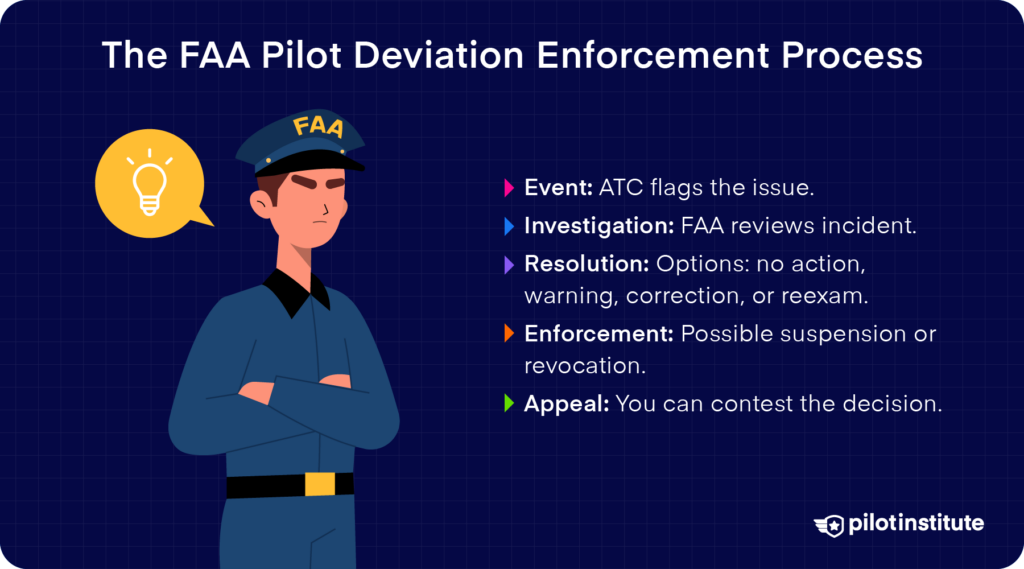
Essentially, pilot deviation occurs when a pilot fails to adhere to an ATC instruction, a clearance, or a regulation governing flight operations. This deviation can be intentional or unintentional, but regardless of the cause, it necessitates careful scrutiny and often leads to investigations and corrective actions. The goal of ATC is to maintain safe and orderly flow of air traffic, and this is achieved through a clear communication and compliance framework. Pilot deviation disrupts this framework, creating potential conflicts and hazards that ATC must then work to mitigate.
The complexity of air traffic management means that even seemingly small deviations can have cascading effects. Aircraft are precisely choreographed within the airspace to maintain safe separation distances, both vertically and horizontally. When a pilot deviates from their assigned altitude, heading, or speed, they can inadvertently enter the airspace of another aircraft, compromise established safety margins, or disrupt the carefully planned arrival or departure sequences of multiple flights. This is why ATC’s instructions are not merely suggestions but critical directives designed to ensure the safety of all airborne operations.
The Pillars of Air Traffic Control and Pilot Responsibility
The intricate dance of aviation safety is built upon a foundation of clearly defined roles and responsibilities. At its core, air traffic control operates as the conductor of an aerial orchestra, orchestrating the movement of aircraft to prevent collisions and ensure an efficient flow of traffic. This system relies heavily on precise communication and unwavering compliance from all participants, with pilots being the frontline implementers of ATC directives.
The Mandate of Air Traffic Control
Air Traffic Control (ATC) is a complex, globally standardized system designed to manage the movement of aircraft from the ground up. Its primary objectives are to:
- Prevent Collisions: This is the paramount function of ATC. By maintaining safe separation between aircraft, ATC ensures that no two aircraft come into dangerous proximity. This separation can be vertical (altitude), horizontal (distance), or lateral (heading).
- Organize and Expedite the Flow of Air Traffic: ATC aims to keep air traffic moving smoothly and efficiently, minimizing delays and optimizing the use of airspace and airport resources.
- Provide Information and Support to Pilots: ATC provides vital information such as weather advisories, traffic advisories, and navigational assistance to pilots.
To achieve these objectives, ATC utilizes a sophisticated network of radar, communication systems, and highly trained controllers. Controllers issue clearances and instructions to pilots regarding their altitude, heading, speed, and route. These instructions are based on the current traffic situation, weather conditions, and the overall flow of air traffic.
The Pilot’s Contract of Compliance
Pilots, as the operators of aircraft, hold a profound responsibility to comply with all ATC instructions and clearances. This commitment is not merely a matter of adherence to rules; it is an integral part of ensuring the safety of their passengers, crew, and other aircraft. When a pilot accepts a clearance from ATC, they are entering into a contractual agreement to follow that clearance precisely.
The pilot’s responsibilities in this context include:
- Understanding and Acknowledging Clearances: Pilots must listen to, understand, and correctly read back all ATC instructions and clearances to confirm comprehension. Misunderstanding a clearance is a significant risk factor.
- Executing Instructions as Given: Once a clearance is accepted, pilots are expected to execute it without deviation unless a subsequent instruction is received from ATC or an emergency situation arises.
- Maintaining Situational Awareness: Pilots must constantly be aware of their aircraft’s position, altitude, speed, and the surrounding airspace, comparing it against the ATC clearance.
- Reporting Deviations: If a pilot is unable to comply with an instruction or inadvertently deviates, they are obligated to immediately inform ATC.
The symbiotic relationship between ATC and pilots is one of mutual reliance. ATC provides the guidance and oversight, while pilots execute the maneuvers, creating a robust safety net for aviation. Any breakdown in this communication or compliance chain can have serious consequences.
Types and Causes of Pilot Deviation
Pilot deviations are not monolithic. They can manifest in various forms, each with its own set of contributing factors. Understanding these different types and the underlying causes is essential for developing effective prevention strategies and for addressing instances when they do occur. These deviations can range from minor excursions to significant violations of airspace and altitude restrictions.

Categories of Deviation
Pilot deviations can be broadly categorized based on the nature of the infraction:
- Altitude Deviation: This is perhaps the most common type of deviation. It occurs when an aircraft is not at the assigned altitude by ATC. This could be climbing or descending too rapidly, not reaching the assigned altitude, or inadvertently descending below a minimum safe altitude.
- Lateral Deviation: This involves straying from the assigned track or heading. Aircraft might deviate laterally due to misinterpretation of headings, navigation errors, or attempting to avoid weather or other traffic without prior ATC clearance.
- Speed Deviation: While less frequent as a primary deviation, pilots may inadvertently exceed or fall below assigned speed restrictions, which can impact the carefully managed flow of traffic, especially near airports.
- Airspace Incursions: This is a critical form of deviation where an aircraft enters controlled airspace without the required clearance or authorization from ATC. This is particularly dangerous near airports and in busy air traffic corridors.
- Instructional Non-Compliance: This is a broader category encompassing any failure to follow a specific ATC instruction, which could be related to frequency changes, holding patterns, or specific procedures.
Underlying Causes of Deviation
The reasons behind a pilot deviation are multifaceted and can stem from a combination of human factors, environmental conditions, and system issues:
- Human Factors: This is a significant contributor. It includes:
- Misinterpretation of Clearances: Ambiguous instructions, language barriers, or a momentary lapse in attention can lead to a pilot misunderstanding what they are being asked to do.
- Memory Lapses: Particularly in complex environments or during high workload periods, pilots may forget a specific clearance or instruction.
- Workload Management: High-stress situations, multiple competing tasks, or distractions can overload a pilot’s cognitive capacity, leading to errors in execution or adherence.
- Complacency: Over time, pilots can become accustomed to routine operations, leading to a reduced vigilance and a greater likelihood of overlooking critical details.
- Fatigue: Pilot fatigue is a well-documented factor that impairs judgment, decision-making, and reaction times.
- Environmental Factors:
- Weather: Unexpected or severe weather can force pilots to make deviations from their planned course or altitude to ensure safety, sometimes without adequate communication with ATC.
- Turbulence: Severe turbulence can make it difficult for pilots to maintain precise altitude or heading.
- Systemic and Equipment Issues:
- Navigation System Errors: While rare, malfunctions in aircraft navigation systems can lead to deviations from intended paths.
- Communication Breakdowns: Static on radios, incorrect frequency tuning, or poor phraseology can lead to misunderstandings between pilots and ATC.
- ATC System Issues: Although less common, temporary glitches or limitations within the ATC system itself can, in rare instances, contribute to situations where pilot deviations become unavoidable or are not immediately detected.
It’s important to note that many deviations are unintentional and often the result of a complex interplay of these factors. The aviation industry places a strong emphasis on identifying the root causes of such incidents to implement measures that prevent recurrence.
The Consequences and Reporting of Pilot Deviation
When a pilot deviates from an ATC instruction or clearance, it triggers a cascade of events that prioritize safety and accountability. The immediate focus is on restoring safe operations, followed by a thorough investigation to understand the circumstances and prevent future occurrences. The consequences can range from administrative actions to more severe repercussions, underscoring the critical importance of adherence to ATC directives.
Immediate Actions and Safety Mitigation
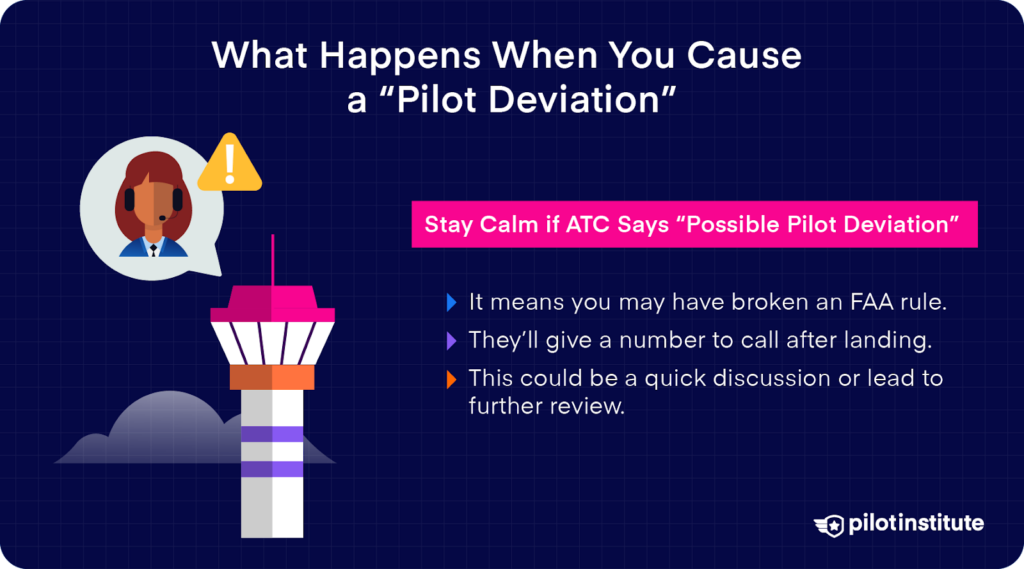
The moment a pilot deviation is detected, the priority for Air Traffic Control is to ensure the safety of the airspace. This involves:
- Issuing Corrective Instructions: ATC controllers are trained to identify deviations and immediately issue instructions to the pilot to correct their course, altitude, or speed. This might involve instructing the pilot to turn, climb, descend, or slow down.
- Traffic Advisories: If the deviation creates a potential conflict with other aircraft, ATC will issue traffic advisories to the affected aircraft, alerting them to the presence and relative position of the deviating aircraft.
- Radar Monitoring: Controllers will closely monitor the deviating aircraft on radar to ensure their corrective actions are effective and that separation from other traffic is re-established.
- Coordination with Other Facilities: In some cases, if the deviation extends beyond the controller’s immediate sector, coordination with adjacent ATC facilities might be necessary to manage the situation.
The goal of these immediate actions is to de-escalate any potential hazard and restore the aircraft to its cleared trajectory or a safe operational status.
Investigation and Reporting Procedures
Once the immediate safety concerns are managed, pilot deviations are typically subject to formal investigation and reporting. This process is crucial for learning from incidents and improving overall aviation safety.
- Internal Reporting: Pilots are generally required to report any deviation from ATC instructions or procedures to their airline or flight department. Many aviation organizations have robust internal safety reporting systems designed to encourage voluntary reporting of errors and near misses without fear of punitive action, allowing for a focus on learning and systemic improvements.
- ATC Reporting: Air traffic controllers are also responsible for documenting and reporting pilot deviations they observe. These reports are critical for the aviation authorities.
- Aviation Authority Investigation: Depending on the severity and nature of the deviation, it may be investigated by the relevant national aviation authority (e.g., the Federal Aviation Administration (FAA) in the United States, or the European Union Aviation Safety Agency (EASA) in Europe). These investigations aim to determine the root cause of the deviation, whether it was intentional or unintentional, and whether any regulations were violated.
- Consequences and Corrective Actions: The outcome of an investigation can lead to various consequences for the pilot, including:
- Educational Counseling: For minor, unintentional deviations, a pilot might receive counseling on procedures and regulations.
- Warning Letters: A formal warning can be issued, placing the incident on the pilot’s record.
- Re-training: Pilots may be required to undergo additional training or simulator sessions to address specific deficiencies.
- Suspension or Revocation of Licenses: For severe or repeated violations, pilots can face temporary suspension or permanent revocation of their flying licenses.
- Fines: Financial penalties may be imposed.
The reporting and investigation process is not primarily punitive but rather a vital component of the aviation industry’s “safety culture.” The aim is to identify systemic issues, refine training programs, improve communication protocols, and ultimately enhance the safety of the entire air traffic system for everyone. The lessons learned from each pilot deviation, no matter how minor, contribute to a safer sky for all.
aViewFromTheCave is a participant in the Amazon Services LLC Associates Program, an affiliate advertising program designed to provide a means for sites to earn advertising fees by advertising and linking to Amazon.com. Amazon, the Amazon logo, AmazonSupply, and the AmazonSupply logo are trademarks of Amazon.com, Inc. or its affiliates. As an Amazon Associate we earn affiliate commissions from qualifying purchases.