
The question “What time do the markets open?” might seem straightforward, but its answer is anything but simple. For anyone engaged in personal finance, investing, or even just curious about the gears of global commerce, understanding market opening and closing times is fundamental. It’s not merely about knowing when you can place an order; it’s about comprehending the rhythm of global capital, the dynamics of liquidity, the impact of international events, and the strategic windows of opportunity or risk. From the bustling floors of stock exchanges to the 24/5 nature of forex and the always-on cryptocurrency realm, market hours are diverse, complex, and crucially important for informed decision-making. This article will delve into the intricacies of various market timings, offering a professional, insightful, and engaging guide to navigating the global financial clock.
The Core of Trading: Understanding Stock Market Hours
For most individual investors, the “market” primarily refers to stock exchanges. These are highly structured environments with defined operating hours, influenced by geographical location, local holidays, and regulatory frameworks. Understanding these times is critical for anyone looking to trade equities.
Major U.S. Stock Exchanges: NYSE and Nasdaq
The two most prominent stock exchanges in the United States are the New York Stock Exchange (NYSE) and the Nasdaq Stock Market. Both adhere to broadly similar trading hours, which serve as a benchmark for many global investors.
-
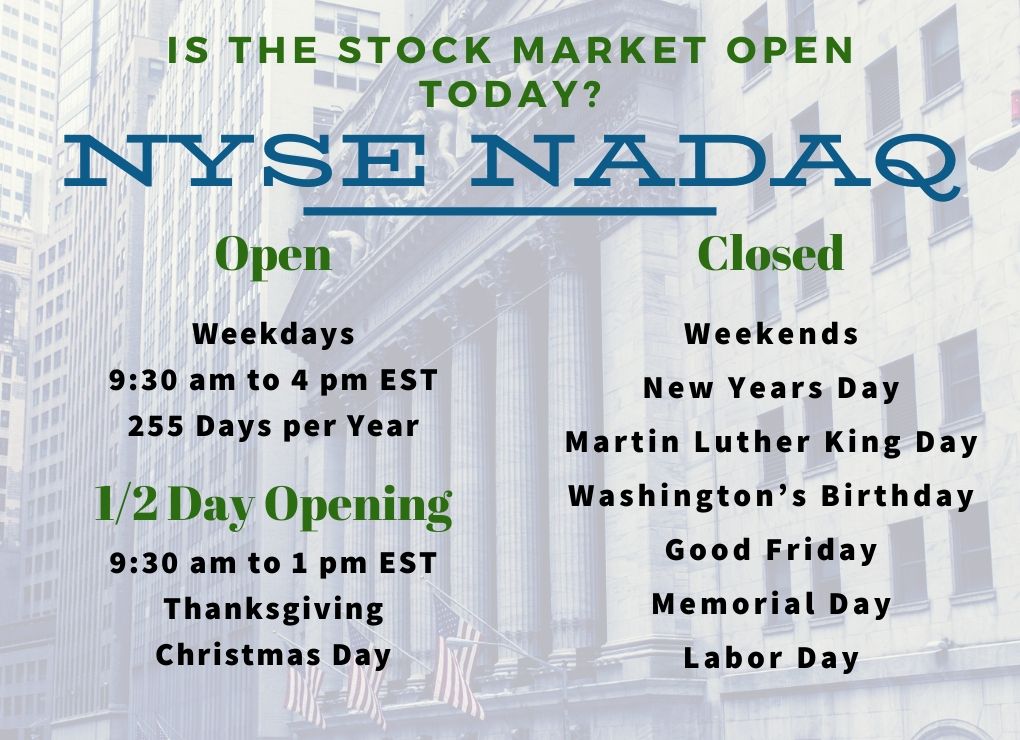
Standard Trading Hours: The core trading session for both the NYSE and Nasdaq runs from 9:30 AM to 4:00 PM Eastern Time (ET), Monday through Friday. During these hours, liquidity is generally highest, and the majority of trading activity occurs. This is the period when most news and economic data have their most immediate and direct impact on stock prices.
-
Pre-Market Trading: Before the opening bell, trading can commence as early as 4:00 AM ET and continues until the market officially opens at 9:30 AM ET. This period allows market participants to react to overnight news, corporate earnings reports released before the market, and international market movements. While it offers flexibility, pre-market trading typically has lower liquidity and wider bid-ask spreads, making prices potentially more volatile and susceptible to larger swings on fewer trades.
-
After-Hours Trading: Once the closing bell rings at 4:00 PM ET, trading doesn’t immediately cease. After-hours trading typically runs from 4:00 PM to 8:00 PM ET. Similar to pre-market, this session allows reactions to news released post-market close, but with reduced liquidity and increased volatility. Institutional investors and professional traders often utilize these extended hours, but individual investors need to be cautious due to the thinner trading volumes and potential for significant price gaps.
-
Weekend and Holiday Closures: U.S. stock markets are closed on weekends (Saturday and Sunday) and on specific federal holidays, such as New Year’s Day, Martin Luther King, Jr. Day, Presidents’ Day, Good Friday, Memorial Day, Juneteenth, Independence Day, Labor Day, Thanksgiving Day, and Christmas Day. Partial closures or early closes may also occur on certain days, like the day after Thanksgiving or Christmas Eve.
International Stock Markets: A Global Clock
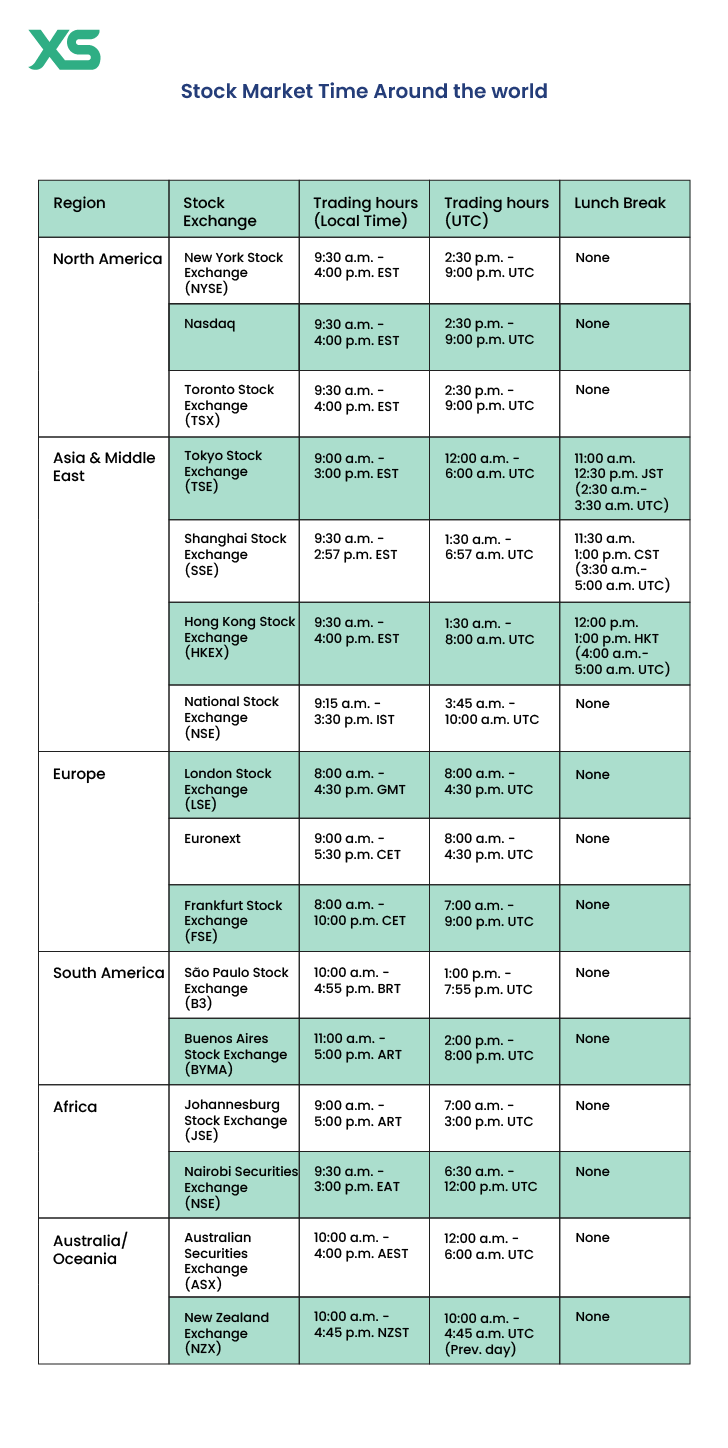
Beyond the U.S., major stock exchanges operate across the globe, each with its unique trading schedule, often dictated by local business hours and time zones. For global investors, understanding this mosaic is crucial for comprehensive market analysis and cross-border trading strategies.
-
Europe: The London Stock Exchange (LSE) operates from 8:00 AM to 4:30 PM GMT, while the Euronext exchanges (Paris, Amsterdam, Brussels, Lisbon) generally trade from 9:00 AM to 5:30 PM CET. The Frankfurt Stock Exchange (Xetra) also typically runs from 9:00 AM to 5:30 PM CET.
-
Asia: The Tokyo Stock Exchange (TSE) has a morning session from 9:00 AM to 11:30 AM JST and an afternoon session from 12:30 PM to 3:00 PM JST. The Shanghai Stock Exchange (SSE) and Shenzhen Stock Exchange (SZSE) follow a similar split-session schedule, usually from 9:30 AM to 11:30 AM CST and 1:00 PM to 3:00 PM CST. The Hong Kong Stock Exchange (HKEX) generally operates from 9:30 AM to 12:00 PM HKT and 1:00 PM to 4:00 PM HKT.
-
Australia: The Australian Securities Exchange (ASX) trades from 10:00 AM to 4:00 PM AEDT/AEST.
These diverse timings mean that there is almost always a major stock market open somewhere in the world, creating a continuous flow of information and sentiment that can influence markets even when your local exchange is closed.
Beyond Stocks: Exploring Other Market Timings
The financial landscape extends far beyond equities. Foreign exchange, commodities, bonds, and cryptocurrencies each have distinct operational hours that cater to their unique market structures and participant needs.
Foreign Exchange (Forex) Market: The 24/5 Beast
The foreign exchange market, or Forex, is the largest and most liquid financial market in the world. Unlike stock exchanges, it operates continuously, 24 hours a day, five days a week, making it accessible to traders across different time zones.
-
Global Sessions: The 24-hour nature of Forex is due to its decentralized, over-the-counter (OTC) structure, which follows the sun. As one major financial center closes, another opens. The four main trading sessions are:
-
Sydney Session: (e.g., 5:00 PM ET to 2:00 AM ET)
-
Tokyo Session: (e.g., 7:00 PM ET to 4:00 AM ET)
-
London Session: (e.g., 3:00 AM ET to 12:00 PM ET)
-
New York Session: (e.g., 8:00 AM ET to 5:00 PM ET)
-
-
Overlap Periods: The most active and liquid periods in the Forex market occur when major sessions overlap, such as the New York and London sessions (8:00 AM to 12:00 PM ET). During these overlaps, currency pairs involving the respective regions experience higher volatility and tighter spreads, offering more significant trading opportunities.
-
Weekend Closure: While 24/5, the Forex market does close for retail trading over the weekend, typically from Friday evening (around 5:00 PM ET) until Sunday evening (around 5:00 PM ET) when the Sydney market reopens. This closure can lead to “weekend gaps” in prices, where the market reopens at a significantly different level than where it closed due to overnight news or events.
Commodity Markets: Futures and Spot Trading
Commodity markets deal in raw materials like oil, gold, natural gas, agricultural products, and metals. These markets often involve futures contracts, which trade on exchanges like the CME Group (which includes NYMEX and COMEX) and ICE Futures.
-
Electronic Trading Hours: Most major commodity futures contracts trade electronically for nearly 23 hours a day, five days a week, with a short daily maintenance break. For example, crude oil futures (WTI) on NYMEX typically trade from 6:00 PM ET Sunday to 5:00 PM ET Friday, with a 60-minute break each day from 5:00 PM to 6:00 PM ET. This extended access allows for continuous price discovery and reaction to global supply-demand shifts.
-
Physical Market Considerations: While electronic trading is extensive, the underlying physical markets (e.g., oil production, agricultural harvesting) operate on their own schedules, which can influence pricing during specific times.
Bond Markets: A Different Rhythm
The bond market, primarily trading in government and corporate debt, has a slightly different operational dynamic. While some bonds trade on exchanges, a significant portion is traded over-the-counter (OTC) between large financial institutions.
-
Primary Dealer Hours: In the U.S., the interbank bond market for U.S. Treasuries generally operates from 8:00 AM to 5:00 PM ET, though electronic trading platforms can extend beyond these hours. For corporate bonds, trading typically aligns with standard business hours.
-
Impact of Central Banks: Bond market activity is heavily influenced by central bank announcements (e.g., Federal Reserve interest rate decisions), which are usually scheduled during regular business hours and can cause significant volatility.
Cryptocurrency Markets: The True 24/7 Frontier
Cryptocurrencies, such as Bitcoin and Ethereum, represent the newest frontier in financial markets and truly operate around the clock, every day of the year, including weekends and holidays.

-
Decentralized and Always-On: Due to their decentralized nature and global network of exchanges, crypto markets never close. This continuous trading allows for immediate reactions to news and events, regardless of the time of day or week.
-
Implications for Volatility: The 24/7 nature contributes to the notorious volatility of cryptocurrencies, as there’s no “downtime” for markets to absorb news or for traders to reset. This constant activity requires diligent monitoring for those actively involved.
Why Market Hours Matter to Investors and Traders
Understanding market hours is more than just academic knowledge; it has direct, tangible implications for how investors and traders manage risk, execute strategies, and achieve their financial goals.
Strategic Trading Opportunities
The timing of market openings and closings often correlates with specific trading opportunities and challenges.
-
Open and Close Volatility: The first and last hour of a stock market’s trading day are typically the most volatile and liquid. The open sees a surge of orders accumulated overnight, reacting to news and economic data, while the close often involves frantic positioning before the market shuts. Day traders frequently target these periods.
-
News-Driven Reactions: Extended hours (pre-market and after-hours) and the 24/5 nature of Forex and commodities allow immediate reactions to earnings reports, economic data, and geopolitical events. Savvy traders monitor these periods for early indications of market sentiment, though they must also contend with lower liquidity.
-
Market Overlaps: In Forex, the overlap of major trading sessions (e.g., London and New York) provides the highest liquidity and tightest spreads, making it ideal for high-volume trading strategies.
Risk Management and Volatility
Market hours are intrinsically linked to risk management, particularly concerning overnight and weekend exposures.
-
Gap Risk: Holding positions overnight or over the weekend in markets with defined closures (like stocks) exposes investors to “gap risk.” This occurs when significant news or events cause the market to open at a price substantially different from its closing price, potentially leading to larger-than-expected gains or losses.
-
Liquidity and Spreads: Trading outside standard hours or in less liquid markets (e.g., certain commodity contracts or extended stock market hours) often means wider bid-ask spreads. This effectively increases transaction costs and can make it harder to enter or exit positions at desired prices.
-
Information Asymmetry: During off-hours, information flow might be less efficient, and fewer participants are available to absorb news, potentially leading to sharper, less predictable price movements.
Work-Life Balance and Access
The diversity of market hours also impacts the practical aspects of engaging with financial markets.
-
Flexibility for Global Traders: The 24/5 nature of Forex and commodities, alongside 24/7 crypto markets, offers immense flexibility for traders across different time zones or those with full-time jobs, allowing them to participate during off-peak hours in their local time.
-
Technological Advancements: Online brokers and advanced trading platforms have democratized access to extended-hours trading and global markets, making it easier for individual investors to participate outside conventional nine-to-five schedules.
Navigating Global Markets: Tools and Strategies
Successfully navigating the varied landscape of market opening times requires the right tools and a well-informed strategy.
Utilizing Trading Platforms and Market Data
Modern trading platforms are indispensable for tracking market hours and data.
-
Real-time Quotes and Charts: Most reputable brokerage platforms provide real-time quotes, allowing traders to see prices during pre-market, standard, and after-hours sessions. Charting tools often display extended-hours data, providing a complete picture of price action.
-
Economic Calendars: Comprehensive economic calendars, integrated into many trading platforms or available online, list key economic data releases and central bank announcements, often specifying their exact release times. Aligning these with market hours helps anticipate periods of high volatility.
-
Market Hours Indicators: Some platforms offer visual indicators or overlays that clearly mark the start and end of different trading sessions, particularly useful for Forex and international stock markets.
Time Zone Conversion and Planning
For investors dealing with international markets, accurate time zone conversion is paramount.
-
World Clocks and Session Maps: Utilizing world clock applications or specialized trading session maps can help visualize when different global markets are open relative to your local time.
-
Local Holidays: Always be aware of local holidays in the markets you are trading. A market might be closed even if your local market is open, impacting liquidity and news flow.
-
Create a Trading Schedule: Develop a personalized trading schedule that aligns with your strategy and the market hours you intend to participate in, accounting for time zone differences.
The Role of Automation and Algorithms
For advanced traders, technology offers solutions to market hour challenges.
-
Automated Trading Systems: Algorithmic trading systems can execute trades automatically based on predefined rules, even outside human trading hours. This allows traders to capitalize on opportunities or manage risk without being physically present.
-
Set Orders: Most brokers allow investors to place limit orders or stop-loss orders that remain active for extended periods, including overnight or across different trading sessions. This can help manage risk and lock in profits even when not actively monitoring the market.
Conclusion
The seemingly simple question, “What time do the markets open?”, unravels a complex and dynamic aspect of global finance. From the traditional daylight hours of stock exchanges to the 24/5 pulse of the Forex market and the perpetual motion of cryptocurrencies, market timings are diverse and crucially important. Understanding these schedules is not just about convenience; it’s about making informed decisions, managing risk effectively, and seizing opportunities in an interconnected world. Whether you are a day trader meticulously planning your entries and exits around peak liquidity, a long-term investor assessing overnight news, or simply a curious observer of global commerce, grasping the rhythm of market hours empowers you to navigate the financial landscape with greater confidence and strategic insight. It underscores that in finance, timing truly can be everything.
aViewFromTheCave is a participant in the Amazon Services LLC Associates Program, an affiliate advertising program designed to provide a means for sites to earn advertising fees by advertising and linking to Amazon.com. Amazon, the Amazon logo, AmazonSupply, and the AmazonSupply logo are trademarks of Amazon.com, Inc. or its affiliates. As an Amazon Associate we earn affiliate commissions from qualifying purchases.