
In an era saturated with health advice and dietary trends, one fundamental question remains perpetually relevant for anyone aiming for better health, weight management, or peak performance: “How many calories do I need per day?” The answer, however, is anything but simple. It’s a complex equation influenced by a myriad of personal factors—age, gender, activity level, metabolism, health goals, and even genetics. For decades, individuals grappled with generalized guidelines, often leading to frustration and suboptimal results. Enter technology.
Today, advanced digital tools, from sophisticated algorithms embedded in apps to wearable sensors and AI-driven platforms, are revolutionizing how we understand and manage our personal caloric needs. These innovations don’t just provide generic advice; they offer unprecedented levels of personalization, transforming the abstract concept of “calories” into actionable, data-driven insights tailored to each individual. This article will delve into how technology empowers us to precisely determine and manage our daily caloric requirements, moving beyond one-size-fits-all solutions to embrace a future of hyper-personalized nutrition. We’ll explore the evolution of these tools, their capabilities, and how they are shaping a more informed and effective approach to health and wellness in the digital age.
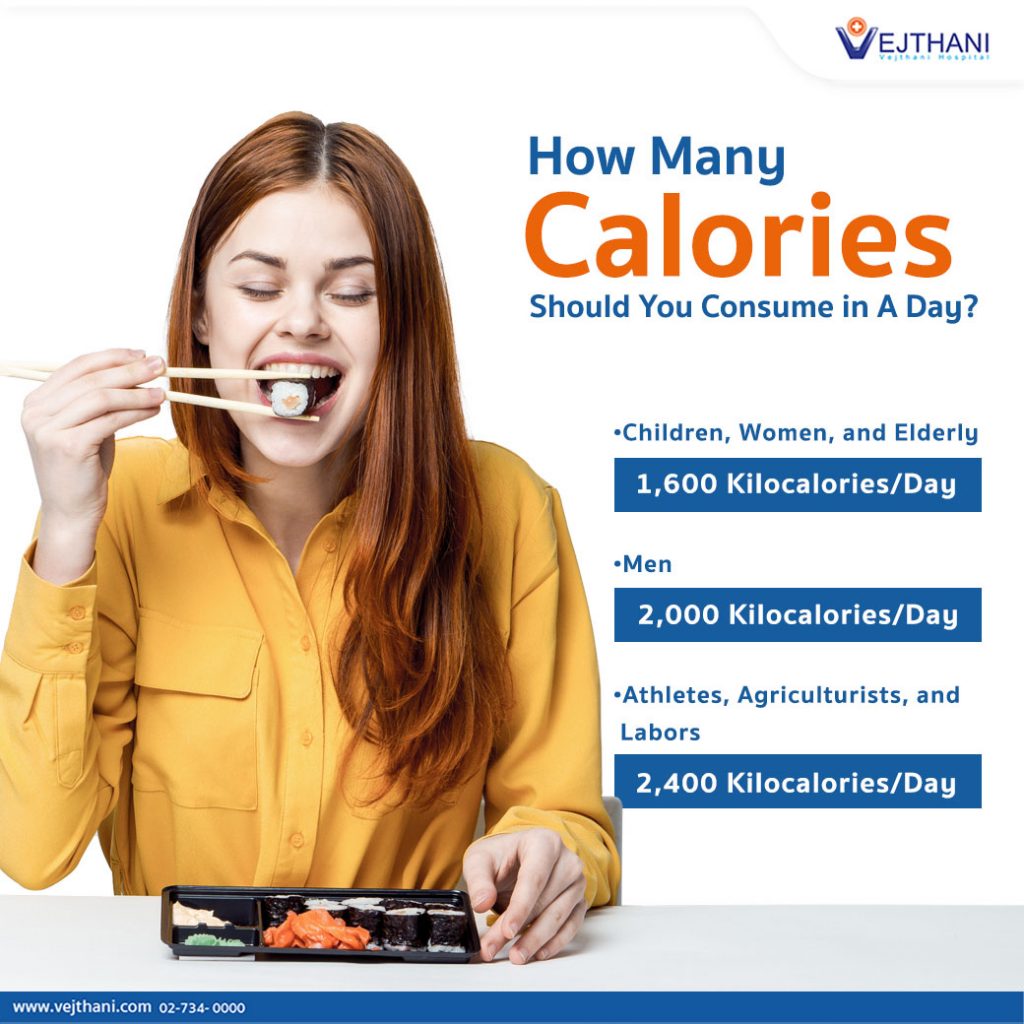
The Dynamic Equation of Caloric Needs: Why Tech is Essential for Precision
Understanding your daily caloric requirement is akin to setting a precise fuel gauge for your body. Too little, and you risk nutrient deficiencies and energy dips; too much, and you store excess energy as fat. The “correct” number is not static; it’s a dynamic target that shifts with various biological and lifestyle factors. This inherent variability is precisely why generalized advice often falls short and why technology has become an indispensable ally.
Basal Metabolic Rate (BMR) and Activity Levels: The Foundational Data Points
At the heart of any caloric calculation lies your Basal Metabolic Rate (BMR), the minimum number of calories your body needs to perform basic, life-sustaining functions while at rest. This accounts for functions like breathing, circulation, cell production, and maintaining body temperature. Without movement, your body still burns a significant amount of energy. Traditional BMR calculations, such as the Mifflin-St Jeor or Harris-Benedict equations, have been around for decades, relying on factors like age, gender, weight, and height.
However, these equations provide only a starting point. Your Total Daily Energy Expenditure (TDEE) is a more accurate measure, incorporating your BMR plus the calories burned through physical activity. This activity factor ranges from sedentary (minimal exercise) to extremely active (professional athletes). Manually estimating this can be subjective and prone to error. This is where technology steps in. Modern fitness trackers and smartwatches continuously monitor your heart rate, movement patterns, and even sleep, providing real-time data to estimate your activity levels with far greater precision than self-reporting. Apps then integrate this data with your BMR to calculate a more accurate TDEE, offering a truly dynamic picture of your energy needs throughout the day. This constant feedback loop means your caloric target adjusts as your lifestyle changes, whether you’re recovering from an injury, training for a marathon, or simply having a particularly active day.
Age, Gender, and Health Goals: Tailoring the Target
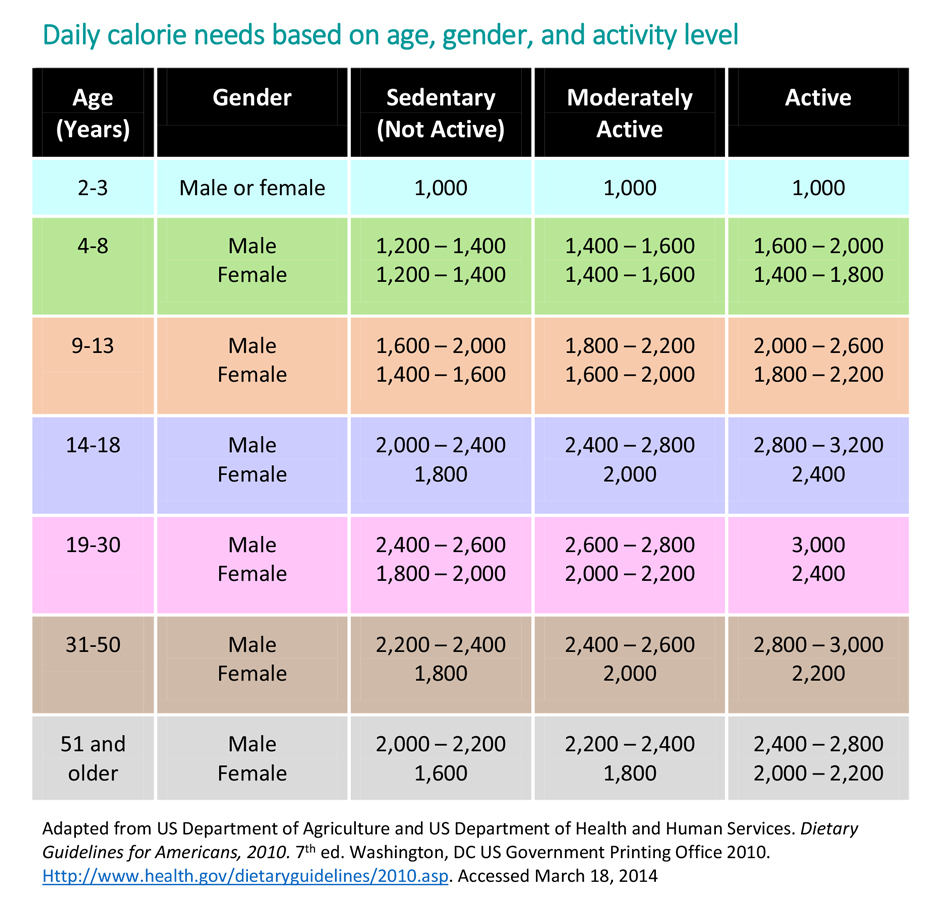
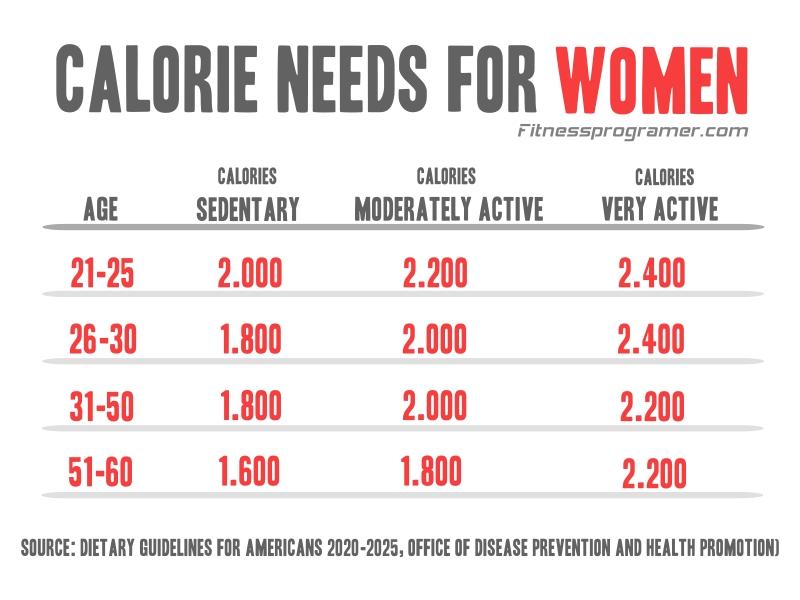
Beyond BMR and activity, age and gender play significant roles. Men generally have higher muscle mass and thus higher BMRs than women. As we age, our metabolism naturally slows down, reducing caloric needs. Pregnancy, lactation, and certain medical conditions also dramatically alter energy requirements.
Furthermore, your specific health goals dictate how your caloric target is adjusted. If you aim for weight loss, a caloric deficit is necessary; for weight gain, a surplus; and for maintenance, you aim to match your TDEE. Achieving these goals effectively requires careful monitoring and adjustment. Generic calorie charts often provide broad ranges, but digital platforms allow for granular adjustments based on your precise goals and current progress. For example, many apps can project how long it will take to reach a target weight based on your current intake and activity, offering a clear roadmap. Some even account for factors like menstrual cycles in women, which can influence metabolism and cravings. The ability of technology to synthesize these diverse data points provides a level of personalization that was previously unattainable without constant consultation with a dedicated health professional.
Smart Apps and Wearables: Your Digital Nutrition Ecosystem
The most accessible and widely adopted technologies for managing daily caloric intake are smart applications and wearable devices. These tools have democratized personalized nutrition, putting sophisticated tracking and planning capabilities directly into the hands of everyday users.
Calorie Tracking Apps: Precision Logging at Your Fingertips
Applications like MyFitnessPal, LoseIt!, Cronometer, and MyPlate have become household names for their ability to simplify the often-daunting task of food logging. These apps boast extensive databases of foods, including restaurant meals, packaged goods, and raw ingredients, allowing users to accurately log their intake with a few taps or by scanning barcodes. Many feature nutritional breakdowns beyond just calories, showing macronutrients (proteins, carbs, fats), micronutrients (vitamins, minerals), and even fiber content.
The immediate feedback provided by these apps is invaluable. As you log your meals throughout the day, the app continuously updates your remaining calorie budget, helping you make informed decisions about subsequent meals and snacks. Advanced versions often include meal planning features, recipe suggestions tailored to your caloric and macronutrient goals, and the ability to track water intake. Some even offer community support forums and coaching features, fostering engagement and accountability. While user input remains crucial for accuracy, the sheer convenience and comprehensive nature of these apps have made them indispensable for millions striving to understand and manage their dietary habits.
Wearable Technology: Real-time Energy Expenditure Monitoring
Complementing calorie tracking apps are wearable fitness devices such as smartwatches (Apple Watch, Garmin, Fitbit, Samsung Galaxy Watch) and dedicated fitness trackers. These devices have transformed how we measure our physical activity and, consequently, our estimated caloric burn. Equipped with accelerometers, gyroscopes, and heart rate monitors, wearables continuously collect data on your movement, exercise intensity, and even sleep quality.
This data is then wirelessly synced to companion apps, which often integrate seamlessly with calorie tracking platforms. By providing a more accurate estimate of calories burned through exercise and daily non-exercise activity thermogenesis (NEAT), wearables refine the TDEE calculation. This dynamic feedback loop means that if you have a particularly active day, your wearable will register the increased energy expenditure, and a connected app can adjust your effective caloric budget accordingly. Some advanced wearables even incorporate GPS for tracking outdoor activities, altimeters for elevation changes, and stress monitoring, all of which contribute to a more holistic understanding of your energy balance. The synergy between what you eat (tracked by apps) and what you burn (tracked by wearables) creates a powerful, personalized ecosystem for caloric management.
AI-Powered Meal Planners and Recipe Generators: Smart Nutritional Guidance
Moving beyond simple tracking, artificial intelligence is elevating the personalized nutrition experience. AI-powered meal planners and recipe generators take user data—including caloric goals, dietary preferences, allergies, disliked foods, and even grocery budget—and create customized meal plans. These tools can suggest recipes that fit within your daily caloric and macronutrient targets, often optimizing for nutrient density and variety.
Platforms like PlateJoy, Eat This Much, and various AI-integrated diet apps leverage machine learning to learn from your choices and preferences over time, refining their recommendations to be even more suitable. They can adapt plans for specific diets (Keto, Vegan, Mediterranean), adjust for fluctuating activity levels, and even help minimize food waste by suggesting recipes using ingredients you already have. This proactive approach removes much of the guesswork and mental load associated with meal planning, making it easier for individuals to consistently meet their caloric needs without feeling overwhelmed. The ability of AI to analyze vast datasets and generate tailored plans offers a glimpse into a future where personalized nutrition is not just reactive (tracking what you ate) but also proactive (telling you what to eat for optimal results).
Beyond Basic Tracking: Advanced Technologies for Precision Nutrition
While apps and wearables provide robust foundational tools, the frontier of nutrition technology extends into more sophisticated and granular approaches, offering an even deeper dive into individual biological needs.
Genetic and Microbiome Testing for Dietary Insights: The Bio-Individual Blueprint
One of the most exciting advancements in personalized nutrition involves leveraging insights from our own biology: our genetics and gut microbiome. Direct-to-consumer genetic testing kits (e.g., 23andMe, AncestryDNA, or specialized nutrition genetics tests like DNAfit) can reveal predispositions related to metabolism, nutrient absorption, satiety, and even exercise response. For instance, some genetic variations might indicate a higher or lower sensitivity to carbohydrates or fats, or a greater need for specific vitamins. While still an emerging field, these insights can inform more nuanced caloric and macronutrient recommendations beyond standard guidelines.
Similarly, microbiome testing (e.g., uBiome, Viome) analyzes the composition of bacteria in your gut. Research increasingly shows that the gut microbiome plays a crucial role in nutrient extraction, metabolism, and even appetite regulation. By understanding your unique microbial ecosystem, these tests aim to provide personalized dietary recommendations that optimize gut health, which in turn can influence how your body processes and utilizes calories. Integrating this bio-individual data with caloric planning software represents the cutting edge of precision nutrition, moving beyond generalized recommendations to truly bespoke dietary strategies.
Smart Kitchen Gadgets: Nutritional Data at the Point of Preparation
The kitchen itself is becoming a hub of technological innovation aimed at calorie management. Smart scales can not only measure weight but also provide nutritional information for various food items as you weigh them, often linking directly to your tracking app. Smart blenders and food processors come with pre-programmed settings for healthy recipes and can track the nutritional content of your concoctions.
Automated cooking devices, like smart ovens or multi-cookers, can follow recipes downloaded from nutritional apps, ensuring precise portion control and cooking methods that preserve nutrient integrity. There are even smart water bottles that track your hydration and remind you to drink. These gadgets reduce the manual effort and guesswork involved in food preparation, making it easier to stick to specific caloric targets and ensure consistent nutritional quality. By embedding data collection and analysis directly into the cooking process, these technologies make healthy eating more convenient and precise.
Tele-nutrition and AI-Powered Chatbots: Accessible Expert Guidance
Access to qualified nutrition professionals can be a barrier for many. Tele-nutrition platforms have emerged, connecting individuals with registered dietitians and nutritionists remotely through video calls and secure messaging. These professionals can use the data gathered by your apps and wearables to provide highly personalized coaching, interpret complex nutritional information, and make informed adjustments to your caloric plan.
Furthermore, AI-powered chatbots are offering a new layer of support. These chatbots can answer common nutritional questions, provide quick meal ideas, offer motivational prompts, and help users troubleshoot issues with their tracking. While not a replacement for human experts, they provide an always-on resource for immediate guidance and support, making personalized nutrition more accessible and democratized. These tools are breaking down geographical and financial barriers, making expert-level nutritional guidance more widely available.
Challenges and Best Practices in Tech-Driven Calorie Management
While technology offers revolutionary tools for understanding and managing caloric needs, it’s not a silver bullet. Effective utilization requires awareness of its limitations and adherence to best practices.
Data Accuracy and User Input: The GIGO Principle
The adage “Garbage In, Garbage Out” (GIGO) is particularly pertinent to calorie tracking. The accuracy of any app or wearable depends heavily on the quality of the data entered or collected. Incorrectly logging food portions, estimating ingredients rather than weighing them, or failing to sync wearable data can lead to skewed caloric estimations. Users must commit to diligent and accurate data entry for the technology to provide reliable insights. Regularly cross-referencing food databases, understanding serving sizes, and utilizing kitchen scales are crucial best practices. Furthermore, while wearables are advanced, they are not infallible; their calorie burn estimations are still approximations and can vary between devices and individuals.
Avoiding Obsession and Promoting Healthy Habits
The constant feedback loop provided by tracking apps and wearables, while empowering, can sometimes lead to an unhealthy obsession with numbers. Fixating excessively on every calorie, gram of macronutrient, or step count can contribute to anxiety, disordered eating patterns, or a feeling of deprivation. Technology should be a tool for empowerment and education, not a source of stress. It’s important to develop a balanced approach, using the data for insight and guidance rather than rigid adherence. Taking breaks from tracking, focusing on intuitive eating alongside data, and prioritizing overall well-being over numerical perfection are vital for a sustainable and healthy relationship with food and fitness.
The Role of Human Expertise: When to Consult Professionals
Despite the sophistication of AI and digital tools, technology cannot fully replace the nuanced understanding and personalized guidance of qualified human professionals. Dietitians, nutritionists, and doctors bring years of education, clinical experience, and the ability to consider complex medical histories, psychological factors, and lifestyle contexts that technology alone might miss. For individuals with underlying health conditions, specific dietary needs (e.g., managing diabetes, celiac disease), or complex weight management challenges, consulting a professional is paramount. Technology can serve as an excellent data collection and communication tool for these experts, enabling them to provide even more tailored and effective advice, but it should be seen as a complement, not a substitute, for human expertise.
The Future of Personalized Caloric Planning: Hyper-Tailored Nutrition
The trajectory of technology in nutrition points towards an increasingly personalized and predictive future, moving us closer to hyper-tailored dietary strategies.
Real-time Biometric Feedback Integration
Imagine a future where your smart contact lenses or a tiny implant continuously monitor your blood glucose levels, hydration, and key metabolic markers in real-time. This real-time biometric data could be instantly fed into an AI-powered nutrition platform, which would then dynamically adjust your caloric and macronutrient recommendations not just daily, but moment-by-moment. If your blood sugar is spiking, the system might recommend specific foods or activity to mitigate it. If you’re nearing dehydration, it would prompt you to drink. This level of immediate, responsive feedback promises unprecedented precision in managing energy balance.
AI Predicting Nutrient Deficiencies and Optimal Intake
Building upon genetic and microbiome data, future AI systems could evolve to predict individual susceptibilities to nutrient deficiencies based on lifestyle, genetics, and current intake. Instead of merely tracking what you eat, these intelligent platforms could proactively suggest specific foods, supplements, or dietary patterns to prevent future deficiencies and optimize nutrient absorption, ensuring your body gets exactly what it needs, when it needs it, down to the micronutrient level. This predictive capability moves beyond reactive problem-solving to proactive health optimization.
Augmented Reality for Food Choices and Preparation
Augmented Reality (AR) could transform the way we interact with food. Imagine holding your phone over a grocery store shelf, and an AR overlay instantly displays the personalized caloric and nutritional impact of each item relative to your daily goals. In your kitchen, AR could project precise portion sizes onto your plate, guide you through recipe preparation with step-by-step nutritional data, or even identify the ripeness and optimal cooking methods for fresh produce based on its perceived qualities. This immersive technology could make informed food choices and precise preparation effortless and intuitive.
In conclusion, the question “how much calories do I need per day?” is no longer a rhetorical puzzle but a solvable equation, thanks to the relentless march of technological innovation. From sophisticated apps and omnipresent wearables to advanced AI and genetic insights, technology has transformed nutritional management from a guessing game into a data-driven science. While human diligence and professional guidance remain indispensable, these digital tools empower individuals with an unprecedented understanding of their bodies and the means to pursue their health goals with precision and personalization. As these technologies continue to evolve, the future promises an even more integrated, intuitive, and hyper-tailored approach to nutrition, pushing the boundaries of what’s possible in health and wellness.
aViewFromTheCave is a participant in the Amazon Services LLC Associates Program, an affiliate advertising program designed to provide a means for sites to earn advertising fees by advertising and linking to Amazon.com. Amazon, the Amazon logo, AmazonSupply, and the AmazonSupply logo are trademarks of Amazon.com, Inc. or its affiliates. As an Amazon Associate we earn affiliate commissions from qualifying purchases.