
Securing a loan from a bank is a common financial milestone, whether you’re looking to fund a major purchase like a home or a car, consolidate debt, start a business, or cover an unexpected expense. While the process can seem daunting, understanding the requirements, preparing thoroughly, and approaching it strategically can significantly increase your chances of approval and help you secure the best possible terms. This comprehensive guide will demystify the bank loan application process, providing you with the knowledge and tools to navigate it successfully.
Understanding Bank Loans: Types and Terms
Before approaching your bank, it’s crucial to understand the landscape of bank loans. Not all loans are created equal, and choosing the right type of loan for your needs is the first step toward a successful application.
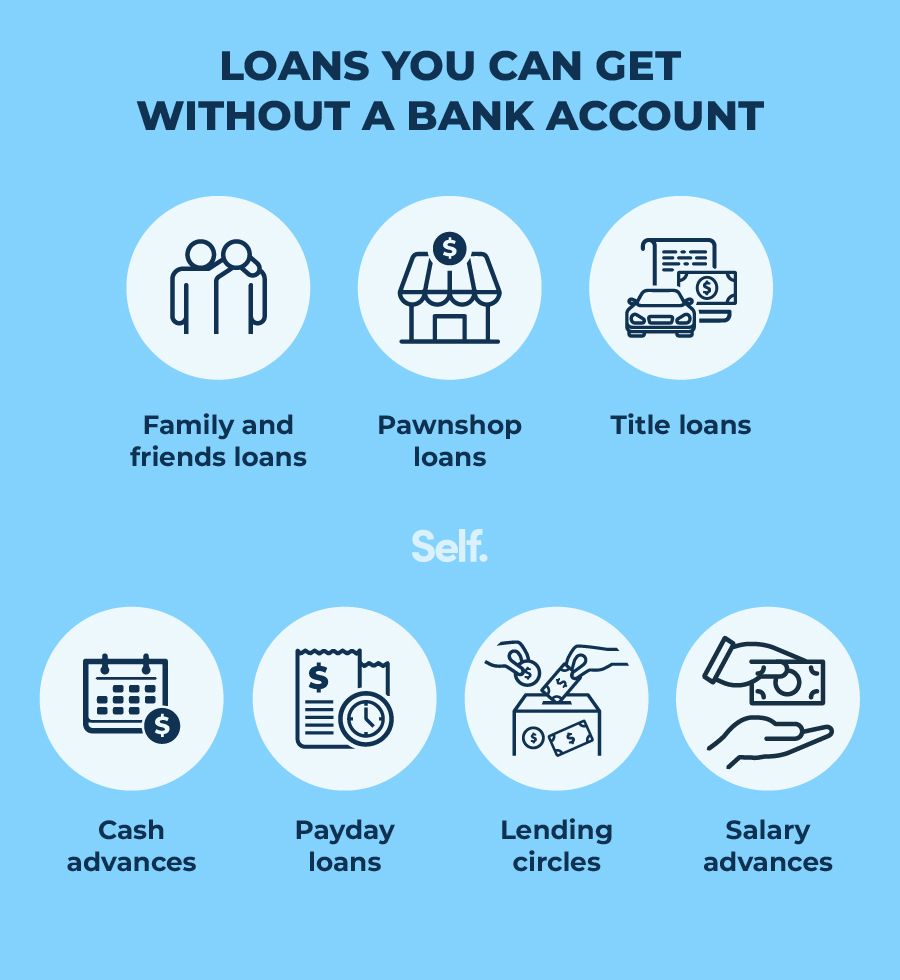
Types of Loans
Banks offer a diverse array of loan products, each designed for specific purposes and with varying structures.
-
Personal Loans: These are often unsecured, meaning they don’t require collateral. They can be used for a wide range of personal expenses, from debt consolidation to home improvements or medical bills. Interest rates typically depend on your creditworthiness.
-
Secured Loans: Unlike personal loans, secured loans require collateral—an asset like a car, house, or savings account—that the bank can seize if you default. Examples include mortgages (secured by real estate) and auto loans (secured by the vehicle). Because of the reduced risk for the lender, secured loans often come with lower interest rates.
-
Mortgages: Specifically designed for purchasing real estate, mortgages are typically long-term, secured loans. They come in various forms, such as fixed-rate, adjustable-rate, FHA, VA, and conventional, each with different payment structures and eligibility criteria.
-
Auto Loans: Used to finance the purchase of a new or used vehicle, these are secured loans where the car itself serves as collateral. Loan terms and interest rates vary based on your credit score, the car’s age, and the loan duration.
-
Business Loans: For entrepreneurs and existing businesses, banks offer a range of business financing options, including term loans (for specific investments), lines of credit (for working capital), SBA loans (government-backed loans with favorable terms), and commercial real estate loans. These often require a solid business plan, financial projections, and collateral.
Key Loan Terminology
Familiarity with loan terminology will empower you to understand loan offers and make informed decisions.
-
Principal: The original amount of money borrowed.
-
Interest Rate: The cost of borrowing money, expressed as a percentage of the principal. This is what the lender charges you for the use of their funds.
-
Annual Percentage Rate (APR): A broader measure of the cost of borrowing, including the interest rate plus other fees (like origination fees, closing costs, etc.). It provides a more comprehensive picture of the total annual cost.
-
Loan Term: The duration over which you are expected to repay the loan. Shorter terms typically mean higher monthly payments but less total interest paid, while longer terms mean lower monthly payments but more total interest.
-
Collateral: An asset pledged by a borrower to secure a loan. If the borrower defaults, the lender can seize the collateral.
-
Debt-to-Income (DTI) Ratio: A critical metric lenders use to assess your ability to manage monthly payments and repay debts. It’s calculated by dividing your total monthly debt payments by your gross monthly income. A lower DTI ratio (typically under 36-43%) is generally preferred.
-
Credit Score: A three-digit number representing your creditworthiness, primarily based on your credit history (payment history, amounts owed, length of credit history, new credit, credit mix). Higher scores (e.g., 700+) indicate lower risk and often qualify you for better loan terms.
Preparing for Your Loan Application
Preparation is paramount when seeking a bank loan. A well-prepared applicant presents themselves as a responsible and reliable borrower, significantly improving their chances of approval and securing competitive rates.
Assessing Your Financial Health
Before a bank assesses you, assess yourself. This involves a thorough review of your current financial standing.
-
Check Your Credit Score and Report: Obtain your credit reports from all three major bureaus (Equifax, Experian, TransUnion) and your credit score. Review them for any errors or discrepancies that could negatively impact your score. Dispute inaccuracies promptly. Understand that different types of loans may prioritize different aspects of your credit history.
-
Calculate Your Income and Expenses: Get a clear picture of your monthly income from all sources and your recurring expenses. This will help you determine how much you can realistically afford to repay each month. Lenders want to see a stable and sufficient income stream relative to your proposed loan payments.
-
Analyze Your Existing Debts: List all current debts, including credit card balances, student loans, and other existing loans. Understand their monthly payments, outstanding balances, and interest rates. This feeds into your DTI ratio, a key factor for lenders.
Gathering Essential Documentation
Banks require a precise set of documents to verify your identity, income, assets, and overall financial stability. Having these ready will streamline the application process.
-
Proof of Identity: Government-issued photo ID (driver’s license, passport).
-
Proof of Address: Utility bills, bank statements, or rental/mortgage agreements.
-
Income Verification: Pay stubs (for employed individuals, typically 2-3 recent ones), W-2 forms (for employed), tax returns (past two years, especially if self-employed or for business loans), bank statements showing direct deposits. For self-employed individuals, profit and loss statements and balance sheets are crucial.
-
Asset Documentation: Bank statements (savings and checking accounts), investment statements, and proof of other assets (e.g., real estate deeds).
-
Debt Documentation: Statements for existing loans, credit cards, and other financial obligations.
-
Collateral Documentation (if applicable): Deeds, titles, or appraisal reports for assets being used as collateral.
-
Business Specifics (for business loans): Business plan, financial projections, legal business documents, articles of incorporation, and possibly personal guarantees.
Crafting a Compelling Case
While documents speak volumes, explaining your needs and plans clearly can also make a difference, especially for larger or more complex loans.
-
Clearly Define Your Loan Purpose: Be specific about what you intend to use the loan for. A well-defined purpose helps the bank understand the risk and benefits.
-
Outline Your Repayment Plan: Show the lender how you intend to repay the loan. This demonstrates your financial foresight and commitment. If it’s for a business, connect the loan to revenue generation.
The Application Process: Step-by-Step
Once you’re prepared, the next phase involves actively engaging with the bank and navigating their application procedures.
Researching and Choosing the Right Bank/Loan Product
Don’t jump at the first offer. Banks often specialize or offer better terms for certain types of loans.

-
Compare Lenders: Research different banks, credit unions, and online lenders. Look beyond just interest rates; consider fees, customer service, loan terms, and specific eligibility requirements.
-
Pre-qualification/Pre-approval: Many lenders offer pre-qualification (a soft credit check that doesn’t hurt your score) or pre-approval (a more thorough check, but not a guarantee) to give you an estimate of how much you might be able to borrow and at what rate. This is invaluable for setting expectations and comparing offers.
-
Consult with a Loan Officer: Schedule a meeting with a loan officer. They can explain different loan products, assess your eligibility, and guide you through the initial steps. Building a rapport with a loan officer can also be beneficial.
Submitting Your Application
This is where all your preparation comes into play.
-
Complete the Application Accurately: Fill out the loan application form completely and accurately. Any omissions or inconsistencies can cause delays or even rejection.
-
Submit Required Documents: Provide all the gathered documentation promptly. Organize them neatly to make the loan officer’s job easier.
-
Be Transparent: Always be honest about your financial situation. Lenders will uncover most discrepancies, and dishonesty can lead to an outright rejection.
The Underwriting and Approval Stages
After submission, your application enters the underwriting phase.
-
Verification: The bank’s underwriters will meticulously review your application and documents. They will verify your income, employment, credit history, and assets. They may contact you for additional information or clarification.
-
Risk Assessment: Underwriters assess the risk associated with lending to you based on your credit score, DTI ratio, collateral (if applicable), and overall financial profile.
-
Decision: Based on their assessment, the bank will either approve, conditionally approve (requiring certain actions before final approval), or deny your loan application.
Reviewing and Accepting the Loan Offer
If approved, you’ll receive a loan offer detailing the terms and conditions.
-
Understand All Terms: Carefully read the loan agreement, paying close attention to the interest rate (APR), repayment schedule, fees, penalties for late payments, and any prepayment penalties. Don’t hesitate to ask questions about anything you don’t understand.
-
Compare Offers: If you’ve pre-qualified or pre-approved with multiple lenders, compare the final offers side-by-side to choose the best option.
-
Sign the Agreement: Once you’re fully satisfied and understand all aspects, sign the loan agreement. The funds will then be disbursed according to the agreed-upon schedule.
Maximizing Your Chances of Approval and Favorable Terms
While strong financials are key, several proactive steps can further bolster your application and help you secure better loan conditions.
Improving Your Creditworthiness
Your credit score is often the first thing a lender looks at.
-
Pay Bills on Time: Payment history is the most significant factor in your credit score. Set up reminders or automatic payments to avoid missing due dates.
-
Reduce Credit Card Balances: Keep your credit utilization ratio (the amount of credit you use versus your total available credit) low, ideally below 30%.
-
Avoid Opening New Credit Accounts: Multiple new credit inquiries in a short period can temporarily lower your score.
-
Maintain a Diverse Credit Mix: A healthy mix of credit (e.g., credit cards, installment loans) can positively impact your score, showing you can manage different types of debt responsibly.
Reducing Your Debt-to-Income Ratio
A high DTI ratio signals to lenders that you might be overextended.
-
Pay Down Existing Debts: Focus on reducing credit card balances and other high-interest debts before applying for a new loan.
-
Increase Your Income: If possible, look for ways to boost your gross monthly income, as this directly lowers your DTI.
Building a Relationship with Your Bank
For some, especially for business loans or larger personal loans, your relationship with the bank can play a role.
-
Maintain Accounts: Having a checking, savings, or even investment account with the bank you’re applying to can sometimes make the process smoother, as they already have a history of your financial activity.
-
Good Standing: Demonstrate responsible financial behavior within your existing accounts, avoiding overdrafts and maintaining healthy balances.
Understanding Rejection and Next Steps
Even with careful preparation, loan applications can sometimes be rejected. Don’t view it as the end of the road.
-
Ask for the Reason: Lenders are legally required to provide a reason for rejection. Understanding why your application was denied is crucial for addressing the underlying issues.
-
Address the Issues: If it was a credit score issue, focus on improving it. If it was DTI, work on reducing debt or increasing income. If documentation was insufficient, gather what’s needed.
-
Reapply Later: Once you’ve addressed the reasons for rejection, you can reapply, possibly with the same bank or a different lender.
-
Explore Alternatives: Consider other financing options like credit unions, online lenders, or government programs if bank loans remain elusive.
Securing a loan from your bank is a process that rewards diligence, transparency, and strategic planning. By understanding the types of loans available, meticulously preparing your financial profile and documentation, and navigating the application process with informed confidence, you can significantly enhance your chances of not only getting approved but also securing terms that best serve your financial goals. Remember, a loan is a partnership built on trust, and presenting yourself as a reliable borrower is your most valuable asset.
aViewFromTheCave is a participant in the Amazon Services LLC Associates Program, an affiliate advertising program designed to provide a means for sites to earn advertising fees by advertising and linking to Amazon.com. Amazon, the Amazon logo, AmazonSupply, and the AmazonSupply logo are trademarks of Amazon.com, Inc. or its affiliates. As an Amazon Associate we earn affiliate commissions from qualifying purchases.