
In the fast-paced world of financial markets, the traditional 9:30 AM to 4:00 PM EST trading window, often referred to as “regular trading hours,” is just one segment of a much larger, global ecosystem. Astute investors and active traders know that significant price movements and opportunities can materialize long before the opening bell, during what is commonly known as premarket trading. Understanding “what time is premarket” is not merely about knowing a clock time; it’s about grasping the dynamics, risks, and strategic advantages of this critical trading period. For those looking to optimize their investing strategies, gain an edge, or simply comprehend the full scope of market activity, deciphering premarket hours is an indispensable skill within the broader context of personal finance, investing, and business finance.
Understanding Premarket Trading
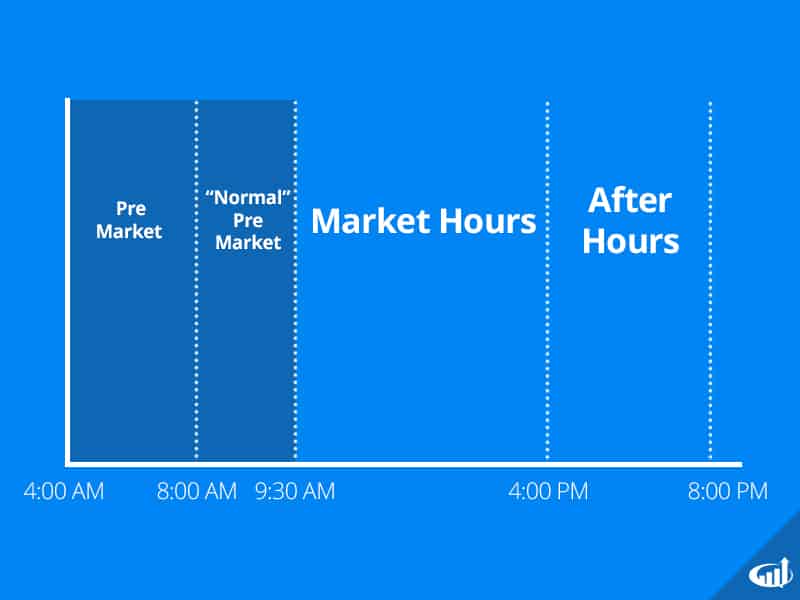
Premarket trading refers to the period of time before the official opening of the major stock exchanges when trading in listed securities can occur. This early window provides participants with an opportunity to react to news, earnings reports, and global events that unfold outside of regular market hours, often setting the tone for the day’s trading session.
Defining Premarket Hours
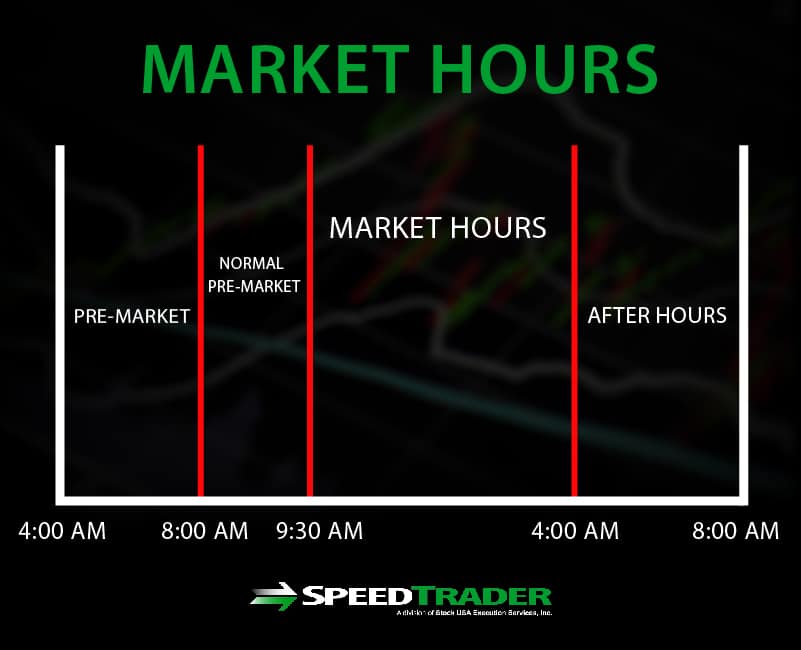
For the major U.S. stock exchanges, such as the New York Stock Exchange (NYSE) and Nasdaq, premarket trading typically begins at 4:00 AM Eastern Time (ET) and concludes at 9:30 AM ET, just before the market officially opens. While this is the most common range, the specific start time can vary slightly depending on the brokerage firm, as not all brokers offer the full 4:00 AM to 9:30 AM window. Some might only allow trading from 7:00 AM or 8:00 AM ET, so it’s crucial for investors to confirm their broker’s specific premarket access.
The Rationale Behind Early Trading
The primary driver for premarket trading is the continuous flow of information in a globalized economy. Corporate earnings announcements, macroeconomic data releases (like unemployment figures or inflation reports), geopolitical developments, and news from international markets often occur outside of standard U.S. trading hours. Premarket sessions allow the market to begin pricing in these events immediately, rather than waiting for the official opening. This early price discovery helps to smooth potential volatility at the market open and allows investors to adjust their portfolios or positions based on the latest information. It reflects the increasing demand for liquidity and access to markets around the clock, blurring the lines between traditional trading sessions.
Key Participants in Premarket Sessions
While premarket trading is open to both institutional and individual investors, the liquidity and volume during these hours are generally lower than during regular trading. Institutional investors, such as hedge funds, mutual funds, and large pension funds, often play a significant role, executing large block trades or adjusting their positions based on overnight news. High-frequency trading (HFT) firms also contribute, leveraging advanced algorithms to capitalize on early price discrepancies. Individual investors with brokerage accounts that offer premarket access can also participate, though they must be acutely aware of the unique characteristics and risks associated with these early hours. Their participation is often driven by a desire to react quickly to news about specific stocks they hold or are interested in.
Specific Premarket Hours for Major US Exchanges
Understanding the precise timings is fundamental for anyone looking to engage in early trading. The U.S. market operates predominantly on Eastern Time (ET), which serves as the benchmark for all official trading hours.
NYSE and Nasdaq Premarket Timings
Both the New York Stock Exchange (NYSE) and Nasdaq, the two largest stock exchanges in the United States, operate their premarket sessions within the same general timeframe. As previously mentioned, this typically spans from 4:00 AM ET to 9:30 AM ET. However, it’s vital to reiterate that while the exchanges facilitate this window, individual brokerage firms may impose narrower limits on when their clients can actually place premarket orders. Some brokers might only allow orders from 7:00 AM ET, while others might offer the full extended access. This discrepancy means an investor needs to verify their specific broker’s premarket policy rather than relying solely on the exchange’s maximum window. These platforms utilize electronic communication networks (ECNs) to match buy and sell orders outside of the primary exchange floor, making continuous trading possible.
Eastern Time (ET) as the Standard
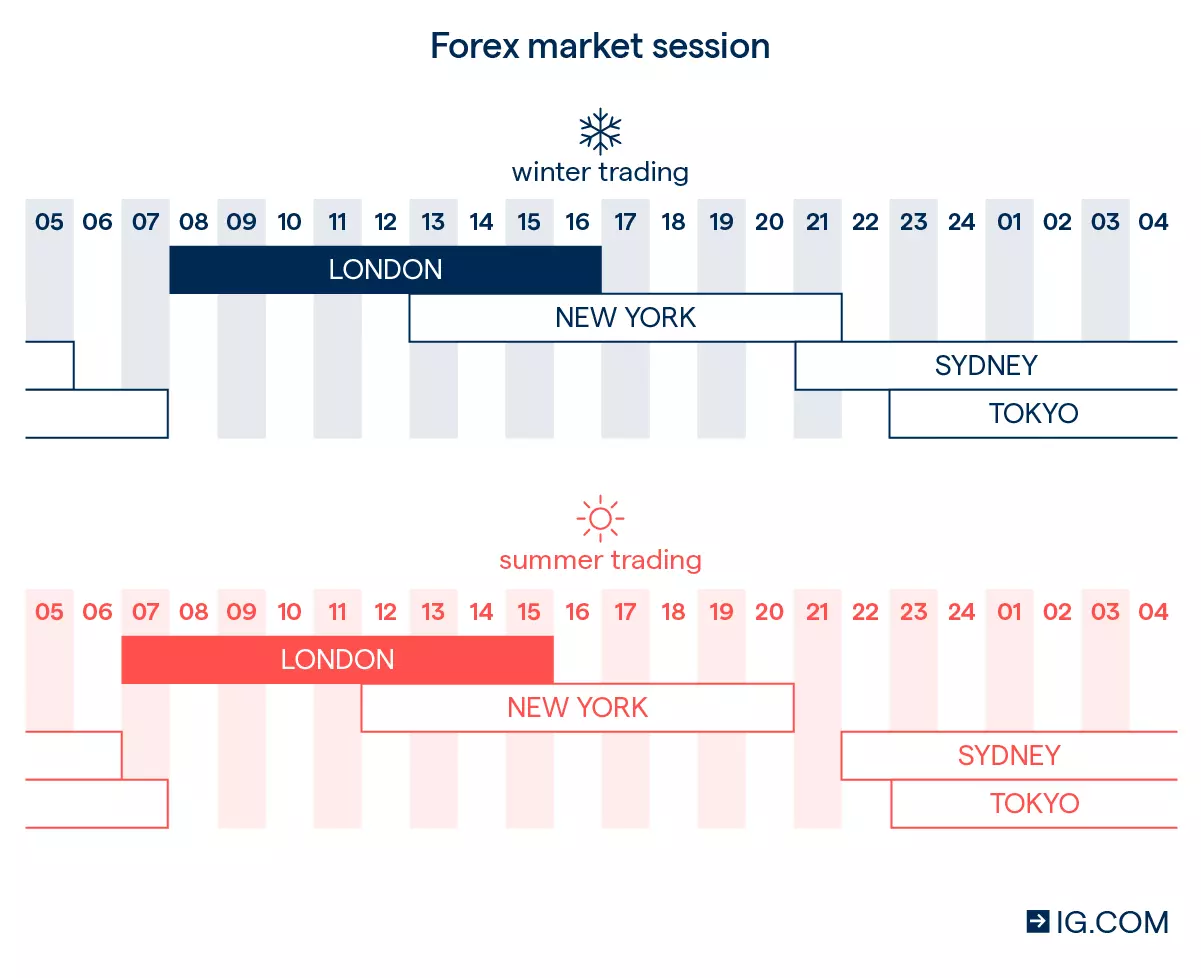
The consistent use of Eastern Time (ET) across U.S. financial markets simplifies coordination and prevents confusion. Whether an investor is located in California (Pacific Time), London (Greenwich Mean Time), or Tokyo (Japan Standard Time), all premarket and regular market hours are universally referenced against ET. This standardization is critical for global participation, allowing investors worldwide to synchronize their trading strategies and react to U.S. market events in real-time, regardless of their local time zone. Therefore, any international investor must convert these ET times to their local time to accurately plan their premarket activities. For example, an investor in London would need to remember that 4:00 AM ET is 9:00 AM GMT (during standard time) or 10:00 AM BST (during daylight saving time), depending on the time of year.
Considerations for International Investors
For international investors, navigating premarket hours involves an additional layer of complexity: time zone conversion and potential logistical challenges. Accessing U.S. markets from a different time zone might mean premarket hours fall in the middle of their night, requiring significant commitment and potentially disrupting sleep patterns. Furthermore, regulatory differences, tax implications, and currency exchange rates add further considerations to their overall investment strategy. Despite these hurdles, many international investors actively participate in premarket sessions to capitalize on news relevant to U.S.-listed companies, especially those with global operations or strong international market exposure. They often rely on sophisticated financial tools and platforms that provide real-time data and facilitate seamless trading across borders.
Advantages and Disadvantages of Premarket Trading
While premarket trading offers unique opportunities, it also comes with inherent risks that investors must carefully weigh. A balanced understanding of both sides is essential for effective participation.
Opportunities for Early Movers
The most compelling advantage of premarket trading is the opportunity for early movers to react to significant news before the wider market. For instance, a company announcing better-than-expected earnings before the market opens might see its stock price jump significantly in premarket. Investors who are quick to analyze the news and execute trades can potentially secure favorable entry or exit prices that might not be available once regular trading begins and liquidity increases. This “information arbitrage” allows savvy traders to capitalize on immediate price reactions to catalysts like M&A announcements, FDA approvals, or major analyst upgrades/downgrades. For specific individual stocks, these early moves can set the tone for the entire day.
Reduced Liquidity and Increased Volatility
Conversely, the most significant disadvantage of premarket trading is reduced liquidity. With fewer participants and lower trading volumes compared to regular hours, it can be challenging to execute large orders without significantly impacting the stock price. Bid-ask spreads (the difference between the highest price a buyer is willing to pay and the lowest price a seller is willing to accept) tend to be wider, meaning investors might buy at a higher price or sell at a lower price than they would during regular hours. This reduced liquidity directly contributes to increased volatility, as even small trades can cause disproportionately large price swings. A stock might gap up or down significantly on relatively thin volume, creating a false sense of direction that could reverse once the regular session begins.
The Information Edge (and its Perils)
Access to real-time news and the ability to act on it swiftly can provide an information edge during premarket hours. However, this edge is a double-edged sword. While early access to official company announcements or breaking geopolitical news is powerful, premarket can also be rife with rumors, unverified reports, or manipulative “pump and dump” schemes targeting thinly traded stocks. It’s crucial for investors to only act on confirmed, credible information from reputable sources. Furthermore, the limited liquidity means that market makers and larger institutional players often have more control over prices, potentially disadvantaging individual investors who might not have the same level of market insight or capital to influence prices. The “smart money” often participates, and individual investors need to be wary of being on the wrong side of their moves.
Strategies for Effective Premarket Participation
To navigate the intricacies of premarket trading successfully, investors need a well-defined strategy that mitigates risks while capitalizing on potential opportunities.
Monitoring News and Earnings Reports
The bedrock of any effective premarket strategy is diligent monitoring of news and earnings reports. Investors should track an economic calendar for upcoming data releases, subscribe to financial news services that provide real-time alerts, and follow corporate press releases. Companies typically release earnings reports either before the market opens or after it closes. Reacting to these reports immediately, based on a quick analysis of key metrics and future guidance, can provide an advantage. However, it’s not enough to just read the headline; understanding the context and potential market implications is paramount. Keeping an eye on global markets, commodity prices, and currency movements can also provide early clues about the direction of U.S. premarket trading.
Using Limit Orders Wisely
Given the reduced liquidity and increased volatility of premarket trading, using limit orders is not just recommended, but often essential. A limit order allows an investor to specify the maximum price they are willing to pay for a security (buy limit) or the minimum price they are willing to accept when selling (sell limit). This prevents unexpected price execution at unfavorable levels due to wide bid-ask spreads or sudden price swings. Market orders, which instruct the broker to execute a trade immediately at the best available price, are generally discouraged during premarket hours due to the risk of significant slippage. Investors might find themselves buying at a much higher price or selling at a much lower price than anticipated if using a market order in a low-liquidity environment.
Risk Management and Position Sizing
Effective risk management is crucial in premarket trading. Due to heightened volatility, positions should generally be smaller than those taken during regular hours. Investors should define their maximum acceptable loss per trade and utilize stop-loss orders (though these can be susceptible to wide spreads and gaps in premarket). It’s also wise to have a clear profit target and an exit strategy before entering a trade. Over-leveraging or taking excessively large positions in a low-liquidity environment can lead to significant and rapid losses. Understanding that not every premarket move will translate into a sustained trend during regular hours is also key; some early moves are merely temporary reactions to news that will normalize later.
The Importance of Brokerage Access
Not all brokerage firms offer the same level of premarket access. Some might only allow trading an hour or two before the market open, while others provide the full 4:00 AM ET window. Furthermore, some brokers may have restrictions on which types of orders can be placed, or may charge higher commissions for extended-hours trading. Before engaging in premarket activity, investors must verify their broker’s specific policies, available trading hours, accepted order types, and associated fees. It’s also important to ensure the brokerage platform provides real-time data and Level 2 market depth information, which can be invaluable for understanding supply and demand dynamics in a less liquid market.
Beyond Premarket – Extending Trading Hours and Their Impact
Premarket trading is part of a broader trend towards extending trading hours, reflecting the continuous nature of global financial markets and the digital age’s demand for instant access. Understanding this larger context helps investors appreciate the evolving landscape of market activity.
The Role of After-Hours Trading
Just as premarket extends trading before the open, after-hours trading extends it past the close of the regular session, typically from 4:00 PM ET to 8:00 PM ET. This period serves a similar purpose, allowing investors to react to news released after the market close, such as late-breaking earnings reports or significant policy announcements. Both premarket and after-hours trading fall under the umbrella of “extended-hours trading,” characterized by lower liquidity, wider spreads, and increased volatility compared to regular hours. These extended sessions collectively facilitate a more continuous price discovery process, ensuring that the market’s reaction to news isn’t artificially delayed.
Fragmentation of Market Data
The proliferation of extended-hours trading and the rise of various electronic communication networks (ECNs) have led to greater fragmentation of market data. Prices and volumes displayed on one ECN during premarket might not fully reflect the activity on another, potentially leading to slight price discrepancies across different platforms. This fragmentation means that getting a comprehensive view of market depth and true price action requires access to consolidated data feeds, which can be expensive or unavailable to individual investors. For individual traders, this highlights the importance of relying on their broker’s specific data feed and understanding its limitations when making decisions during less liquid periods.
The Future of 24/7 Trading
The trend towards extended trading hours is likely to continue, with discussions around the possibility of 24/7 trading becoming more prominent. The advent of cryptocurrencies, which trade continuously around the clock, has demonstrated the viability and demand for uninterrupted market access. While fully 24/7 trading for traditional equities presents logistical challenges related to staffing, regulatory oversight, and data processing, the increasing globalization of finance and technological advancements make it a distinct possibility in the future. Should this transition occur, it would fundamentally reshape how investors approach market analysis, risk management, and the very concept of “what time is premarket,” rendering such a question obsolete in a perpetually open market. This evolution would demand even greater vigilance and continuous monitoring, turning investing into a truly ceaseless endeavor.
aViewFromTheCave is a participant in the Amazon Services LLC Associates Program, an affiliate advertising program designed to provide a means for sites to earn advertising fees by advertising and linking to Amazon.com. Amazon, the Amazon logo, AmazonSupply, and the AmazonSupply logo are trademarks of Amazon.com, Inc. or its affiliates. As an Amazon Associate we earn affiliate commissions from qualifying purchases.