
Navigating the landscape of modern personal finance requires more than just an understanding of interest rates and investment portfolios; it necessitates a practical knowledge of how and when you can access your capital. For millions of customers, the question “what time is Bank of America open till?” is the starting point for managing their daily financial logistics. While the digital revolution has moved many banking activities to the palm of our hands, the physical branch remains a cornerstone of the financial experience for complex transactions, notary services, and personalized financial advice.
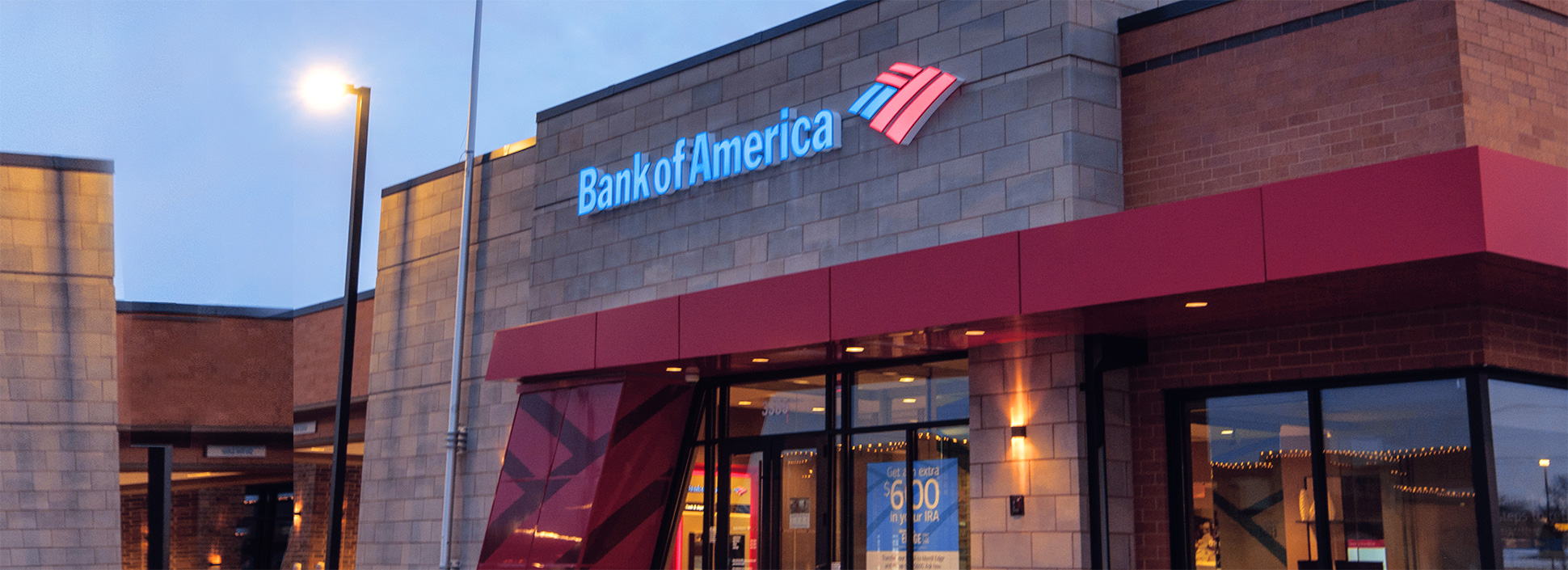
Understanding the operational window of one of the world’s largest financial institutions involves looking at standard business hours, regional variations, and the sophisticated digital ecosystem that fills the gaps when the doors are locked. This guide provides a deep dive into Bank of America’s accessibility, ensuring you can manage your money efficiently and without friction.
Understanding Standard Bank of America Operating Hours
Bank of America, like most major national banks, adheres to a schedule that balances customer needs with the operational requirements of the Federal Reserve System. While specific hours can vary based on your geographic location, there are general patterns that define the banking week.
Weekday Schedules: The 9-to-4 Standard
For the majority of retail branches across the United States, Bank of America typically opens its doors at 9:00 AM local time and closes at 4:00 PM or 5:00 PM. This schedule is designed to align with the core business hours of the financial markets. In high-traffic urban centers or financial districts, you may find branches that stay open until 6:00 PM to accommodate professionals leaving their offices. Conversely, in smaller towns or rural areas, a 4:00 PM sharp closure is common.
Knowing the exact closing time of your local branch is critical for “same-day” processing. If you enter a branch minutes before closing, you can generally complete your transaction, but the “effective date” of that transaction—such as a check deposit or a wire transfer—may be pushed to the following business day depending on the specific cut-off times of the institution.
Saturday and Weekend Access
Recognizing the demands of the modern workforce, many Bank of America locations offer Saturday hours. These are typically abbreviated, often running from 9:00 AM to 1:00 PM or 2:00 PM. Saturday banking is primarily focused on consumer services—opening accounts, depositing checks, or consulting with a personal banker. It is important to note that while the branch is physically open, Saturday is not considered a “Federal Business Day.” This means that funds deposited on a Saturday typically do not begin processing until the following Monday.
Sundays remain a day of rest for the vast majority of physical banking locations. With very few exceptions in specialized high-traffic retail environments (like certain mall-based kiosks), Bank of America branches are closed on Sundays.
The Impact of Federal Holidays
As a member of the Federal Reserve System, Bank of America observes all federal holidays. On these days, physical branches are closed, and the processing of electronic transfers (ACH) and paper checks is paused. These holidays include:
-
New Year’s Day
-
Martin Luther King, Jr. Day
-
Presidents’ Day
-
Memorial Day
-
Juneteenth National Independence Day
-
Independence Day
-
Labor Day
-
Columbus Day (Indigenous Peoples’ Day)
-
Veterans Day
-
Thanksgiving Day
-
Christmas Day
Strategic financial planning involves looking ahead at the calendar. If you have a bill due on a Monday that happens to be a federal holiday, ensuring your funds are positioned by the preceding Friday is a hallmark of sound personal finance management.
Navigating the Digital Shift: Banking Beyond the Clock
The question of “what time is the bank open” has become less restrictive thanks to the robust digital infrastructure Bank of America has developed. For the modern consumer, banking is now a 24/7 endeavor. When the physical lobby closes, the digital “branch” remains fully operational.
The 24/7 Power of Mobile and Online Banking
The Bank of America mobile app and online portal have transformed how users interact with their money. These platforms allow for a wide array of actions that previously required a branch visit:
-
Mobile Check Deposit: Using a smartphone camera, users can deposit checks at midnight on a Tuesday or mid-afternoon on a Sunday.
-
Internal and External Transfers: Moving money between Bank of America accounts or to external institutions via Zelle or standard ACH.
-
Bill Pay: Scheduling payments to utilities, credit cards, and landlords to ensure they arrive on time, regardless of branch hours.
-
Card Management: Locking a lost debit card or ordering a replacement can be done instantly through the app, providing a layer of security that doesn’t wait for business hours.

Advanced ATM Functionality
Bank of America’s network of ATMs has evolved into “Financial Centers” in their own right. Many modern ATMs allow for more than just cash withdrawals. Customers can deposit stacks of cash or multiple checks without an envelope, and the machines provide digitized receipts. Some locations feature “ATM with Teller Assist,” which allows users to interact with a live representative via video during extended hours, often earlier and later than the standard lobby hours.
Virtual Appointments: The Consultative Future
One of the most significant shifts in banking accessibility is the ability to schedule virtual appointments. If you need to discuss a mortgage, a small business loan, or investment strategies through Merrill (Bank of America’s investment arm), you are no longer tethered to the physical lobby. By scheduling a virtual meeting, you can receive professional financial advice from your home or office, often with more flexible scheduling options than a walk-in visit would afford.
Transaction Timing and the Concept of “Business Days”
In the world of personal finance, the time the bank “closes” is often less important than the “cut-off time” for transactions. Understanding this distinction is vital for maintaining liquidity and avoiding late fees or overdrafts.
Cut-off Times for Deposits and Transfers
Even if a branch is open until 5:00 PM, the bank may have a 2:00 PM or 3:00 PM cut-off time for certain types of transactions to be processed on the same day. For example, if you initiate a wire transfer at 4:30 PM, it is highly likely that the transfer will not be sent until the following morning. Similarly, mobile deposits made after a certain hour (often 8:00 PM ET or 9:00 PM ET) are usually credited to the next business day’s activity.
The Importance of “Available Balance” vs. “Present Balance”
Banking hours directly impact how your balance is displayed. When you make a deposit at an ATM or via a mobile app after hours, you might see the amount reflected in your “Present Balance,” but it may not be in your “Available Balance” until the bank’s overnight processing is complete. Professional money management requires tracking these discrepancies to ensure that scheduled automated payments (like an auto-loan or mortgage payment) do not bounce due to timing issues.
Strategic Planning: When to Visit a Branch
While digital tools handle the “what,” the “when” of visiting a physical branch still matters for specific financial tasks. To maximize efficiency, customers should align their visits with the type of service required.
Complex Transactions and Notary Services
Certain financial actions require a physical presence and legal verification. If you need a document notarized, a medallion signature guarantee for the transfer of securities, or a cashier’s check for a real estate closing, you must plan your visit during lobby hours. It is highly recommended to use the Bank of America online scheduling tool to book an appointment for these services. This ensures that a qualified staff member—such as a Notary Public—is available when you arrive, saving you from a wasted trip near closing time.
Cash Management for Small Businesses
For small business owners, the “closing time” of the bank is a daily deadline. Business deposits involving large amounts of currency generally require a teller’s verification. Utilizing the “Night Drop” box is a solution for businesses that close after the bank does, allowing for secure deposits that are processed first thing the following business morning.
Wealth Management and Private Banking
For high-net-worth individuals, banking hours are often more flexible. Bank of America’s Private Bank and Merrill advisors often work by appointment and may meet clients outside of traditional retail hours. This tier of service emphasizes the “Brand” aspect of Bank of America—positioning the institution not just as a place to store money, but as a dedicated partner in wealth creation.

Conclusion: Mastering Your Financial Clock
Knowing what time Bank of America is open till is more than just a logistical detail; it is a fundamental component of financial literacy. In a world where money moves at the speed of light, the physical constraints of the banking system still play a role in how that money is processed, verified, and protected.
By leveraging the standard branch hours for complex, in-person needs and utilizing the 24/7 digital suite for daily maintenance, you can create a seamless financial workflow. The key to successful money management is proactive planning—understanding the cut-off times, respecting the federal holiday calendar, and knowing how to use the mobile app to bridge the gap between “closing time” and the next business morning. In doing so, you ensure that your capital is always working for you, regardless of whether the bank doors are open or shut.
aViewFromTheCave is a participant in the Amazon Services LLC Associates Program, an affiliate advertising program designed to provide a means for sites to earn advertising fees by advertising and linking to Amazon.com. Amazon, the Amazon logo, AmazonSupply, and the AmazonSupply logo are trademarks of Amazon.com, Inc. or its affiliates. As an Amazon Associate we earn affiliate commissions from qualifying purchases.