
For anyone navigating the dynamic world of stock market investing, understanding the operational hours of major exchanges is not merely a piece of trivia; it is fundamental to strategic planning, risk management, and successful trade execution. The Nasdaq Stock Market, a global electronic marketplace renowned for listing many of the world’s most prominent technology and growth companies, operates within specific timeframes that every investor, from novice to seasoned professional, must comprehend.
This comprehensive guide delves into the Nasdaq’s standard trading hours, explores the extended opportunities presented by pre-market and after-hours sessions, clarifies the impact of time zones and market holidays, and explains why this knowledge is crucial for anyone looking to optimize their investment strategy. Knowing when the market opens and closes is the first step towards seizing opportunities and mitigating risks in the fast-paced financial arena.
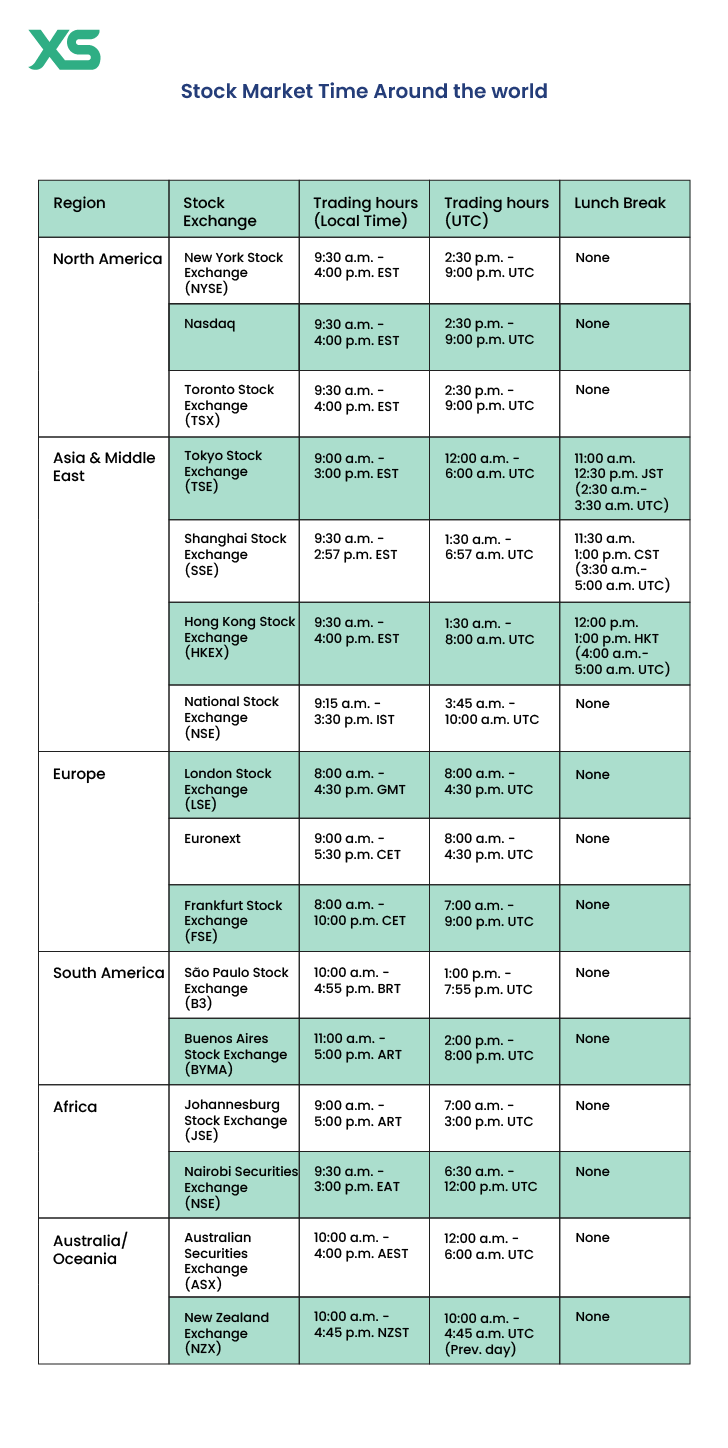
Understanding Nasdaq’s Standard Trading Hours
The core of the Nasdaq’s operations revolves around its regular market session, a period defined by consistent activity, high liquidity, and the most accessible trading conditions for the vast majority of investors.
Regular Market Session Defined
The Nasdaq Stock Market adheres to a standard trading schedule, opening its doors each weekday at 9:30 AM Eastern Time (ET) and closing at 4:00 PM Eastern Time (ET). This six-and-a-half-hour window represents the primary period for price discovery, order matching, and the execution of trades for the thousands of companies listed on the exchange. During these hours, liquidity is typically at its highest, bid-ask spreads are generally tighter, and the market generally functions with maximum efficiency and transparency.
These specific times are not arbitrary. They have evolved to create a structured environment conducive to fair and orderly trading, balancing the needs of institutional investors, individual traders, and public companies. The 9:30 AM open often witnesses a surge of activity as market participants react to overnight news, economic data releases, and global market movements. Similarly, the 4:00 PM close, often referred to as “the closing bell,” can also be a period of heightened activity as traders look to settle positions or make last-minute adjustments before the market pauses for the day. Understanding this regular session is the baseline for all market engagement.
The Rationale Behind These Hours
The choice of 9:30 AM to 4:00 PM ET as the standard trading window is rooted in several practical and historical considerations designed to optimize market functionality and cater to a broad base of participants. Firstly, it strikes a balance between providing sufficient time for trading activity and allowing for crucial back-office processing, reconciliation, and preparation for the next trading day. Financial institutions, brokerages, and clearinghouses require significant off-hours time to manage the vast volume of transactions that occur daily.
Secondly, these hours help standardize market operations across the major U.S. exchanges, including the New York Stock Exchange (NYSE), which follows the same schedule. This consistency reduces confusion and facilitates simultaneous trading strategies across different listed securities. Moreover, the 9:30 AM ET open allows participants on the U.S. East Coast to begin their trading day after morning news cycles and before lunch, while still accommodating participants further west, though requiring them to start earlier in their local time zones. Globally, these hours allow for a slight overlap with the end of the European trading day and provide a distinct window before Asian markets would heavily impact global flows again, fostering a structured rhythm within the 24-hour global financial system. The structure is essential for market integrity, enabling regulatory oversight and providing a clear framework for market participants to operate within.
Beyond the Bell: Pre-Market and After-Hours Trading
While the regular session defines much of the Nasdaq’s activity, the market doesn’t entirely sleep outside of these hours. Extended-hours trading offers opportunities and challenges that sophisticated investors often leverage.
Navigating Pre-Market Trading
Pre-market trading refers to the period before the official 9:30 AM ET open. For the Nasdaq, this typically begins as early as 4:00 AM ET and runs until the market’s regular opening. This session allows investors to react to news that breaks overnight, such as corporate earnings reports released after the previous day’s close, economic data from overseas, or significant geopolitical events.
Participants in pre-market trading are often institutional investors, hedge funds, and sophisticated individual traders who utilize Electronic Communication Networks (ECNs) to match buy and sell orders. The key advantages include the ability to get ahead of potential price movements, capitalize on early news, and react proactively to market-moving information before the broader market opens. However, pre-market trading comes with significant risks. Liquidity is generally much lower than in the regular session, leading to wider bid-ask spreads and potentially greater price volatility. Fewer participants mean that large orders can have a disproportionate impact on stock prices, making it a less predictable environment. Investors should exercise caution and be aware of these dynamics when engaging in pre-market activities.
Exploring After-Hours Trading
Conversely, after-hours trading takes place following the regular 4:00 PM ET close, typically extending until 8:00 PM ET. Similar to pre-market, this session provides a window for investors to react to news that emerges after the market closes, such as quarterly earnings calls, corporate announcements, or analyst ratings changes. Companies often schedule these disclosures to avoid disrupting the regular trading session.
Like pre-market, after-hours trading is conducted primarily through ECNs, allowing investors to submit orders that can be matched outside the main exchange hours. The advantages include the ability to capitalize on immediate reactions to news and adjust portfolios based on late-breaking information. However, the risks mirror those of pre-market trading: lower liquidity, wider spreads, and increased volatility. The reduced number of participants means that it can be harder to execute trades at desired prices, and significant price swings can occur on relatively small volumes. Investors considering after-hours trading must be acutely aware of these liquidity and volatility issues and often use limit orders to control their execution prices.
How Extended Hours Trading Works
Extended hours trading, encompassing both pre-market and after-hours sessions, operates differently from the regular market. Instead of relying on a centralized exchange to determine prices, it primarily utilizes Electronic Communication Networks (ECNs). ECNs are automated systems that display buy and sell orders from various participants and match them electronically. They essentially act as alternative trading venues during off-hours.
When you place an order with your brokerage during extended hours, it’s typically routed through these ECNs. It’s crucial to understand that not all order types are supported during extended hours. Market orders are often discouraged or even restricted by brokers due to the potential for significant price slippage. Limit orders, which specify the maximum price you’re willing to pay or the minimum price you’re willing to accept, are highly recommended because they provide a level of control over execution prices in illiquid environments. Furthermore, not all brokers offer the same extended-hours trading capabilities, and there might be specific requirements or disclaimers associated with such trades. Investors should always check with their brokerage regarding their specific policies and the ECNs they access for extended trading sessions.
Impact of Time Zones and Market Holidays
The Nasdaq’s operations are further shaped by geographical considerations and institutional breaks, both of which are critical for investors to factor into their strategies.
The Eastern Time Standard
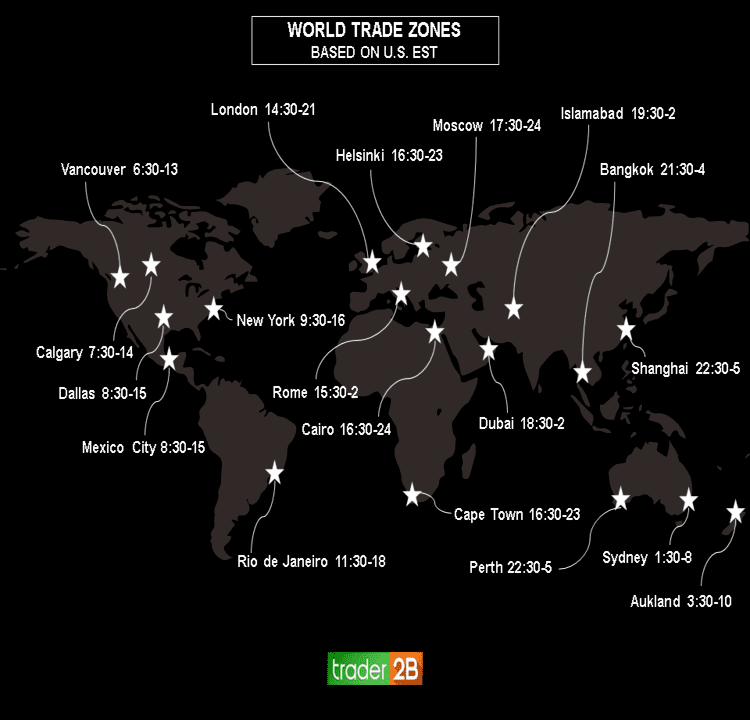
The Nasdaq’s trading hours are always quoted in Eastern Time (ET), which includes both Eastern Standard Time (EST) and Eastern Daylight Time (EDT) depending on the season. This standardization is crucial for consistency across U.S. financial markets, but it necessitates conversion for investors operating in different time zones.
For instance, an investor on the West Coast of the United States (Pacific Time, PT) needs to subtract three hours from ET. So, the 9:30 AM ET open becomes 6:30 AM PT, and the 4:00 PM ET close becomes 1:00 PM PT. Similarly, for someone in the Central Time Zone (CT), it’s a two-hour difference (8:30 AM CT to 3:00 PM CT), and for Mountain Time (MT), it’s a one-hour difference (7:30 AM MT to 2:00 PM MT). International investors must make more significant adjustments. For example, an investor in London (GMT/BST) would find the Nasdaq opening in the early afternoon and closing late evening. Accurately converting these times is essential to avoid missing the market open or close, or misinterpreting news that refers to ET. Many financial apps and websites offer automatic time zone conversion tools, which can be invaluable for global participants.
Recognizing Market Holidays
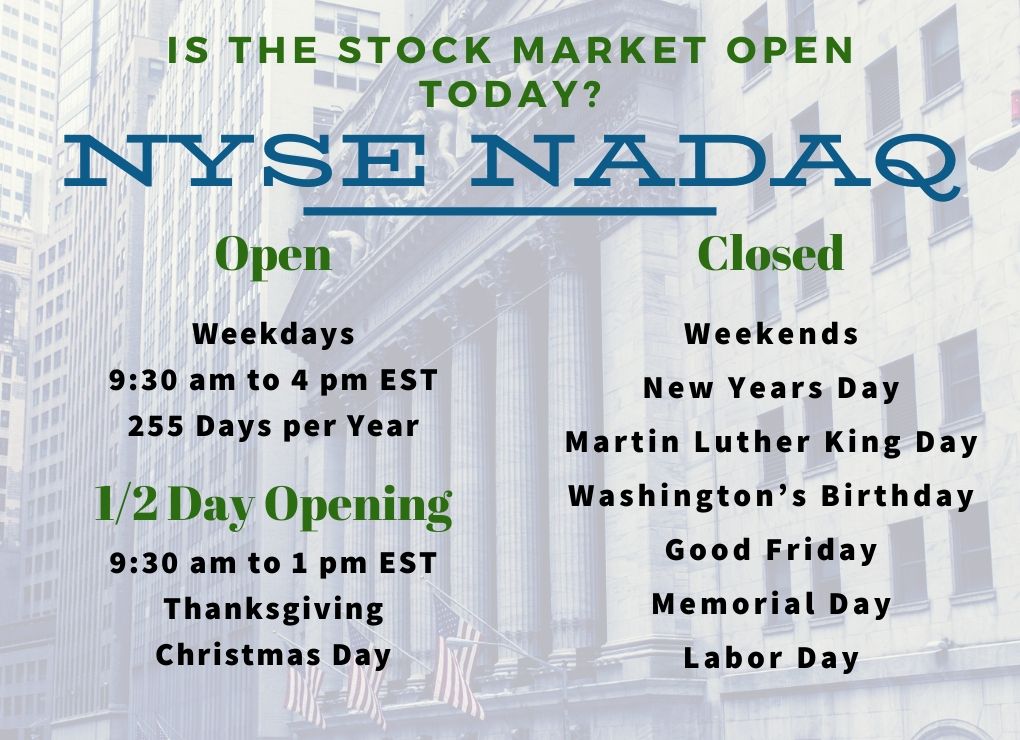
Beyond weekends, the Nasdaq, like other U.S. financial markets, observes several national holidays when it remains entirely closed. These holidays are critical to note as no trading, including extended-hours sessions, occurs on these days.
Major U.S. market holidays typically include:
- New Year’s Day (January 1)
- Martin Luther King, Jr. Day (Third Monday in January)
- Presidents’ Day (Third Monday in February)
- Good Friday (Friday before Easter)
- Memorial Day (Last Monday in May)
- Juneteenth National Independence Day (June 19)
- Independence Day (July 4)
- Labor Day (First Monday in September)
- Thanksgiving Day (Fourth Thursday in November)
- Christmas Day (December 25)
If a holiday falls on a weekend, the market typically observes it on the preceding Friday or the following Monday. For example, if Christmas Day (December 25) falls on a Saturday, the market might be closed on Friday, December 24. These closures impact trading strategies, settlement dates, and the release of economic data, all of which often get pushed to the next trading day.
Early Closures and Special Circumstances
In addition to full market holidays, the Nasdaq occasionally observes early closures, particularly around major holidays. These “half-days” typically see the market close at 1:00 PM ET instead of the standard 4:00 PM ET. Common instances for early closures include the day before Thanksgiving (i.e., the Wednesday before Thanksgiving) and Christmas Eve, especially if it falls on a weekday. The specific schedule for these early closures is announced well in advance by Nasdaq and other regulatory bodies.
While less common, extreme weather events or other extraordinary circumstances can also lead to unscheduled market closures or delays. These events are rare but demonstrate the importance of staying informed through official market news channels. Investors should always consult the official Nasdaq website or their brokerage for the most up-to-date schedule, especially around holiday periods, to ensure they are aware of any deviations from the standard trading hours. These special circumstances can affect liquidity and the timely execution of trades, making prior knowledge essential for managing investment positions effectively.
Why Knowing Trading Hours Matters for Investors
Understanding the Nasdaq’s operational schedule is more than just a logistical detail; it forms a cornerstone of effective investment strategy and risk management.
Strategic Trading and Execution
The timing of trades can significantly influence their outcome. During the regular trading session, especially near the open and close, volatility can be higher, and price swings more pronounced due to concentrated trading activity. Savvy investors might use these periods to enter or exit positions, anticipating specific market reactions to news or pre-planned strategies. Conversely, during midday, activity often subsides, leading to lower volatility and potentially tighter spreads, which some traders prefer for less frenetic execution.
Extended-hours trading presents a unique environment for strategic execution. An investor reacting to overnight news before the market opens can potentially secure a position at a more favorable price, or conversely, limit losses from adverse news. However, this also carries the risk of executing trades in illiquid conditions, which can lead to significant price slippage. Understanding when liquidity is highest, when volatility spikes, and when to avoid trading altogether due to illiquidity is paramount for achieving desired outcomes and protecting capital. Precise timing, informed by market hours, is a critical component of any well-considered trading plan.
Risk Management and Market Monitoring
Knowledge of market hours is integral to effective risk management. Trading outside the regular session, particularly during pre-market and after-hours, exposes investors to heightened risks such as lower liquidity, wider bid-ask spreads, and increased volatility. These factors can lead to rapid and unpredictable price movements, making it challenging to execute trades at desired prices or to stop losses effectively. An investor unaware of these dynamics might find themselves unable to sell a rapidly falling stock or inadvertently buying at an inflated price due to limited participation.
Moreover, monitoring the market effectively requires knowing when it’s active. During periods when the market is closed, especially over long weekends or holidays, there’s a risk of “gap openings” where a stock’s price might open significantly higher or lower than its previous close due to overnight news. Investors holding positions over such periods must be prepared for this potential volatility. Being aware of market hours allows investors to plan their portfolio reviews, set alerts, and manage their exposure, reducing the likelihood of being caught off guard by unexpected market movements during inactive periods.
Global Market Perspective
While the Nasdaq’s hours are specific to the U.S., its influence extends globally, and its schedule impacts other major markets. The U.S. trading session often bridges the gap between the close of European markets and the opening of Asian markets, acting as a significant liquidity provider and price discovery engine for global equities. Investors with international portfolios or those tracking global economic trends must understand how the Nasdaq’s hours interact with other major exchanges worldwide.
For example, major economic reports released in Europe might influence Nasdaq futures trading during the U.S. pre-market, while U.S. earnings reports after the Nasdaq’s close can significantly impact Asian market openings the following day. This interconnectedness means that even if you’re primarily focused on U.S. stocks, having a sense of the global market calendar and its relationship to Nasdaq’s hours can provide valuable context and foresight. Understanding this global rhythm allows investors to anticipate where the next wave of market sentiment or liquidity might originate, enhancing their analytical capabilities and informing more robust investment decisions.
Tools and Resources for Staying Informed
Staying up-to-date with Nasdaq’s trading hours, especially around holidays or special circumstances, is vital. Fortunately, numerous tools and resources can help investors remain informed.
Brokerage Platforms and Apps
Modern online brokerage platforms and mobile apps are indispensable tools for investors. Virtually all reputable brokers will clearly display the current market status (open, closed, pre-market, after-hours) directly on their trading interfaces. Many platforms also provide real-time clocks counting down to the market open or close, and some offer customizable alerts that can notify you when the market opens or when a specific stock reaches a certain price.
Before placing an order, especially during extended hours, your brokerage platform will typically issue warnings about the specific conditions (e.g., lower liquidity) associated with trading outside the regular session. Familiarizing yourself with your broker’s platform functionalities for market hours and notifications is a crucial step in managing your trades effectively. They often serve as the most immediate and personalized source of information regarding trading availability.
Financial News Outlets and Websites
Reliable financial news outlets and dedicated market data websites are excellent resources for official market holiday calendars and any unexpected closures. Websites like Nasdaq.com itself, Wall Street Journal, Bloomberg, Reuters, CNBC, and Yahoo Finance consistently publish updated market schedules, holiday lists, and announcements regarding early closures.
Subscribing to their newsletters or regularly checking their market calendars ensures you won’t miss any crucial non-trading days. These sources also provide context for why certain hours or closures are significant, often linking them to broader economic events or regulatory changes. Cross-referencing information from multiple reputable sources can also provide an added layer of assurance.
Setting Up Custom Alerts
Beyond general market status, investors can leverage technology to set up custom alerts for specific needs. Many brokerage platforms and third-party financial apps allow users to configure alerts for:
- Market Open/Close: Receiving a notification right before the market opens or closes.
- Specific Stock Price Targets: Getting an alert when a stock reaches a predefined price, which can be useful for planning trades around the open or close.
- News Releases: Being notified when a company you follow releases earnings or other significant news, helping you decide whether to trade during extended hours.
These personalized alerts can be invaluable for busy investors, ensuring they remain aware of critical market junctures without needing to constantly monitor their screens. Utilizing these tools effectively enhances an investor’s ability to react promptly and strategically to market developments, irrespective of their primary time zone or daily schedule.
Conclusion
Understanding “what time does the Nasdaq open” is far more than a simple inquiry about a clock. It’s a foundational piece of knowledge that underpins effective participation in the financial markets. From the consistent rhythm of the standard 9:30 AM to 4:00 PM ET session, to the nuanced opportunities and risks of pre-market and after-hours trading, every investor must grasp these operational parameters.
Acknowledging the impact of time zones and market holidays ensures that trading plans are realistic and resilient. Moreover, recognizing why these hours matter – for strategic execution, robust risk management, and a global market perspective – elevates a passive observer into an active, informed participant. By leveraging modern tools and resources, investors can stay abreast of market schedules, ensuring they are always prepared to seize opportunities and navigate the inherent volatility of the Nasdaq with confidence and precision. In the world of investing, timing truly is everything, and knowing the market’s clock is the first step towards mastering it.
aViewFromTheCave is a participant in the Amazon Services LLC Associates Program, an affiliate advertising program designed to provide a means for sites to earn advertising fees by advertising and linking to Amazon.com. Amazon, the Amazon logo, AmazonSupply, and the AmazonSupply logo are trademarks of Amazon.com, Inc. or its affiliates. As an Amazon Associate we earn affiliate commissions from qualifying purchases.