
In the world of personal finance, precision is paramount. Whether you are setting up a new direct deposit for a high-paying side hustle, organizing your monthly mortgage payments, or initiating a domestic wire transfer, there is one piece of information that acts as the primary gatekeeper for your transactions: the ABA routing number.
For customers of JPMorgan Chase, one of the largest financial institutions in the world, finding this nine-digit code is a common yet critical task. While it may seem like a minor administrative detail, understanding how to locate and use your Chase routing number is essential for seamless financial management. This guide provides a professional deep dive into the various methods of retrieving your routing number and the financial context behind why these numbers are vital to your economic life.

Understanding the Chase Routing Number System
Before diving into the “how-to,” it is important to understand the “what” and “why.” A routing transit number (RTN) is a nine-digit code used by financial institutions to identify themselves within the United States. Developed by the American Bankers Association (ABA) in 1910, these numbers ensure that funds reach the correct destination during the clearinghouse process.
What is an ABA Routing Number?
The ABA routing number serves as an address for your bank. In the same way that a ZIP code directs a letter to the correct post office, a routing number directs a digital payment to the correct financial institution. For Chase customers, this number is used specifically for domestic transactions, including ACH (Automated Clearing House) transfers and wire transfers. Without a valid routing number, the financial system cannot verify the origin or destination of funds, leading to failed transactions and potential late fees.
Why Chase Uses Multiple Routing Numbers
A common point of confusion for Chase customers is the discovery that there isn’t just one universal “Chase routing number.” Because Chase has grown through decades of mergers and acquisitions—and because it operates across various state lines—it utilizes different routing numbers based on the geographic location where your account was originally opened.
For instance, a Chase customer in New York will likely have a different routing number than a customer in California. Furthermore, Chase often distinguishes between routing numbers used for electronic transfers (like direct deposits) and those used for paper checks or wire transfers. Understanding this distinction is the first step toward masterly personal finance management.
Practical Methods to Locate Your Chase Routing Number
Chase has invested heavily in its digital infrastructure, making it remarkably easy for customers to access their banking details. There are four primary ways to find your routing number, ranging from traditional paper methods to modern mobile solutions.
Using the Chase Mobile App
For the modern professional, the Chase Mobile app is the most efficient tool for financial oversight. To find your routing number via the app:
- Log in using your biometric data or password.
- Tap on the specific checking or savings account you wish to view.
- Scroll down to the “Account details” section or look for a link labeled “Show details.”
- Your nine-digit routing number will be displayed alongside your account number.
This method is highly recommended because the app automatically shows the routing number associated with your specific account and region, minimizing the risk of manual error.
Checking Your Online Banking Portal
If you are working from a desktop, the Chase online banking portal offers a comprehensive view of your financial tools. Once logged in to the Chase website:
- Select the account in question from your dashboard.
- Look for the “See full account number” or “Account details” tab.
- Click the “Routing number” link.
Often, Chase will display two numbers here: one for ACH/Direct Deposit and one for Wire Transfers. Ensure you select the one that matches your specific transaction needs.
Examining Your Paper Checks
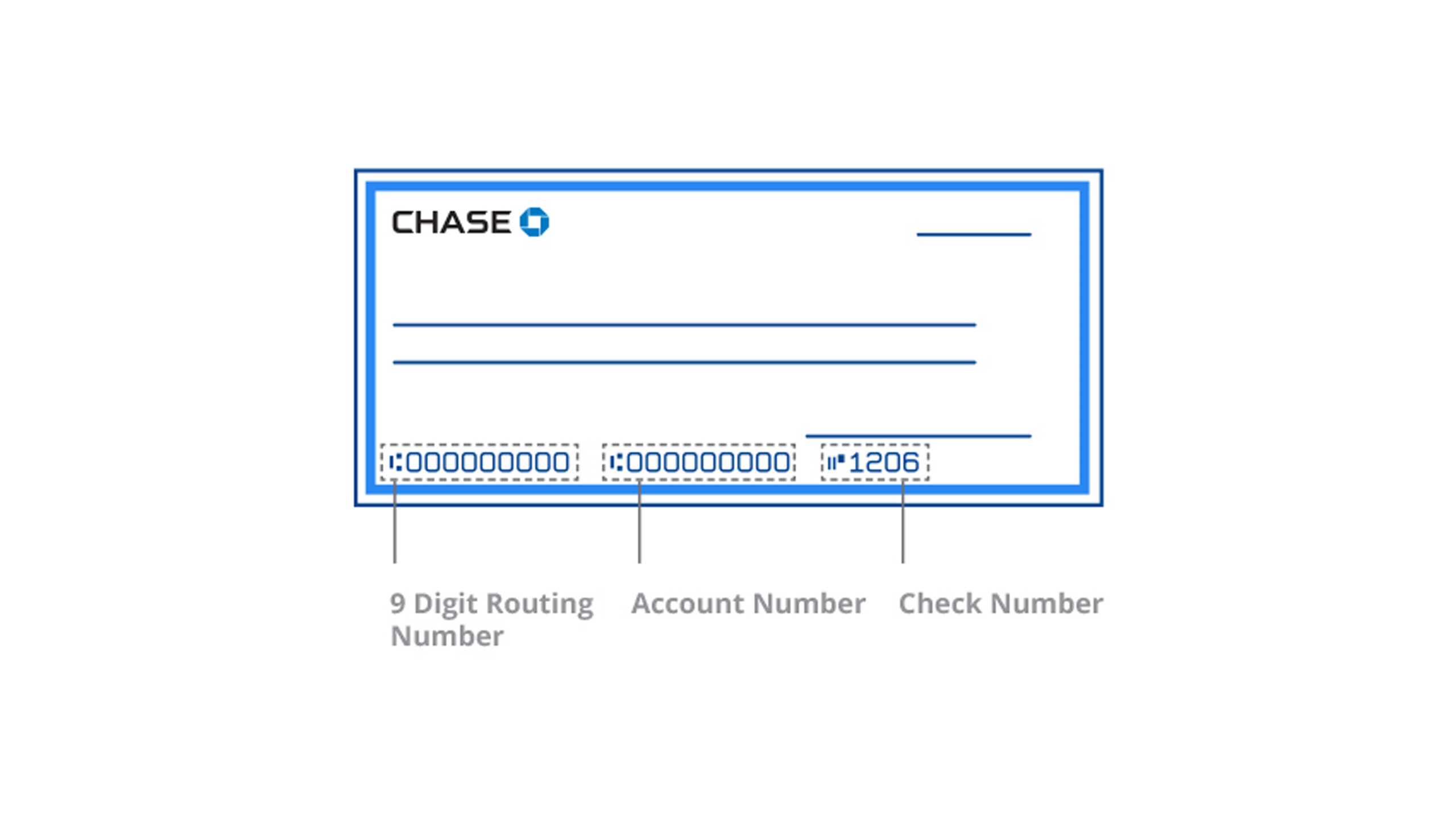
If you still use a physical checkbook, the information you need is literally at your fingertips. At the bottom of every Chase check, there is a string of numbers printed in a specialized magnetic ink (MICR).
- The first nine digits on the far left are your Routing Number.
- The middle set of numbers is your Account Number.
- The final set of numbers corresponds to the Check Number.
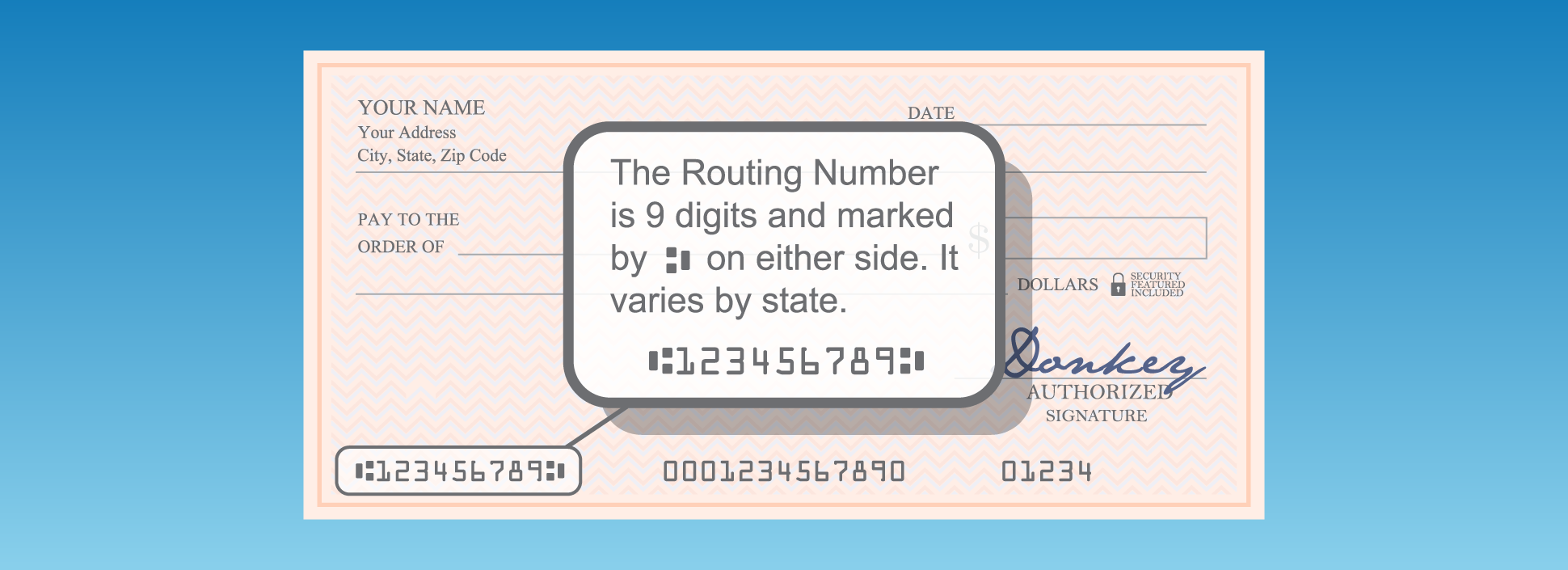
Using a check is often the most reliable way to confirm your routing number for external payment setups, such as paying a contractor or setting up a recurring utility bill.
Finding State-Specific Routing Numbers on the Chase Website
If you do not have your login credentials handy, Chase maintains a public-facing table of routing numbers on its official website. By searching for “Chase routing numbers by state,” you can find a list organized by the location where you opened your account. This is particularly useful for business owners who may be managing multiple accounts across different regions. However, always double-check these against your private statements to ensure you aren’t using a number reserved specifically for wire transfers when you only need an ACH number.
When to Use a Routing Number vs. an Account Number
In the landscape of business finance, the routing number and the account number work in tandem, but they serve different roles. Mixing them up can lead to significant delays in moving capital.
Direct Deposits and Payroll
When you start a new job or a side hustle, your employer will ask for your banking details to set up direct deposit. In this scenario, you provide the routing number to identify “Chase” as the destination and the account number to identify “you” as the recipient. For payroll, you should almost always use the “Electronic” or “ACH” routing number provided by Chase.
Electronic Fund Transfers (EFT) and ACH
ACH transfers are the backbone of the American consumer economy. They are used for peer-to-peer payments (like Venmo or Zelle), bill payments, and transferring money between different banks. For these transactions, the standard routing number found on your checks or in your app’s “Account Details” is the correct choice.
Domestic vs. International Wire Transfers
Wire transfers are used for large, time-sensitive transactions, such as a down payment on a home or a major business investment. It is critical to note that Chase may require a different routing number for domestic wire transfers than it does for standard ACH deposits.
Furthermore, if you are receiving money from abroad, a routing number is not enough. You will need a SWIFT/BIC code, which identifies Chase on the international stage. Using a domestic routing number for an international transfer will result in the funds being rejected by the intermediary bank, often incurring heavy “bounce” fees.
Digital Security and Protecting Your Banking Information
As you navigate your financial tools, security must remain a top priority. While a routing number is not “private” in the same way a Social Security number is (after all, it’s printed on every check you write), it is still a key component of your financial identity.
Is Sharing Your Routing Number Safe?
Generally, sharing your routing number along with your account number is safe when dealing with reputable entities, such as your employer, the IRS, or established utility companies. Because the routing number is public information for the bank, it cannot be used alone to access your funds. However, in the hands of a sophisticated fraudster, the combination of your routing and account numbers could be used to create fraudulent checks or unauthorized ACH withdrawals.
Best Practices for Financial Privacy
To protect your wealth, follow these professional guidelines:
- Monitor your accounts daily: Use the Chase app to set up “Real-time Alerts” for any outgoing transfers.
- Use secure connections: Never look up your routing or account numbers on public Wi-Fi without a VPN.
- Verify the recipient: Before sending your routing information to a new vendor or business partner, verify their identity via a secondary communication channel (such as a phone call).
- Dispose of documents properly: If you have old Chase checks or bank statements containing your routing number, use a cross-cut shredder rather than simply tossing them in the trash.
Conclusion: Empowering Your Financial Journey
Finding your Chase routing number is a foundational skill in the broader context of personal and business finance. Whether you utilize the Chase Mobile app, log in to the online portal, or simply glance at a paper check, having this nine-digit code ready allows you to move money with confidence and efficiency.
By understanding the nuances between ACH and wire transfer numbers, and by maintaining a high standard of digital security, you ensure that your financial logistics are handled with professional-grade precision. In the fast-paced world of modern finance, staying informed about these “small” details is what ultimately leads to long-term fiscal stability and success.
aViewFromTheCave is a participant in the Amazon Services LLC Associates Program, an affiliate advertising program designed to provide a means for sites to earn advertising fees by advertising and linking to Amazon.com. Amazon, the Amazon logo, AmazonSupply, and the AmazonSupply logo are trademarks of Amazon.com, Inc. or its affiliates. As an Amazon Associate we earn affiliate commissions from qualifying purchases.