
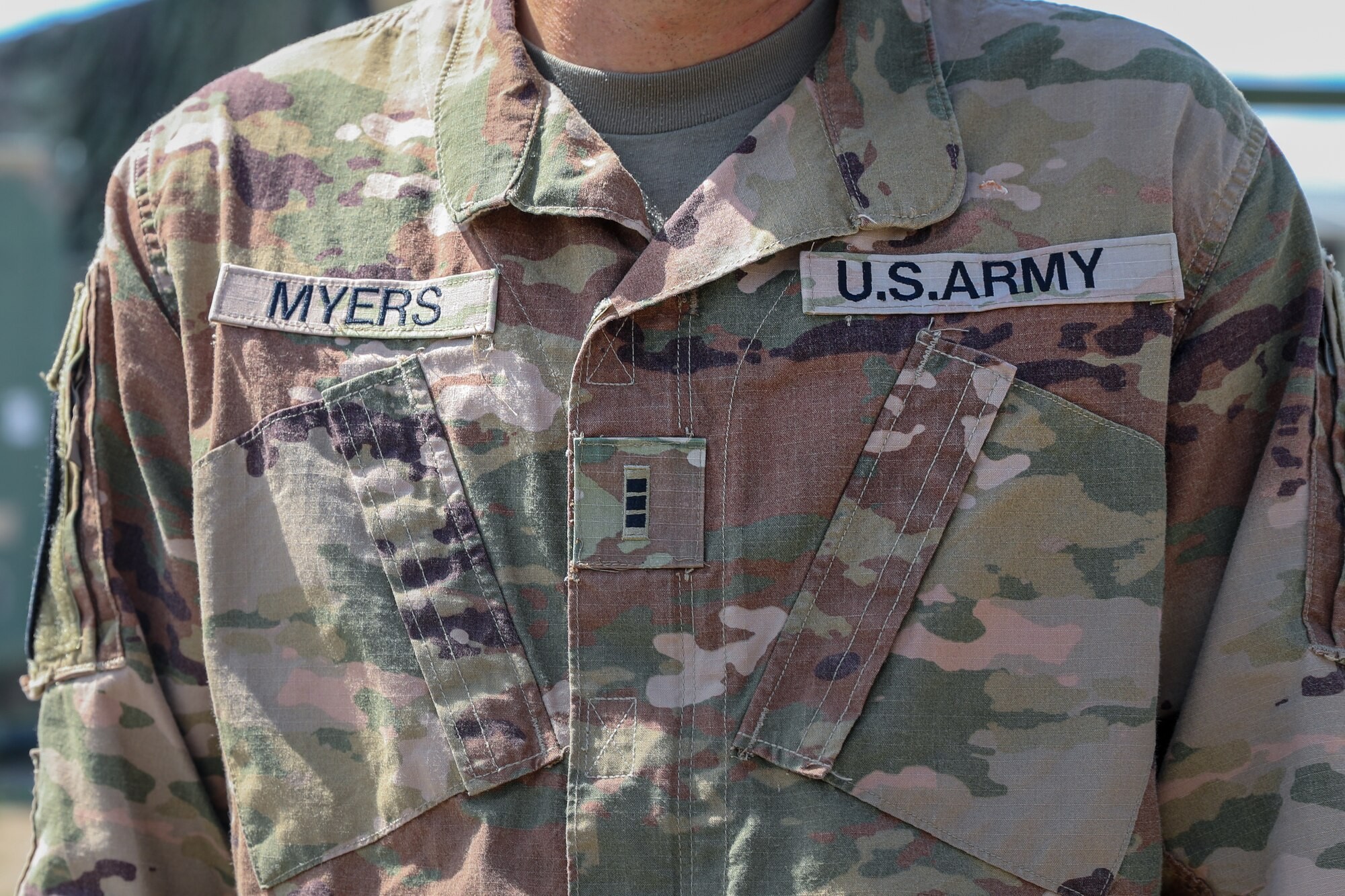
The United States Army, a complex and multifaceted organization, relies on a diverse array of personnel to execute its vast operational mandates. Among these critical components are Warrant Officers, a unique group whose distinct roles, specialized expertise, and career paths set them apart from both commissioned officers and enlisted soldiers. Far from being a mere intermediate rank, Warrant Officers represent a vital nexus of technical proficiency, operational leadership, and enduring institutional knowledge. Understanding the essence of an Army Warrant Officer requires delving into their origins, their specialized domains, their progression, and the indispensable value they bring to the modern military landscape.
The Unique Evolution and Purpose of Army Warrant Officers
The genesis of the Warrant Officer (WO) corps is rooted in the practical necessity for specialized technical leadership that transcended the traditional officer and enlisted structures. Historically, armies have recognized the need for individuals with deep, hands-on expertise in specific technical fields – those who could maintain complex equipment, direct specialized operations, and serve as trusted advisors on matters requiring profound technical acumen. The Warrant Officer system in the U.S. Army evolved to formalize and institutionalize this requirement, creating a dedicated pathway for individuals to hone and apply their specialized skills at higher levels of responsibility.
A Legacy of Specialization: From Mechanists to Modern Technologists
The early iterations of the Warrant Officer role were often tied to the burgeoning industrial and technological advancements of warfare. In the early 20th century, as military equipment became more intricate, the need for skilled mechanics, artificers, and engineers became paramount. Soldiers who possessed exceptional aptitude in these areas were granted warrants – a form of official authorization – to lead and manage these critical technical functions. This foundation in practical, hands-on expertise has remained a defining characteristic of the Warrant Officer.
Over time, as military technology continued its relentless advance, the scope of Warrant Officer specializations expanded dramatically. From aviation and communications to intelligence and logistics, new fields emerged, each demanding a cadre of highly trained and experienced professionals. The Warrant Officer system adapted, creating new MOSs (Military Occupational Specialties) and appointing individuals who demonstrated exceptional mastery in these evolving domains. This inherent adaptability has ensured that Warrant Officers remain at the forefront of the Army’s technological capabilities, bridging the gap between theoretical knowledge and practical application.
The “Officer” Without a Traditional Commission: A Distinctive Pathway
A key distinction that often causes confusion is the Warrant Officer’s status as an “officer” without having followed the traditional path of a commissioned officer, typically through ROTC or Officer Candidate School. While both commissioned officers and Warrant Officers hold officer status and are addressed as “Sir” or “Ma’am” and by their rank, their career trajectories and core responsibilities differ significantly.
Commissioned officers are generally educated and trained for broad leadership and command roles, managing personnel and strategic objectives across various disciplines. Their career progression often involves movement through different command positions and exposure to diverse staff functions. Warrant Officers, on the other hand, are appointed based on their proven technical expertise and are expected to remain deeply immersed in their chosen specialization throughout their careers. This focused depth of knowledge, rather than breadth of command, is their hallmark. They are the technical experts, the senior advisors, and the operational leaders in their specific fields, often commanding units or leading operations directly related to their technical MOS. This focused expertise makes them invaluable assets, providing continuity and deep institutional knowledge that can be harder to cultivate in traditionally rotating officer corps.
The Technological Domains of the Army Warrant Officer
The modern Army Warrant Officer corps is a testament to the intricate technological tapestry that underpins contemporary military operations. Their roles are not confined to a single area but span a wide spectrum of highly specialized technical fields, each critical to the Army’s ability to project power, maintain readiness, and achieve mission objectives. These domains represent the cutting edge of military technology and require individuals with exceptional aptitude, dedication, and continuous learning.
Aviation: The Skies as a Domain of Expertise
Perhaps one of the most visible and widely recognized specializations for Warrant Officers is in Army Aviation. From the early days of rotary-wing flight to the sophisticated unmanned aerial systems (UAS) of today, Warrant Officers have been the backbone of Army aviation operations. Their expertise encompasses piloting a vast array of aircraft, including attack helicopters (like the AH-64 Apache), utility helicopters (like the UH-60 Black Hawk), and reconnaissance aircraft.
Beyond piloting, these Aviation Warrant Officers are deeply involved in aircraft maintenance, flight safety, mission planning, and the tactical employment of air assets. They are the masters of the flight envelope, understanding the intricate mechanics, aerodynamics, and operational nuances of each aircraft platform. Their decision-making in high-stress combat environments, informed by years of specialized training and experience, is often critical to mission success and the survivability of their crews and fellow soldiers. The development and integration of advanced avionics, targeting systems, and sensor technologies within these aircraft also fall under their purview, ensuring the Army maintains a technological edge in aerial warfare.
Advanced Communications and Information Technology
In an era defined by information dominance, the role of Warrant Officers in communications and information technology is more critical than ever. These individuals are the architects and guardians of the Army’s global communication networks, ensuring seamless connectivity from the tactical edge to strategic headquarters. Their expertise covers a vast range of technologies, including satellite communications, tactical radio systems, network operations, cybersecurity, and data management.
These Warrant Officers are responsible for designing, implementing, and maintaining the complex infrastructure that allows for secure and reliable information flow. They are adept at troubleshooting sophisticated network issues, defending against cyber threats, and integrating new communication technologies into existing systems. Their deep understanding of protocols, encryption, and network architecture ensures that the Army can communicate effectively in any environment, even under duress. As the Army increasingly relies on data-driven decision-making and advanced digital platforms, the technical acumen of these Warrant Officers is indispensable for maintaining operational superiority.
Logistics and Engineering: The Backbone of Sustainment
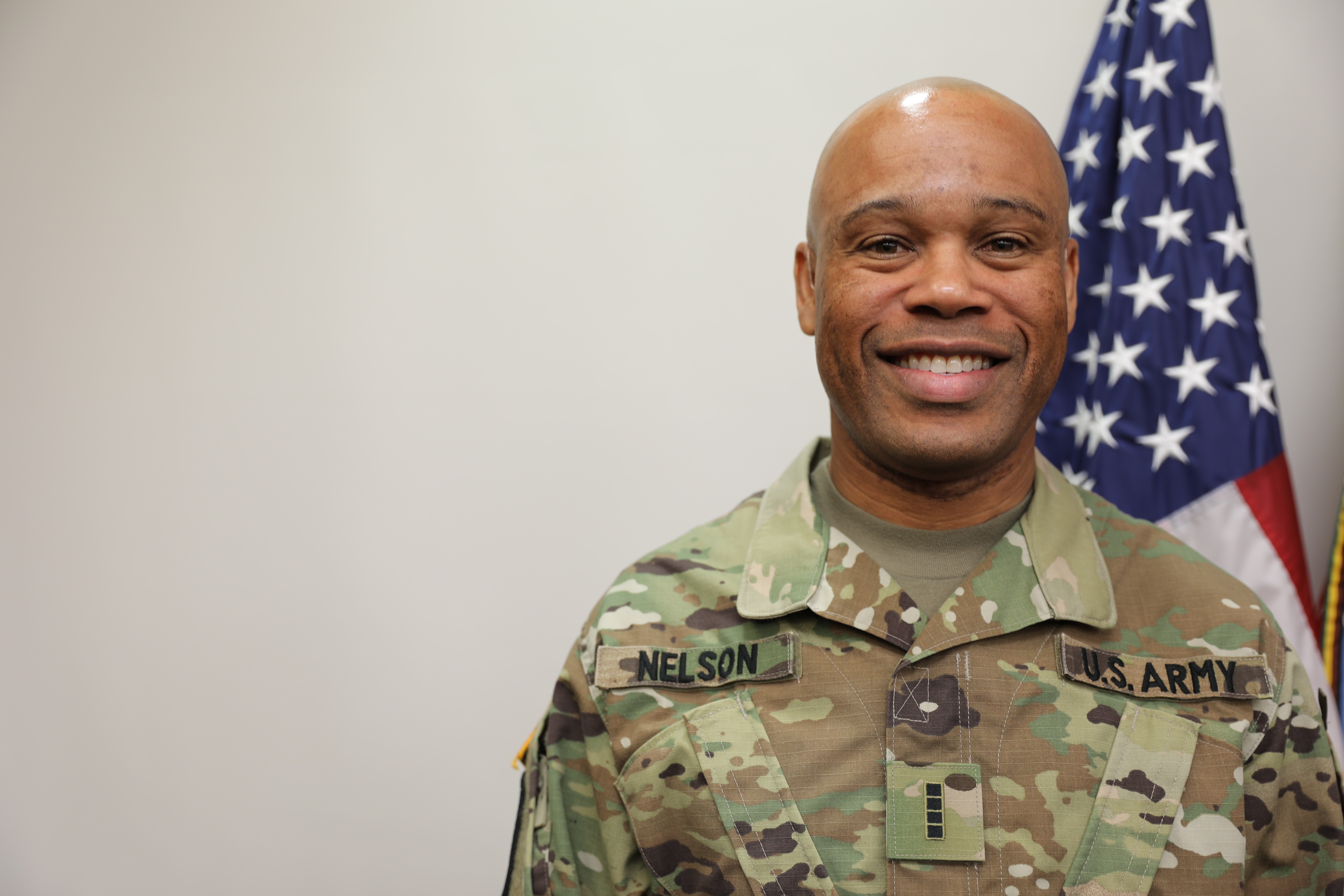
The operational effectiveness of any military force hinges on its ability to sustain itself. Warrant Officers in logistics and engineering play a pivotal role in ensuring that troops have the resources, equipment, and infrastructure they need to succeed. Their technical expertise spans a broad spectrum, from the maintenance and repair of complex vehicles and heavy equipment to the management of supply chains and the construction of essential infrastructure.
Maintenance Warrant Officers, for instance, are the go-to experts for keeping the Army’s vast fleet of vehicles, aircraft, and weaponry in peak operational condition. They possess an intimate knowledge of complex mechanical, electrical, and hydraulic systems, diagnosing and rectifying issues that would stymie less experienced personnel. Engineering Warrant Officers are involved in everything from battlefield construction and route reconnaissance to the management of transportation networks and the planning of complex logistical movements. Their technical proficiency in areas like civil engineering, transportation management, and supply chain optimization ensures that the Army can operate effectively in diverse and challenging environments. The integration of advanced maintenance technologies, predictive analytics for equipment health, and innovative logistical solutions are areas where these Warrant Officers are constantly pushing the boundaries.
Other Specialized Technical Fields
The breadth of Warrant Officer specializations extends far beyond these prominent examples. The Army entrusts Warrant Officers with critical roles in numerous other highly technical domains, including:
- Intelligence: Warrant Officers specializing in intelligence are crucial for analyzing vast amounts of data from various sources, developing actionable intelligence, and advising commanders on the threat landscape. Their technical skills often involve advanced data analytics, exploitation of signals intelligence, and the operation of sophisticated surveillance systems.
- Ordnance and Munitions: These Warrant Officers are responsible for the safe storage, maintenance, and accountability of the Army’s vast array of ordnance and munitions, ensuring the readiness of critical combat support capabilities. Their technical knowledge of explosives, weapon systems, and safety protocols is unparalleled.
- Cyber Warfare: As cyber threats become increasingly sophisticated, Warrant Officers are at the forefront of defending Army networks and developing offensive cyber capabilities. They are the technical wizards who understand the intricacies of digital vulnerabilities and the art of cyber defense and offense.
- Medical Systems: Specialized Warrant Officers ensure the operation and maintenance of complex medical equipment, from diagnostic imaging machines to life support systems, ensuring the delivery of advanced medical care in the field.
Each of these fields requires a deep and enduring commitment to technical mastery, continuous learning, and the application of advanced technologies.
The Warrant Officer Career Path: A Journey of Technical Mastery and Leadership
The career of an Army Warrant Officer is a unique journey characterized by a deliberate progression through specialized technical training, practical experience, and increasing leadership responsibilities within their chosen field. Unlike the broader career paths of commissioned officers, the Warrant Officer path is designed for deep expertise and enduring contribution to a specific technical domain.
Entry and Advancement: From Enlisted Ranks to Technical Expertise
Most aspiring Warrant Officers begin their military careers as enlisted soldiers, gaining foundational skills and experience in various Army occupations. The decision to pursue the Warrant Officer path is typically made after a soldier has achieved a certain level of proficiency and maturity in their enlisted role, demonstrating exceptional aptitude and a desire for advanced technical specialization.
The application process is rigorous, requiring a significant commitment to demonstrating technical competence, leadership potential, and a clear understanding of the chosen MOS. Successful candidates then attend the Warrant Officer Candidate School (WOCS), a demanding training program that bridges the gap between enlisted service and officer status, focusing on leadership principles, military doctrine, and the fundamental requirements of being a Warrant Officer. Following WOCS, they proceed to their specific Warrant Officer Basic Course (WOBC) for their designated MOS, where they receive intensive technical training tailored to their specialized field.
The Tiered Structure: Progression Through Technical Leadership
Warrant Officers are categorized into different “banc” levels, signifying their increasing experience and responsibility:
- WO1 (Warrant Officer 1): This is the entry-level rank for Warrant Officers. At this stage, they are primarily focused on mastering the technical aspects of their MOS and developing foundational leadership skills within their specialized area. They often serve as technical specialists and junior leaders within their units.
- CW2, CW3, CW4 (Chief Warrant Officer 2, 3, and 4): As Warrant Officers progress through these ranks, their technical expertise deepens, and their leadership responsibilities expand. They are increasingly involved in planning, supervising, and executing complex technical operations. They become senior technical advisors to commanders and often lead detachments or specialized teams. Their roles become more strategic within their technical domains, influencing how technology is employed and maintained.
- CW5 (Chief Warrant Officer 5): This is the highest rank attainable by a Warrant Officer. CW5s are recognized as senior technical leaders and subject matter experts within the Army. They often serve in key advisory roles at higher echelons of command, influencing Army-wide policy and doctrine related to their specialized fields. Their focus is on the strategic application of technology, the development of future technical capabilities, and the mentorship of junior Warrant Officers.
This tiered structure ensures a continuous development of technical acumen and leadership, fostering a corps of highly skilled professionals who remain deeply connected to the operational and technological realities of the Army.

The Enduring Value: Technical Continuity and Operational Edge
The Warrant Officer corps provides an invaluable element of continuity and deep technical knowledge that is crucial for the Army’s sustained operational effectiveness. Unlike commissioned officers who may rotate through various assignments, Warrant Officers often remain in their specialized fields for their entire careers, building unparalleled expertise and institutional memory. This deep specialization allows them to anticipate technical challenges, develop innovative solutions, and ensure the reliable operation of complex systems that are vital for mission success. In an environment where technology is constantly evolving, the enduring technical mastery of Army Warrant Officers provides a critical and consistent advantage, underpinning the Army’s ability to adapt, innovate, and win on any battlefield.
aViewFromTheCave is a participant in the Amazon Services LLC Associates Program, an affiliate advertising program designed to provide a means for sites to earn advertising fees by advertising and linking to Amazon.com. Amazon, the Amazon logo, AmazonSupply, and the AmazonSupply logo are trademarks of Amazon.com, Inc. or its affiliates. As an Amazon Associate we earn affiliate commissions from qualifying purchases.